

Understanding Project Risk Management
📊 Master project risk management to identify and tackle uncertainties affecting project success. Learn key steps and common risks in Kenya's business environment.
Edited By
Sophie Grant
Different sectors face distinct risks, but these generally fall into clear categories. Some of the main types of risk management include financial, operational, strategic, compliance, and reputational risks. Each one demands a specific approach to identify, assess, and control the challenges.
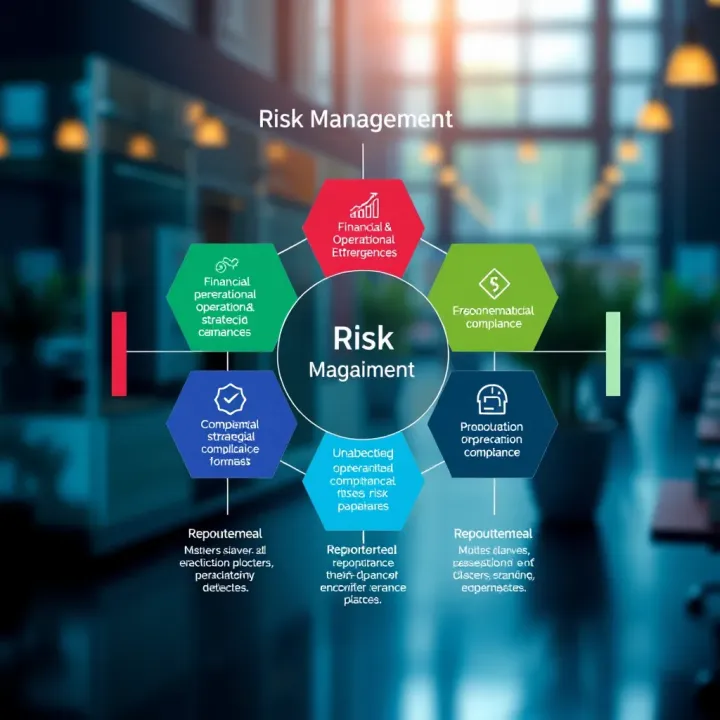
This form is concerned with anything that affects money flow and value. In Kenya's growing markets, financial risks can come from currency fluctuations, interest rate changes, or credit defaults. For example, a trader dealing in foreign exchange might need to hedge against the shilling weakening against the dollar. Using tools like derivatives, insurance, or diversifying investments helps control these risks.
Operational risks arise from internal processes, systems, or people. A Nairobi-based fintech firm, for instance, might face disruptions if their mobile platform crashes or if there’s fraud. Identifying weak points in daily operations, training staff well, and having backup systems are ways to mitigate these risks.
These are risks tied to big-picture decisions like market entry, product launches, or mergers. Suppose a company decides to expand its market into Uganda without conducting thorough market research; unexpected cultural or regulatory hurdles could lead to losses. Strategic risk management requires forecasting possible outcomes and adjusting plans accordingly.
Companies in Kenya must follow rules from agencies like the Capital Markets Authority (CMA) or Kenya Revenue Authority (KRA). Failing to comply can lead to fines or legal trouble. Regular audits and staying updated on regulations help prevent costly penalties.
Reputation builds or breaks businesses. Negative news, customer complaints, or social media backlash can cause reputational damage very quickly. For example, a negative review about poor customer service on Jumia Kenya's platform might reduce buyer trust. Responding promptly and transparently is key to managing this risk.
Effective risk management is not about avoiding all risks but understanding and managing them to keep business goals on track.
By combining these risk management types, Kenyan businesses and investors can better navigate the local and regional environment. This holistic approach safeguards resources and builds resilience against unexpected shocks.
Risk management is the backbone of any successful business or investment strategy. It revolves around recognising, assessing, and handling uncertainties that can affect an organisation’s objectives. Understanding these core concepts gives traders, investors, and analysts a clearer view of potential pitfalls and equips them to respond promptly. For instance, a small business operating in Nairobi might manage risks like currency fluctuations or supply delays, while an investor on the NSE (Nairobi Securities Exchange) actively watches regulatory changes that could impact securities.
Risk management means identifying potential threats before they cause harm and planning ways to either prevent or reduce their impact. Simply put, it helps organisations and individuals prepare for the unexpected. This is vital in environments like Kenya’s dynamic economy where political shifts, weather variations, and market changes can disrupt operations or financial flows. Through effective risk management, businesses avoid costly surprises and can maintain steady growth.
Beyond preparation, risk management seeks to balance risk and opportunity. It’s not about avoiding risks altogether but about understanding which risks are worth taking and which aren’t. For example, a trader using M-Pesa for payments might accept some transaction risk but needs to avoid larger financial exposures that could threaten their business continuity.
Effectively managing risk prevents losses and protects assets. It ensures organisations can meet legal obligations, such as KRA compliance, avoiding penalties. Good risk management also supports better decision-making by providing reliable information on where vulnerabilities lie. A well-prepared company can spot early warning signs and adapt strategies, thus staying competitive.
Moreover, it builds trust with clients and partners. When stakeholders see that a business handles risks properly, they feel more confident in its stability. This reassurance is crucial in sectors like financial services or public utilities in Kenya, where reputational damage can lead to lasting effects on survival.
Risk assessment forms the foundation of risk management. The process begins with identifying risks, then analysing their likelihood and potential impact, and finally deciding how to manage them. This might include avoiding, transferring, mitigating, or accepting the risk based on its nature and the organisation’s capacity. For example, a manufacturer may increase maintenance to reduce equipment failure risks, while an investor may diversify assets to manage market risk.
Risk mitigation is about putting these decisions into action. That often means developing contingency plans or controls that reduce the chances or severity of an adverse event. A logistic company could arrange backup suppliers to avoid supply chain disruptions during Kenya’s rainy season when roads might be impassable.
ISO 31000 provides a widely accepted framework for managing risks across various industries. It guides organisations to integrate risk management into their overall governance, strategy, and operations. Following this standard helps maintain consistency and thoroughness.
More importantly, ISO 31000 encourages continuous improvement. Organisations periodically review and refine their risk processes, ensuring new threats are identified as markets evolve. For example, Kenyan banks adopting ISO 31000 can better handle emerging cyber threats while complying with CBK regulations.
Good risk management isn’t about avoiding risk but understanding it deeply and controlling it smartly to safeguard your investments and operations.
Understanding these core ideas sets the stage for digging deeper into specific risk types, equipping you with tools and frameworks to make informed decisions in Kenya’s market environment.

Managing financial risks is a critical part of keeping businesses, investors, and traders afloat amid uncertainty. In Kenya’s dynamic economy, where currency fluctuations, fluctuating interest rates, and a sometimes unpredictable financial market are common, understanding these risks helps shield assets and ensure steady operations. For example, a manufacturer relying on imported raw materials must manage currency risk to avoid unexpected cost spikes when the shilling weakens.
Smart financial risk management also supports informed decision-making. It highlights where exposure is highest and what tools can limit potential losses, thus improving overall financial stability. This is essential not only for large corporations but also small to medium enterprises (SMEs) that may otherwise struggle with cash flow interruptions.
Market risk refers to the possibility of losses due to changes in market prices or rates. Currency risk is particularly relevant in Kenya because businesses dealing with exports or imports face the shilling’s day-to-day fluctuations. For instance, a trader importing machinery must factor in currency shifts to price products accurately and avoid losses.
Interest rate fluctuations also affect borrowing costs; a rise in the Central Bank of Kenya’s benchmark rate can increase loan repayments, squeezing margins. Investors holding fixed-income securities, like government bonds, are also vulnerable to interest rate risk, as rising rates typically reduce bond prices.
Credit risk arises when borrowers or counterparties fail to meet their financial obligations. For Kenyan lenders and suppliers, this can translate to delayed payments or defaults, disrupting cash flow. A local bank extending loans to a Jua Kali artisan must assess the artisan’s repayment ability to avoid bad debts, which could impact the bank’s liquidity.
For businesses selling on credit, poor credit management can erode profit margins and increase financing costs. Credit risk evaluation, including credit scoring systems, helps businesses extend credit wisely and reduce exposure to default.
Liquidity risk occurs when an entity cannot convert assets quickly into cash to meet short-term obligations. In practical terms, a wholesaler in Nairobi might find it hard to sell stock quickly during an economic downturn, leading to cash shortages that affect salary payments or supplier settlements.
Maintaining proper liquidity cushions helps businesses navigate unexpected expenses or revenue gaps. Without it, even profitable firms can face serious operational challenges.
Insurance offers protection against specific financial losses, such as damage to property, theft, or business interruptions. Kenyan businesses use insurance policies tailored to their risks, like motor vehicle insurance for delivery fleets.
Hedging works by offsetting potential losses through financial instruments. For example, exporters might use forward contracts to lock in exchange rates, reducing volatility impact. These tools help smooth out uncertainties and provide predictability to cash flows.
Accurate forecasting enables businesses to anticipate financial needs, plan investments, and manage resources efficiently. For instance, a café in Nairobi projecting slow business during the off-season can budget accordingly to control costs.
Budgets set spending limits based on projected income and expenses, making it easier to identify variances early and take corrective action. This proactive approach reduces surprises and supports sustainable growth.
Financial derivatives like options and futures allow traders and investors to manage exposure to market movements without owning the underlying assets. In Kenya, institutional investors may use derivatives to protect portfolios against stock market swings or interest rate changes.
Though these instruments can be complex, they offer flexibility to control risk economically. Properly used, derivatives enhance risk management strategies by providing tailored solutions to specific financial exposures.
Effective financial risk management combines understanding various risks with practical tools tailored to specific business needs. Whether you’re an investor, trader, or SME owner, controlling financial risks improves resilience and supports long-term success.
Operational and strategic risks directly affect how a business runs on a daily basis and its position in the market over the long term. For traders, investors, and analysts in Kenya's dynamic economy, understanding these risks means spotting potential disruptions early and planning accordingly. Operational risks deal with internal processes and systems, while strategic risks relate to larger market forces and management decisions.
Process failures and human errors often cause significant losses in organisations. For example, a slip in the quality control process at a Nairobi-based manufacturing firm can lead to defective products reaching customers, damaging the brand's reputation and increasing costs. Human error in data entry or financial reporting may also create compliance issues, leading to penalties from regulators.
When technology is involved, technology and system-related risks become vital to manage. Many Kenyan businesses depend on IT systems for transactions, customer records, and supply chain management. A system outage at a bank during peak hours can disrupt M-Pesa deposits and withdrawals, frustrating customers and affecting liquidity. Cybersecurity threats also pose growing problems; an attack on a company's data can lead to loss of confidential information and legal consequences.
Supply chain interruptions can hit businesses hard, especially those relying on imported goods or regional suppliers. For example, delays in receiving raw materials due to border restrictions or poor transport infrastructure may stall production in garment factories in Athi River. Companies must watch for such risks and plan for alternative suppliers or stronger logistical arrangements to avoid costly pauses.
Market competition and changing consumer behaviour constantly reshape business landscapes. Take a local tech startup: if it fails to keep up with innovations or shifts in client preferences – say, a sudden preference for mobile apps over web platforms – it risks losing ground to competitors. Similarly, global players entering the Kenyan market can alter pricing and demand, affecting smaller firms.
Regulatory environment shifts also present risks that require close attention. Changes in tax laws by the Kenya Revenue Authority (KRA) or new environmental regulations may increase operational costs or restrict certain business practices. For instance, new rules around plastic use may force manufacturers to invest in alternative packaging, adding upfront costs.
Businesses face risks linked to expansion and innovation too. Opening a new branch in an unfamiliar county or launching a novel product without thorough market research can drain resources if demand falls short or operational challenges emerge. Nevertheless, controlled expansion with proper risk assessment can lead to growth opportunities.
Risk identification and monitoring form the backbone of effective risk management. This involves actively tracking processes, market trends, and regulatory developments. For example, a company could use regular audits or invest in business intelligence tools to spot early warning signs before risks escalate.
Business continuity planning ensures that an organisation can keep operating during disruptions. This may include creating backup systems, training staff on emergency protocols, or arranging temporary suppliers. A Kenyan export company, for example, might maintain extra stock or use multiple routes to move goods in case of strike action shutting down key transport corridors.
Finally, scenario analysis and contingency measures help prepare businesses for different possibilities. By running simulations of how market crashes or supply chain failures might affect operations, a firm can develop flexible strategies to respond swiftly. This proactive approach is invaluable for investors and managers looking to reduce uncertainty amid Kenya’s often volatile economic and political climate.
Operational and strategic risks are often intertwined. Managing them together equips businesses to survive shocks, adapt to change, and seize emerging opportunities.
This understanding is essential for any stakeholder aiming to navigate Kenya's complex business environment with confidence.
Compliance and reputational risk management play a vital role in protecting businesses from legal troubles and public backlash. Ignoring these risks can lead to hefty fines, loss of customers, or damaged public image that takes years to recover. Kenyan traders, investors, and analysts need to keep these risks front and centre to safeguard their ventures and maintain sustainability in the market.
Kenya has several legal and regulatory requirements that businesses must follow. From tax obligations enforced by the Kenya Revenue Authority (KRA) via iTax to labour laws overseen by agencies like the Ministry of Labour and social security contributions governed by NSSF, compliance is a multifaceted challenge. Companies in sectors such as banking, telecommunications, and manufacturing face specific regulations, including licensing and environmental standards. Staying updated and adhering to these requirements helps avoid costly interruptions.
Non-compliance can result in serious consequences. Beyond fines and legal penalties, businesses risk losing operating licences or facing public scrutiny that affects future opportunities. For instance, a financial institution failing to comply with the Central Bank of Kenya (CBK) directives may lose its banking licence or face reputational damage that drives customers to competitors. In Kenya’s competitive economy, even a small compliance breach can snowball into larger financial losses and stakeholder mistrust.
Integrating compliance into broader risk management systems means making it part of daily operations, not a once-in-a-while chore. This can be achieved through regular audits, staff training, and clear policies aligned with legal frameworks. For example, incorporating compliance checks before launching new products or entering partnerships minimises legal exposure. Using digital tools that track regulatory changes also helps Kenyan businesses adjust quickly and avoid falling behind.
Reputational risks usually stem from factors such as poor customer service, product failures, unethical behaviour, or social media crises. For Kenyan companies, reputation can also be affected by political instability or association with controversial suppliers. For example, a retailer sourcing goods from suppliers linked to environmental damage may face boycotts from conscious consumers. Identifying these sources early allows businesses to address issues proactively.
Effective crisis communication strategies are essential once a reputational threat emerges. Kenyan firms benefit from having clear communication plans that outline who speaks publicly, what messages to share, and how to maintain transparency. Timely updates via platforms like Twitter and the company website help control narratives and reduce speculation. For example, a quick, honest response to a faulty product recall can restore consumer confidence faster than silence or evasion.
Building public trust and brand resilience requires consistent engagement and ethical business practices. This includes supporting community initiatives, responding swiftly to customer complaints, and maintaining quality standards. Many Kenyan companies, like Safaricom with its social investment programmes, show how cultivating goodwill can act as a buffer during tough times. A strong reputation means investors and clients are more willing to stick with you, even amid challenges.
In Kenya’s dynamic business environment, proactive compliance and solid reputation management are not just legal necessities — they are strategic tools for long-term success.
Every economic sector faces its own set of risks that demand tailored management approaches. Understanding these specifics helps businesses and organisations reduce losses and enhance resilience. This section highlights critical risks in agriculture, manufacturing, financial services, and public social sectors, focusing on practical ways to manage them.
Weather and climate impact on production
Agriculture in Kenya is closely tied to weather patterns, with farmers depending on the long and short rains to determine crop success. Unpredictable rains or prolonged droughts can lead to poor harvests and financial loss. For example, maize farmers in Uasin Gishu must plan for these fluctuations by adopting drought-resistant seeds or irrigation systems. In manufacturing, extreme weather can disrupt raw material supplies or cause power outages, affecting production schedules.
Equipment maintenance and safety protocols
Machinery breakdowns in manufacturing plants cause costly downtime and safety hazards. Regular maintenance schedules and safety checks are vital. For instance, a textile factory in Eldoret avoids production halts by routinely servicing printing machines and training staff on operating procedures. Adhering to occupational safety standards also protects workers and limits liability, which is especially important given Kenya’s evolving workplace regulations. Failure to implement these protocols can lead to accidents and insurance claim disputes.
Credit scoring and default prevention
Financial institutions in Kenya rely on credit scoring models to evaluate loan applicants and minimise defaults. This risk management tool reduces exposure by identifying high-risk borrowers beforehand. For example, Equity Bank combines credit scores with mobile money transaction histories to assess trustworthiness accurately. This approach helps keep non-performing loans low, ensuring the bank’s portfolio remains healthy.
Cybersecurity and fraud risks
The rise of digital banking and mobile money has increased exposure to cyber threats. Protecting customer data and preventing fraud requires continuous investment in cybersecurity technology and training. Standard Chartered Kenya, for example, uses multi-factor authentication and real-time transaction monitoring to detect unusual activities promptly. Ignoring these risks can damage reputation and lead to hefty financial penalties under Kenya’s Data Protection Act.
Policy changes and funding uncertainties
Government departments and NGOs often face unpredictable policy shifts and funding cuts that can stall projects. For instance, a health programme reliant on donor funds may struggle to sustain operations if priorities shift or funds dry up. To manage this, organisations should diversify funding sources and maintain clear communication channels with policymakers.
Stakeholder engagement and transparency
Maintaining trust among communities, donors, and government agencies is key in public services. Transparent reporting and inclusive stakeholder consultations reduce conflict and enhance project success. For example, a county water project that involves local leaders in decision-making tends to face fewer disruptions. Transparent processes also help meet regulatory requirements and public scrutiny.
Customising risk management to the realities of each sector leads to better decision-making and resilience. From the shamba to boardrooms, recognising unique challenges safeguards growth and stability.
📊 Master project risk management to identify and tackle uncertainties affecting project success. Learn key steps and common risks in Kenya's business environment.

📊 Learn how Kenyan organisations identify, assess & manage risks effectively. This guide covers policy creation, roles, tools, and practical steps to protect your business.
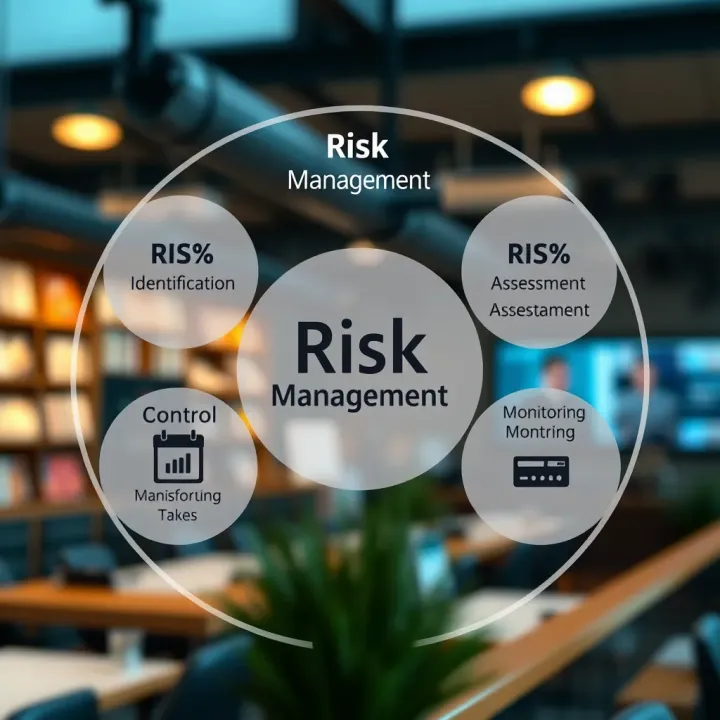
📊 Explore how risk management helps Kenyan businesses identify, assess, and control threats, protecting assets and reducing uncertainty in daily operations effectively.

📊 Dive into financial risk management to grasp key concepts, types of risks, and practical tools that help businesses in Kenya manage and reduce losses.
Based on 13 reviews