

Financial Risk Management Explained
📊 Dive into financial risk management to grasp key concepts, types of risks, and practical tools that help businesses in Kenya manage and reduce losses.
Edited By
Henry Johnson
Risk management stands as a backbone for businesses looking to stay afloat amidst uncertainties. It involves several key functions that collectively work to identify, evaluate, and tackle risks that threaten an organisation's operations and assets. For traders, investors, analysts, and brokers here in Kenya, understanding these functions can help in making informed decisions and safeguarding investments.
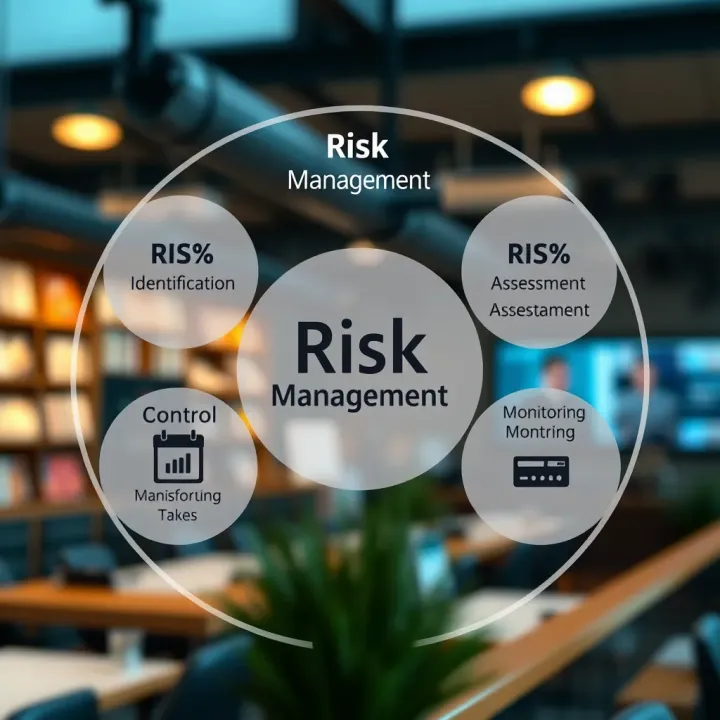
The first step is spotting potential risks before they snowball. This includes anything from market volatility, inflation changes, regulatory shifts, to disruptions like flooding during long rainy seasons impacting supply chains. For example, a Nairobi-based fresh produce exporter might track weather patterns and transportation strikes to foresee delivery delays.
Once risks are identified, businesses analyse their likelihood and impact. This involves both qualitative and quantitative approaches. Say you run a small-scale textile factory in Mombasa; assessing how foreign exchange fluctuations affect the cost of imported machinery parts is vital. Establishing probability and consequences guides prioritisation.
After assessing, implementing measures to control or reduce risks comes next. Options might include diversifying suppliers, buying insurance, or adjusting pricing strategies. A real estate investor could opt for title insurance to guard against ownership disputes while spreading holdings across different locations.
Planning how to cover potential losses is essential. This might mean setting aside emergency funds, taking insurance policies, or arranging credit facilities. SMEs often rely on both savings and microfinance loans to cushion against unexpected shocks like price hikes in raw materials.
Risk environments constantly change, so continuous monitoring ensures controls remain effective. For stock market investors, tracking economic indicators, political developments, and market trends daily helps adjust portfolios proactively.
Effective risk management is not a one-off event but a continuous cycle that keeps businesses resilient and adaptable.
Use M-Pesa and mobile alerts to stay informed about market news promptly.
Collaborate with local fundis (technicians) to regularly check machinery and reduce breakdown risks.
Adopt simple record-keeping to track risk events and responses for future learning.
This structured approach allows Kenyan traders, investors, and analysts to reduce uncertainty and secure their ventures against both common and unique local challenges.
Identifying risks is the first and foundational step in managing uncertainty within any business or investment environment. By pinpointing potential threats early, traders, investors, and analysts can devise strategies that minimise harm and maximise opportunities. In the Kenyan context, where market dynamics often shift abruptly due to political, economic, or environmental factors, recognising risks helps you stay one step ahead.
Common risk categories typically fall into operational, financial, strategic, and compliance risks. For example, a Nairobi-based export company may face operational risks like supply chain disruptions due to road closures or freight delays. Financial risks could arise from currency fluctuations between the Kenyan Shilling and the US Dollar, affecting profit margins. Understanding these categories helps businesses tailor their risk management to the areas that could hit them hardest.
Internal versus external risks split threats into those arising within the organisation and those from outside forces. Internal risks might include staff turnover or IT system failures, while external risks could involve changes in government policy or new competition in the market. A Kenyan investor in renewable energy, for instance, needs to monitor both technical challenges internally and evolving regulations from Kenyan authorities externally. Distinguishing these risk types guides where to focus resources for prevention and response.

Checklists and interviews provide a structured approach to uncover risks by listing common issues and engaging key personnel for insights. For example, an investment firm might use a checklist covering potential market, credit, and operational risks, while interviewing traders and analysts to capture their frontline experiences. This technique roots risk identification in practical reality, ensuring no obvious threat is overlooked.
Historical data review involves analysing past incidents, financial records, and market patterns to spot recurring risks. A Kenyan maize trader might study previous years’ drought impacts on supply and pricing to anticipate future vulnerabilities. This backward glance allows for a data-driven understanding of where risk tends to arise and how severe its consequences can get.
Stakeholder consultations bring together views from various parties, including suppliers, customers, regulators, and community leaders. This is particularly useful in Kenya’s context, where local community relations or county-level regulations can influence business success. Engaging stakeholders can reveal risks not evident from internal data alone, such as reputation damage from social unrest near a factory or unexpected taxation by county governments.
Proactively identifying risks is not just about avoiding loss; it opens doors to better decision-making and resilience, which are key to sustaining growth in uncertain markets.
In summary, effective risk identification involves recognising threat categories, distinguishing internal and external origins, and using diverse techniques like checklists, data analysis, and stakeholder input. For Kenyan traders and investors, this practical approach builds a strong risk management foundation that aligns with local market realities.
After identifying risks, assessing and analysing them lets businesses understand which threats need urgent attention. This step involves carefully looking at the likelihood of each risk occurring and the damage it could cause. Doing this helps traders, investors, and analysts allocate their resources wisely and create plans fitting their specific situation.
Qualitative assessment methods use descriptive techniques to judge risks without relying heavily on numbers. For example, a small jua kali mechanic in Nairobi might rate a flood risk as "high" because they know their shop sits near a stream prone to overflow during heavy rains. They could use categories like low, medium, or high for both likelihood and impact, which simplifies decision-making. This method works well when exact data is hard to get but experience and expert opinion provide valuable insight.
Quantitative analysis tools involve numbers to measure risk more precisely. For instance, a merchant at a market in Kisumu may use historical sales data to estimate how a supply chain disruption could reduce earnings by 20%. Tools such as statistical models or simulations allow investors to calculate expected losses or the probability of certain events. This approach suits businesses with access to reliable data and helps pinpoint risks in monetary terms.
Risk matrices offer a visual tool to rank risks according to their probability and impact. Picture a 3x3 grid where each box represents a combination, from low likelihood/low impact to high likelihood/high impact. For example, a broker could mark political instability as high risk because it could greatly affect investments and is quite likely during election season. This visual helps quickly identify which risks deserve immediate attention and which can be monitored over time.
Cost-benefit considerations examine whether the expense of managing a risk outweighs the potential loss. Suppose a small investor considers buying insurance against theft in a Nairobi CBD vehicle park; if the premium is KSh 50,000 but the average theft loss is closer to KSh 10,000, then buying insurance might not be sensible. Showing the balance between control costs and risk exposure helps businesses avoid overspending on unlikely risks and focus on actions with the most impact.
Assessing and analysing risks turns vague worries into concrete priorities. It equips Kenyan traders and investors with sound knowledge to make decisions that protect their investments while using resources sparingly.
By applying both qualitative and quantitative methods, and using practical tools like risk matrices and cost-benefit analysis, businesses can clearly see where to concentrate efforts and safeguard their future earnings. This careful examination makes risk management more efficient and tailored to real-world challenges faced in Kenya's dynamic markets.
Planning risk responses is a vital step after identifying and assessing risks. It involves deciding how to deal with risks before they affect the business, which helps minimise damage and manage uncertainty. Proper planning ensures the organisation is ready with clear actions, saving time and resources when risks occur. This stage also helps prioritise risks and align resources effectively, making sure that responses contribute to the overall business strategy.
Risk responses generally fall into four categories: avoidance, mitigation, transfer, and acceptance. Avoidance means changing plans or processes to sidestep the risk entirely, like delaying a product launch until regulatory clarity is confirmed. Mitigation involves reducing the risk’s impact or likelihood, such as installing backup power generators to counter frequent electricity outages common in some Kenyan regions. Transfer means shifting the risk to another party, often through insurance or outsourcing certain operations. Lastly, acceptance recognises that some risks are small, manageable, or too costly to handle, so organisations prepare to absorb any impact that comes, for example, accepting small market fluctuations when trading.
In Kenya, businesses find these strategies quite practical. Take a horticulture exporter in Naivasha: to avoid risk, they may comply strictly with export standards to prevent shipment rejections. Meanwhile, a small retailer in Nairobi might mitigate theft risk by installing CCTV cameras and hiring security guards. Firms often transfer risk by buying insurance for fire or vehicle accidents, which are typical concerns. Accepting seasonality effects on sales is also common, especially during school holidays or festive seasons when customer flow shifts.
Assigning risk owners creates clear accountability for managing specific risks. A designated risk owner ensures timely monitoring and action, preventing delays or confusion in responses. For instance, a finance manager might handle risks related to exchange rate fluctuations affecting import costs, while the operations lead manages supply chain disruptions. This approach promotes responsibility and quick reaction within teams.
Budgeting for risk controls requires estimating the costs of implementing strategies like employee training, security upgrades, or insurance premiums. Accurate budgeting avoids shortfalls that can stall risk response efforts and ensures funds are available when needed. For example, a manufacturing firm factoring in the cost of personal protective equipment (PPE) complies with occupational safety regulations, thus avoiding penalties. Proper budgeting also means Kenyan SMEs can balance risk control investments with their cash flow realities, ensuring they don't overspend while staying protected.
Properly planning risk responses, including choosing the right strategy and allocating resources wisely, can make the difference between a business surviving a crisis or struggling to recover.
Implementing risk controls is where planning turns into action. It involves putting the chosen strategies into practice to reduce or manage risks effectively. This step is vital because even the best risk assessment and response plan won't help if it's not properly executed. For traders, investors, and analysts, timely and precise implementation can mean the difference between protecting assets and suffering heavy losses.
Process adjustments involve changing existing workflows or introducing new procedures to address identified risks. For instance, a stock brokerage might introduce multiple layers of approval before executing large trades to prevent fraud or errors. Similarly, a business could adjust its supply chain by adding more reliable suppliers or holding buffer stock to reduce disruption risks. These changes help embed risk control into daily operations, making them less vulnerable to surprises.
Training and awareness ensure that everyone involved understands the risks and their roles in managing them. Without proper training, even well-designed measures can fail. For example, investment firms in Nairobi often train their staff on compliance with capital markets rules to avoid regulatory penalties. Awareness sessions can also cover recognising phishing attempts, which are common in financial transactions, preventing loss through cyber fraud. Well-informed teams react faster and more accurately when risks arise.
Key risk indicators (KRIs) serve as early warning signals to track how well risk controls are performing. These are measurable metrics tailored to specific risks, such as market volatility indexes for traders or delayed shipments for importers. A Kenyan export company might monitor fluctuating foreign exchange rates as a KRI to decide when to hedge currency risks. Regularly reviewing KRIs helps keep risk management proactive rather than reactive.
Regular audits and reviews provide systematic checks on risk control processes. They help identify gaps or weaknesses before they escalate into serious problems. In the financial sector, audits may involve reviewing transaction records and compliance with internal policies. For SMEs around Nairobi, periodic reviews of cash flow management controls can prevent liquidity issues. These evaluations foster continuous improvement and build confidence among stakeholders.
Implementing risk controls demands commitment and follow-through. Regular adjustments, clear training, active monitoring through KRIs, and diligent audits form the backbone of effective risk management.
Successfully executing these functions make the difference between guesswork and informed decision-making in managing everyday business risks.
Regularly reviewing and improving risk management is key to keeping an organisation resilient. Risks don’t stand still; they shift with market changes, new regulations, or even political developments in Kenya or the wider East African region. Continuously revisiting risk strategies helps businesses spot weaknesses early and keep up with an ever-changing environment. Practical benefits include reducing losses, improving decision-making, and building trust with stakeholders.
Incident analysis involves carefully examining what went wrong when a risk materialises or nearly does. For example, if a trader at the Nairobi Securities Exchange suffers a loss due to system downtime, incident analysis investigates the cause — such as poor internet connectivity or inadequate backup systems. This approach makes sure the organisation understands why the failure happened and what gaps exist in controls or processes. It’s a practical way to prevent the same mistake from repeating itself.
Lessons learned sharing takes incident analysis a step further by distributing the insights across the team or company. In Kenyan businesses, this might mean a post-incident review shared through meetings or internal memos. For instance, if a supply chain disruption hits during the long rains season, the team can share how they dealt with delays and what tweaks worked best. This collective knowledge empowers all involved to make smarter choices and adjust procedures faster in the future.
Updating risk assessments should happen regularly, not just as a once-off exercise. The world changes rapidly — regulatory shifts from the Capital Markets Authority (CMA) or inflation fluctuations can affect risks. Revisiting risk assessments lets businesses adjust their risk priorities accordingly. Imagine an investment firm updating its assessment after Kenya introduces new data protection laws ensuring customer information security. This keeps controls aligned with current threats.
Embracing new technologies is essential for modern risk management. Kenyan firms that adopt digital tools like automated risk dashboards or machine learning models gain clearer, faster insights into their risk profile. Take, for example, a broker who uses software to track market trends and flag unusual trading patterns early. These innovations improve responsiveness and accuracy, reducing exposure and improving competitive edge. That said, adopting technology also means being ready to manage related risks, such as cyber-attacks or technical failures.
Regular review and improvement transform risk management from a static checklist into a dynamic shield, helping Kenyan businesses stay prepared and agile amid uncertainty.
By consistently analysing incidents, sharing lessons, updating assessments, and adopting relevant technologies, organisations can safeguard their operations and thrive even when unexpected challenges arise.
📊 Dive into financial risk management to grasp key concepts, types of risks, and practical tools that help businesses in Kenya manage and reduce losses.
Learn how risk management helps Kenyan businesses handle uncertainties and protect their interests with practical tips and strategies. 📊🔒
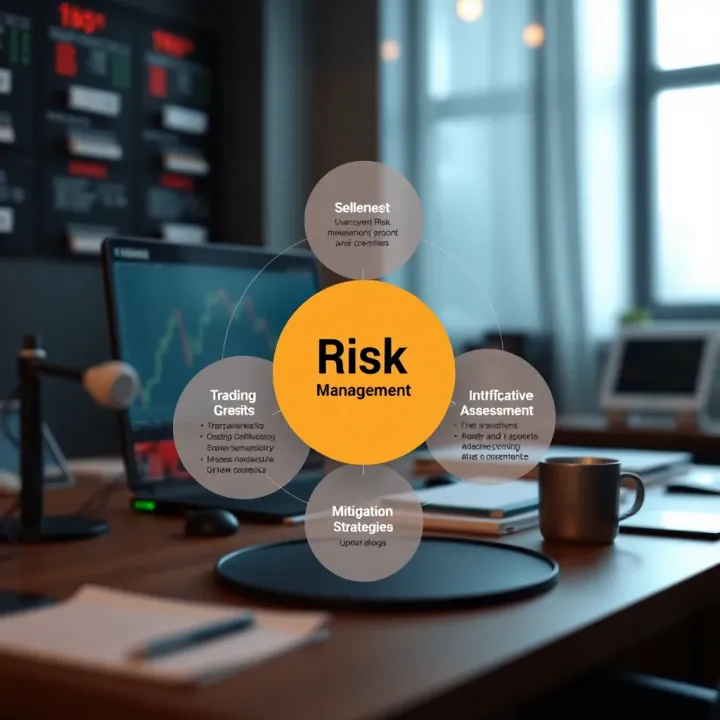
🔍 Explore how Kenyan businesses manage risks with clear definitions, key strategies, and real-life examples to safeguard goals and improve operations.

🌍 Explore disaster risk management in Kenya, key strategies, stakeholder roles, challenges faced, and practical ways to boost community resilience and preparedness.
Based on 15 reviews