

Compliance and Risk Management for Kenyan Businesses
🔍 Learn key compliance and risk management strategies for Kenyan businesses. Understand local laws, identify risks, and use tech tools for safer operations.
Edited By
Benjamin Davies
Risk management is an essential practice for anyone involved in trading, investing, or analysing markets in Kenya. It helps you identify, assess, and control potential threats that could negatively impact your financial goals. Whether you are an individual investor overseeing a personal portfolio or a broker managing client assets, understanding risk management principles makes decision-making clearer and protects you from unexpected losses.
Why does risk management matter? Simply put, markets can be unpredictable. Economic shifts, political events, or company performance can quickly affect asset values. By having a structured risk management approach, you reduce the chance of damaging setbacks and can better seize opportunities without exposing yourself to too much harm.
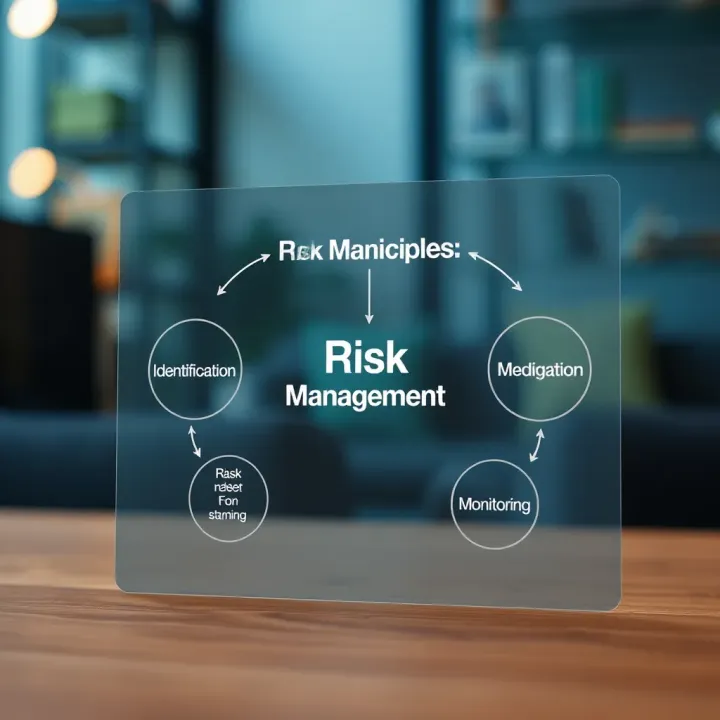
Risk Identification: Know the types of risks relevant to your investments, such as market risk, credit risk, or operational risk. For example, a trader on the Nairobi Securities Exchange (NSE) should watch currency fluctuations alongside equity price movements.
Risk Assessment: Measure the likelihood and potential impact of these risks. Using tools like Value at Risk (VaR) or scenario analysis helps quantify exposure, making it easier to understand how much capital might be at stake.
Risk Control: Decide how to manage risks—either by avoiding, reducing, transferring, or accepting them. Hedging with derivatives or diversifying across sectors are common ways Kenyan investors minimise exposure.
Many risk management frameworks and templates are available as PDFs for easy use offline. These include checklists, risk registers, and mitigation plan templates tailored to different industry sectors.
Keeping digital copies on your mobile or work computer ensures quick access during decision-making sessions. Safaricom and Equity Bank clients can often integrate risk alerts within their mobile apps for real-time updates.
Besides documents, technology plays a critical role. Several Kenyan fintech platforms offer dashboards that monitor risk levels, track compliance, and alert users to unusual market moves.
Risk strategies should be aligned with local market realities, including regulatory requirements from the Capital Markets Authority (CMA) and the Kenya Revenue Authority (KRA). For instance, currency risks affecting import-export firms can be managed by using forward contracts or currency swaps through banks.
In the fast-paced world of Kenya’s financial landscape, consistent monitoring and revisiting your risk plans ensures they remain effective. Regular reviews, particularly ahead of key events like budget speeches or elections, help you adapt strategies promptly.
In summary, mastering risk management equips you to navigate Kenya’s market fluctuations confidently, using practical tools and up-to-date information to safeguard investments and optimise returns.
Risk management is about spotting potential problems before they hit and finding ways to handle them. Its main purpose is to protect businesses from losses and disruptions, ensuring they stay afloat even when unexpected challenges arise. For example, a trader using risk management might set limits on how much money to put into each stock to avoid big losses when prices drop suddenly. This approach not only safeguards investments but also builds confidence in decision-making.
Successful businesses don’t just react to risks; they anticipate and control them.
In simple terms, risk management involves identifying threats that could affect your business, analysing their impact, and deciding how to manage them. This can mean avoiding the risk altogether, reducing its likelihood, transferring it through insurance, or accepting it with contingency plans. Take a small wholesaler in Nairobi dealing with supply chain delays; risk management might involve keeping additional stock or sourcing from multiple suppliers to avoid running out of products.
Risk management's goal isn’t to eliminate all risks, which is impossible, but rather to keep risks at a level a business can handle without suffering major setbacks. Good risk management helps businesses plan better, allocate resources wisely, and improve their resilience to shocks.
Kenyan businesses face unique challenges, including fluctuating currency rates, regulatory changes, and infrastructure issues. Managing these risks is vital for survival and growth. For example, a manufacturer in Mombasa might face delays due to inconsistent electricity supply; their risk strategy could include investing in backup generators or negotiating better terms with energy providers.
Moreover, many Kenyan businesses deal with financial risks linked to credit and cashflow. Using mobile money platforms like M-Pesa for transactions helps mitigate risks related to cash handling and provides transparent records for audits and compliance.
Risk management also supports compliance with government regulations enforced by bodies like the Kenya Revenue Authority (KRA) and the Capital Markets Authority (CMA). Ignoring these risks can lead to penalties that hurt profitability.
In sum, understanding risk management equips Kenyan businesses with tools to overcome uncertainties inherent in their markets and economy. It builds trust with investors, improves operational efficiency, and ultimately boosts competitiveness locally and beyond.
Understanding the core elements and following clear steps in risk management is key for traders, investors, analysts, and brokers. These steps help organisations spot potential problems early, reduce losses, and make better decisions. Kenyan businesses, especially small and medium enterprises operating in dynamic markets like Nairobi stock exchange or agro-trading, benefit a lot from a structured approach to managing risks.
Risk identification is the first step where you list all possible risks facing your business or investment. These can range from market volatility, currency fluctuations, to regulatory changes. For example, a trader dealing with foreign exchange must spot risks such as sudden shilling depreciation or new KRA tax rules affecting profits. After identification, assessment involves determining the likelihood and impact of each risk. In practice, this could be rating risks on a scale from low to high or assigning probabilities. This step lays the groundwork for prioritising which risks demand immediate attention.
Once risks are identified and assessed, the next step is creating ways to reduce or control them. Mitigation could mean diversifying investments to spread risk or using hedging tools like futures contracts. In Kenyan agriculture, plantations might invest in irrigation to counter unpredictable long rains or get crop insurance cover. These strategies should be cost-effective and practical, fitting the business size and market realities. The goal is not to eliminate risk completely, which is impossible, but to manage it so it does not disrupt operations or financial stability.
Risks evolve with market conditions and business changes, so continuous monitoring is vital. This means regularly reviewing risk factors, tracking key indicators like price shifts or policy updates, and updating the risk register. For instance, analysts need to watch NSE trends daily and report significant shifts. Proper reporting involves sharing insights with decision-makers clearly and timely, enabling quick action. Reporting can be through simple dashboards, monthly reports, or meetings. When risk monitoring is consistent and transparent, it builds resilience and responsiveness in business strategies.
Keeping these steps practical and aligned with everyday business activities improves risk management outcomes, especially in Kenya’s fast-changing economy. Effective risk management is not a one-time task but an ongoing process that steers informed decisions and safeguards your ventures.
Identify and assess risks relevant to your sector and scale.
Use realistic and fitting mitigation methods.
Regularly monitor and communicate risk status.
These elements form the backbone of a risk management culture that protects and prepares Kenyan businesses for uncertainty.
Accessing risk management frameworks and tools through PDFs is a practical approach for many Kenyan businesses and investors. PDFs offer a consistent format that keeps content organised and readable across various devices, whether you are using a laptop in Nairobi or a smartphone in Kisumu. They make it easy to download, save, and share essential documents without worrying about layout changes or compatibility issues common with other file types.
PDFs serve as a reliable way to store and share risk management frameworks and related materials. Businesses can quickly refer to templates, policy documents, and checklists that guide risk assessment and mitigation steps. For instance, a trader operating on the Nairobi Securities Exchange (NSE) might use a risk evaluation checklist PDF to ensure all market and credit risks are considered before making investment decisions. PDFs also allow annotation and bookmarking, making them useful for continuous review and updating of risk strategies without losing structure.
Finding credible risk management PDFs is essential for accurate information. Organisations like the Capital Markets Authority (CMA) Kenya, Kenya Association of Manufacturers (KAM), and professional accounting bodies often publish official risk guidelines and templates in PDF format. Additionally, international bodies such as the International Organisation for Standardisation (ISO) provide risk management standards in PDFs that can support local businesses. Many Kenyan banks and consultancy firms also provide free or paid PDF downloads on practical risk management tailored to the Kenyan business landscape.
Using PDF templates and checklists goes beyond simply printing and ticking boxes. It is best to customise these tools according to your specific business context. For example, a broker dealing with foreign exchange risks should adapt a general risk register PDF to include currency volatility and political factors relevant to Kenya and the East African region. Regularly update these documents and use PDF readers with commenting features to note changes or new risk factors as they arise. Sharing annotated PDFs with your team through cloud services keeps everyone aligned on risk priorities and action plans.
Well-maintained PDFs with clear risk management templates can save you time and keep business processes focused, especially when handling evolving risks in fast-moving markets.
Overall, PDFs remain a user-friendly and dependable format that supports robust risk management practices for traders, investors, and analysts engaging with Kenyan markets. By accessing and using these ready-made structures effectively, businesses can better navigate uncertainties and protect their interests.
Adopting a practical risk management approach is vital for businesses and investors in Kenya looking to navigate the dynamic market conditions and regulatory environment. A workable system should fit the organisation’s size, sector, and risk appetite, avoiding overly complex frameworks that end up unused. Practicality ensures risk strategies are not just theoretical but directly inform decision-making and daily activities.
Involving the right stakeholders during risk planning makes the process more realistic and comprehensive. This means bringing in department heads, financial controllers, compliance officers, and where possible, representatives from suppliers or clients. For example, a company dealing with importation should engage procurement and logistics teams early to identify risks like customs delays or fluctuating freight costs.
Stakeholder inputs help pinpoint actual vulnerabilities and generate ownership of risk controls. Regular forums or meetings to discuss risk findings encourage transparency and quicker intervention when new threats emerge. In Kenyan SMEs, even informal discussions during weekly huddles can uncover risks that top management might overlook.
Effective stakeholder engagement ensures risk management is a team effort, not a solo project from the boardroom.
Risk management must weave into daily activities rather than stand apart as an occasional review exercise. When operational teams understand potential risks tied to their functions, they take proactive steps to manage them. For instance, a retail outlet can train staff to monitor stock theft or faulty tills, spotting issues before they escalate.
Embedding risk tasks within existing workflows reduces resistance and enhances responsiveness. Using simple checklists or digital tools can help frontline workers track risk factors effortlessly. This integration also means any risk events or near misses get reported swiftly for timely action.
In Kenya's matatu industry, some operators have adopted daily vehicle checks and driver briefings on road safety as part of routine risk management. Such habits directly lower accident risk and regulatory penalties. Similarly, in financial institutions, staff identify suspicious transactions daily to curb fraud risks.
Ultimately, practical risk management connects the dots between strategy and execution, making the organisation resilient and ready to seize opportunities without undue fear of setbacks.
Technology has reshaped how businesses in Kenya handle risk management, making it more efficient and precise. For traders, investors, analysts, and brokers, using the right digital tools offers real-time insights, streamlined processes, and better decision-making. This section focuses on practical ways technology helps track risks and ensures that valuable data is accessible anytime, anywhere.
Digital platforms tailored for risk management allow businesses to monitor threats closely and respond quickly. For example, specialised software like RiskWatch and Resolver provide dashboards that aggregate data from market trends, financial reports, and operational indicators. This gives traders and investors a live snapshot of risk exposures, helping them avoid costly mistakes.
These tools often include automated risk scoring and alert systems. Suppose a broker is tracking fluctuations in currency exchange; real-time alerts inform them when volatility reaches a critical threshold. In turn, they can adjust their portfolios swiftly without waiting for manual reports. Kenyan firms increasingly adopt these solutions because they reduce human error and save time gone on compiling reports.
Moreover, some software integrates regulatory compliance checks. In Kenya's dynamic regulatory environment, staying ahead of requirements from bodies like the Capital Markets Authority (CMA) is vital. Risk management software can send reminders about filing deadlines or flag inconsistencies to keep businesses compliant.
Accessing risk data on the go is crucial, especially for busy investors and analysts moving between meetings or trading floors. Mobile apps connected to cloud platforms ensure that risk assessments and mitigation strategies are never out of reach.
Cloud services like Microsoft Azure or Google Cloud offer Kenyan companies scalable storage and processing power without expensive in-house servers. For example, a risk analyst can update a risk register on their mobile device during an investor briefing, and this update will be instantly available to the entire team back at the office.
The cloud also supports collaboration by enabling multiple users to work on risk-related documents simultaneously, reducing delays. This becomes especially helpful when incidents require immediate attention, allowing fast sharing of reports and data to manage risks effectively.
Embracing mobile and cloud platforms strengthens your risk management framework by ensuring up-to-date information is always accessible and by promoting teamwork among stakeholders.
However, businesses need to ensure data security when using these technologies. Employing encryption and strong access controls protects sensitive risk data from unauthorised access or cyber threats.
In summary, leveraging technology in risk management offers Kenyan businesses the advantage of timely data, better analysis, and smooth collaboration. Whether using specialised software for tracking or cloud-based platforms for accessibility, technology equips businesses to face risks head-on and adapt swiftly in a changing market.
🔍 Learn key compliance and risk management strategies for Kenyan businesses. Understand local laws, identify risks, and use tech tools for safer operations.

Discover how risk management safeguards assets, streamlines operations, and boosts trust in Kenyan businesses. Enhance your strategy today! 🔒📊🇰🇪

📊 Dive into financial risk management to grasp key concepts, types of risks, and practical tools that help businesses in Kenya manage and reduce losses.
Learn how risk management helps Kenyan businesses handle uncertainties and protect their interests with practical tips and strategies. 📊🔒
Based on 10 reviews