
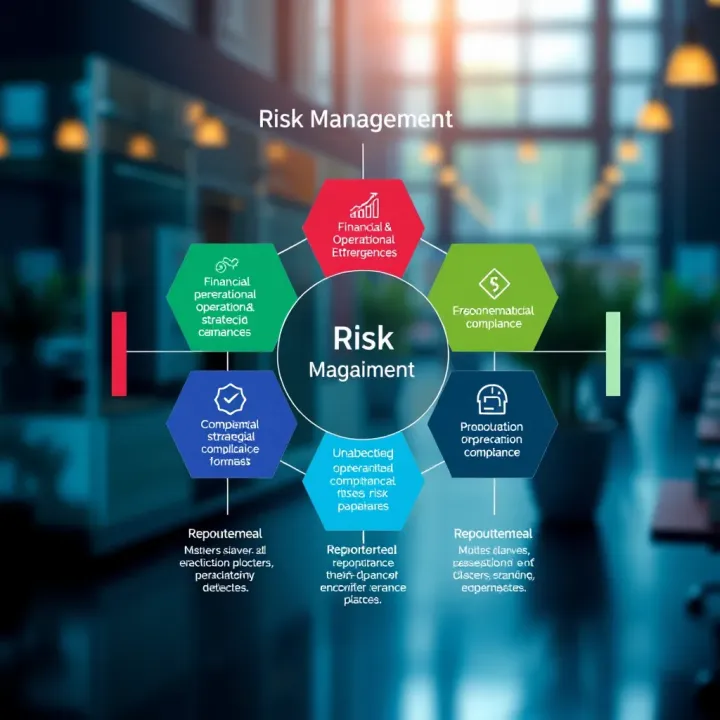
Understanding Types of Risk Management
📊 Explore key types of risk management like financial, operational & reputational risks in Kenya’s business scene, plus ways to control and integrate them effectively.
Edited By
Henry Dawson
Risk management is not just a formal tool for big firms; it's a vital practice for traders, investors, analysts, and brokers in Kenya's bustling economy. By spotting potential threats early, organisations can protect their assets, sustain operations, and avoid costly disruptions.
A good example comes from the agricultural sector: if a business depends heavily on seasonal rains for crop production, risk management involves assessing weather patterns and putting strategies in place if there are drought warnings. This might mean investing in irrigation equipment or buying insurance cover, which safeguards the business from total loss.

In Kenya’s financial markets, risk management helps investors guard against volatile shifts. Suppose an investor holds significant shares on the Nairobi Securities Exchange (NSE). Monitoring market trends and setting stop-loss orders can limit unexpected losses during sudden price drops.
Risk management aims to achieve several clear objectives:
Protecting assets and resources: This includes physical assets like machinery and stock, as well as financial resources and intellectual property.
Ensuring regulatory compliance: Kenyan organisations must follow rules from bodies like the Capital Markets Authority (CMA) or Central Bank of Kenya (CBK). Good risk management reduces the chances of penalties or legal trouble.
Improving decision-making: Reliable risk assessments provide a realistic picture of potential downsides, helping leaders make informed choices on investments, expansions, or new projects.
Promoting sustainable growth: By managing risks proactively, firms avoid shocks that can stall progress, supporting steady development over time.
Strong risk management is about more than avoiding losses; it’s about creating a stable environment where businesses can thrive and make confident moves, even when uncertainty looms.
Implementing effective risk management means identifying possible threats, analysing their impact, and developing practical responses. These might include diversifying investment portfolios, securing suitable insurance, or establishing robust internal controls. For Kenyan businesses, considering local context—such as economic cycles, regulatory changes, or political events—is critical to designing strategies that truly work.
Understanding these objectives equips researchers, traders, and investors to tailor risk approaches that reflect their unique industry challenges. This insight forms the backbone of protecting value and making smart, measured decisions in Kenya’s dynamic market landscape.
Risk management is about spotting potential threats early and acting to reduce their impact on a business. Kenyan organisations, whether established companies or SMEs in the jua kali sector, depend on this to keep their operations steady and competitive. For example, a supermarket chain in Nairobi might face risks like supply disruptions or theft. By managing these risks well, it avoids losses and maintains customer trust, which is vital in Kenya’s competitive retail market.
More than just shielding the business, risk management helps organisations adapt to changes like new government regulations or economic shifts. This adaptability can be critical during rainy seasons, when transport delays and power outages affect many businesses. The purpose, therefore, is not just protection but also securing sustainable growth and smoother day-to-day running.
Risks come in many forms: financial, operational, legal, strategic, and even environmental. For instance, a fintech startup in Kenya may face cybersecurity risks threatening customer data, while an agricultural business might be more vulnerable to weather changes and pest outbreaks. Knowing these types helps a business prepare specific actions rather than adopting a one-size-fits-all approach.
Ignoring risks can lead to severe consequences. A construction company might lose millions if safety protocols are overlooked, resulting in accidents and project delays. Similarly, a trader ignoring currency fluctuations when importing goods can face unexpected costs that erode profits. In such cases, unmanaged risks don’t just cause financial harm; they can damage the reputation and even lead to closure.
Assets include not just physical property like machinery and buildings, but also intangible ones like brand reputation. For Kenyan businesses, reputation can be everything. A bank that experiences a data breach can lose customers’ confidence overnight. Managing risk ensures these assets are guarded against threats, saving the business from costs tied to replacements or lost clients.
Operations need to run smoothly for a business to meet its goals. Interruptions like power outages, which are common in parts of Kenya, or sudden regulatory changes can halt production or sales. Effective risk management plans for contingencies, so businesses can keep trading despite challenges. For example, using generators or backup data systems can reduce downtime and keep customers happy.
Organisations that take risk management seriously stand a better chance of thriving in unstable environments by protecting what matters and keeping operations steady.

This approach helps traders, investors, and analysts understand the real health of a business, not just its sales figures but how well it handles unseen challenges.
Risk management plays a direct role in safeguarding business success. At its core, the key objectives ensure organisations protect assets, operate within legal frameworks, make informed decisions, and sustain operations despite challenges. Kenyan traders, investors, and brokers can benefit by understanding these objectives clearly, as they guide practical actions to reduce vulnerabilities and strengthen growth.
Minimising losses and fraud is essential to keep a business afloat. For example, a trader in Nairobi dealing in electronics must execute controls like regular stock audits and payment verifications to detect shrinkage or fraudulent activities early. Losses from theft or error directly cut into profits, so managing this risk saves money and builds confidence among business partners.
Safeguarding investments and capital means preserving the money invested in assets or working capital. For instance, an investor in a real estate venture needs to assess risks from market fluctuations, land disputes, or regulatory changes. Proper risk management involves spreading investments and conducting due diligence to protect capital from unnecessary exposure, thus securing the foundation for sustainable returns.
Meeting local and international legal standards ensures businesses avoid legal entanglements. Kenyan firms must comply with KRA requirements, environmental laws, and sector-specific rules. For example, an exporter must adhere to both Kenya Bureau of Standards (KEBS) and international quality standards. This reduces the risk of shipment rejections or costly legal battles abroad.
Avoiding penalties and fines is a strong financial motivator for managing risk. Penalties for late tax filing or non-compliance with safety regulations can drain resources quickly. A small-scale manufacturer, for example, needs to ensure NHIF and NSSF contributions are timely to avoid fines that disrupt cash flow and damage reputation.
Using risk information to guide strategy means incorporating risk assessment data when planning business moves. For example, a stockbroker considering new securities will analyse market risks and client profiles to decide where to invest. This approach improves chances of success and shields against reckless decisions.
Balancing opportunities and threats is about weighing potential rewards against possible downsides. A trader might see a chance to supply goods during festive seasons but must consider logistics challenges or cash flow issues. Risk management helps find a middle ground that targets gains without exposing the business to crippling losses.
Preparing for disruptions and crises is vital in the Kenyan environment, where power outages or political events can disrupt operations. Businesses with backup power solutions and clear communication plans minimise downtime, safeguarding earnings and customer satisfaction.
Developing recovery plans prepares companies to bounce back quickly after setbacks. For instance, an SME might create a plan detailing steps after a cyber-attack or flood, ensuring swift restoration of services and limiting long-term damage.
Safeguarding customers, employees, and suppliers means actively reducing risks that affect everyone in the supply chain. Ensuring data privacy, safe working conditions, and timely payments promotes loyalty and operational stability.
Enhancing trust and reputation follows when stakeholders see a business handles risks well. A good reputation attracts better deals, partnerships, and client loyalty. For example, a logistics company known for reliable deliveries despite occasional challenges earns repeat contracts and strong referrals.
Risk management isn't just about avoiding problems; it's a practical framework that Kenyan businesses can use to grow responsibly and withstand shocks effectively.
Implementing risk management objectives within Kenyan organisations is more than a compliance exercise; it is a vital step towards resilience, growth, and sustainability in a complex business environment. Kenyan enterprises, especially SMEs and those operating in the jua kali (informal) sector, face unique risks shaped by local economic conditions, political factors, and evolving regulations across counties. Tailoring risk management strategies to these realities helps businesses avoid losses, stay compliant, and capitalise on opportunities.
Common risks in SMEs and jua kali sector
SMEs and the jua kali sector often operate with tight margins, limited resources, and volatile market demand. Risks such as cash flow shortages, supply chain disruptions, and theft are frequent challenges. For example, a small service provider in Nairobi might struggle with inconsistent material supply or theft of tools, which can halt operations. Similarly, many informal businesses lack formal contracts, exposing them to payment defaults or disputes.
Adapting to regulatory environment and county-level policies
Kenya's devolved system means counties have their own policies affecting businesses, from licensing fees to environmental regulations. SMEs must navigate these layers to remain compliant. For instance, a food processing business in Kisumu would need to align with both national health standards and county-specific waste disposal rules. Failure to adapt to such frameworks can result in fines, licence cancellations, or reputational damage.
Risk assessment methods suited to Kenyan enterprises
Simple but effective risk assessment tools like SWOT (Strengths, Weaknesses, Opportunities, Threats) analysis and risk matrices help Kenyan businesses identify and prioritise risks. Besides, focusing on cash flow forecasting and credit risk checks is particularly useful for managing financial exposure in SMEs. For example, traders at Gikomba market use informal vetting to avoid credit risks from unknown customers.
Using technology and local platforms like eCitizen
Digital platforms such as eCitizen simplify accessing government services, reducing delays and compliance risks for Kenyan businesses. Additionally, mobile money services like M-Pesa enable faster financial transactions, helping firms manage liquidity risks. Technology also supports record-keeping and monitoring, crucial for spotting anomalies early and improving overall governance.
Training and engaging staff
Educating employees on risk awareness helps organisations spot and report potential threats early. For example, a logistics firm training its drivers on road safety and theft prevention reduces accident risks and cargo losses. Engaged staff also contribute ideas for better risk controls, improving operational resilience.
Leadership’s role in promoting risk management
Strong leadership sets the tone by prioritising risk management in daily operations and decision-making. When managers in Nairobi-based companies openly discuss risks and encourage transparency, it builds trust and accountability. Leaders should also ensure resources are available for risk mitigation and follow up on risk reports promptly.
Effectively implementing risk management tailored to Kenyan business realities strengthens competitiveness and safeguards livelihoods in an ever-changing environment.
Measuring success in risk management helps organisations see if their efforts are actually reducing risks and protecting what matters most. Without clear measurement, businesses may miss out on warning signs or continue practices that expose them to unnecessary threats. In Kenya's dynamic business environment, tracking risk performance ensures resources are focused where they count, avoiding costly mistakes and regulatory trouble.
Indicators for risk reduction are measurable signs that show whether risk management actions are working. These could be drops in the frequency of security breaches, fewer downtime hours in production, or a decline in insurance claims. For example, a Nairobi-based manufacturing firm might track how safety training reduces workplace accidents, using accident rates year on year as an indicator. Clear indicators help spot trouble early, allowing quick responses before issues escalate.
Compliance monitoring keeps a close eye on whether an organisation meets all laws and standards relevant to its operations. In Kenya, this includes adherence to KRA tax regulations, NHIF contributions, and applicable county-level bylaws. For instance, a financial services firm might use compliance checks to avoid penalties from the Capital Markets Authority by ensuring timely reporting and disclosures. Regularly reviewing compliance prevents surprises during audits and protects the organisation’s reputation.
Every incident or near miss presents a chance to learn what went wrong or nearly went wrong. Such lessons guide improvements that stop similar events from happening again. For example, a courier company that had a near miss involving a boda boda accident could analyse the event to improve driver training or route planning. Sharing lessons across departments cultivates a risk-aware culture that adapts based on past experience.
Risk management is not a one-off task but a cycle requiring ongoing review and enhancement. Continuous improvement involves regularly revisiting risk strategies, incorporating new information from incidents, regulatory changes, or business growth. For example, a retail chain expanding across counties should update its risk assessments to reflect each area's specific challenges, such as theft or power outages. This approach makes risk management a dynamic, relevant practice rather than a static policy.
Organisations that actively measure, learn, and adjust their risk management efforts build stronger shields against threats while seizing opportunities with greater confidence.
Together, clear metrics and a mindset for adaptation help businesses protect themselves and plan better for the future, improving resilience across Kenya’s competitive market environment.
📊 Explore key types of risk management like financial, operational & reputational risks in Kenya’s business scene, plus ways to control and integrate them effectively.

📊 Master project risk management to identify and tackle uncertainties affecting project success. Learn key steps and common risks in Kenya's business environment.

📊 Learn how Kenyan organisations identify, assess & manage risks effectively. This guide covers policy creation, roles, tools, and practical steps to protect your business.
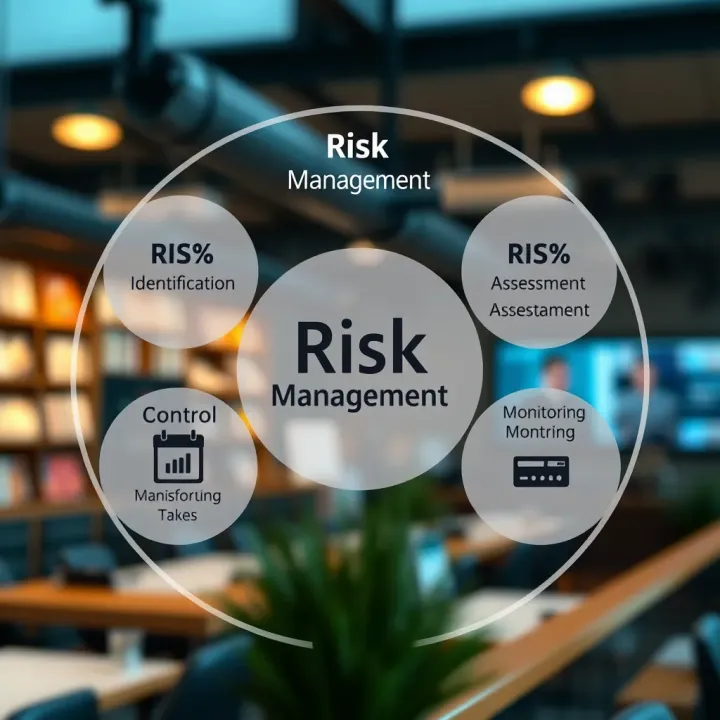
📊 Explore how risk management helps Kenyan businesses identify, assess, and control threats, protecting assets and reducing uncertainty in daily operations effectively.
Based on 10 reviews