

Financial Risk Management Explained
📊 Dive into financial risk management to grasp key concepts, types of risks, and practical tools that help businesses in Kenya manage and reduce losses.
Edited By
Benjamin Clark
Risk management policies serve as the backbone for any organisation wishing to safeguard its resources and reputation. These policies clearly explain how a company spots, evaluates, and deals with risks that could disrupt its operations or hit its bottom line. In Kenya's dynamic business environment, risks can emerge from fluctuating market prices, regulatory changes, security concerns, or even adverse weather affecting supply chains. That's why having a solid risk management policy isn't just good practice—it’s necessary.
A typical risk management policy sets out the framework your organisation follows. It defines who is responsible for managing risks, the methods used to identify and assess possible threats, and the steps taken to control or minimise these risks. For instance, a trading firm in Nairobi might include procedures for monitoring currency fluctuations and setting exposure limits, while a farming cooperative in Uasin Gishu could focus more on climate risks and pest control.

This guide will break down the components of a practical risk management policy, placing emphasis on how Kenyan businesses can adapt these principles with local realities in mind. From appointing risk owners to leveraging tools like M-Pesa for secure transactions or eCitizen platforms for compliance documentation, we aim to give readers actionable insights.
A well-crafted risk management policy doesn’t just protect your business—it builds confidence among investors, clients, and partners by showing your commitment to responsible operations.
You'll find advice on creating and regularly updating the policy, ensuring everyone knows their roles, and using the right tools to keep risk exposure in check. Whether you’re a trader, analyst, or an investor interested in Kenyan markets, understanding these foundations equips you to navigate uncertainties smarter and stronger.
A risk management policy sets the clear guidelines an organisation follows to spot, assess, and handle potential risks. Think of it as a roadmap that helps businesses avoid unnecessary surprises and losses. Without such a policy, risks might be ignored or mismanaged, leaving an organisation vulnerable.
Simply put, a risk management policy is a documented framework that outlines how an organisation identifies and deals with risks. These risks can range from financial losses, operational failures, regulatory breaches, to reputational damage. For example, a Nairobi-based logistics firm might identify delivery delays due to matatu strikes as a risk and put measures in place to minimise that impact.
Within an organisation, the risk management policy guides decision-making and resource allocation. It lays down who is responsible for monitoring risks and how to act when risks threaten the business. In a bank, for instance, the policy ensures that all employees understand their roles—from frontline tellers who spot suspicious transactions to compliance officers who ensure regulatory adherence. This promotes consistency and accountability across all levels.
Having a well-defined risk management policy brings several practical benefits. It helps reduce losses by addressing risks proactively rather than reactively. For example, a small manufacturing company in Kisumu might use its policy to regularly check equipment to avoid costly breakdowns. The policy also builds trust among investors and partners, showing commitment to managing uncertainties.
A solid risk management policy acts like a safety net, catching potential problems before they escalate and ensuring the organisation stays on track.
Besides financial gains, the policy supports compliance with local regulations and international standards, which is especially important for Kenyan businesses engaged in export or working with multinational companies. Ultimately, the policy equips organisations to handle challenges with confidence, creating a more resilient business environment.
In summary, a risk management policy is not just a formality but a practical tool that directs how risks are handled, promoting stability and growth for any organisation operating in Kenya’s dynamic economy.
A strong risk management policy lays out clear guidelines to help organisations identify, assess, and handle risks systematically. It acts like a map, showing exactly what risks the organisation faces and how to respond. Without these basic elements well defined, a policy risks becoming little more than words on paper.
The scope outlines which parts of the organisation the policy covers. This might mean all departments or just specific projects, depending on the business size and nature. For example, a financial brokerage might focus its scope on trading activities and client data, while a manufacturing firm includes supply chain and safety concerns. Objectives clarify what the policy aims to achieve—typically, protecting assets, ensuring regulatory compliance, or maintaining business continuity. Clear scope and objectives keep everyone on the same page and set the limits for risk management efforts.
This element details how to find and evaluate risks that could affect the organisation. It should include specific methods — like workshops, interviews, and data analysis — used to spot risks early. Assessment involves determining both the likelihood of a risk happening and the impact it would have. For instance, a stockbroker might assess the risk of market volatility leading to client losses or breaches in compliance due to inadequate checks. Using a risk matrix helps prioritise which risks need urgent attention, rather than treating all threats equally.
Once risks are identified and assessed, the policy must explain how they get handled. This could involve avoiding a risk altogether, reducing it through controls, transferring it via insurance, or accepting it if the cost to control is too high. A Kenyan agribusiness, for example, might use crop insurance to treat risks related to drought but invest in irrigation systems to reduce that risk as well. This part of the policy should include clear steps, responsible parties, and timelines to make sure actions are effective and timely.
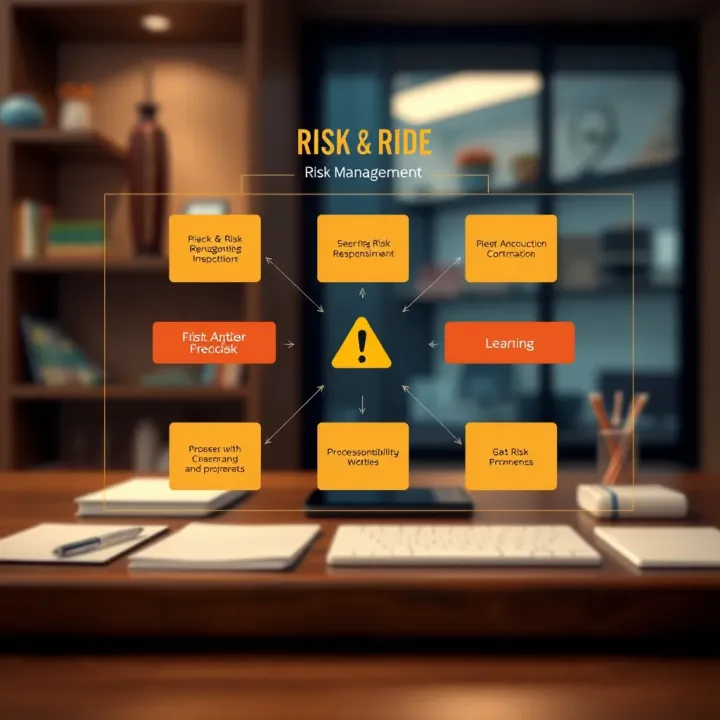
Risks change with time, so the policy must include ways to track the effectiveness of controls and update the risk profile regularly. This might involve monthly risk reports, internal audits, or quarterly reviews by a risk committee. In practice, a Kenyan bank might review its cyber security controls quarterly, especially after any incidents, to ensure they remain sufficient. Continuous monitoring also helps catch new risks early and ensures the policy remains relevant as business conditions evolve.
A risk management policy without these essential elements is like a car without a steering wheel—it's present but won’t take you where you want to go safely.
Focusing on these components makes your risk management policy useful and actionable. They provide a solid foundation for traders, investors, analysts, and brokers to understand how an organisation manages uncertainty and protects its operations in a dynamic Kenyan business environment.
Assigning clear roles and responsibilities is essential for any organisation aiming to handle risks effectively. Without defined accountability, risk management efforts tend to falter, leading to confusion or ignored threats. For traders, investors, analysts, and brokers, understanding who manages what in risk processes helps safeguard investments and strengthens decision-making.
Leadership plays the leading role in setting the tone for risk management. This means the board and senior managers must commit to risk policies, ensuring enough resources and authority are provided. A CEO in a Nairobi-based security firm, for example, might prioritise cybersecurity risks after incidents of phishing attacks have increased. Management is responsible for embedding risk considerations into daily operations and strategic planning. They approve risk appetite levels — indicating how much risk the organisation can tolerate — and oversee major risk decisions. Without solid leadership, other roles struggle to function efficiently.
Specialised risk officers or committees act as risk watchdogs. These experts continuously monitor the risk landscape, analyse data, and report to management. In a Kenyan investment company, a risk officer may use software like RiskWatch to track market volatility affecting foreign exchange portfolios. Committees provide a platform for discussion across departments, blending insights from finance, compliance, and operations. Through regular meetings, they ensure emerging risks are flagged quickly and mitigation steps are coordinated. Their impartial role helps in balancing different interests while keeping the organisation’s risk framework coherent.
Successful risk management depends on frontline engagement. Every employee, from marketers to customer service agents, encounters risks daily. Training staff to recognise and report risks early can prevent small issues from turning into major losses. Take a Jua Kali workshop where poor machinery maintenance risks personal injury or production delays; workers trained in safety protocols reduce accidents significantly. Simple reporting channels, like mobile apps or suggestion boxes, encourage continuous participation. When staff feel responsible for risk identification, organisations become more resilient and adaptive.
Clear responsibilities create a strong “risk culture” where managing uncertainties is a shared priority, not just a box to tick.
Assigning roles carefully ensures risk management isn’t left to chance but embedded in how a business operates. For those trading or investing in Kenyan enterprises, knowing these roles can inform confidence in how risks are controlled. This clarity also aligns with regulatory expectations from bodies like CMA Kenya, contributing to stronger governance across sectors.
Developing or updating a risk management policy is key for any organisation that wants to stay ahead of uncertainties. This process keeps the policy relevant and practical, reflecting current risks and operational realities. For Kenyan traders, investors, and analysts, a well-crafted policy helps spot emerging threats like market fluctuations, regulatory changes, or local economic shifts early enough to respond appropriately.
Start by taking stock of existing risks and any gaps in current controls. This requires reviewing previous risk reports, audit findings, and performance data to identify vulnerabilities. For instance, a Nairobi-based investment firm might find that its policy doesn’t fully cover cyber threats, which have become more frequent. Pinpointing such gaps ensures the updated policy addresses real issues rather than sticking to outdated assumptions.
Bringing different voices on board is crucial. This includes leadership, risk officers, departmental heads, and frontline staff who face risks daily. Involving stakeholders from the start builds ownership and surfaces diverse perspectives. A county government, for example, might consult both financial officers and community representatives to draft a policy that covers budgetary and social risks effectively.
Once risks and views are gathered, drafting the policy should be clear and concise, avoiding jargon. It must outline roles, procedures, and controls, ensuring alignment with Kenyan laws and standards. After drafting, the policy should go through internal reviews and get formal approval from senior management or the board. This process confirms commitment and ensures governance checks are in place before enforcement.
A policy is only effective if everyone understands and follows it. Roll out the updated policy through workshops, memos, or online platforms like eCitizen or internal portals. Training should be practical, illustrating how employees or members can identify and manage risks in their day-to-day work. For example, a trading company might hold sessions on recognising market manipulation signs and reporting them promptly.
Properly developing or updating a risk management policy isn’t just ticking a box; it’s embedding resilience into an organisation’s culture, especially in Kenya where economic and regulatory landscapes are constantly shifting.
Taking these steps seriously ensures your risk management policy stays a living document, tailored to the evolving challenges of the Kenyan market and business environment.
Effective risk management depends not just on having a policy but on using the right tools and techniques to apply it. These tools help organisations track, evaluate, and respond to risks promptly, avoiding costly surprises. For traders, investors, and analysts especially, relying on structured frameworks and tech solutions sharpens decision-making and boosts confidence in handling uncertainties.
A risk register is like the backbone of a risk management system. It documents potential risks, their likelihood, impact, and the responses planned or taken. For example, a stock brokerage might list market volatility, liquidity shortages, or regulatory changes in its register, noting how they plan to mitigate each. Reporting frameworks build on this by standardising how risk data flows upwards to managers and stakeholders. This ensures timely awareness and coordinated action.
Having a risk register helps organisations stay organised and accountable. In Kenya’s evolving financial markets, where conditions can shift rapidly, keeping risks in clear view supports smarter trading strategies and risk-adjusted decisions.
Regular audits provide an independent check on how well a risk management policy is working. These assessments examine whether controls are effective and if any new risks have emerged. For instance, investment firms in Nairobi periodically review their exposure to forex fluctuations or counterparty risks, adapting their policies accordingly.
Auditing can be internal or by external experts. It uncovers gaps and prompts improvements before problems grow. Regular assessments are crucial in Kenya where regulatory requirements may change and economic conditions can shift quickly due to political or weather-related events.
Technology has become a game-changer in managing risks efficiently. Multiple software platforms now offer tailored risk management features such as real-time risk monitoring, automated alerts, and scenario analysis. A Nairobi-based asset manager, for example, might use specialised software to track portfolio risks and compliance with KRA regulations.
These tools often integrate with existing systems like accounting software or trading platforms, reducing manual errors and speeding up response times. Mobile accessibility is vital too, enabling risk officers to update information on the go, particularly when attending to fast-moving market situations.
Using the right mix of risk registers, audits, and technology not only organises risk management but transforms it into a proactive exercise. This approach helps Kenyan businesses and investors stay one step ahead in a dynamic environment.
In summary, equipping a risk management policy with solid tools ensures risks are captured, analysed, and controlled effectively. Whether you are a trader, an analyst, or a broker in Kenya, these practical techniques make handling uncertainty manageable and less daunting.
Risk management policies are not one-size-fits-all. Kenyan businesses and public sector organisations face unique challenges that need specific strategies. Tailoring risk policies to these local conditions enhances their effectiveness and reduces the chance of overlooking significant threats.
Kenya has specific laws and guidelines that shape how organisations manage risk. For example, the Public Finance Management Act sets clear rules for government entities on financial controls and accountability. Similarly, private firms must adhere to regulations from bodies like the Capital Markets Authority (CMA) and the Kenya Revenue Authority (KRA). Ignoring these can expose organisations to fines or operational delays.
Local compliance isn’t just about ticking boxes; it helps create realistic policies that protect against actual legal and reputational risks. Businesses should stay updated on amendments to regulations and ensure their policies reflect current requirements. For instance, the Data Protection Act demands stringent measures for handling personal data, which Kenyan companies must integrate into their risk controls.
Kenya’s economy presents particular risks that policy makers must consider. Informal sectors like jua kali dominate many supply chains, bringing uncertainty in quality and delivery times. Political cycles and occasional unrest can disrupt operations, especially around election seasons.
Moreover, infrastructural challenges such as unreliable power or poor road networks directly impact how risks are managed. Mobile money fraud is another modern challenge requiring dedicated attention in risk policies to safeguard financial transactions. Understanding these specifics helps organisations craft policies that go beyond generic approaches, targeting the most pressing vulnerabilities.
Several Kenyan firms illustrate effective adaptation of risk policies. Safaricom, Kenya’s largest mobile operator, integrates cyber risk management deeply into their policies due to their heavy reliance on digital platforms like M-Pesa. They routinely update procedures in response to emerging fraud tactics.
On the public sector side, the Nairobi City County has developed risk policies focusing on service delivery interruptions and emergency response, considering traffic congestion and natural disasters common in urban centres. These policies include clear roles for county officials and communication plans for residents.
Adapting risk management policies to Kenya's local reality isn’t optional — it’s a necessity for resilience and sustained growth.
By reflecting local laws, economic conditions, and sector-specific challenges, Kenyan organisations can create risk management policies that truly protect their goals and stakeholders.
📊 Dive into financial risk management to grasp key concepts, types of risks, and practical tools that help businesses in Kenya manage and reduce losses.
Learn how risk management helps Kenyan businesses handle uncertainties and protect their interests with practical tips and strategies. 📊🔒
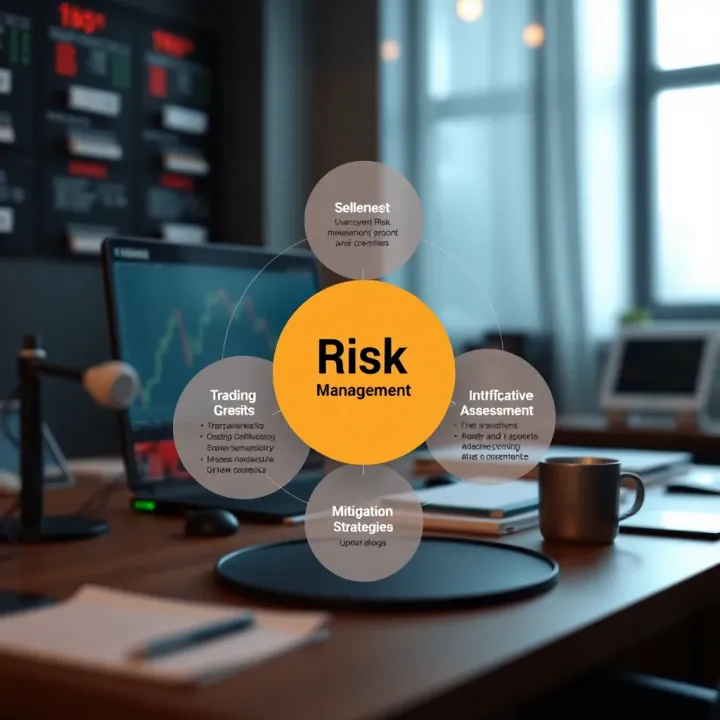
🔍 Explore how Kenyan businesses manage risks with clear definitions, key strategies, and real-life examples to safeguard goals and improve operations.

🌍 Explore disaster risk management in Kenya, key strategies, stakeholder roles, challenges faced, and practical ways to boost community resilience and preparedness.
Based on 10 reviews