

Financial Risk Management Explained
📊 Dive into financial risk management to grasp key concepts, types of risks, and practical tools that help businesses in Kenya manage and reduce losses.
Edited By
Isabelle Foster
Project risk management is vital for any venture, whether you’re running an investment deal, developing infrastructure, or launching a startup in Kenya’s bustling business environment. It means spotting things that could go wrong, figuring out how bad these problems could be, and taking steps to keep the project on track.
At its core, project risk management involves four main stages: identifying risks, assessing their potential impact and likelihood, planning responses, and monitoring risks as the project progresses. A trader considering a new market, for instance, might identify exchange rate fluctuations or regulatory changes as risks. Assessing these risks helps determine if they could wipe out profits or simply cause minor delays.

Effectively managing risks does not mean avoiding them altogether. It’s about making informed decisions so you can either reduce the chances of negative events or respond swiftly when problems arise.
In Kenya, specific risks often impact projects: political instability during election periods, delays caused by infrastructure challenges, or cash flow interruptions given the dominance of mobile money like M-Pesa. For example, a construction project might experience delays due to unavailable building materials following import restrictions. Recognising this beforehand allows the project manager to source alternative suppliers or adjust timelines.
To handle project risks practically:
Catalogue risks from previous similar projects or consult industry experts.
Prioritise risks based on their effects and how likely they are to happen.
Create risk response plans, such as insurance coverage for financial setbacks or contingency funds.
Assign clear responsibilities for monitoring and responding to risks.
Using tools like risk registers and project management software helps to keep track of emerging issues and ensures the team does not overlook early warning signs. Investors and analysts can use this information to make better calls about where to put their money.
Project risk management is the process of spotting, assessing, and handling uncertainties that could throw a project off course. In Kenyan business or investment environments, these risks might stem from fluctuating market prices, delays in procurement, or policy changes. Managing these factors well helps keep projects on budget and on schedule, ensuring better results.
Project risk refers to any potential event or condition that can affect a project's goals—whether through delays, cost overruns, or lower quality. For example, a construction project might face risks like sudden material shortages or unavailability of skilled labour due to competing contracts. These risks can be internal, like resource gaps, or external, such as unexpected regulatory changes by Kenyan authorities.
Risk management involves identifying those risks early, analysing their likelihood and impact, then planning responses to minimize harm or exploit opportunities. It's not about avoiding risk altogether but balancing it smartly. For instance, an investor in an agribusiness project might hedge against drought risk by investing in irrigation systems, thus managing environmental uncertainties effectively.
Ignoring risks can lead to wasted resources or complete failure. A Kenyan tech startup that launches an app without considering data privacy laws might face fines or user loss. Poor risk handling in such cases can reduce investor confidence and stall growth. Similarly, infrastructure projects delayed by unforeseen supply chain disruptions cause budget blowouts and stakeholder dissatisfaction.
By being proactive, project teams can reduce surprises and adapt faster when challenges arise. This leads to better decision-making and increases chances of success. In practice, regularly updating a risk register and involving all team members helps spot issues early. Kenyan firms that adopt such practices often navigate economic shifts or political uncertainties more smoothly, protecting investments and reputation.
Effective project risk management turns potential problems into manageable tasks, increasing the likelihood that projects not only meet but exceed expectations.
Understanding these basics lays the foundation for seeing how risk management fits into the bigger picture of successful project delivery in Kenya's dynamic market.
Understanding the common types of project risks helps traders, investors, and analysts prepare better for uncertainties that can disrupt project success. Recognising these risks early allows for practical planning to reduce losses and improve outcomes. In Kenya, projects often face a mix of internal and external challenges making this knowledge crucial for managing risks effectively.
Resource availability and skills gap: One major internal risk is insufficient resources or team members lacking the right skills. For example, a construction project in Nairobi may stall if skilled masons or engineers are unavailable due to demand or strikes. This shortage can lead to delays and higher costs as new staff must be recruited or trained. Businesses must assess resource availability and invest in capacity building to avoid such setbacks.
Budget constraints and timeline issues: Projects often struggle to stay within budget or meet deadlines. For instance, a tech startup rolling out a new app might face unexpected expenses for software licences, forcing cutbacks in marketing or support teams. Equally, delays caused by supplier issues or slow approvals can extend timelines, increasing operational costs. Monitoring budgets closely and preparing realistic schedules help reduce the risk of overruns, especially where cash flow is tight.
Regulatory changes and compliance risks: Changes to laws or regulations in Kenya can disrupt projects abruptly. A renewable energy company might find new environmental standards needing expensive equipment upgrades. Similarly, tax policy shifts by the Kenya Revenue Authority affect project financing. Staying updated on regulatory developments and building compliance processes into projects keeps work smooth and avoids penalties.

Market and economic fluctuations relevant to Kenya: Economic swings directly impact project viability. For example, a property development in Mombasa may suffer if interest rates rise sharply, discouraging buyers from taking loans. Currency depreciation can also inflate costs for imported materials. Understanding local market trends and planning for economic shifts through flexible contracts or reserves is wise.
Environmental and social factors: Weather patterns and community relations are key external risks. Long rains might delay roadworks, while social tension in a county can disrupt supply lines. A farming project in Rift Valley might face crop failure due to drought, threatening timelines and revenue. Engaging local communities and having contingency plans for environmental disruptions reduce the impact of these risks.
Identifying and addressing both internal and external risks improves project resilience, especially in Kenya where local contexts can shift rapidly. Practical risk management saves time and resources, making projects more sustainable and attractive to investors.
Understanding these risks is essential for anyone invested or involved in project management to anticipate challenges and plan adequately for success.
Managing risks effectively relies on following core steps that guide projects from start to finish. These steps help teams spot problems early, evaluate their importance, plan how to handle them, and keep track as the project moves on. Kenyan projects, whether in Nairobi or upcountry, benefit greatly from this structured approach to dodging potential setbacks.
Getting to know risks early saves trouble later on. Techniques like brainstorming with project teams, reviewing past project lessons, or checking the project's environment help spot possible risks. For instance, a construction project in Mombasa might flag coastal weather changes as a risk early on, allowing adjustments before costs skyrocket.
Engaging stakeholders at this stage is key. People involved in or affected by the project—clients, suppliers, local authorities—can spot risks that the core team might miss. For example, suppliers might warn about material shortages during the long rains, which could delay schedules. Their insights help create a fuller risk profile.
After spotting risks, it’s important to analyse both how bad they could get and how likely they are to happen. Qualitative analysis relies on subjective judgements, such as expert opinions or risk ranking scales, whereas quantitative analysis uses numbers and data, like calculating probable financial losses.
Deciding which risks matter most requires prioritising based on that analysis. For example, a risk about potential policy changes affecting imports might be less likely but would have a huge impact if it occurred. Focusing on such high-impact risks ensures resources are used where they can prevent the biggest harm.
Mitigation means taking steps to reduce a risk’s chance or damage. This might include diversifying suppliers to avoid delays or training staff to handle new technologies. In Kenya's fast-changing market, such preparation is practical and saves costs.
Contingency planning prepares projects to act if risks become reality. For example, having backup equipment suppliers or a reserve budget can keep a project afloat if a main resource falls through. This readiness avoids panic and rushed fixes.
Risks don’t stay still—tracking their status and signs helps catch changes early. This might involve regular meetings to update the risk register or monitoring indicators like price shifts on key materials.
Plans must also adjust as risks evolve. If a risk grows or new risks appear, the response should change accordingly. For instance, political unrest in a region might require shifting delivery routes or altering timelines. Staying flexible keeps projects resilient.
When it comes to project risk management, sticking to these core steps equips you to act early, plan wisely, and adapt quickly—the essentials for success in Kenya's dynamic business world.
Using the right tools and techniques simplifies how project risks are handled, making it possible for teams to stay ahead of potential problems. These methods help organise, assess, and communicate about risks clearly throughout the project's lifecycle. Practical tools not only provide structure but also boost accountability and enable better decision-making by presenting risk data in accessible ways.
A risk register acts as the project’s central record for all identified risks, detailing each risk’s nature, its severity, and how the team plans to address it. Documenting risks ensures nothing slips through the cracks. For example, a construction project team in Nairobi might list delays in material delivery as a risk, note its likelihood and impact on the timeline, then describe steps such as sourcing alternative suppliers or adjusting schedules.
This register provides practical benefits beyond mere documentation. It serves as a living document that teams regularly update and refer to, so everyone, from project managers to field staff, knows the current risk status. The clarity it offers improves coordination, prevents misunderstandings, and enables rapid reactions when new risks emerge or existing risks change.
Regular communication is key, and the risk register is a handy tool for this purpose. By sharing updated registers during meetings, teams keep risk discussions grounded in facts and avoid assumptions. This shared understanding supports collaboration, as members see what others are doing to manage risks and can offer input or assistance when necessary. For Kenyan SMEs and larger organisations alike, this transparency strengthens trust and accountability within teams.
Digital tools with built-in risk management features have become popular for simplifying risk tracking and analysis. These platforms allow users to automate risk status updates, set alerts for risk triggers, and visualise risk levels through charts or heat maps. By reducing the manual workload, project teams save time and reduce human error in keeping risk information current.
For example, Kenyan enterprises using project management software like Microsoft Project or Trello integrated with risk tracking plugins can handle multiple risks simultaneously, helping to maintain steady progress despite challenges. For smaller businesses, accessible platforms like Asana or even Google Sheets, customised with dropdowns and data validation, can effectively manage risks without heavy investment.
Choosing the right technology depends on the project's scale and complexity. Kenyan SMEs need solutions that are affordable, easy to learn, and compatible with common devices such as laptops and smartphones. Additionally, integration with other tools like M-Pesa payment systems can help streamline budget monitoring alongside risk control. Thoughtful use of these tools can make a significant difference in risk management, helping projects stay on track even in volatile environments.
An effective combination of risk registers and appropriate software tools enhances the ability of project teams to anticipate, communicate, and respond to risks quickly and efficiently, especially in dynamic markets like Kenya's.
Managing project risks in Kenya comes with unique challenges that traders, investors, and analysts must consider to avoid disruptions and losses. Understanding these challenges helps in creating realistic plans and effective mitigation strategies tailored to the local business environment.
Kenya’s infrastructure shortcomings often create bottlenecks in project execution. For example, unreliable road networks can delay delivery of critical equipment or materials to construction sites, raising costs and pushing timelines. Limited access to reliable electricity in some regions forces projects to rely on costly generators or alternative energy solutions.
Logistical hurdles such as customs delays at border points also affect supply chains. Traders dealing with imported goods face risks around clearance times and unexpected fees, which impact cash flow. This makes it necessary to factor in buffer times and work closely with logistics providers who understand local quirks to keep the project moving.
Political risks in Kenya, such as sudden changes in government policies or election-related tensions, can disrupt projects considerably. For instance, an infrastructure project may face delays or revisions in approvals if a new administration alters priorities or regulations.
Regulatory environments can change with little notice, affecting industries like manufacturing or export. Investors need to track updates from bodies like the Kenya Revenue Authority (KRA) or the National Environment Management Authority (NEMA) to anticipate compliance changes. This awareness prevents unexpected fines or shutdowns due to non-compliance.
A common challenge in Kenya is the limited availability of specialised skills within project teams. Many projects suffer delays because locally available personnel lack experience in complex areas such as project risk analysis or advanced technology management.
For instance, a tech start-up expanding operations may struggle to find qualified IT security experts, risking data breaches. Organisations benefit from investing in continuous training or partnering with local universities and training institutions to build these skills in-house.
Handling risks effectively requires dedicated resources, but many Kenyan businesses operate on tight budgets. Projects may lack adequate funding to implement comprehensive risk mitigation measures like advanced monitoring tools or insurance cover.
Small and medium enterprises (SMEs), in particular, feel this pinch. Without sufficient financial buffers, they tend to under-budget for risk contingencies, resulting in either project delays or quality compromises when risks materialise. Adopting phased funding and proactive financial planning helps manage these constraints better.
In Kenya’s dynamic environment, recognising and planning for local challenges around infrastructure, politics, skills, and finances is key to steering projects clear of avoidable setbacks.
By understanding these context-specific risks and resource limitations, project stakeholders can make informed decisions and design risk management approaches that reflect Kenya’s realities. This practical insight strengthens resilience and increases the likelihood of successful project completion.
Project risk management works best when built on solid best practices, especially in a fast-moving and sometimes unpredictable market like Kenya’s. Following tried and tested approaches makes it easier to spot risks early, react wisely, and keep projects on track even when challenges arise. For traders, investors, analysts, and brokers, understanding how these practices operate gives an edge in handling uncertainty and protecting project value.
Encouraging open communication about risks is vital for a risk-aware culture. Rather than sweeping issues under the carpet, team members should feel comfortable raising potential problems early. In the Kenyan business environment, where factors such as regulatory shifts or supply chain disruptions might occur abruptly, teams that openly discuss risks are faster at spotting threats and avoiding costly surprises. For example, a Nairobi-based logistics firm that holds regular risk discussion sessions is more likely to prepare for fuel shortages or roadblocks during rainy seasons.
Integrating risk management into daily project activities means it’s not an afterthought but a part of routine work. Teams should naturally consider risks in their daily decisions—from budgeting to scheduling to supplier choices. By embedding this mindset, a construction company in Mombasa, for example, might regularly assess weather forecasts, local community feedback, and labour availability, adjusting work plans promptly to avoid delays. This ongoing vigilance cuts down on last-minute chaos and strengthens project resilience.
Equipping project teams with risk management skills ensures everyone understands how to identify, evaluate, and respond to risks. This practical knowledge is especially important in Kenya, where many projects face unique local challenges such as fluctuating market prices or changing government policies. Training sessions that use real case studies—like a fire outbreak affecting a warehouse or sudden tax law changes impacting project finances—help teams develop relevant skills. This preparation reduces reliance on guesswork and boosts confidence.
Utilising local and international expertise enriches the team’s risk management capacity. Local experts offer insight into specific risks like political sensitivities or community engagement issues, while international specialists can introduce global best practices and tools. For instance, a Kenyan agricultural investor might combine advice from local agronomists familiar with drought patterns and international consultants with experience in tech-driven irrigation solutions. This blend helps projects navigate both familiar and novel risks effectively.
Establishing these best practices creates a proactive, adaptable environment that better handles uncertainties in Kenyan projects, safeguarding investments and fostering success.
By fostering a culture that openly addresses risks, embedding risk checks in daily work, and continually building team capacity with both local knowledge and international insights, projects become stronger and better prepared for whatever challenges arise.
📊 Dive into financial risk management to grasp key concepts, types of risks, and practical tools that help businesses in Kenya manage and reduce losses.
Learn how risk management helps Kenyan businesses handle uncertainties and protect their interests with practical tips and strategies. 📊🔒
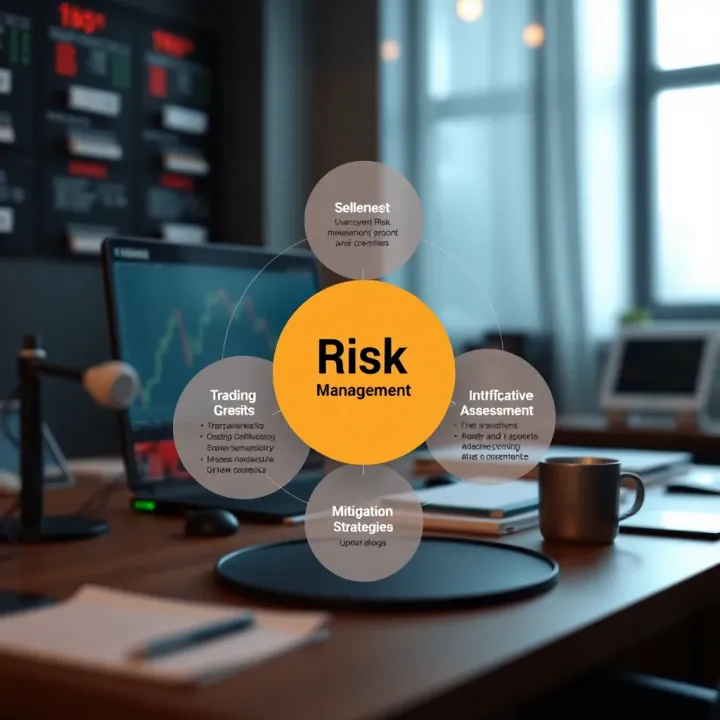
🔍 Explore how Kenyan businesses manage risks with clear definitions, key strategies, and real-life examples to safeguard goals and improve operations.
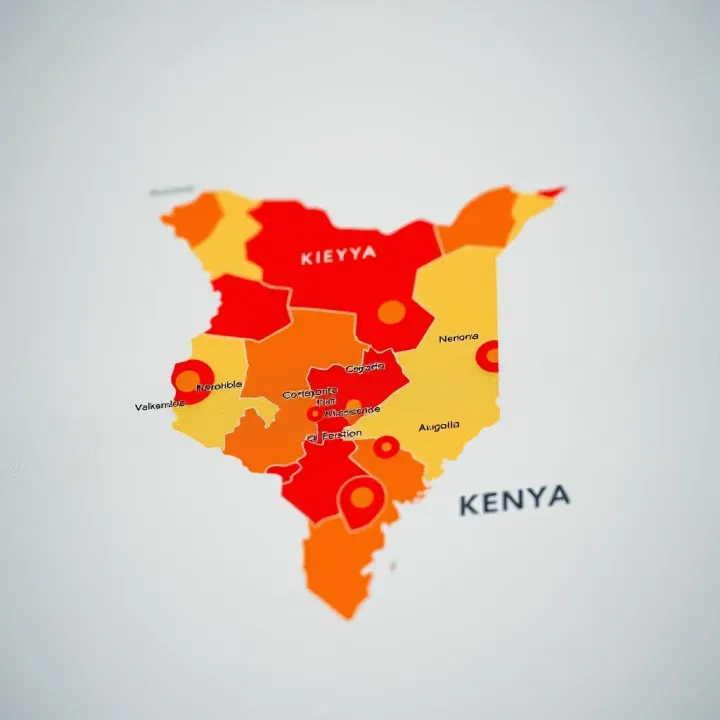
🌍 Explore disaster risk management in Kenya, key strategies, stakeholder roles, challenges faced, and practical ways to boost community resilience and preparedness.
Based on 11 reviews