

Effective Risk Management Planning for Kenyan Businesses
📊 Learn how Kenyan businesses can plan for risks effectively, managing financial and operational challenges with practical steps and local insights to stay resilient.
Edited By
Ethan Collins
Risk management is central to keeping any business steady, especially in Kenya’s ever-shifting economic landscape. Traders, investors, analysts, brokers, and enthusiasts all face uncertainties—from fluctuating forex rates and changing government policies to unpredictable weather that impacts supply chains. Understanding risk management processes helps businesses prepare for these challenges instead of reacting blindly.
A practical approach breaks risk management into four key stages: identification, assessment, response, and monitoring. Each step builds on the previous one, ensuring risks are not just spotted but effectively tackled.

Businesses need to scan both internal and external environments to spot risks early. For example, a Nairobi-based exporter might identify currency volatility and international shipping delays as critical threats. Tools such as SWOT analysis or risk checklists can crystallise where vulnerabilities lie.
After listing risks, it’s important to evaluate their potential effect and likelihood. Assigning scores or using qualitative measures helps prioritise efforts. For instance, power outages affecting manufacturing plants in Eldoret might score high in impact but moderate in frequency, directing attention accordingly.
Responses range from mitigating risks to transferring or accepting them. A tea farm could use irrigation to reduce drought risks or take insurance cover for crop loss. For financial risks, currency hedging or diversifying suppliers spreads exposure.
Risk management is not a one-time fix. Continuous tracking using KPIs or risk registers ensures businesses stay alert to new developments. Regular reviews allow updating strategies as threats evolve, such as adapting to new county regulations affecting trade.
Risk management is an ongoing process that requires vigilance, flexibility, and local understanding to protect business resources and reputation.
In Kenya’s dynamic market, those who integrate solid risk management systems can better secure their operations against unexpected shocks, improving their chances of staying competitive and profitable.
Understanding the foundations of risk management is essential for Kenyan businesses aiming to navigate the uncertainties of their operating environment. These foundations provide the framework to identify potential risks, evaluate their severity, and plan appropriate responses. For traders, investors, and analysts, a solid grasp of these basics enables smarter decision-making and better protection of assets in a market that is often volatile, such as the Nairobi Securities Exchange (NSE).
Risk manifests in various forms, each demanding specific attention. Common types include operational risks, such as machinery breakdowns or staffing shortages; financial risks, like currency fluctuations or credit defaults; and strategic risks, involving poor market positioning or regulatory changes. For example, a tea exporter in Kericho faces currency risk when the Kenyan shilling weakens against the dollar, affecting export earnings. Similarly, a real estate developer in Nairobi might grapple with regulatory risk, as county building approvals can cause delays or additional costs.
Kenyan businesses operate amid several unique challenges including political shifts, infrastructure gaps, and evolving regulations. In sectors like agriculture or manufacturing, weather variability and supply chain disruptions are significant threats. Managing risk isn’t just about avoiding losses; it enables firms to sustain operations during downturns, secure financing from institutions like banks or microfinance providers, and maintain customer confidence. For instance, a SME that anticipates cash flow risks through budgeting and contingency planning is better positioned to survive a season of low demand without defaulting on loan obligations.
Businesses that adopt a proactive risk management stance identify and address threats before they spiral. This might involve regular risk assessments or scenario planning exercises where management teams simulate events like supply shortages or sudden interest rate hikes. By contrast, reactive approaches, while sometimes unavoidable, often lead to higher costs and lost opportunities. Consider a Nairobi-based tech startup that installs regular cybersecurity checks compared to one that only responds to breaches once detected; the former reduces downtime and costly data losses.
Risk is inseparable from opportunity. Successful businesses don’t just avoid risk; they weigh it against potential gains. This balance means accepting certain risks where rewards justify them. For Kenyan investors, this could mean investing in the jua kali sector despite its informal nature, recognising the demand and growth potential. Similarly, exporters may decide to enter new East African Community (EAC) markets understanding the political and logistical risks involved but attracted by increased trade access. Careful evaluation helps allocate resources where the potential upside outweighs the downside.
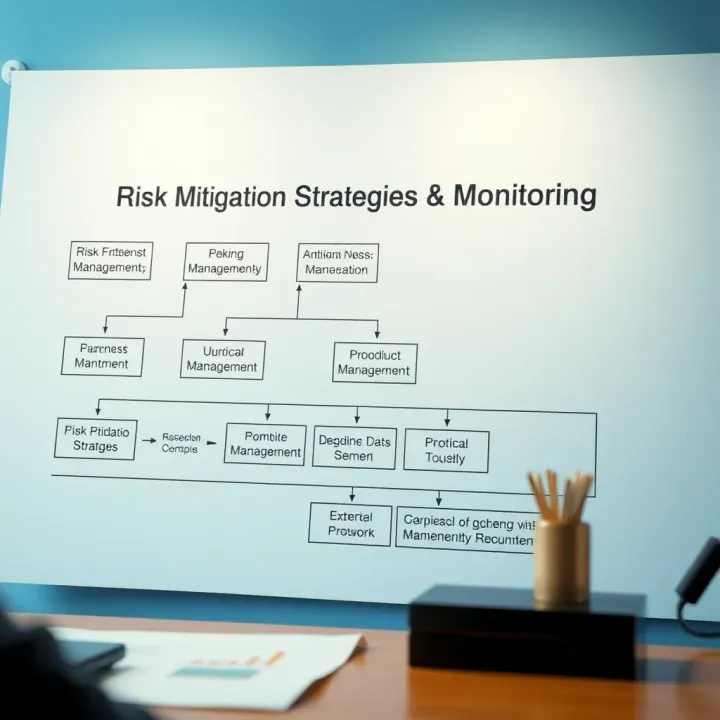
Effective risk management is not about eliminating risk entirely but about understanding, controlling, and making informed choices that ensure business resilience and growth.
Risk types include operational, financial, and strategic threats with unique implications.
Proactive management reduces unexpected shocks, while reactive responses often cost more.
Balancing risk with opportunity drives informed business expansion and investment.
By mastering these basic concepts, Kenyan businesses can lay a firm foundation for more advanced risk management processes that protect their investments and sharpen competitive advantage in a dynamic market.
Effective risk identification is a vital first step in managing threats before they hurt your business. Kenyan traders, investors, and analysts need to spot risks early — this helps avoid surprises, keeps operations smooth, and protects investments. Without a clear view of what risks lie ahead, businesses can’t prepare or respond properly.
Risks come from inside and outside your business. Internal risks are things like staff turnover, system failures, or cash flow problems. For example, a Nairobi-based retail shop might face internal risks if their stock management system jams, leading to lost sales. External risks include market changes, government policy shifts, or even natural events like floods during the long rains that disrupt supply chains.
Recognising both types helps businesses stay alert. A construction firm in Mombasa, for instance, might track customer payment delays (internal) while also monitoring changes in import taxes that affect their materials cost (external). This dual awareness forms the foundation of solid risk management.
Many Kenyan SMEs rely on practical tools to uncover risks. Checklists cover known risk areas based on past experience or industry knowledge. For example, a checklist for a transport company might include vehicle maintenance status, driver certifications, and route security.
Interviews and workshops bring real voices into the process. Managers might interview frontline staff who understand daily challenges, or hold workshops where team members brainstorm risks. These interactive sessions often reveal hidden risks—like a staff member pointing out that a supplier regularly delays goods during festival seasons, which impacts deliveries.
Experienced Kenyan businesses use lessons from past problems as a guide. A popular Nairobi restaurant may notice that months with power outages see a drop in customers. Using this data, they could invest in a generator or adjust delivery schedules on risky days. Learning from such incidents helps reduce repeat mistakes and keeps businesses nimble.
Beyond local examples, companies that systematically document incidents and responses build a rich database of what works and what doesn’t. This knowledge is invaluable for risk prediction and decision-making.
Risk identification isn’t just backward-looking; it must include future-focused scanning. Businesses should watch their industry for shifts like changing consumer preferences, emerging competitors, or new regulations. For example, Kenyan investors in real estate need to keep an eye on urban planning policies announced by county governments, as these affect property values.
Similarly, traders dealing in agricultural goods may track weather trends and global commodity prices. By weaving these insights into regular risk reviews, businesses stay ahead of challenges rather than being caught flat-footed.
Successful risk identification is about combining facts, feedback, and foresight. Kenyan businesses that master these techniques gain a clearer picture of threats and can navigate uncertainty with confidence.
Assessing and prioritising risks is a vital phase in managing uncertainties for Kenyan businesses. Once you identify potential risks, knowing their likelihood and potential impact allows you to focus resources on challenges that could cause the most harm or opportunity loss. This step ensures time and money aren’t wasted trying to manage every risk equally but rather on those that truly matter.
Risk evaluation involves estimating how likely a risk is to happen and what consequences it could bring. There are two main ways to do this: qualitative and quantitative assessment. Qualitative assessment uses descriptive scales like “low”, “medium”, or “high” to categorise risk levels, often based on expert judgement or team consensus. This is ideal for small and medium enterprises (SMEs) in Kenya where detailed data may be scarce but practical decisions need to be made swiftly.
Quantitative assessment, on the other hand, assigns numerical values to probabilities and impacts, relying on data such as past financial losses, failure rates, or market trends. For example, an investor analysing currency fluctuation risk might use historical exchange rate data to estimate potential losses in KSh.
For Kenyan SMEs, scoring risks effectively means balancing simplicity with accuracy. Many SMEs find it challenging to access detailed risk data, so a straightforward scoring system—combining probability and impact ratings on a scale from one to five—can help. Imagine a Nairobi-based retailer assessing supply delays: if delays happen often (score 4) and cause significant stock-outs (score 5), the combined risk score (20) points to urgent attention.
Risk matrices or heat maps visually display risk scores by mapping likelihood against impact. This helps businesses quickly identify which risks lie in the "red zone"—those most likely and most severe. For instance, a small export company in Mombasa might use a heat map to spot that port strikes (high likelihood and high impact) deserve immediate mitigation, unlike rare electricity outages with minimal effect.
A focused risk matrix directs efforts where they count most, avoiding the common pitfall of chasing low-priority issues.
Focusing on high-impact and high-likelihood risks ensures resources tackle the biggest threats first. Kenyan firms often face operational risks such as unreliable power supply and regulatory changes. By prioritising, a farming cooperative might channel funds into backup generators rather than less urgent matters like office equipment renewal. This approach sharpens decision-making and helps protect business continuity.
Overall, assessing and prioritising risks lays a strong foundation for efficient risk management in Kenya’s dynamic market. It guides businesses to act decisively and allocate efforts wisely, making it easier to safeguard profits and reputation.
Developing and implementing risk responses is a turning point in the risk management process. After identifying and assessing risks, businesses need clear strategies to handle those risks effectively. This step helps limit potential losses and ensures that opportunities aren’t missed because of unchecked threats. Implementing risk responses promptly can safeguard not only a company’s finances but also its reputation and long-term sustainability.
There are four main ways to manage risks: avoidance, reduction, sharing, and acceptance. Avoidance means steering clear of risky activities altogether. For example, a Kenyan business might avoid importing goods from a country with unstable political conditions to prevent supply chain disruptions. Reduction involves taking steps to lessen either the likelihood of a risk or its impact. This could be regularly maintaining company vehicles to reduce the chance of breakdowns affecting delivery schedules.
Sharing risk means spreading it among others, often through insurance or partnerships. Many Kenyan SMEs buy covers through local insurers like CIC or APA to protect themselves against fire or theft. Acceptance is about recognising some risks as unavoidable or too costly to mitigate and deciding to accept them while preparing contingencies. For instance, small retailers might accept occasional power outages but invest in generators as backup.
In Kenya’s business context, these strategies must fit local realities such as infrastructure challenges, regulatory changes, and market fluctuations. Traders in Nairobi’s Westlands area might use risk sharing by partnering with delivery services like Glovo to handle logistics risks. Meanwhile, a flower farm in Naivasha could focus on risk reduction by installing weather monitoring systems to prepare for unusual climate shifts that threaten harvests.
Designing risk mitigation plans involves creating specific actions to reduce identified risks. These plans should detail what needs to be done, who is responsible, and how progress is monitored. For example, a brokerage firm could develop a plan to minimise fraud risk by requiring dual approvals on client fund transfers and conducting regular internal audits. Planning ensures that risk responses are not just ideas but become embedded actions.
Ensuring staff awareness and training is just as important. Even the best-designed risk controls fail if employees don’t understand or follow them. Regular training sessions and clear communication build a culture where risk management is everyone's responsibility. A jua kali metalworker, for instance, can be trained on safely handling welding equipment to reduce injury risk. In bigger businesses, senior management can hold periodic meetings to reinforce risk policies and update teams on emerging risks.
Effective risk response requires not only solid strategies but also consistent execution and active involvement from all levels of an organisation.
Integrating these approaches strengthens a company’s resilience. Kenyan businesses that invest in thorough risk response development and operational integration stand a better chance of weathering shocks and maintaining growth in a demanding market environment.
Monitoring, reviewing, and communicating risk management are ongoing tasks that keep a business alert and responsive. For Kenyan businesses, regular follow-up is not just a box-ticking exercise but a way to catch risks early and adapt to changes in the market or operational environment. This stage ensures that risk controls remain effective and that no new threats slip under the radar. Communicating these findings keeps everyone in the company informed and invested in risk awareness.
Regular reviews and audits help firms check if their risk controls work as intended. For example, a small Nairobi-based manufacturing firm might schedule quarterly internal audits to verify safety procedures and compliance with labour laws. These reviews spot gaps early, like machinery needing maintenance before it causes an accident. Such audits act like a health check-up for the business, ensuring that risk strategies stay practical and up-to-date amid changing circumstances.
Key performance indicators (KPIs) for risk give businesses concrete measures to track risk over time. Kenyan firms could set KPIs like incident frequency rates, percentage of corrective actions completed on time, or downtime caused by risk events. Tracking these numbers allows management to see if risks are rising or falling and to justify investment in better controls. KPIs tie risk management to business success, making it easier to prioritise resources.
Reporting to management and staff builds transparency and accountability. Clear, regular risk reports inform leadership where problems lie and which controls require strengthening. At the same time, sharing risk information with staff helps them understand their role in prevention. For example, a supermarket chain in Mombasa can send weekly risk summaries via internal messaging platforms, highlighting new threats like supply chain disruptions or theft incidents. This keeps everyone alert and ready to act.
Building a risk-aware culture means encouraging everyone to see risk management as part of their everyday work. This culture grows through continuous dialogue, training, and recognising staff who spot and manage risks well. In Kenyan businesses, this might mean including brief risk discussions in morning meetings or creating suggestion boxes where employees can flag concerns anonymously. When staff feel responsible and informed about risks, actual incidents tend to decrease, saving the company time and money.
Keeping risk management active through monitoring, reviews, and communication turns it from a one-off task into a dynamic process that safeguards the whole business.
Regularly tracking performance and engaging every team member fosters a resilient and aware business environment that can handle uncertainty better. This approach is particularly useful in Kenya, where market conditions and regulations can shift quite quickly.
📊 Learn how Kenyan businesses can plan for risks effectively, managing financial and operational challenges with practical steps and local insights to stay resilient.
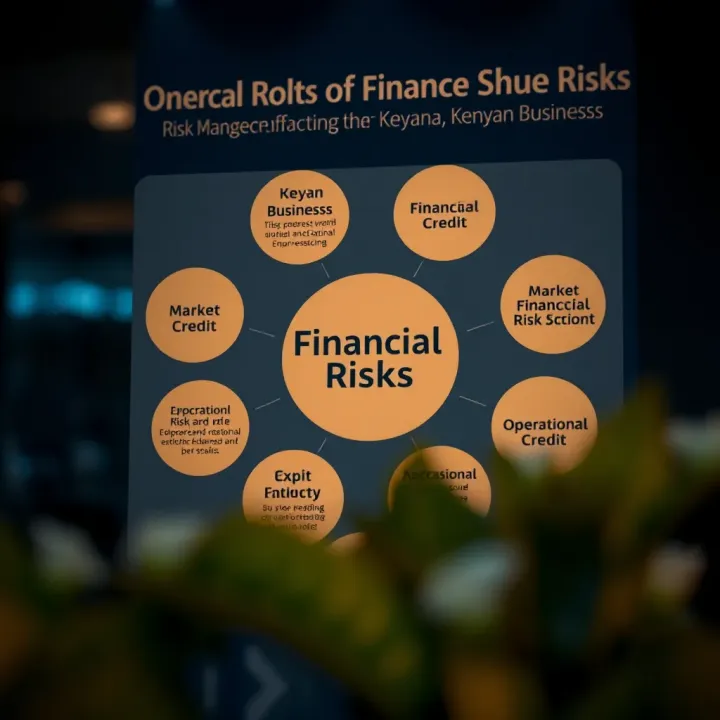
📊 Master financial risk management for Kenyan businesses. Learn key risks, control methods, SME challenges, and how regulatory bodies protect your financial health. 💼
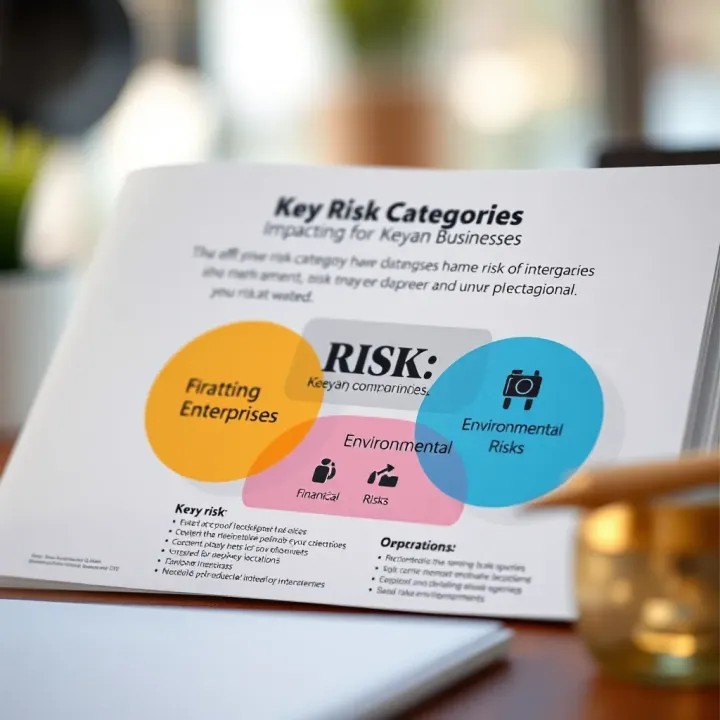
Discover practical risk management strategies Kenyan businesses can use to identify, assess, and control risks. Strengthen your firm’s resilience and protect investments today 📊🛡️

Learn effective risk management methods for Kenyan businesses 🏢🌍 covering financial safeguards, compliance, and tech use to reduce losses and boost growth confidently.
Based on 12 reviews