
Understanding Risk Management in Business
🔍 Explore how Kenyan businesses manage risks with clear definitions, key strategies, and real-life examples to safeguard goals and improve operations.
Edited By
Benjamin Clark
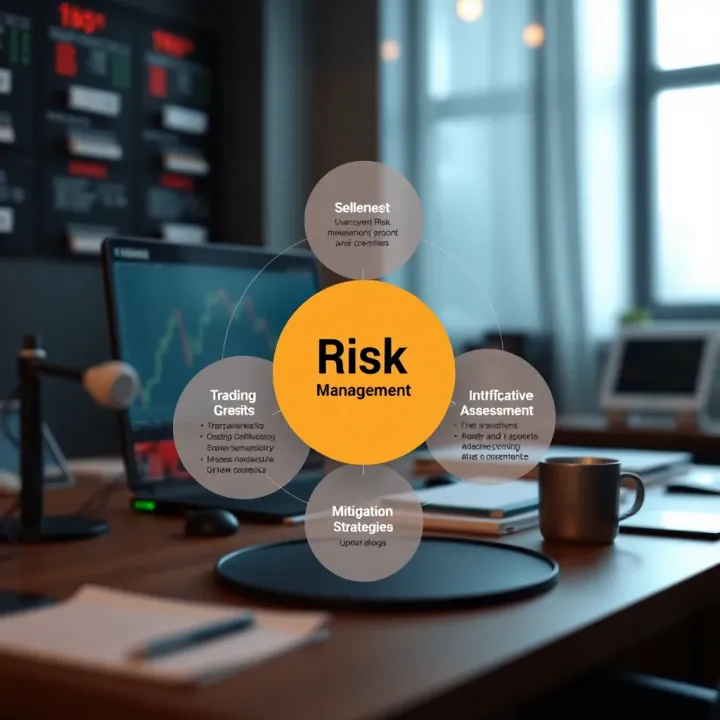
At its core, risk management involves three steps: identifying risks, assessing how serious they are, and deciding how to manage or reduce them. Take, for example, a matatu operator who faces risks like road accidents or vehicle breakdowns. By spotting these risks early, they can plan for maintenance scheduling and driver training to lower the chance of losses.
In Kenya, particular challenges such as currency fluctuations, fluctuating fuel prices, and regulatory changes frequently affect traders and investors. Therefore, knowing how to evaluate risk exposure in these areas is vital for business survival and profitability.
Practical risk management isn't about avoiding risk completely but managing it wisely to support sustainable growth and avoid disruption.
There are several common strategies to handle risks:
Avoidance: Steering clear of choices with unacceptable risks, for example, a farmer avoiding maize during erratic rains.
Mitigation: Taking steps to reduce risk impact, such as installing surveillance cameras in a duka to prevent theft.
Transfer: Passing the risk to a third party, usually through insurance cover, widely used by businesses for property and liability protection.
Acceptance: Sometimes businesses accept risk levels they find manageable, especially if mitigation costs outweigh potential losses.
Traders, brokers, and analysts often use risk metrics like Value at Risk (VaR) or Conditional VaR to quantify potential losses. For Kenyan investors, combining these tools with a keen understanding of local market conditions, seasonal economic shifts, and regulatory updates offers an edge.
By mastering these principles and adapting them to Kenya’s business environment, you can make informed decisions that shield your investments and support steady progress.
Understanding the foundations of risk management is key for anyone dealing with business or investments, especially in Kenya’s dynamic market. This groundwork helps you spot potential threats before they cause harm, allowing you to respond effectively and keep losses within control. With a proper grasp of these basics, traders and analysts can make safer decisions, protect assets, and build resilience against uncertainties.
Risk simply means the chance that something negative might happen or a loss could occur. In business, this could be a sudden drop in stock prices or a supplier failing to deliver on time. For individuals, it might mean losing job security or facing unexpected expenses. Either way, recognising risk helps in preparing for possible outcomes instead of being caught off guard.
There are four common categories of risk that you’ll meet regularly:
Financial Risk: This includes market fluctuations, liquidity issues, or credit defaults. For example, a Nairobi-based exporter might face foreign exchange risk when the shilling weakens against the dollar.
Operational Risk: These relate to business processes and people. A matatu company could lose money if drivers are involved in accidents or routes are disrupted.
Strategic Risk: This comes from poor business decisions or external changes. Imagine a retailer failing to adapt to the growing e-commerce trend in Kenya.
Compliance Risk: Breaking laws or regulations can lead to fines or shut-downs. For instance, a company not following KRA tax procedures risks penalties.
Each risk type demands attention because ignoring one area can lead to losses or damaged reputation.
The main goal of risk management is to lower losses and reduce surprises. When a business or investor knows what risks are out there, they can put measures in place to avoid or minimise damage. For example, an agro-business might invest in better storage facilities to protect crops against weather risks during the long rains.
Besides cutting losses, risk management strengthens decision-making. It provides clarity on what might happen, so you can choose actions that keep you afloat even when problems arise. This builds resilience—think of it as preparing your boat to stay steady in rough waters. Investors who regularly assess portfolio risks tend to perform better over time because they adjust strategies before losses pile up.
Taking risk management seriously isn't about eliminating all risks, but about knowing which risks to face and how to handle them smartly. This insight can safeguard profits and promote steady growth in any venture.
By establishing these foundations, Kenyan traders and business leaders can navigate market uncertainties with confidence, making smarter choices that serve short- and long-term goals.
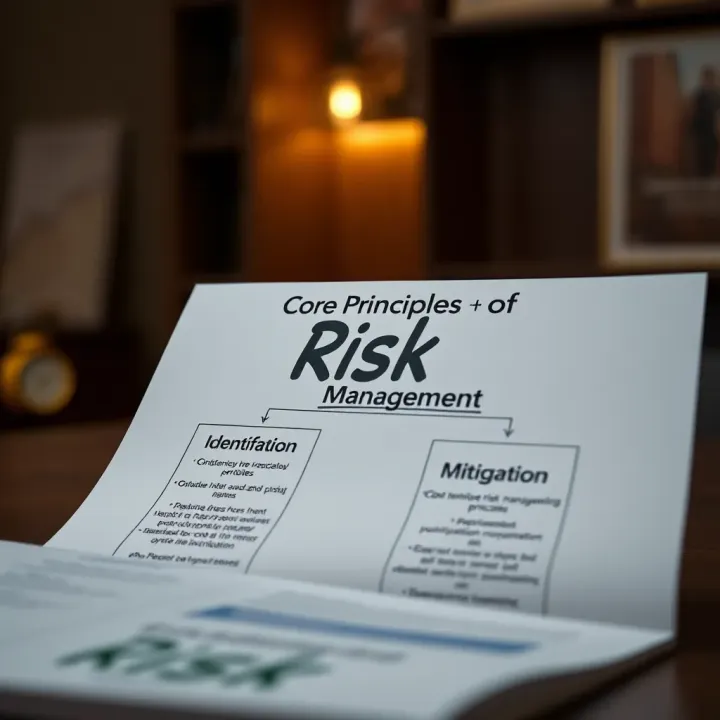
Understanding and applying the key principles of risk management is essential, especially for traders, investors, and brokers operating in Kenya’s dynamic market environment. These principles help you recognise potential threats early, assess their impact properly, and decide on practical ways to handle them. Without this foundation, poor decisions can leave businesses or investments vulnerable to losses.
The first step in managing risk is spotting potential issues before they escalate. This involves looking out for risks related to market volatility, regulatory changes, or operational weaknesses. For example, a small business relying on imported goods must identify supply chain disruptions as a key risk.
Techniques such as brainstorming sessions, SWOT analysis (Strengths, Weaknesses, Opportunities, Threats), and consultation with experienced industry players often assist in uncovering hidden risks. Regularly scanning local news and staying updated with government regulations also helps in detecting upcoming risks.
Once risks are identified, the next phase is to evaluate them using both qualitative and quantitative methods. Qualitative evaluation involves ranking risks based on their likelihood and potential effect using descriptive terms like high, medium or low. This method is straightforward and quickly guides prioritisation.
Quantitative evaluation takes a more precise approach by applying numbers or statistics. For instance, using financial models, a trader can calculate the potential loss from price fluctuations in shares or foreign exchange. Combining these evaluations offers a clearer picture, allowing businesses to prepare adequately.
After assessing risks, deciding how to respond is critical. Four common responses include avoidance, reduction, sharing, and acceptance.

Avoidance means steering clear of activities that carry significant risk, like refusing to invest in unstable markets.
Reduction involves taking steps to lower the chance or impact of a risk, such as improving security systems to prevent data breaches.
Sharing transfers the risk to others, usually through insurance or partnership agreements.
Acceptance occurs when the cost of mitigating risk outweighs the benefit, so the risk is tolerated but monitored closely.
Implementing these measures requires clear controls and regular checks. For example, a trader might set stop-loss orders to limit investment losses, or a firm might schedule periodic audits to ensure compliance controls remain effective. Monitoring helps spot when controls are failing or risks evolve, allowing timely improvements.
Risk management isn't a once-off task. Conditions change, new threats appear, and strategies that worked yesterday might not work tomorrow. Keeping track of risk changes means being alert to both internal shifts (like staff turnover) and external factors such as policy reforms or economic downturns.
Regular review sessions allow updating risk registers and adjusting mitigation tactics. For instance, during Kenya’s rainy season, a logistics company might alter routes to avoid flood-prone areas, reducing delivery delays. Revising strategies based on fresh information ensures risk management stays relevant and effective, helping safeguard business goals and investments.
Constant vigilance and flexibility in risk management allow traders, investors, and analysts to make sound decisions, protecting their ventures from unexpected setbacks.
Applying risk management principles in Kenyan businesses is more than just ticking boxes; it's about navigating real challenges that affect day-to-day operations and long-term survival. Kenyan enterprises face unique risks stemming from economic shifts, regulatory demands, and local supply chain complexities. Understanding these factors helps businesses shield themselves against surprises and operate more confidently.
Risk management helps companies anticipate problems before they spiral, saving costs and safeguarding reputation. For instance, a retailer in Nairobi who regularly monitors market changes can adjust pricing or stock levels quickly when inflation spikes. Similarly, businesses aware of the regulatory climate can avoid hefty fines by staying compliant.
Kenyan businesses often deal with unpredictable market conditions. Exchange rate swings and inflation commonly affect costs and consumer buying power. For example, during periods of KSh depreciation against the dollar, importers of electronics face higher prices, squeezing margins if they cannot pass costs to customers. This unpredictability means firms need to have financial buffers or hedging strategies to reduce exposure. Market shifts in consumer trends also require firms to remain agile to sustain sales.
Kenya's business environment is governed by a range of regulations from bodies like the Kenya Revenue Authority (KRA) and the Energy Regulatory Commission. Compliance includes filing taxes correctly, adhering to labour laws, and meeting health and safety standards. Many small and medium-sized enterprises (SMEs) struggle to keep up due to limited understanding or changing policies. Failure to comply can trigger penalties, business closures, or loss of licences. Practical risk management involves dedicating resources to keep updated on regulations and training staff accordingly.
Supply chain disruptions are a recurring challenge for Kenyan businesses, especially those relying on local suppliers or cross-border trade within the East African Community (EAC). Delays caused by roadblocks, inadequate infrastructure, or customs holdups can interrupt production and delivery schedules. For example, a food processing company sourcing raw materials from rural farms may face issues during the rainy season when roads become impassable. Effective risk management means developing alternative suppliers, buffering stock, or planning flexible delivery timelines.
Digital payments via M-Pesa have revolutionised transactions in Kenya, but they come with security concerns. Fraud cases such as SIM swap scams or phishing attacks can lead to financial losses for businesses and customers. Companies must implement protocols like PIN safeguards, user education, and transaction monitoring to reduce fraud risks. Trustworthy digital payment methods improve customer confidence and streamline cash flow, but staying alert to new scam tactics is crucial.
As Kenyan businesses increasingly digitise operations, protecting sensitive data has become a key risk area. Cybersecurity threats, including malware, ransomware, and data breaches, can disrupt services or cause regulatory troubles under data protection laws. For example, a small bank in Mombasa investing in IT security software and employee cyber-awareness training can prevent costly incidents. Risk management here involves regular system audits, secure password policies, and having contingency plans to respond swiftly to incidents.
Proactive risk management tailored to Kenya’s business environment is essential. When enterprises anticipate and prepare for local market shifts, regulatory changes, and tech vulnerabilities, they safeguard profits and build resilience in a competitive economy.
Each of these areas—market dynamics, compliance, operations, and technology—demands ongoing attention for Kenyan traders, investors, and analysts to manage risk effectively.
Leadership and the culture within an organisation shape how risk is perceived, approached, and managed. Without strong leadership buy-in, risk management tends to be sidelined or treated as a box-ticking exercise. On the other hand, when leaders prioritise risk awareness, the entire organisation becomes more alert to potential threats and opportunities, improving readiness and resilience.
A risk-sensitive culture encourages open discussion about risks at all levels, rather than hiding problems for fear of blame. This openness leads to better identification of issues before they escalate and fosters collective ownership of risk management. In Kenyan businesses, where informal communication channels and diverse workforces are common, embedding the right culture is often the key to effective risk management.
For risk management to thrive, senior leaders must set the tone by recognising that risks are inherent in every business decision. They should openly discuss risks and model behaviours that encourage transparency. For example, a CEO of a Nairobi-based export company might regularly share insights on how currency fluctuations impact profits and invite input on mitigating strategies. This approach signals that risk is everyone's concern, not just a finance or compliance issue.
Leaders who demonstrate a risk-aware mindset help their teams understand that anticipating and managing uncertainty is part of daily work. This reduces surprises and enables the business to adapt quickly to changing conditions, like political unrest affecting supply routes or regulatory shifts by the Kenya Revenue Authority (KRA).
Committing resources—both financial and human—is essential to translate risk management from theory into practice. This includes budgeting for risk assessment tools, hiring or training staff with risk expertise, and investing in technology such as cybersecurity solutions or real-time market data platforms.
For instance, a mid-sized manufacturing firm in Nakuru might assign a dedicated risk officer and invest in software to monitor supplier performance and external threats. Without such resources, risk management efforts remain fragmented and reactive, exposing the business to avoidable losses. Leaders must therefore ensure risk activities are funded adequately and integrated into business planning cycles.
Risk awareness should not be limited to managers or specialists; frontline employees often spot risks first. Encouraging staff across all departments to speak up when they notice potential hazards or irregularities strengthens early detection.
Take, for example, a retail chain in Mombasa that trains its cashiers and logistics teams to report unusual customer behaviour or delivery delays. By involving everyone, the company taps into diverse perspectives and builds a wide safety net against risks like fraud or stockouts. Regular forums or suggestion systems can help sustain this engagement.
Consistent and clear communication about risks, policies, and procedures helps embed risk management into daily routines. Regular training sessions, both formal and on-the-job, build skills and confidence to handle emerging risks.
Kenyan banks, for example, often hold quarterly workshops on cybersecurity threats for staff, coupled with daily communication reminders on safe practices. Tailoring training to local realities—such as risks linked to mobile money scams through M-Pesa—makes the learning relevant and actionable. Using both digital platforms and face-to-face sessions ensures wider reach and reinforces key messages.
Leadership and culture form the backbone of effective risk management; their influence can either make risk a shared responsibility or an afterthought.
Adopting risk management is not without hurdles, especially for Kenyan small and medium-sized enterprises (SMEs). Understanding these challenges helps businesses plan better and avoid common pitfalls. Alongside this, practical best practices offer a roadmap to turn risk management from a daunting task into a valuable part of everyday operations. This section explores realities Kenyan SMEs face and suggests steps to foster a proactive approach.
Many Kenyan SMEs struggle because they lack a clear understanding of what risk management involves. Business owners often focus on immediate survival concerns, such as daily cash flow, ignoring the broader spectrum of risks that may impact their operations. Without the right skills or knowledge, it becomes tough to identify potential threats or evaluate their impact effectively. For example, a small retailer in Kisumu might not recognise the risk posed by unreliable suppliers until it disrupts stock availability.
Training is often sparse or too theoretical. This gap means many business people miss chances to put simple frameworks into practice. Even when aware, apprehension about complexity leads some to postpone risk management planning indefinitely.
Limited budgets are a reality for many SMEs in Kenya. Investing in comprehensive risk management tools or hiring specialised staff can seem beyond reach. Businesses operating from informal markets or residential premises might overlook risk controls, seeing them as luxuries rather than necessities.
This shortage often extends beyond finance to time and manpower. An owner managing day-to-day tasks typically finds it difficult to allocate hours to assess, plan, and monitor risks systematically. Such constraints increase vulnerability, especially when confronting unexpected shocks like regulatory changes or economic slowdowns.
SMEs can begin risk management without complex tools. Starting small means identifying major risks through basic checklists or discussions with staff and suppliers. For instance, a boda boda operator could list out risks like vehicle breakdowns, accidents, or theft, then think about simple preventative actions.
This approach moves risk management from abstract to tangible. Companies can gradually build on initial findings, making sure efforts match their capacity and priorities. Small wins boost confidence and encourage more detailed planning over time.
Numerous organisations in Kenya offer free or affordable resources for risk management. Trade associations, business development centres, and even some banks provide workshops or templates that can help first-timers. Using these local supports means businesses don’t have to reinvent the wheel.
Besides, tapping into local expertise, such as seasoned entrepreneurs or finance professionals, can provide practical insights on risk handling that align with Kenyan business realities. For example, guides from the Kenya National Chamber of Commerce might detail compliance risks relevant to Nairobi traders.
Embracing risk management doesn’t have to break the bank or require specialists. Starting simple, using available tools, and learning from local experience offer Kenyan SMEs a practical path to safer, more stable growth.
By recognising barriers and applying straightforward best practices, SMEs can transform risk management from a challenge into a vital lifeline. This mindset strengthens businesses not just to survive but to thrive in Kenya’s dynamic economic environment.
🔍 Explore how Kenyan businesses manage risks with clear definitions, key strategies, and real-life examples to safeguard goals and improve operations.

📊 Dive into financial risk management to grasp key concepts, types of risks, and practical tools that help businesses in Kenya manage and reduce losses.

🌍 Explore disaster risk management in Kenya, key strategies, stakeholder roles, challenges faced, and practical ways to boost community resilience and preparedness.
Learn how risk management helps Kenyan businesses handle uncertainties and protect their interests with practical tips and strategies. 📊🔒
Based on 9 reviews