

Practical Risk Management for Kenyan Businesses
Learn effective risk management methods for Kenyan businesses 🏢🌍 covering financial safeguards, compliance, and tech use to reduce losses and boost growth confidently.
Edited By
Isabelle Foster
Risk management is key for Kenyan businesses aiming to survive and grow, especially given the uncertainties in both local and global markets. Whether you're running a small kiosk in Kisumu or managing investments at a Nairobi brokerage, knowing how to handle potential risks pays off.
Kenyan businesses face various risks—from fluctuating forex rates and unpredictable weather affecting supply chains, to sudden policy shifts and technological vulnerabilities. Unlike theoretical discussions, practical risk management means spotting real threats early, assessing their impact, and taking affordable, timely actions to reduce harm.

Effective risk management isn’t just about avoiding loss; it’s about making your business nimble and ready to seize opportunities even when conditions shift unexpectedly.
This guide takes you through hands-on steps to manage risks. You’ll learn how to identify hazards specific to your business—be it cash flow challenges in a jua kali workshop or cyber threats for an online store. We’ll discuss ways to measure the likelihood and severity of these risks without getting lost in unnecessary jargon.
You'll also see how putting controls in place—like insurance, proper bookkeeping, or staff training—can keep your business safe. More importantly, you'll understand why monitoring risk regularly is vital as Nairobi’s economic environment changes or weather patterns impact agriculture.
By applying these practical steps, Kenyan traders, investors, brokers, and analysts can better protect their ventures. This enhances business continuity and builds resilience so you can focus on growth with less worry about sudden setbacks.
Risk management helps businesses spot problems before they happen and plan how to handle them. For Kenyan businesses especially, understanding risk management means preparing for issues like market shifts, disruptions in supply chains—common in towns outside Nairobi—and regulatory changes that might come from county governments. Firms that ignore risk often face sudden costs or lose customers, so it’s smart to map out risks early.
In simple terms, risk management is the process of identifying, assessing, and controlling risks that could harm a business. This covers anything from financial losses, theft, or a network outage to reputational damage or natural disasters like floods during the long rains. It’s about knowing what might go wrong, how likely it is, and what impact it could have, then choosing actions to reduce or handle those risks.
For example, a Nairobi-based retailer might face risks like supplier delays or counterfeit products entering their stock. Through risk management, they could keep backup suppliers and check all products closely to avoid customer issues. This simply keeps the business running smoothly and customers happy.
Kenyan businesses operate in a unique environment where sudden policy shifts, infrastructure limitations, and economic volatility can hit hard. For instance, changes in taxes by the Kenya Revenue Authority (KRA) or electricity blackouts by Kenya Power can disrupt daily operations.
Without risk management, a small jua kali artisan or an SME in Eldoret can find themselves unprepared for such shocks. With basic risk planning, they can set aside emergency funds or arrange alternative power sources like generators or solar to keep tools running.
Moreover, risk management promotes confidence for investors or banks offering loans like through the Higher Education Loans Board (HELB) or business loans from commercial banks. Showing a clear risk plan signals stability and seriousness.
Kenyan businesses that plan for risks don’t just survive challenges — they find chances to grow where others hesitate.
In essence, understanding and applying risk management is about taking control, preparing for uncertainties, and building durable businesses ready for today’s Kenyan market conditions.
Identifying risks relevant to your business lays the groundwork for effective risk management. Without understanding what threats your enterprise may face, it becomes tough to develop meaningful strategies to control them. For Kenyan businesses, recognising specific risks means protecting limited resources and avoiding surprises that could disrupt operations. This stage helps focus efforts on areas that matter most, saving time and money.
Kenyan businesses often deal with unique challenges. For instance, fluctuating foreign exchange rates can tighten margins for importers or exporters. Power outages remain a concern, especially for SMEs without backup systems, affecting production and service delivery. Political events, such as election periods, may cause disruptions or reduce consumer spending in key sectors like retail or hospitality. Additionally, cyber threats are rising, with many firms lacking robust digital security to fend off phishing or data breaches.
Local factors shape risk profiles: a Nairobi-based tech start-up faces more cyber threats but fewer weather-related risks than an agricultural business in Western Kenya.
Other common risks include supply chain interruptions from unreliable transport networks and irregular vendor performance, particularly for jua kali businesses. Health crises like disease outbreaks can also cut into workforce availability and consumer demand. Knowing these helps tailor risk identification efforts.
Checklists and questionnaires offer a systematic way to spot typical risks. They guide you through common risk areas like financial, operational, legal, and environmental concerns. For instance, a checklist could prompt a Nairobi importer to consider customs delays, currency volatility, and compliance requirements. Questionnaires sent to department heads can capture insights from across the company, revealing risks that might escape top management’s notice.
Using these tools regularly ensures nothing slips through the cracks, especially as business environments shift. They’re also cost-effective and easy for small Kenyan firms to implement without specialist help.
Consulting experts brings external knowledge that enriches risk identification. Local accountants, lawyers, industry specialists, and consultants can highlight risks that business owners may overlook. For example, a legal expert might warn a retailer about new consumer protection laws or product liability issues, while an accountant could flag tax compliance risks.
These consultations are particularly useful for complex or regulated sectors like finance, manufacturing, or energy. They help align risk identification with current regulations and market realities, preventing unforeseen legal or financial penalties.
Reviewing your business’s past records reveals patterns of risk. Analysing past losses, delays, or customer complaints identifies recurring issues. A transport company in Mombasa noticing frequent vehicle breakdowns during the rainy season can prepare better maintenance schedules or emergency plans.
Historical data also includes looking at industry trends or regional risk reports from bodies like the Kenya National Bureau of Statistics (KNBS). This information grounds your risk assessment in real, local experience instead of guesswork.
Scenario analysis helps visualise potential future risks by imagining different ‘what if’ situations. For example, consider how a spike in fuel prices or an extended period of drought might affect your costs and operations. By thinking through such scenarios, you can uncover vulnerabilities that aren’t obvious at first glance.
This method encourages proactive thinking and helps prepare contingency plans. Small-scale manufacturers could explore the impact of supplier delays, while retailers might assess risks from sudden changes in consumer spending.
Through these tools, Kenyan businesses can build a clear picture of risks specific to them and tailor their responses effectively.
Analysing and evaluating risks are vital steps that help Kenyan businesses understand which risks could cause serious damage and which ones are manageable. Without proper analysis, companies risk focusing on minor threats while ignoring bigger, more pressing issues. For instance, a Nairobi-based exporter might face fluctuating foreign exchange rates and sudden changes in trade policies. Evaluating these risks helps in deciding whether to hedge through forward contracts or adjust export volumes.
Qualitative assessment uses descriptive approaches to gauge how likely a risk is and what impact it might have. This can involve brainstorming sessions, expert opinions, or simple rating scales like 'high', 'medium', and 'low'. For example, a small retailer in Kisumu may use qualitative input from staff about theft risks during busy seasons. This method is cost-effective and quick, helping businesses make prompt decisions without diving deep into analytics.
Quantitative assessment involves numbers and data to measure risk more precisely. This could mean calculating the expected financial loss from a delayed delivery or the probability of equipment failure based on past maintenance records. A manufacturing firm in Mombasa might use quantitative methods to calculate potential downtime costs from power outages and invest in backup systems accordingly. While this method requires more data and sometimes specialist skills, it offers clear metrics for prioritising risk.
Risk ranking organises identified risks by assigning scores based on their likelihood and potential impact. The aim is to focus resources on those posing the biggest threat. In practice, a business might list flooding, theft, and market volatility, then rate flooding highest because of recent heavy rains around Lake Victoria. This straightforward prioritisation helps management decide which risks need immediate attention and which can wait or be monitored.
A risk matrix visualises risks on a grid, usually with likelihood on one axis and impact on the other. This tool helps businesses quickly spot critical risks that score high on both axes. For example, a tech startup in Nairobi might use a risk matrix to identify that cyber-attacks are both likely and highly damaging, prompting urgent investment in cybersecurity. This visual representation simplifies communication across departments, making it easier to plan risk responses effectively.
Clear analysis and evaluation let businesses allocate limited resources wisely, focusing on what really matters. The process aligns daily operations with realistic risk management strategies, boosting resilience in Kenya’s dynamic business environment.
Overall, analysing and evaluating risks are not just about spotting dangers—they are about understanding them enough to act decisively and protect the business from unexpected setbacks.
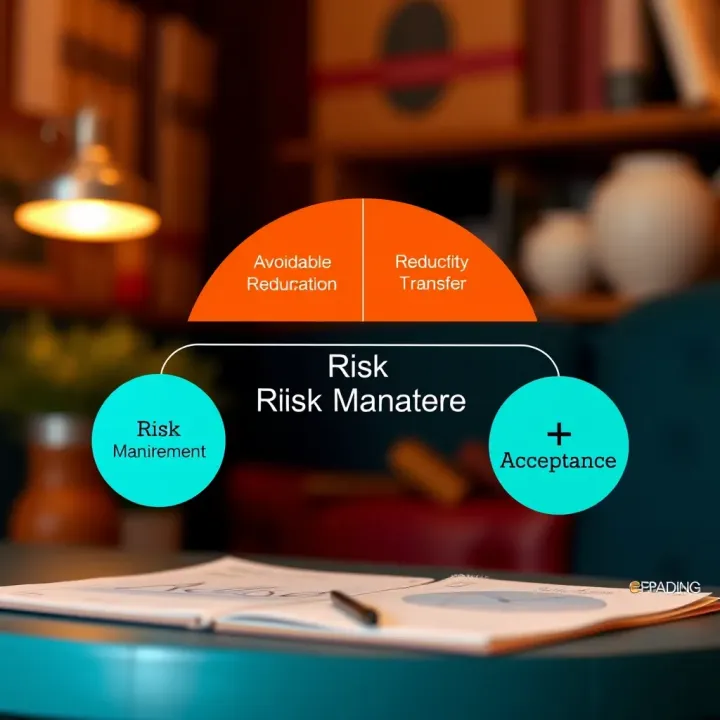
Developing strategies to manage risks helps Kenyan businesses stay ahead of potential problems that could harm their operations or reputation. Rather than waiting for risks to turn into crises, effective planning allows you to reduce negative impacts or even avoid them altogether. This stage is especially useful for traders and investors who need to balance opportunity and risk smartly.
Avoiding risk means changing your business activities to steer clear of danger altogether. For example, if a company notices unreliable supply chains in a region prone to floods, it might choose to switch suppliers or stockpile critical materials ahead of rains. Reducing risk involves actions that lower the chance or effect of risk—for instance, investing in backup power generators to minimise losses during power outages common in Kenya.
Both approaches require a deep understanding of on-ground realities, such as seasonal weather patterns, regulatory changes, or market trends. For investors, avoiding risky sectors or diversifying portfolios across various industries can be ways to manage exposure. The key is recognising which risks are manageable through proactive adjustments.
Insurance Options in Kenya
Insurance provides a practical way to transfer risk by paying a premium to cover potential losses. In Kenya, businesses can find diverse insurance products including asset insurance, professional indemnity, and political risk insurance. For example, a manufacturing firm might insure against fire damage or theft, while exporters may insure shipments to cover losses caused by delays or damage.
Besides standard policies, government schemes like the Agricultural Finance Corporation’s crop insurance can safeguard farmers from drought or pest incidents. Businesses should compare offers from local insurers such as Jubilee, Britam, and UAP to find coverage that balances cost and protection.
Outsourcing as a Risk Transfer Mechanism
Outsourcing certain operations can reduce direct risk by shifting responsibility to specialised providers. A Kenyan retail business might outsource IT management or logistics to experts who have better systems to handle failures or interruptions. This means the business does not carry full burden if something goes wrong, as contracts often define responsibilities clearly.
Outsourcing also allows firms to focus on core activities while relying on service providers for non-core risks. However, businesses must be careful with vendor selection and contracts to avoid new risks, such as data breaches or service disruptions.
Contingency Planning
Sometimes rejecting or transferring risk isn’t feasible, especially for risks with low likelihood or high cost to avoid. In these cases, contingency planning creates backup arrangements to reduce chance of operational failure. For example, a financial firm might prepare alternative payment routes if M-Pesa services face disruptions.
Kenyan businesses benefit from contingency plans that factor in local conditions such as transport strikes, load shedding, or political events that affect trading days. Having clear steps and assigned roles in a contingency plan ensures swift, organised reactions.
Crisis Management
Crisis management takes contingency planning a step further by preparing for the worst scenarios that could endanger the whole business. This includes setting up communication channels, leadership teams, and rapid response protocols. For instance, a Nairobi-based tourist lodge might prepare for health emergencies or security threats to keep guests safe and limit damage to reputation.
Good crisis management builds trust among stakeholders by showing readiness to handle shocks. It also includes regular drills and reviews so the business can continuously improve. For investors and analysts, evidence of solid crisis management signals resilience and long-term viability.
Having clear and actionable risk management strategies is not just about avoiding trouble but also about building business strength in an unpredictable environment like Kenya.
By developing and implementing these strategies, Kenyan businesses can create stronger foundations that protect both their day-to-day operations and future growth prospects.
Implementing risk management plans converts strategy into action, making it essential for Kenyan businesses to protect themselves from potential pitfalls. Without proper execution, even the best-designed risk frameworks remain useless paperwork. Practical implementation ensures that responsibilities are clear, resources are allocated, and the organisation is prepared for possible challenges. For example, a Nairobi-based SME dealing with imports must have staff assigned to monitor shipping delays and enough budget to manage any resulting cash flow interruptions.
Every risk management plan needs designated owners. Assigning responsibilities clarifies who will act if a risk materialises or when monitoring is required. This prevents delays and confusion in critical moments. For instance, a finance officer might be accountable for tracking currency fluctuation risks, while a security manager handles physical asset risks. Besides assigning tasks, businesses must provide adequate resources – time, budget, and technology – for effective risk control. Without enough resources, staff may struggle to respond promptly or execute mitigation measures properly.
Clear communication of risk management plans strengthens commitment and coordination within the business. Sharing the risk policies, procedures, and roles helps everyone understand their part and avoid conflicting actions. Communication should be two-way: management must inform staff about emerging risks and listen to frontline feedback about risk exposure. For example, a retail chain in Mombasa might hold monthly briefings where branch managers report operational risks and receive updated guidance from headquarters. Using simple language, real-life examples, and local context increases the likelihood the message sinks in.
Training staff on risk management increases organisational resilience. Awareness sessions build understanding of risk types, indicators, and proper response actions tailored to everyday business activities. Practical workshops using case studies relevant to Kenyan businesses, such as handling power outages or adapting to regulatory changes by the Kenya Revenue Authority (KRA), sharpen skills and boost confidence. Over time, continuous capacity building embeds risk management into the company culture, encouraging proactive behaviour. Offering refresher courses and updating training materials according to emerging threats keeps the team ready for new challenges.
A risk management plan is only as strong as its execution. Focus on clear responsibilities, open communication, and ongoing training to safeguard your business and maintain smooth operations.
By attending to these details during implementation, Kenyan companies can build solid, actionable defences that respond effectively to the country’s unique risk environment. This practical approach ensures risk management isn’t just theory but a daily business practice enhancing long-term success.
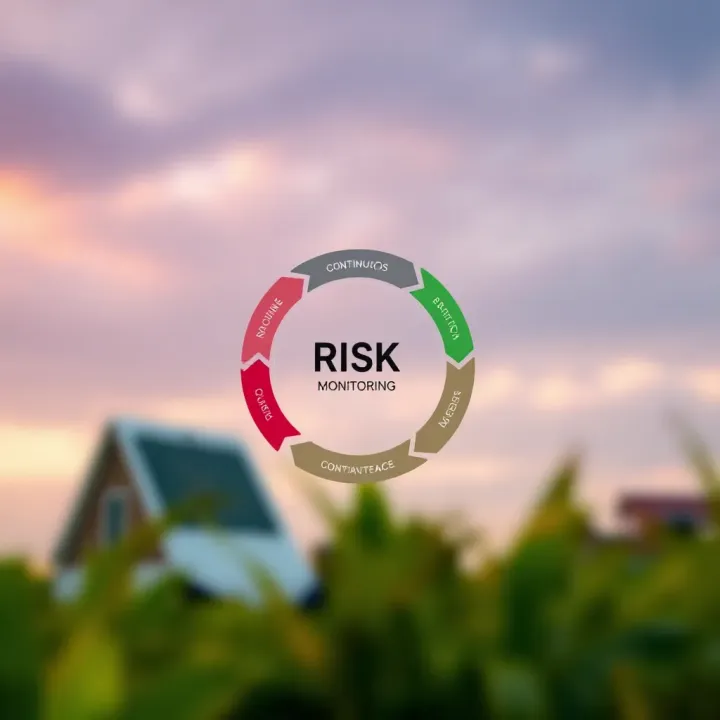
Continual monitoring and review of risk management processes are essential for Kenyan businesses to stay ahead of threats and improve resilience. Companies that set up effective tracking systems can spot warning signs early, adapt to market shifts, and protect assets better. This ongoing cycle ensures that risk controls remain relevant in a fast-changing environment, especially considering Kenya’s dynamic economy and regulatory landscape.
Tracking risk indicators means regularly measuring specific signs that hint at rising risk levels. For example, a Nairobi-based manufacturing firm may monitor supply chain delays or currency fluctuations to spot emerging threats. Control effectiveness checks whether existing risk measures are working as intended. A trader using commodity price hedging should review if losses are reduced as expected. Practical tools include dashboards showing key indicators and periodic audits. This helps managers make informed decisions and avoid surprises.
When risks materialise, they provide valuable lessons. Kenyan businesses need to document incidents like cyber breaches, accidents, or market drops clearly. By analysing what went wrong, they can identify gaps in controls or processes. Gathering feedback from employees and clients also reveals blind spots. For instance, a feedback loop in a retail chain can uncover theft patterns or compliance issues. Learning from these inputs enables managers to strengthen defences and reduce the chance of repeat problems.
A company that ignores post-incident reviews misses out on critical insights that can save costs and reputation.
Risk management isn't a one-off task; it requires constant revision to stay effective. Businesses should schedule reviews at least annually, or more frequently if rapid change occurs. Updates may involve revising risk registers, adjusting control measures, or reallocating resources. For example, new data privacy laws in Kenya could require updating IT security procedures. Regular updating keeps the system agile and aligned with current risks. It’s wise to involve multiple stakeholders during reviews to get a full picture and buy-in for necessary changes.
In summary, ongoing monitoring, learning from experience, and revising strategies create a strong risk culture that safeguards Kenyan businesses. This practical approach aids traders, investors, and market analysts alike in managing uncertainties with confidence.
Learn effective risk management methods for Kenyan businesses 🏢🌍 covering financial safeguards, compliance, and tech use to reduce losses and boost growth confidently.

🔍 Learn effective risk management strategies for Kenyan businesses. Identify, assess, and respond to risks while integrating them into everyday operations for better preparedness.
Protect your Kenyan business with practical risk management techniques ⚖️ Learn how to identify, assess, control risks, and use tools to stay ahead in changing markets 📊
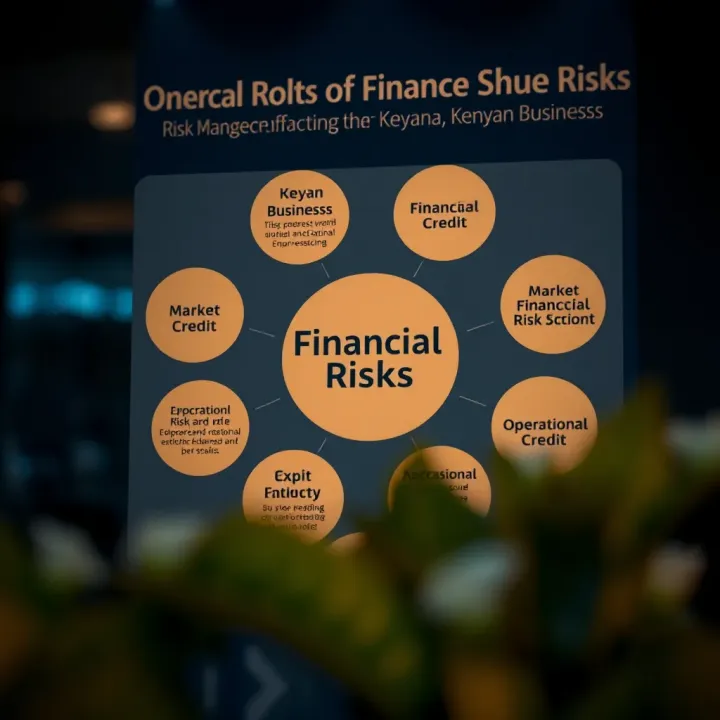
📊 Master financial risk management for Kenyan businesses. Learn key risks, control methods, SME challenges, and how regulatory bodies protect your financial health. 💼
Based on 13 reviews