

Compliance and Risk Management for Kenyan Businesses
🔍 Learn key compliance and risk management strategies for Kenyan businesses. Understand local laws, identify risks, and use tech tools for safer operations.
Edited By
James Wilson
Risk management is not just a buzzword for Kenyan businesses; it’s a necessity. With uncertainties ranging from economic shifts, regulatory changes, political events, to local factors like supply chain interruptions and weather patterns, businesses face numerous risks. Understanding how to effectively identify, assess, and control these risks safeguards your venture and keeps operations steady.
Many Kenyan enterprises, especially SMEs and traders, overlook formal risk management or think it’s only for big firms. Yet, using straightforward techniques can make a significant difference in survival and growth.
A typical approach begins with establishing a risk management framework. This helps assign clear roles, responsibilities, and processes within your business. For instance, a retailer in Nairobi might create a risk register listing all potential threats—like power outages, theft, fluctuating supplier prices—and assign staff to monitor these areas.
Risk management is about making risks manageable, not avoiding them altogether.
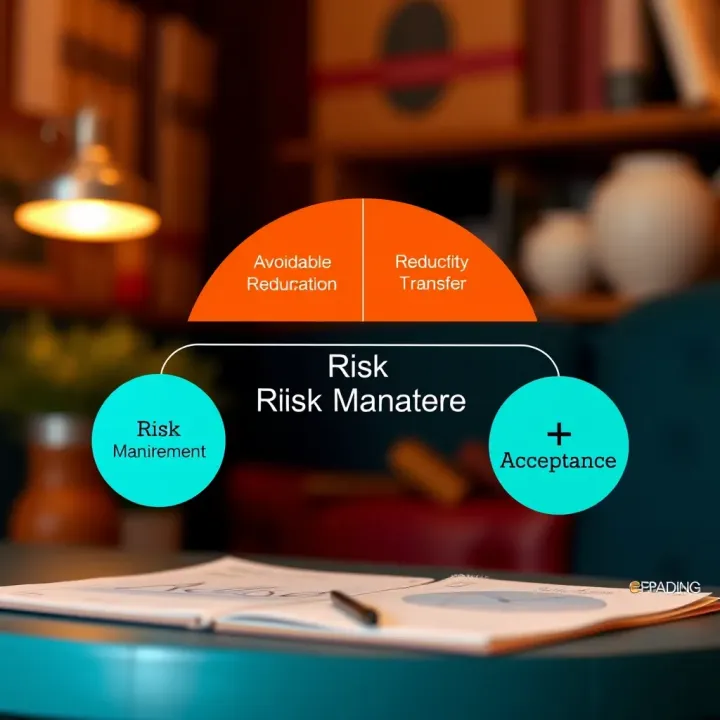
Kenyan businesses generally use four main strategies to handle risk:
Avoidance – Choosing not to engage in activities with too much risk. For example, a boda boda operator may avoid routes known for insecurity.
Reduction – Minimising the likelihood or impact of risks through actions. A small factory might install backup generators to reduce the effect of power cuts.
Transfer – Shifting risk to another party, typically via insurance or contracts. Many businesses purchase insurance covers like fire or theft insurance to transfer financial loss.
Acceptance – A conscious choice to bear certain risks when cost of mitigation outweighs benefits. For example, a small shop owner might accept occasional stock losses due to expiry rather than investing in costly storage.
To support these techniques, digital tools and technologies can help. Business owners today use M-Pesa for quick payments, keeping cash flow steady. Some use simple spreadsheets or cloud-based platforms to track risk factors and response timelines. Larger firms might deploy specialised software for risk analytics.
Monitoring and reviewing are equally vital. Businesses should routinely check if their strategies remain relevant as market conditions shift—especially during events like elections or economic reforms.
Applying these risk management techniques equips Kenyan businesses to not just survive but adapt and thrive amid uncertainties.
In business, risk refers to any event or condition that can negatively affect a company's assets, income, or operations. For Kenyan businesses, this might mean anything from sudden regulatory changes by the Kenya Revenue Authority (KRA) to unexpected supply chain delays caused by road blockages or fuel shortages. Risk is not always about losses; sometimes, it involves missed opportunities that hinder growth. Understanding what risk looks like in your specific context is the first step towards managing it effectively.
Managing risk is particularly critical for Kenyan businesses due to the dynamic economic environment and diverse market conditions. For instance, SMEs relying on imported raw materials might face currency fluctuation risks affecting their costs. Additionally, businesses in Nairobi frequently contend with traffic blockade risks disrupting supply and customer access. Proper risk management helps safeguard investments, maintain steady cash flow, and protect the business’s reputation, especially amid Kenya’s competitive sectors like agribusiness, manufacturing, or retail. When entrepreneurs anticipate problems early, they avoid surprises that can shut down operations or drain resources unnecessarily.
Effective risk management can spell the difference between a business that survives market shocks and one that shutters after a single setback.
Risk management follows a clear sequence that Kenyan businesses can adopt and tailor to their needs. First, identify potential risks by analysing all areas of the business, including external factors such as political changes or natural disasters. For example, a small hotel in Mombasa could identify cyclone seasons as a seasonal risk. Then, assess these risks in terms of likelihood and impact, giving priority to those that can cause serious damage or disruption.
Next, develop strategies to control risks. This might mean buying insurance to transfer risk, investing in security measures to reduce theft, or agreeing on alternative suppliers to avoid supply chain blockages. Finally, implement monitoring systems that keep an eye on risk factors continuously, adapting strategies when necessary—Kenyan markets change fast, and a static approach rarely works. Regular reviews ensure your risk controls stay relevant, especially as the business grows or the economic environment shifts.
By grasping these basics, Kenyan traders, investors, and analysts can build a solid foundation for managing uncertainty, improving resilience, and securing long-term success.

A well-structured risk management framework acts as the foundation for effectively handling uncertainties in Kenyan businesses. Without clear policies and organisation, efforts to manage risks can become disjointed and less effective. A solid framework helps businesses align their risk strategies with overall goals while making sure everyone knows their part.
Risk management policies set the tone for how a business approaches threats, whether it's financial, operational, or market-related risks unique to Kenya's business environment. Objectives should clarify what the business aims to protect—assets, cash flow, reputation—and what outcomes are expected from risk management activities. For instance, a Nairobi-based exporter might prioritise policies addressing currency fluctuations and supply chain disruptions caused by seasonal rains.
Clear policies guide decision-making and ensure everyone in the company understands what risks to look out for. Objectives also serve as yardsticks to measure if risk management efforts bring real value, like lowering insurance costs or reducing downtime.
Risk management works best when tasks are clearly assigned. Each team member should know whether they are responsible for identifying risks, analysing them, or implementing control measures. For example, in a mid-sized manufacturing business in Mombasa, the finance officer might monitor foreign exchange risks, while the operations manager handles risks related to equipment breakdown.
Assigning roles avoids confusion and duplication, especially in SMEs where staff often wear many hats. At board level, appointing a risk champion or committee ensures risk oversight gets proper attention alongside other strategic functions.
Open and reliable communication channels are vital for capturing risk information and sharing updates across the business. Kenyan firms often face dynamic challenges such as fluctuating fuel prices or changes in regulations; timely sharing of such intel can make a difference in response.
Setting up regular risk meetings, using simple digital tools like WhatsApp groups or Excel dashboards, and formalising reporting lines help ensure information travels efficiently. This can mean the difference between spotting a looming problem early or reacting too late.
A practical framework builds a culture where risk management is part of daily conversations, not just emergency fixes.
In summary, setting up a clear risk management framework with well-defined policies, assigned responsibilities, and robust communication provides Kenyan businesses with a practical toolkit to face uncertainties. This organised approach saves time, cuts losses, and supports better decisions amid Kenya’s fast-shifting markets.
Kenyan businesses face unique challenges, from fluctuating market conditions to regulatory changes. Understanding and applying key techniques to manage these risks helps shield businesses from unexpected losses and prepares them for uncertainties. Effective risk management reduces surprises and builds confidence among traders, investors, and analysts, especially in the fast-moving East African economic environment.
Brainstorming and expert consultation helps uncover risks that are not always obvious. Gathering a diverse group of people — such as finance managers, operation heads, and industry experts — encourages fresh perspectives. For instance, a Nairobi-based agro-processing firm might consult agricultural specialists to identify drought risks early. This collaborative approach leads to uncovering hidden vulnerabilities and prepares the business for events that could affect supply chains or cash flows.
SWOT analysis (Strengths, Weaknesses, Opportunities, and Threats) is a practical tool for Kenyan businesses to weigh internal and external risks together. A retail shop in Mombasa might find that its main weakness is limited supplier diversity, while an opportunity could be online sales through platforms like Jumia Kenya. Recognising these elements facilitates targeted risk responses, such as diversifying suppliers to reduce dependence on a single source.
Historical data review draws lessons from past experiences. Financial traders in Nairobi often review previous market trends or economic fluctuations documented by the Nairobi Securities Exchange (NSE). This helps anticipate potential downturns or volatility periods. For SMEs, reviewing historical sales or cash flow can highlight seasonal risks or market shifts, enabling smarter planning.
Qualitative risk analysis focuses on understanding risk impact and likelihood without complex calculations. Kenyan SMEs might rate risks as high, medium, or low based on expert opinion, allowing quick prioritisation. This suits small businesses without extensive data but needing mindful risk resource allocation.
Quantitative risk analysis involves numerical methods to measure risk probability and potential losses. For example, investors analysing NSE stocks might use statistical models to forecast expected returns against risk levels. This method offers precise data to support big financial decisions but requires access to relevant market data and analytical skills.
Risk matrix and scoring techniques combine likelihood and impact in a visual grid. This helps businesses rank risks clearly. A construction firm in Kisumu could plot risks like material shortage or regulatory delays, scoring these to decide which to address immediately. Such tools make risk discussions focused and actionable.
Risk avoidance means steering clear of activities carrying high risk. For example, a small trader might avoid investing in volatile sectors like forex trading to protect limited capital. This approach is straightforward but may limit growth opportunities.
Risk reduction seeks to minimise the chance or impact of risk events. A factory owner in Eldoret might install quality control systems and train staff to reduce production faults. Although some risk remains, the intensity or frequency of problems lowers.
Risk sharing and transfer spreads risk to others. Insurance policies are common ways Kenyan businesses transfer risks from fire, theft, or liability. Partnerships and outsourcing can also share operational risks. Transferring risk means the business stays focused on core activities while another party handles specific dangers.
Risk acceptance happens when a risk is small or unavoidable. A roadside kiosk owner may accept occasional theft as a cost of doing business but take reasonable precautions. This approach balances resource use with the practicalities of operating in a lively business environment.
Effective risk management combines quickly recognising risks, evaluating their severity, and applying suitable control approaches. Successful Kenyan businesses adapt these techniques to local realities, helping them survive and grow sustainably.
Technology has become a central player in modern risk management, especially for businesses operating in Kenya's dynamic markets. Employing the right tools can sharpen risk identification, improve responsiveness, and enhance decision-making. Unlike relying on manual processes, technology offers speed and accuracy that help businesses stay ahead of potential threats and opportunities.
Risk tracking software is essential for maintaining a real-time view of risks across different business functions. For example, platforms like SAP Risk Management or Resolver help companies monitor ongoing risks, assign responsibilities, and record mitigation actions. In the Kenyan context, smaller enterprises might find more value in affordable cloud-based tools like Zoho or QuickBooks, which include risk tracking as part of broader financial and operational management suites. Such software allows businesses to log incidents, monitor compliance deadlines, and generate reports, reducing the chance that critical risks are overlooked or poorly managed.
Data analytics is transforming how Kenyan businesses anticipate and prepare for risks before they occur. By analysing historical sales, supplier reliability, customer feedback, and external factors like weather patterns, analytics tools can reveal emerging risks that were not obvious. For instance, a retailer can use sales data and rainfall trends to forecast stock demand fluctuations during the long rains, adjusting inventory to avoid losses. Sophisticated forecasting models can predict cash flow shortages, currency fluctuations, or supply chain disruptions, enabling proactive responses. Local banks and insurance firms increasingly rely on these insights to offer tailored products that help businesses hedge risks.
Mobile technology supports many Kenyan small and medium enterprises (SMEs) by offering risk management tools directly accessible through phones. Apps like iProcure simplify supplier connections and keep track of inventory risks, while M-Pesa's business services support regular payments and financial risk management. These mobile-based platforms allow SMEs to monitor their business health daily without needing complicated systems. Moreover, some apps provide alerts on market price changes or regulatory updates, keeping business owners informed and capable of quick action.
Efficient risk management in Kenyan businesses increasingly depends on adopting practical technological tools suited to local realities. Combining software, analytics, and mobile solutions creates a flexible approach that matches varied business sizes and sectors.
In summary, integrating technology into risk management processes gives Kenyan businesses an edge in controlling uncertainties. By selecting appropriate software, harnessing data insights, and leveraging mobile platforms, businesses can effectively monitor, forecast, and respond to risks with greater confidence and efficiency.
Ongoing monitoring and review ensure that risk management remains effective amid changing business environments. For Kenyan businesses, this is especially needed since market conditions, regulatory requirements, and technological landscapes can shift rapidly, affecting risk profiles. Without active oversight, even the best-laid risk strategies can fall short or become obsolete.
Clear performance indicators help track how well risk management measures are working. These can include metrics like frequency of risk events, response times to threats, and compliance levels with safety protocols. For example, a Nairobi-based import-export firm might track delays in customs clearance and relate them to operational risks. These indicators pinpoint areas needing improvement and support data-driven decisions, keeping risk efforts on track.
Conducting periodic audits allows businesses to step back and critically evaluate risk controls. These assessments should involve both internal teams and external experts to provide an unbiased view. A Mombasa SME in the hospitality sector, for instance, might schedule quarterly security audits and monthly financial reconciliations to spot vulnerabilities early. Regular checks limit surprises and help spot gaps before they escalate into bigger problems.
Risk management cannot be static. As a company gathers data from performance indicators and audits, it must adapt its approach to fit new realities. Suppose a retailer in Kisumu notices an increasing trend in online payment fraud; this feedback should prompt revisiting payment security controls and employee training. Adjustments also come from external shifts—for example, new county regulations or changes in supply chain logistics. Being flexible helps businesses remain resilient in the face of uncertainties.
Continuous monitoring and review build resilience by transforming risk management from a one-time task into a dynamic process. For Kenyan businesses, staying alert and responsive is key to navigating the hustle of local and global markets.
By putting strong measures in place to monitor results, regularly assess risks, and adjust methods, businesses can fine-tune their risk management efforts and protect their growth and reputation in an unpredictable world.
🔍 Learn key compliance and risk management strategies for Kenyan businesses. Understand local laws, identify risks, and use tech tools for safer operations.

Discover how risk management safeguards assets, streamlines operations, and boosts trust in Kenyan businesses. Enhance your strategy today! 🔒📊🇰🇪

Learn smart forex risk management strategies tailored for Kenyan traders 🇰🇪. Protect your capital and boost your trading results with practical, easy-to-follow tips.
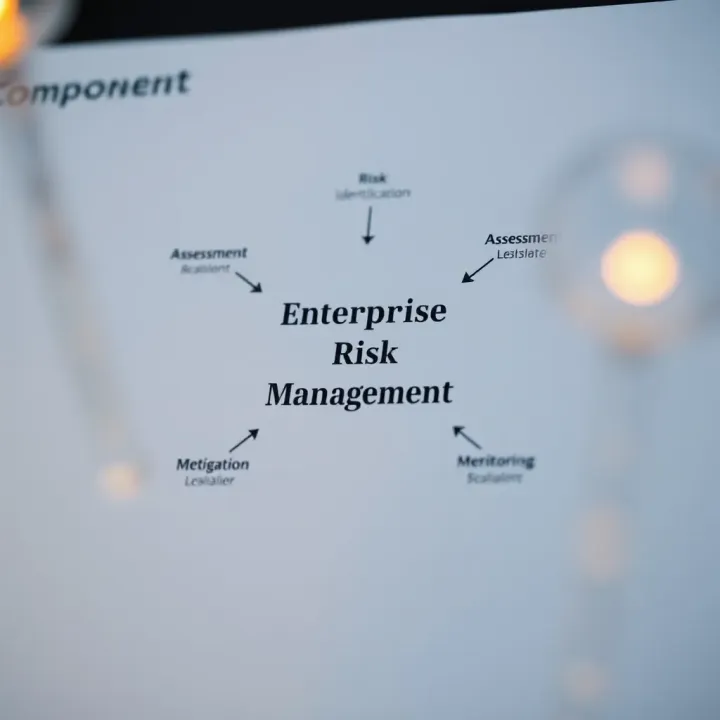
Explore how businesses in Kenya can use enterprise risk management 📊 to identify, assess, and manage risks, build strong risk culture, and enable better leadership decisions.
Based on 6 reviews