

Compliance and Risk Management for Kenyan Businesses
🔍 Learn key compliance and risk management strategies for Kenyan businesses. Understand local laws, identify risks, and use tech tools for safer operations.
Edited By
Emily Carter
Risk is a constant companion for businesses operating in Kenya's dynamic environment. From unpredictable market shifts to regulatory changes and operational hiccups, failure to manage risk can quickly lead a business astray. Yet, many firms overlook practical steps that could protect their investments and even open new opportunities.
Understanding how to identify, assess, and manage risks is essential. For example, a small retailer in Nairobi might face theft risks, while an exporter in Mombasa contends with fluctuating foreign exchange rates. Knowing your unique exposures helps in crafting strategies tailored to your business.

To manage risk effectively, start by:
Identifying potential threats such as economic downturns, supply chain disruptions, or compliance failures.
Assessing their likelihood and impact to prioritise where to focus limited resources.
Developing mitigation plans like diversifying suppliers, adopting insurance, or deploying technology for better monitoring.
Regularly reviewing these measures to adapt to changing conditions.
Practical tools play a big role. For instance, Kenyan firms can use mobile money platforms like M-Pesa to reduce cash handling risks and improve transaction transparency. On the compliance side, adhering to Kenya Revenue Authority (KRA) regulations reduces tax penalties that can cripple operations.
Managing risk is not just about preventing losses; it’s also about positioning your business to seize growth in uncertain times.
Tailoring risk management to local realities — such as matatu strikes affecting staff commute or unpredictable weather impacting agricultural outputs — sets your business ahead. Plus, leveraging affordable digital solutions provides timely data to make smarter decisions.
This article breaks down these methods in clear terms, helping you build a risk-aware culture in your business. With the right approach, your enterprise can not only survive but thrive in Kenya’s vibrant market.
Understanding risk management is the first step any Kenyan business should take to protect its future and build resilience. By grasping the basics, a business owner or manager can spot trouble before it escalates, make informed choices, and avoid costly surprises. Risk management isn’t just about avoiding losses; it’s about ensuring the business can adapt and continue growing even when challenges crop up.
Financial risks involve uncertainties around money—such as fluctuating exchange rates, credit defaults, or delays in payments. For Kenyan businesses, these risks often arise from reliance on imports priced in foreign currencies or dealing with clients who delay settling invoices. For example, a Nairobi exporter might find profits squeezed if the shilling weakens sharply against the dollar, raising import costs for packaging materials.
Operational risks come from internal processes, systems, or people. These include equipment failures, staff errors, or supply interruptions. Consider a manufacturing firm using old machinery prone to breakdowns; any stoppage affects output, causing delays to customers and lost revenue. This type of risk requires proactive maintenance and staff training to reduce disruptions.
Market and credit risks relate to changes in the business environment or customer behaviour. When demand falls due to competition or economic slowdowns, sales may drop. Credit risk is about customers or partners failing to pay debts. For instance, a retailer extending credit to local shops risks non-payment during lean periods, affecting cash flow.
Compliance and legal risks arise from failing to meet laws, regulations, or contracts. Kenyan businesses must follow rules set by bodies like the Kenya Revenue Authority (KRA), the Capital Markets Authority (CMA), and local labour laws. Non-compliance can lead to fines, legal action, or loss of licences. A firm ignoring environmental regulations could face shutdown or penalties, threatening its survival.
Protecting assets and investments is critical. By identifying risks early, businesses can safeguard physical assets, cash, and intellectual property. For example, buying insurance for motor vehicles or stock protects against losses from accidents or theft. Without such protection, a single event can cause ruin.
Ensuring regulatory compliance helps businesses avoid penalties and operate smoothly. Kenya’s regulatory landscape can be complex, and staying updated on licensing, taxation, and labour requirements prevents costly interruptions. For example, timely VAT filing on the iTax platform avoids fines and interest charges.
Enhancing decision-making is another benefit. Risk management provides data and insight helping managers weigh options realistically. Instead of guessing, they base choices on facts, such as whether expanding to a new county justifies potential risks like transport delays or unfamiliar regulations.
Building stakeholder confidence goes a long way in attracting investors, customers, and partners. Showing that a business knows its risks and handles them well signals reliability. For instance, a company with clear risk policies is more likely to win government tenders, where compliance and accountability are key.
By making risk management a priority, Kenyan businesses don’t just survive challenges—they create a foundation for steady growth and sustainability.
Identifying and assessing risks allows your business to spot potential problems before they become costly. In the Kenyan market, where economic and regulatory changes happen often, understanding risks can save you both money and reputation. For example, a Nairobi-based retailer might face risks from supply chain disruptions during the long rains season, while a financial services firm could wrestle with changing compliance requirements from the Capital Markets Authority (CMA). Pinpointing risks early helps decision-makers allocate resources wisely and plan for contingencies.
Brainstorming and team workshops bring your employees together to spotlight threats and weak spots. These sessions encourage diverse perspectives—from the sales team monitoring customer trends, to operations staff aware of daily hiccups. For instance, a workshop at a transport company might reveal risks related to matatu strikes or fuel shortages. Brainstorming promotes open communication, making it easier to capture hidden or emerging risks affecting your business.
Checklists and historical data provide a straightforward way to track known risks and past issues. Using records of previous losses or delays, especially in sectors like agriculture or manufacturing, helps businesses spot recurring problems. For example, a smallholder farmer relying on seasonal rainfall may use a checklist to assess drought risk based on past seasons. Historical data assists not only in identification but also in understanding risk patterns unique to your industry.
Customer and supplier feedback offers a practical lens to identify external risks. Regularly seeking input from clients and suppliers reveals issues like changing preferences, delivery delays, or quality concerns. A Nairobi café, for example, might learn from frequent customer comments about inconsistent supply of certain ingredients. Such feedback helps fine-tune your risk map with real-time insights from the frontlines.

Qualitative risk assessment techniques use descriptive measures like likelihood and impact to evaluate risks. This approach is useful when precise data doesn’t exist but expert judgment can guide decisions. For example, a retailer might rate the risk of theft as 'high' with a 'medium' impact based on staff experience. Qualitative assessments are easy to carry out and help flag critical areas needing attention.
Quantitative risk analysis tools apply numbers and statistics to measure risks more precisely. These might include forecasting models or probability calculations. In Kenya’s financial sector, firms often use quantitative tools to estimate credit risk or currency fluctuations. While this method requires data and some technical skill, it supports more accurate planning, especially for larger businesses handling sizeable investments.
Risk scoring and ranking bring clarity by assigning scores to different risks based on severity and frequency. This technique lets businesses prioritise which threats to tackle first. An example would be a manufacturing firm scoring machine downtime higher than minor supplier delays due to greater production losses. Ranking risks streamlines resource allocation and strengthens overall risk management strategies.
Identifying and properly assessing risks is not a one-time exercise but an ongoing process that sharpens your firm’s resilience and responsiveness in Kenya’s dynamic business environment.
Managing risks effectively often comes down to practical actions that businesses in Kenya can take. Applying well-chosen techniques helps reduce potential losses and boosts operational stability. These methods range from altering internal workings to sharing risk externally, making them crucial for traders, investors, brokers, and business managers dealing with everyday uncertainties.
Changing business processes involves revising how operations run to sidestep or reduce risks. For instance, a manufacturing firm may switch to sourcing raw materials from more reliable suppliers within Kenya rather than overseas, mitigating supply chain disruptions caused by foreign exchange fluctuations or transport delays. This kind of process change is about eliminating risk sources at their root.
Such adjustments can also mean adopting stricter quality checks or altering sales procedures to reduce credit risks. In practice, businesses should regularly review workflows and seek bottlenecks or vulnerabilities where losses are likely, then adjust procedures accordingly.
Investing in staff training strengthens a company's risk shield by improving employee awareness and capability. When staff understand compliance requirements—like those from KRA or the Capital Markets Authority—they can better avoid legal or operational pitfalls that might otherwise cause penalties or reputational damage.
Practical examples include training in financial record-keeping to avoid tax issues or customer service training to reduce complaints that can escalate into costly disputes. Such investment pays off by creating a workforce alert to risks before they become costly problems.
Adopting safer technologies means upgrading systems to reduce risks such as fraud, data loss, or operational failures. In Kenya, many businesses now use cloud-based accounting software integrated with M-Pesa payments, reducing cash handling risks and errors.
Similarly, installing security tools like firewalls or surveillance cameras protects business premises and information from theft or cyber-attacks. Choosing the right technology tailored to the business size and sector is key to making these investments worthwhile.
Insurance solutions available in Kenya provide a straightforward way to transfer risk. Businesses can insure against property damage, theft, fire, or even business interruptions. For example, a retailer in Nairobi might buy fire insurance to avoid facing ruin if their store catches fire.
Kenya's insurance market offers various products, including specialised covers like marine insurance for exporters or professional indemnity insurance for service providers. Knowing which policies fit the specific risks faced helps businesses avoid bearing full losses.
Partnerships and outsourcing allow firms to spread risks by involving others. A maize trader may outsource transport to a reliable logistics company with expertise in handling perishables, thus avoiding risks linked to in-house fleet management.
Outsourcing non-core functions like payroll or IT support to firms better equipped reduces operational risks and frees management to focus on the main business. Partnerships with other businesses can also share financial costs and risks on new projects.
Contractual risk allocation means drafting agreements that clearly state who bears which risks. Kenyan businesses often negotiate contracts with suppliers or clients to transfer liabilities, such as requiring a contractor to have insurance or take responsibility for delays.
This helps avoid unexpected legal disputes and ensures risks are managed by those best placed to handle them. Clear contracts protect all parties and contribute to smoother operations.
When to accept risks is a practical choice when the cost of avoiding a risk exceeds the potential loss. For example, a small retailer might accept the risk of occasional petty theft rather than spending heavily on security systems.
Businesses must weigh such risks carefully, recognising that not all risks are worth avoiding. Accepting manageable risks while planning for them is a sign of mature risk management.
Setting aside contingency funds provides a financial buffer for unexpected costs. For instance, a construction company might reserve part of its budget to cover unforeseen repairs or delays.
Having such funds ensures the business can continue operating smoothly without scrambling for emergency capital. Properly managed contingency funds safeguard against disruptions.
Ongoing monitoring for emerging risks means staying alert to new challenges. Kenyan businesses face rapidly changing environments due to factors like political shifts, climate variations, or technological change.
Regular reviews and updates to risk management practices allow firms to adapt early and avoid surprises. This active vigilance is vital to sustaining long-term resilience.
Taking deliberate, practical steps to reduce, share, or accept risks tailored to Kenyan business realities helps minimise losses and supports steady growth.
Effective risk management in Kenyan businesses depends a lot on the tools and systems used to monitor, report, and control risks. These systems help business owners spot potential threats early, make informed decisions, and ensure compliance with government rules. Without proper tools, even the best plans may fall short, especially in today's fast-moving market where data and regulations change frequently.
Specialised risk management software helps businesses monitor risks in one place. For instance, platforms like RiskWatch or local solutions integrated with M-Pesa payment records allow SMEs to follow up on financial risks and operational hiccups easily. These tools offer dashboards that summarise key risks, making it easier for managers to review and action them quickly without wading through piles of paper.
Data analytics adds value by turning raw numbers into clear insights. A Kenyan wholesale trader can use sales patterns combined with seasonality data to predict risks like stock shortages or price surges. Analytics also help spot fraud attempts or unusual transactions by flagging anomalies early. With data-driven insights, businesses can prepare better and avoid costly surprises.
Linking risk tools with financial systems, such as accounting software like Sage or ERPs common in Kenya, creates seamless updates. When expenses spike unexpectedly, the system can alert managers about potential cash flow risks. Integration also speeds up compliance checks with tax authorities like KRA by ensuring financial records reflect real-time risk exposures.
Kenyan businesses must align risk practices with the Kenya Revenue Authority (KRA) and Capital Markets Authority (CMA) rules. KRA demands strict records for tax audits; unreconciled transactions can raise flags and penalties. Similarly, firms listed on NSE or dealing with investors must follow CMA guidelines on transparency and reporting. Knowing these requirements helps avoid legal troubles and unexpected fines.
Compliance with environmental laws, such as waste disposal rules from the National Environment Management Authority (NEMA), protects businesses from lawsuits and shutdowns. Labour regulations from the Employment Act ensure fair treatment of workers, which minimises strikes or work stoppages — common risks in Kenya's industrial sector. Proper policies and monitoring shield companies from reputational and operational damage.
Strong internal policies set clear risk boundaries within a company. Regular audits check for weaknesses like unauthorised spending or safety gaps. For example, cash audits done quarterly can catch discrepancies early in retail chains. These controls maintain business discipline and build trust with stakeholders, including banks and investors.
Using the right tools and understanding local compliance frameworks empowers Kenyan businesses to control risks with confidence and stay ahead of challenges before they escalate.
In sum, combining technology with well-informed regulatory practice makes risk management not just a duty but a competitive edge in Kenyan business.
Regular monitoring and review of risk management practices keep Kenyan businesses alert to new challenges and help maintain control over existing risks. This ongoing process allows firms to fine-tune their strategies as the market or regulatory environment changes. For traders and investors in Kenya, staying on top of risk management requires a system that clearly tracks key threats and adapts swiftly.
Key risk indicators (KRIs) serve as early warning signs that alert businesses when risk levels are shifting. For example, in a Kenyan agribusiness, a sudden drop in rainfall levels (a KRI) can signal drought risk, prompting early action such as water reserves management or crop insurance. These indicators are quantifiable measures — like late payments from customers or a rise in foreign exchange volatility — relevant to a specific business context.
Regular risk audits involve scheduled reviews of existing risk controls and procedures to spot weaknesses or lapses. For a financial broker in Nairobi, this could mean an internal check every quarter to ensure compliance with Capital Markets Authority (CMA) regulations and to verify that all client records are up to date. Such audits reduce surprises and confirm that risk controls are functioning properly.
Reporting frameworks outline how risk information flows within an organisation and to external stakeholders. These frameworks help businesses organise risk data clearly for decision-makers and regulators. For instance, a listed company on the Nairobi Securities Exchange (NSE) must prepare risk disclosures in its annual reports, making the process transparent and compliant. Effective frameworks speed up decision-making on mitigating emerging risks.
Learning from incidents and near misses sharpens risk management by turning challenges into lessons. Consider a Kenyan SME that faced inventory theft but avoided major financial loss; analysing what went wrong can improve security measures and reduce future theft risks. Collecting and reviewing such experiences across departments builds a resilient culture.
Updating risk strategies is necessary when new information or conditions emerge. For instance, when Kenya’s regulations on data protection evolved, businesses had to adjust their cybersecurity and compliance measures promptly. Regular revision of risk plans ensures they remain relevant and effective amid changing economic or political climates.
Training and capacity building empower staff to recognise and react to risks proactively. A trading firm might run workshops on new anti-money laundering (AML) protocols to keep its team updated with KRA and CMA expectations. Continuous education strengthens the whole organisation’s risk awareness and response capabilities.
Effective risk management in Kenyan businesses depends on monitoring systems that combine clear indicators, routine audits, and structured reporting. Coupling this with continuous learning and staff training creates a cycle that keeps risk under control and business performance steady.
🔍 Learn key compliance and risk management strategies for Kenyan businesses. Understand local laws, identify risks, and use tech tools for safer operations.

Discover how risk management safeguards assets, streamlines operations, and boosts trust in Kenyan businesses. Enhance your strategy today! 🔒📊🇰🇪

Learn smart forex risk management strategies tailored for Kenyan traders 🇰🇪. Protect your capital and boost your trading results with practical, easy-to-follow tips.
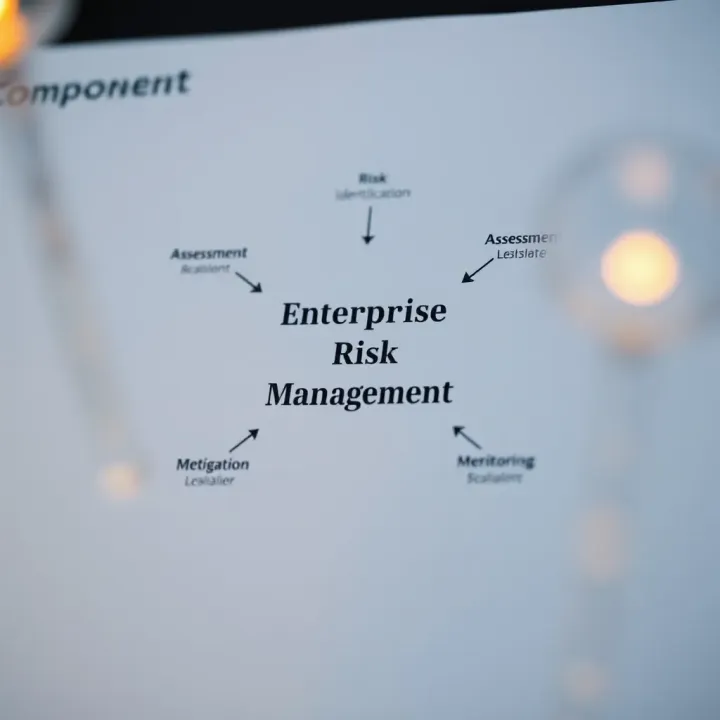
Explore how businesses in Kenya can use enterprise risk management 📊 to identify, assess, and manage risks, build strong risk culture, and enable better leadership decisions.
Based on 8 reviews