

Compliance and Risk Management for Kenyan Businesses
🔍 Learn key compliance and risk management strategies for Kenyan businesses. Understand local laws, identify risks, and use tech tools for safer operations.
Edited By
Charlotte Davies
Risk is part and parcel of doing business, especially in Kenya where market conditions and regulatory environments can change quickly. For traders, investors, analysts, and brokers, understanding how to manage risk effectively is not just an option—it’s a necessity. Without proper risk management, businesses can face losses that threaten survival and investment value.
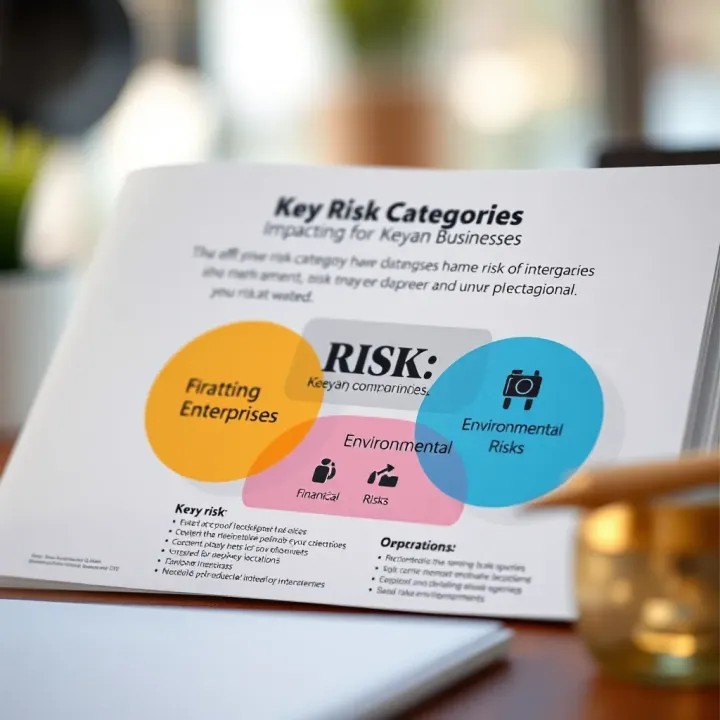
Kenyan businesses typically encounter many risk types, including market risk due to price volatility, credit risk from late or defaulted payments, operational risks linked to inefficiencies or fraud, and regulatory risk resulting from policy shifts by authorities like the Kenya Revenue Authority (KRA) or Central Bank of Kenya (CBK). Additionally, risks linked to technology, such as cyber threats, are rising, especially for firms handling digital payments via M-Pesa or other platforms.
A proactive risk management approach involves identifying risks early and putting controls in place before those risks escalate. This could mean conducting regular risk assessments, using financial hedging instruments to manage currency exposure, or adopting tighter internal controls to prevent fraud. For instance, a Nairobi-based exporter might hedge against the US dollar's fluctuations to prevent losses in foreign earnings.
Effectively managing risks helps build resilience, safeguards investments, and improves decision-making, which is crucial for businesses operating in Kenya’s dynamic economy.
Some practical steps include:
Mapping out all potential risks specific to your business activity and location
Prioritising risks based on their likelihood and potential impact
Developing policies to monitor and mitigate those risks continuously
Training staff to recognise and respond to emerging risks promptly
It’s also useful for businesses to embrace available tools, such as enterprise resource planning (ERP) systems for supply chain monitoring or insurance products tailored for local risks like political unrest or weather disruptions during long rains. Digital record-keeping simplifies compliance with KRA and other regulatory bodies, reducing the chance of penalties.
By adopting practical risk management strategies grounded in Kenya’s business reality, firms can not only survive challenges but also seize opportunities with more confidence and stability.
Kenyan businesses operate in an environment full of uncertainties, from fluctuating market demands to regulatory shifts. Understanding risk helps firms anticipate potential challenges instead of reacting when they occur. This proactive approach saves costs, protects reputations, and ensures smoother operations. For instance, a dairy farmer near Eldoret who fails to account for seasonal price drops may face losses or unsold stock, while one who plans for seasonal variation through storage or contract sales secures better earnings.
Risks also differ depending on sector, scale, and even region within Kenya. A tech startup in Nairobi might worry about cybersecurity and talent retention, whereas a Jua kali artisan in Mombasa might contend more with supply interruptions and weather. Recognising these impacts helps allocate resources effectively and builds resilience over time.
In simple terms, risk means anything that could negatively affect a business’s goals or operations. In Kenya, this definition stretches to include local factors such as political changes around election time, disruptions caused by infrastructure issues like power outages, or economic pressures such as inflation impacting consumer spending. Unlike generic definitions, Kenyan businesses must weigh both classic business risks and context-specific uncertainties.
Financial risks revolve around issues that affect a business's cash flow and capital. This includes currency volatility especially for importers or exporters dealing in dollars or euros, fluctuating interest rates impacting loan repayments, and delayed payments through platforms like M-Pesa or bank transfers. A Nairobi-based trader importing electronics might face sudden KSh depreciation against the dollar, making stock costlier and squeezing margins.
These risks come from internal processes or systems failing. Examples include machinery breakdowns in a factory in Nakuru or delayed delivery of raw materials due to logistics challenges. Operational hiccups can slowdown production or service delivery, hurting customer satisfaction. For example, a flower farm near Thika losing cold storage capability risks spoiling blooms and losing contracts.
Kenyan businesses must navigate a patchwork of county and national regulations, including tax compliance via iTax, NHIF contributions, and environmental standards. Failure to comply invites penalties or shutdowns. In recent years, stricter food safety laws have affected many eateries in Kisumu, forcing them to upgrade facilities or face closure.
Changing customer preferences, entry of new competitors, or shifts in pricing power can impact profitability. For example, a matatu operator in Nairobi could lose passengers to ride-hailing apps like Uber or Bolt. Similarly, supermarkets like Naivas face stiff competition from Jumia and local kiosks adapting fast to consumer needs.
Climate change effects such as floods during long rains or droughts affect agriculture-heavy businesses. Social unrest or community disputes can disrupt operations or damage assets. A horticulture exporter in Central Kenya may suffer crop losses from erratic rainfall, while a manufacturing plant could face shutdown if local community protests escalate.
Managing risk is not just about avoiding losses but enabling long-term success. Businesses that identify and handle risks well can adapt faster, take advantage of new opportunities, and secure investor confidence. For example, many agribusinesses now invest in irrigation and drought-resistant crops to reduce vulnerability. Risk-aware management also reassures banks and partners that a firm is reliable, making accessing credit or investment easier.
Businesses ignoring risk factors often find themselves playing catch-up, losing money and reputation. But those who understand and prepare are better placed to thrive despite uncertainties.
By embedding risk awareness into daily operations, Kenyan businesses can protect themselves against shocks and build a foundation for sustainable growth in the changing economic landscape.
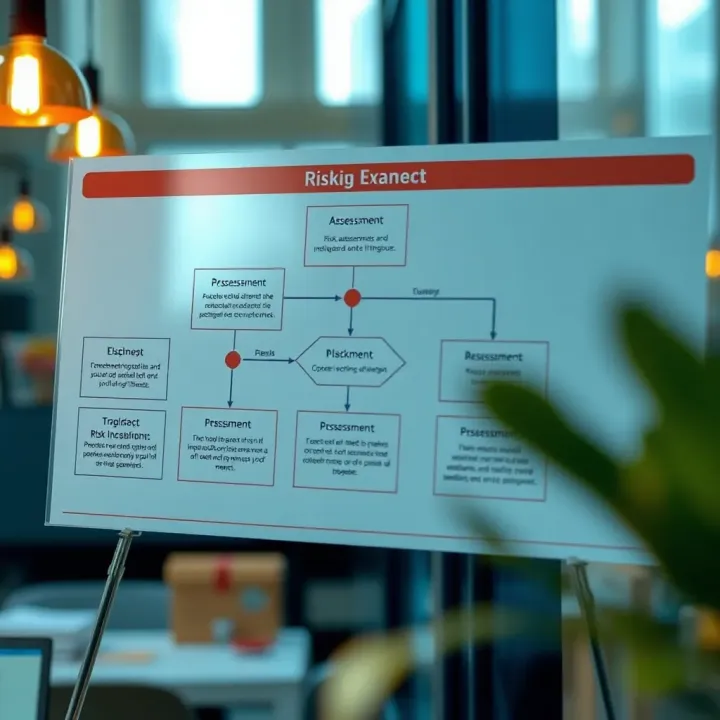
Developing a risk management plan is essential for Kenyan businesses aiming to stay afloat amid uncertainties. Such a plan helps firms identify potential threats, assess how likely those threats are, and decide on the best ways to handle them. This is not just about paperwork; it is a practical roadmap guiding decisions from Nairobi’s small retail shops to large manufacturers in Mombasa.
Effective risk identification starts by involving those who know the business inside out. Consulting stakeholders—including employees, customers, suppliers, and local community leaders—provides firsthand insights on risks that data alone might miss. For instance, a farmer in Kisumu may highlight risks related to delayed rains or poor road conditions affecting produce transport, which a desk report might overlook.
Stakeholder engagement is particularly valuable because it surfaces hidden vulnerabilities. A typical example is when a small fintech startup consults customers and discovers dissatisfaction with digital security measures, signalling a reputational risk that needs urgent addressing.
On the other hand, using industry-specific checklists allows for a systematic review of risks tailored to the business type. These checklists serve as reminders of common threats within particular sectors, such as regulatory changes in financial services or supply chain disruptions in manufacturing. For example, a Nairobi-based construction company may use a checklist covering compliance with county building regulations, worker safety, and materials quality.
Such checklists, especially when updated to reflect recent sector dynamics, help businesses not to miss risks that are often overlooked. They also streamline the identification process, saving time while capturing critical factors.
After risks are identified, it is necessary to evaluate how likely each risk is and the impact it would have if it occurs. This step enables businesses to focus resources on the most threatening challenges. For example, an exporter facing the risk of fluctuating foreign exchange rates will prioritise currency risk over less likely events like political unrest.
A simple risk matrix categorises risks into high, medium, and low based on these two factors, guiding Kenyan SMEs on when to act urgently and when to monitor.
Businesses have four main ways to respond to risks:
Avoidance: This means steering clear of actions that bring significant risk. For example, a retailer might choose not to stock certain imported goods prone to customs delays or high tariffs to avoid supply chain headaches.
Mitigation: Here, the business takes steps to reduce the risk’s impact. A manufacturer in Athi River may install fire safety equipment and train staff to minimise damage if a fire breaks out.
Transfer: This involves shifting risk to another party, often through insurance. A transport company might purchase cargo insurance to handle losses from accidents, effectively sharing the burden with the insurer.
Acceptance: Sometimes, businesses accept minor risks because the cost of managing them outweighs potential losses. A small café might accept occasional power outages, using a generator only during long interruptions.
Each approach fits different scenarios, and a good risk management plan blends them based on practicality and cost-effectiveness.
Risk management is not a one-time task. Conditions change, new risks emerge, and old ones fade. Kenyan businesses should set up a continuous review system, tracking both internal operations and external factors like market trends or policy changes. For instance, a business affected by seasonal rains will monitor weather forecasts regularly to adjust operations accordingly.
This ongoing process allows timely updates to strategies, keeping the plan relevant and effective. Regular review meetings, clear reporting channels, and updates to checklists are all critical aspects.
Remember: A risk management plan only works if it adapts to changes and involves everyone in the organisation, from the boardroom to the shop floor.
By following these key steps, Kenyan businesses can build resilience, protect investments, and create a foundation for sustainable growth.
Managing risk effectively requires more than just identifying and planning; it demands practical techniques and tools tailored to Kenyan business environments. These tools help businesses track, measure, and control risks in real-time, reducing uncertainties and supporting informed decision-making.
Risk management software automates the process of identifying and tracking potential risks. For Kenyan businesses, especially medium to large enterprises, such software brings clarity by centralising risk data, action plans, and reporting in one platform. For example, a Nairobi-based agricultural exporter can use software to monitor supply chain disruptions caused by weather or transport delays and get alerts to act swiftly. This not only saves time but also reduces errors from manual tracking.
Besides tracking, these systems provide dashboards that show risk status at a glance, making it easier for managers to prioritise resources. Despite the initial setup cost, the efficiency and improved oversight often pay off in fewer losses and better compliance with local regulations.
Data analytics turns raw data into actionable insights, enabling Kenyan businesses to spot patterns and potential risks before they escalate. For instance, a retailer in Mombasa might analyse sales, customer feedback, and supplier performance data to anticipate inventory shortages or fraudulent activities. By applying predictive analytics, they can adjust orders proactively to avoid losses.
Moreover, data analytics supports scenario modelling, helping firms evaluate the impact of market fluctuations or policy changes. This is especially useful given Kenya’s dynamic regulatory environment and fluctuating currency rates. Data-driven insights empower decision-makers to mitigate risks based on solid evidence rather than guesswork.
Insurance plays a key role in transferring risks away from businesses. Common policies in Kenya include property insurance, covering damage to business premises; public liability insurance, guarding against claims from third parties; and crop insurance, vital for farmers against drought or pests. For example, many Kenyan tea estates invest in weather-indexed insurance to protect against unpredictable climate events.
Health insurance and workers’ compensation are also essential, safeguarding employees and ensuring business continuity. Given Kenya’s high risk from accidents or health issues, these policies reduce financial shock from unforeseen incidents.
Selecting suitable insurance involves assessing which risks are most likely and costly. Kenyan SMEs often face tight budgets, so it’s wise to prioritise essential coverage linked directly to core operations. For example, a transport company might focus on vehicle insurance and third-party liability before considering less critical policies.
Working with knowledgeable brokers helps businesses navigate policy terms, premiums, and exclusions effectively. Also, reviewing policies annually ensures they keep pace with business growth and changes. Proper insurance cover acts as a safety net, allowing Kenyan businesses to take calculated risks without fearing devastating losses.
Robust financial controls and regular audits are vital for minimizing internal risks like fraud, mismanagement, or errors. Implementing clear procedures for cash handling, approvals, and record keeping limits exposure to theft or accounting mistakes.
Internal audits assess whether controls are working and compliance with tax laws such as KRA regulations. Additionally, external audits, especially for larger firms, provide independent validation of financial health and uncover hidden risks.
Together, sound financial practices build investor confidence and support sustainable growth by ensuring that resources are safeguarded and used efficiently.
Practical tools like technology, insurance, and financial controls are the backbone of effective risk management. Kenyan businesses that adopt these techniques tend to navigate uncertainties more confidently and maintain resilience against shocks.
Building a risk-aware culture is essential for Kenyan organisations aiming to thrive despite uncertainties. This culture encourages everyone in the business—from the boardroom to shop floor—to understand risks and take responsibility for managing them. Without this shared mindset, even well-designed risk plans can fall flat because people either ignore risks or hide problems until they escalate.
Training employees about risk identification and response equips them to recognise early warning signs before these develop into bigger issues. For instance, a retail shop in Nairobi trained its staff on spotting signs of fraud and theft among customers and suppliers. This training reduced inventory loss by 20% within six months. Practical sessions tailored to local business realities, such as handling disruptions from power outages or supply delays common in Kenyan towns, help employees connect theory with everyday challenges.
Ongoing education also updates staff on regulatory changes, like new KRA tax policies or NHIF contributions, helping avoid compliance risks. Simple workshops or online modules build these capabilities without heavy costs, making risk management part of daily work instead of a one-off event.
Open communication channels within organisations allow risk concerns to surface early. Kenyan businesses should encourage employees to report issues without fear of blame. For example, a manufacturing firm in Kisumu set up a confidential hotline where workers could report equipment faults or safety hazards instantly. This transparency led to faster interventions and reduced workplace accidents.
Also, regularly sharing risk information and updates during team meetings keeps everyone informed and alert. This approach fosters trust and collective problem solving. Clear reporting structures ensure that risk data reaches the right decision-makers who can act swiftly.
Transparency in reporting is not just about identifying threats—it’s about creating a workplace where employees feel valued and part of the solution.
Leaders set the tone for risk culture by actively promoting its importance. When top management in Kenyan companies prioritise risk discussions, allocate resources for risk controls, and acknowledge good risk management practices openly, employees follow suit. For example, a Nairobi-based fintech CEO regularly includes risk topics in town hall meetings and publicly recognises teams that handle disruptions effectively.
Leaders must also embed risk thinking into strategic decisions, such as expansion plans or investment choices. This signals that risks aren’t hindrances but factors to manage smartly. Practically, leaders can allocate budget for risk tools like software or insurance that suits Kenyan markets, showing commitment beyond words.
In sum, fostering a risk-aware culture ensures Kenyan enterprises remain nimble, aligned, and ready to face challenges head-on, protecting their investments and reputation in competitive environments.
🔍 Learn key compliance and risk management strategies for Kenyan businesses. Understand local laws, identify risks, and use tech tools for safer operations.

Discover how risk management safeguards assets, streamlines operations, and boosts trust in Kenyan businesses. Enhance your strategy today! 🔒📊🇰🇪

Learn smart forex risk management strategies tailored for Kenyan traders 🇰🇪. Protect your capital and boost your trading results with practical, easy-to-follow tips.
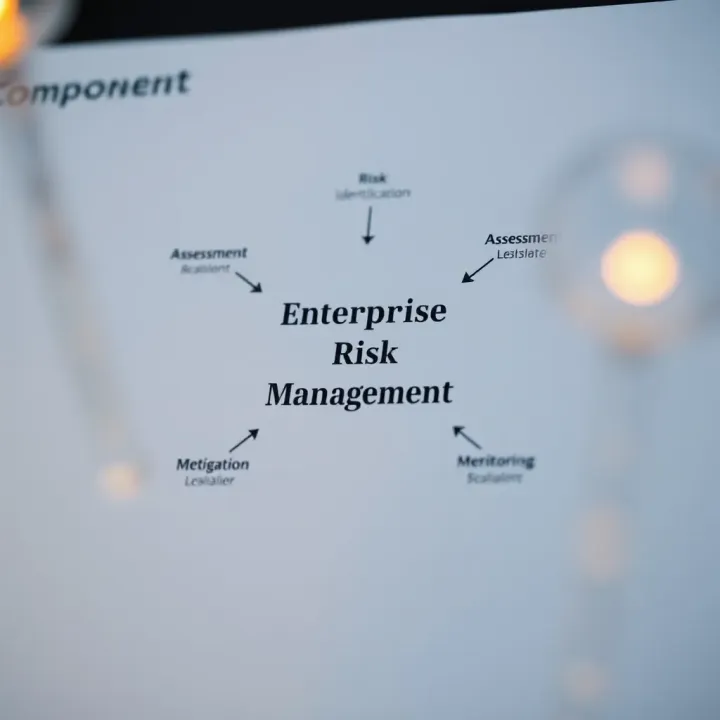
Explore how businesses in Kenya can use enterprise risk management 📊 to identify, assess, and manage risks, build strong risk culture, and enable better leadership decisions.
Based on 15 reviews