

Compliance and Risk Management for Kenyan Businesses
🔍 Learn key compliance and risk management strategies for Kenyan businesses. Understand local laws, identify risks, and use tech tools for safer operations.
Edited By
Sophie Grant
Risk management is an everyday concern for Kenyan traders, investors, analysts, and brokers alike. Every business, from a small kiosk in Nairobi's CBD to a large exporter in Mombasa, faces uncertainties that can affect operations and profitability. Managing these risks effectively can make the difference between steady growth and costly setbacks.
The first step in managing risk involves identifying the specific threats your business might face. This goes beyond obvious challenges like currency fluctuations or supply chain hiccups. For instance, a coffee exporter in Kiambu must consider risks such as changing weather patterns affecting crop yields, delays in transport due to roadworks, or fluctuating prices on the international market. Recognising these risks early helps set priorities for handling them.

Once risks are identified, the next step is assessment. This means evaluating both the likelihood and the potential impact of each risk. Kenyan businesses often use simple scoring methods to classify risks as low, medium, or high. For example, a mobile money service provider might rate the risk of network downtime as high in busy urban areas due to heavy usage, but low in rural regions.
From there, planning appropriate responses becomes key. Response strategies fall broadly into four categories:
Avoidance: Steering clear of certain risky activities altogether.
Mitigation: Taking measures to reduce the chance or effect of a risk, such as installing backup power generators in case of outages.
Transfer: Sharing risk with others, often through insurance or partnerships.
Acceptance: Intentionally taking the risk when the cost of avoidance or transfer outweighs potential losses.
Effective risk planning doesn’t stop at strategy setting; it requires consistent follow-up and adjustment as circumstances change.
Monitoring how these strategies perform means tracking key indicators regularly. A trader might watch exchange rate trends closely, while a manufacturer tracks equipment maintenance logs. If a risk starts to escalate, quick action is necessary to limit damage.
Finally, embedding risk management into everyday operations ensures it doesn’t become an isolated exercise. Kenyan firms can integrate risk discussions into weekly meetings, include risk data in management reports, and foster a culture where employees recognise their role in spotting and managing risks.
By following these practical steps—identification, assessment, response planning, monitoring, and integration—business professionals can reduce losses and improve readiness in the face of Kenya’s dynamic business environment.
Grasping the basics of risk management is essential for any trader, investor, or analyst working in Kenyan markets. Knowing what risks exist and how to classify them helps in taking the right precautions before losses occur. This foundation also guides how you allocate resources and respond when an unwanted event happens.
Financial risks refer to potential losses related directly to money – this could be market fluctuations, credit issues, or liquidity shortages. For instance, an investor holding stocks on the Nairobi Securities Exchange (NSE) might face financial risk if market prices swing unexpectedly due to economic shifts or political changes in Kenya.
Operational risks arise from problems within a company’s operations, such as system failures, fraud, or human error. For example, a bank might suffer losses if its transaction processing system breaks down or if staff make accounting mistakes, making these risks a daily management concern.
Strategic risks stem from choices that affect a business’s direction, like entering new markets or launching products. A company expanding into East African countries must consider strategic risks including unfamiliar regulations or cultural differences that can impact success.
Compliance risks involve failing to meet legal or regulatory requirements. Kenyan businesses must adhere to laws from bodies like the Capital Markets Authority (CMA) and Kenya Revenue Authority (KRA). Ignoring tax obligations or environmental rules can lead to penalties and damage to reputation.
Protecting assets and reputation is paramount. Safeguarding physical assets like equipment and intangible ones like brand value means fewer surprises and safer profits. For example, a logistics firm with strong security measures reduces chances of cargo theft, protecting both goods and client trust.
Ensuring continuity and resilience means preparing to keep operations running despite setbacks. Whether faced with drought affecting supply chains or a cyber attack, businesses that plan contingencies can avoid complete shutdowns. This boosts confidence among investors and clients.
Enhancing decision-making involves using risk insights to make smarter choices. When risks are clearly identified and assessed, management can weigh options better—like whether to invest in new machinery or enter a partnership. This creates a more informed, calm approach that avoids rash moves.
Effective risk management reflects understanding local realities and adapting globally proven practices. For Kenyan traders and investors, this translates to smoother operations, less financial shocks, and stronger market positions.
Understanding these fundamentals is the first step towards mastering risk management tailored to Kenya’s business environment. It helps traders and investors build strategies that respond to real threats with practical solutions, ensuring more sustainable growth.
Identifying and analysing risks form the backbone of any solid risk management plan. Before you figure out how to handle risks, you must first recognise what those risks are and understand their potential effects. Kenyan businesses, whether in Nairobi's bustling commercial centres or rural SME setups, cannot afford to overlook this step. Proper risk identification means spotting threats early, allowing for timely actions that can save costs and prevent reputational damage.

Brainstorming sessions gather key team members with different perspectives to openly discuss possible risks. This technique encourages sharing insights that might not appear in routine reports. For example, a horticulture exporter in Naivasha might discover new pest threats or transport delays through these sessions, which standard checklists could miss. The informal and collaborative setup promotes creativity, making it easier to catch hidden or emerging issues.
Checklists and audits are practical tools based on past experiences and industry standards. They provide a structured way for businesses to review operations against known risk factors. An example is a manufacturing firm in Athi River regularly auditing machinery maintenance and safety compliance using a checklist. This approach helps uncover overlooked risks like equipment wear or procedural lapses, ensuring businesses comply with regulations and avoid accidents.
Scenario analysis and stress testing push businesses to think about "what-if" situations. Scenario analysis involves crafting different potential events — such as political unrest affecting supply chains — to gauge possible outcomes. Stress testing goes further by simulating extreme conditions like a sharp forex fluctuation or sudden raw material shortage. For instance, a Kenyan textile exporter may use scenario analysis to prepare for changes in global cotton prices, enabling smarter hedging strategies.
Qualitative vs quantitative methods address how businesses assess risks. Qualitative methods use descriptive terms—like "high", "medium", or "low"—to evaluate risk impact and likelihood, helpful when precise data is scarce. Quantitative methods assign numerical values, such as expected financial loss in KSh. For a small trader lacking detailed data, qualitative assessments might guide quick decisions, while larger firms with access to financial metrics use quantitative approaches to forecast losses more accurately.
Risk matrices combine impact and probability to visualise priorities. By plotting risks on a grid—from low to high—you can quickly identify which risks demand urgent attention. A Nairobi-based agro-processing firm might use such a matrix to highlight critical risks, such as unreliable electricity supply, that score high on both impact and probability, prompting immediate mitigation.
Prioritising risks for action ensures resources are allocated efficiently. Not all risks need the same level of response. Once risks are identified and assessed, focusing on those with the greatest potential harm makes sense, especially where budgets are tight. For example, an SME dealing with currency volatility might prioritise currency risk management over less likely operational hiccups, ensuring the most damaging threats are handled first.
Proper risk identification and analysis not only prevent business losses but also strengthen decision-making capabilities, particularly in volatile Kenyan markets where quick, informed moves often make the difference.
By applying these techniques thoughtfully, businesses in Kenya and beyond can improve their resilience and position themselves better against uncertainties.
Developing practical risk response strategies helps businesses and investors prepare for risks effectively rather than react later. In Kenya’s dynamic market, a solid risk response plan can protect assets and keep operations running smoothly when unforeseen challenges arise. It involves selecting the right approach—either avoiding, sharing, accepting, or planning for risks—to match the business’s unique risk profile and capacity.
Process improvements focus on refining workflows and procedures to eliminate or reduce risks. For example, a trading firm might improve its verification steps to reduce errors in client transactions, cutting down on financial losses related to mismanagement. Continuous review and optimisation of processes help spot weak points before they escalate.
Technology deployment is vital for modern risk management. Using automated systems for monitoring, compliance checks, or data analysis reduces human error and speeds up response times. Kenyan firms embracing cloud computing or mobile platforms like M-Pesa for payments can lower risks associated with cash handling or delayed transactions.
Training and awareness equip staff with the skills and knowledge to spot and respond to risk promptly. Regular training on cybersecurity, regulatory requirements, or ethical conduct keeps the team sharp and reduces operational risks. In Kenya’s context, practical workshops on detecting fraud or data protection boost organisational resilience.
Insurance policies transfer financial risk to insurers, providing a safety net against losses from incidents like fire, theft, or business interruption. Kenyan SMEs benefit from tailored insurance packages covering their unique challenges, such as drought impact for agri-business or theft for urban retailers.
Outsourcing arrangements involve passing certain risk-heavy tasks to specialists. A company can outsource IT functions to an expert vendor who better manages cyber risk, or engage a transport firm with experienced drivers to handle delivery risks. This spreads the burden and brings in expert risk controls.
Contracts and warranties legally allocate risks between parties. Clear contract terms specify responsibilities and liabilities, protecting businesses from disputes or losses. For instance, a broker might include clauses ensuring compensation if a client’s funds are mishandled by a third party.
Setting risk tolerance levels means deciding which risks the business can afford to accept without action. A stockbroker might accept some market volatility as a normal business part, focusing resources on preventing fraud instead. Defining tolerance helps allocate resources wisely.
Establishing contingency reserves sets aside funds for unexpected costs related to risks that occur. Kenyan businesses often save a portion of profits in a ‘rainy day’ fund to cover events like late payments or equipment failures without disrupting operations.
Crisis management frameworks prepare organisations to act swiftly during emergencies. Developing clear communication plans, roles, and steps for dealing with crises like data breaches or supply chain disruptions enable smoother handling and faster recovery.
Strong risk response strategies reduce surprises and build confidence among investors, employees, and partners. Your ability to act swiftly and wisely often determines how well your business weathers challenges.
In summary, practical risk responses blend avoidance, sharing, and acceptance, fitted to your business needs. For Kenyan traders and investors, these strategies offer real safeguards in an environment full of uncertainty and opportunity.
Implementing and monitoring risk controls is vital for keeping a business resilient and agile, especially in the Kenyan market where unpredictability can come from many fronts. Proper execution of risk controls ensures that strategies crafted earlier translate into real-world safeguards, reducing potential losses and improving operational stability. Monitoring these controls helps spot any weaknesses early so they can be adjusted before risks escalate.
Clear roles and responsibilities form the backbone of effective risk control. When everyone in an organisation knows exactly what part they play in managing risk, accountability increases, and tasks do not fall through the cracks. For example, a financial analyst in a Nairobi investment firm should have clear duties around monitoring market signals and escalating anomalies to the risk officer without delays. Defining roles also aids quick decision-making during crises as teams understand their boundaries and authority.
Policy development is another key step in embedding risk management within daily operations. Policies spell out the approved procedures for handling risk, from reporting suspicious transactions to executing contingency plans during supply chain hiccups. In Kenya’s multi-layered business environment, having clear, written policies helps businesses comply with local regulations such as those imposed by the Capital Markets Authority (CMA) or the Central Bank of Kenya (CBK). Well-drafted policies reduce confusion and standardise responses across departments.
Staff engagement and communication keep risk management alive beyond just documents and meetings. Training sessions, regular briefings, and open communication channels encourage employees to voice concerns and share insights based on their front-line experience. For instance, a sales team in Mombasa might notice a sudden dip in client payments indicating credit risk – if communication channels are open, such insights reach management faster. Engaged staff tend to be more vigilant and contribute to a proactive risk culture.
Key risk indicators (KRIs) are measurable metrics that offer early warnings about potential risks. A merchant using mobile payments through M-Pesa might track delayed transaction volumes or customer complaint rates as KRIs signalling payment system risks. Setting thresholds for KRIs allows quick spotting of trends needing attention, enabling timely interventions before problems worsen.
Regular audits and reviews serve as checkpoints to verify whether risk controls work as intended. These reviews can detect gaps such as outdated software or unchecked credit limits. Kenyan SMEs, for instance, benefit from periodic risk audits to ensure compliance with tax regulations via the Kenya Revenue Authority (KRA) iTax system or NHIF contributions. Frequent reviews create opportunities to sharpen risk management strategies and adjust to changing business realities.
Using technology for risk monitoring has become indispensable. Tools like enterprise resource planning (ERP) systems, cloud-based risk dashboards, and automated alerts can track operations in real time. For example, a large agro-processing company in Eldoret may use technology to monitor supply chain risks linked to seasonal weather changes or transport delays. Technology bridges geography and time gaps, offering continuous oversight without heavy manual effort.
Embedding risk control and tracking within everyday operations transforms risk management from a back-office task into an active business enabler. Kenyan businesses that implement clear roles, robust policies, engaged staff, and reliable monitoring stand better chances of adapting quickly to challenges and safeguarding their future.
Creating a culture where every employee understands and values risk management is vital for any business looking to stay resilient and competitive. When risk awareness filters through all levels, organisations can spot potential threats early and react swiftly. This culture reduces surprises and encourages smart decisions that align with the company’s goals.
Top management involvement means that leaders actively show they take risk management seriously. When CEOs and directors lead discussions on risk and set clear expectations, this behaviour trickles down. For example, a Nairobi-based investment firm might hold quarterly meetings where the top team reviews key risk areas openly. This visible commitment sends a strong message: everyone must keep risk in mind, not just the risk team.
Aligning risk with strategy ensures the organisation’s overall business plan factors in risk considerations, not just profit targets. For instance, a trader focusing on forex markets must include market volatility in the strategy, rather than blindly pursuing gains. Integrating risk understanding into strategy helps businesses avoid risky ventures that don't fit their risk appetite and ensures resources focus on manageable threats.
Continuous learning programmes keep risk management skills fresh and relevant. In Kenya’s fast-changing economy, what worked last year might not serve today. Companies like Equity Bank run regular workshops to update staff on new compliance rules or emerging cyber risks. Ongoing education strengthens staff confidence to identify and handle risks before they escalate.
Encouraging open communication means creating a safe space where employees can report risks or mistakes without fear of blame. In practice, a manufacturing plant might establish anonymous reporting channels where workers flag safety concerns quickly. This openness leads to faster fixes and builds trust, ultimately lowering the chance of serious incidents.
Incident investigations involve digging into what caused failures or near-misses to prevent repeats. For example, after a supply chain disruption, a retailer might thoroughly review what went wrong—from supplier delays to internal miscommunication—and create clear fixes. This process uncovers practical lessons rather than blaming individuals.
Updating risk management practices means using insights from those investigations to revise policies and controls. If an incident exposed weak cyber protections, the IT team might upgrade firewalls and update user access protocols. This approach helps keep the risk management framework responsive and effective over time.
A risk-aware culture isn’t built overnight; it’s shaped by leaders setting examples, training continuously, encouraging honest talks, and learning from past mistakes. For businesses wanting to thrive in Kenya’s dynamic markets, this mindset forms the backbone of strong risk management.
🔍 Learn key compliance and risk management strategies for Kenyan businesses. Understand local laws, identify risks, and use tech tools for safer operations.

Discover how risk management safeguards assets, streamlines operations, and boosts trust in Kenyan businesses. Enhance your strategy today! 🔒📊🇰🇪

Learn smart forex risk management strategies tailored for Kenyan traders 🇰🇪. Protect your capital and boost your trading results with practical, easy-to-follow tips.
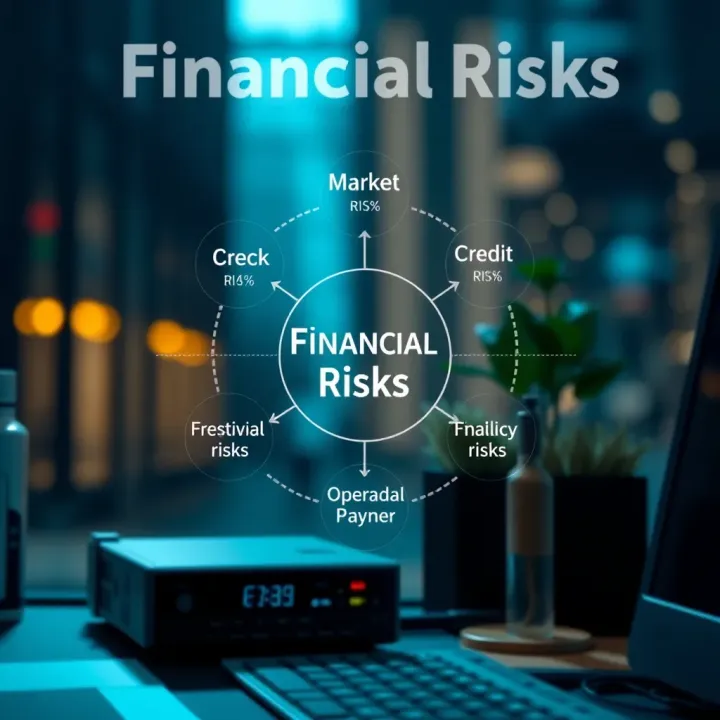
📊 Understand financial risk management for individuals & businesses in Kenya. Learn key risk types, assessment tools, and practical strategies to safeguard assets.
Based on 6 reviews