

Compliance and Risk Management for Kenyan Businesses
🔍 Learn key compliance and risk management strategies for Kenyan businesses. Understand local laws, identify risks, and use tech tools for safer operations.
Edited By
Emily Clarke
Managing financial risks is a day-to-day reality for Kenyan businesses, whether you're running a small kiosk in Nairobi or handling investments in the NSE. Financial risk refers to the chance that unexpected events will cause losses or reduce profits. Without a clear plan, these risks can derail your operations or even force closure.
Financial risk management means identifying where your money could be at danger, measuring how big the threat is, and putting controls to minimise the impact. This practice is essential not only for banks and large firms but also for SMEs that face cash flow uncertainties or currency shifts.
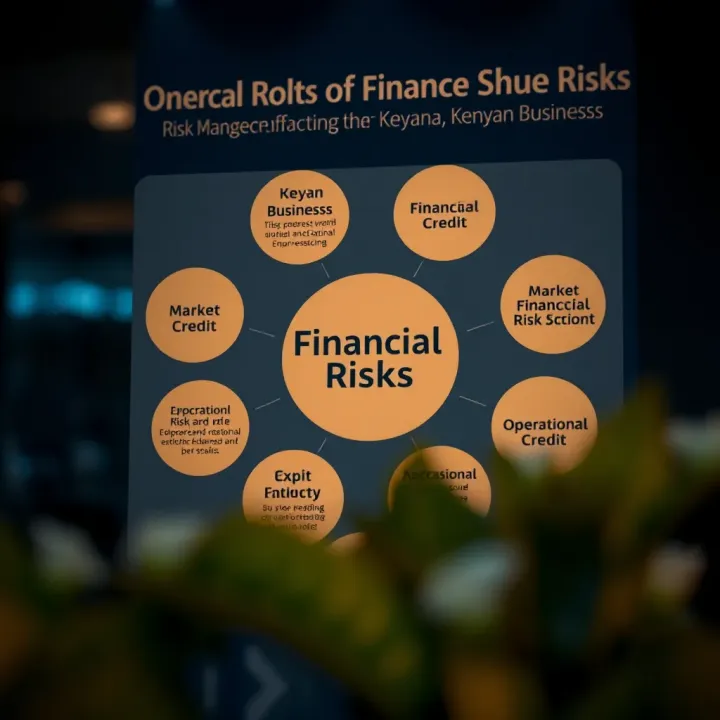
Understanding your specific risks helps you make smarter decisions, protect your assets, and keep your business afloat during tough times.
Typical financial risks include:
Market risk: Price swings in shares, bonds, or commodities affecting investments.
Credit risk: Customers or partners failing to pay what they owe.
Liquidity risk: Difficulty converting assets into cash without loss.
Operational risk: System breakdowns or fraud disrupting finances.
For instance, a trader dealing in foreign exchange must monitor currency movements closely because even a small change can affect profit margins. Likewise, an agribusiness sells produce in Nairobi may face credit risks when clients delay payments.
Kenya’s regulatory agencies such as the Capital Markets Authority (CMA) and Central Bank of Kenya (CBK) play a significant role by setting rules and frameworks that encourage responsible risk practices. Complying with these reduces penalties and builds investor confidence.
In this guide, you will learn practical methods tailored for the Kenyan market, like using M-Pesa for swift payments to reduce liquidity risk, or securing insurance policies that cover prevalent operational challenges like theft or fire.
Remember, good risk management is proactive, not reactive. It means continuously reviewing your exposures and adjusting strategies before problems escalate.
Understanding financial risks is key for any business navigating Kenya's dynamic economic environment. Knowing what risks exist and how they affect your financial health helps you plan better and avoid nasty surprises. For traders, investors, analysts, and brokers, grasping these risks means they can protect investments and advise clients more effectively.
Financial risks arise from uncertainty in markets, borrower reliability, or operational hiccups. These risks can hit your profit margins, stall growth, or even threaten the survival of your business. For example, a local exporter dealing in tea might suddenly face currency fluctuations that reduce profits, making it harder to pay suppliers or staff.
Financial risk refers to the chance that financial losses will occur because of uncertain factors in business or investment. These uncertainties could come from changes in interest rates, borrower defaults, or sudden market moves. Practically, it means the money you expect to make could be less than planned, or losses might pop up unexpectedly.
When a business misjudges financial risks, it might overextend credit to unreliable customers or fail to prepare for market downturns. This can cause cash shortages or force a firm to borrow at unfavourable terms. For instance, a Kenyan trader relying heavily on a single supplier could be forced to halt operations if the supplier faces financial trouble, demonstrating how financial risks ripple through operations.
Market risk involves losses from changes in market prices, such as stocks, currencies, or commodities. Kenyan exporters and importers face market risk daily due to foreign exchange fluctuations. A decline in the Kenyan shilling against the US dollar can increase costs for businesses importing goods, squeezing their margins unexpectedly.
This is the risk that a borrower or counterparty will fail to meet contractual payment obligations. Kenyan SMEs often grapple with this when clients delay or default on payments. For example, a supplier providing stock on credit to several small shops in Nairobi may suffer if many shops default simultaneously, affecting the supplier’s cash flow.
Liquidity risk means the business cannot quickly convert assets into cash without significant loss. A company might be asset-rich but cash-poor, unable to meet immediate obligations like paying staff or suppliers. In Kenya, this can happen when assets like land or equipment take long to sell or are illiquid during tough economic periods.
Operational risk comes from failures in processes, people, or systems. This includes fraud, IT system breakdowns, or human error. For instance, if an M-Pesa agent in a remote town faces system downtime, both the agent and clients face operational risk affecting daily transactions and trust in the service.
Changes in laws or failure to comply can lead to fines or restrictions. Kenyan financial firms must follow rules set by bodies like the Central Bank of Kenya (CBK) and the Capital Markets Authority (CMA). Non-compliance can result in penalties or business shutdown. A new tax policy affecting import duties can also impose legal risk for traders who aren’t prepared.
Understanding these financial risks equips you to anticipate problems and protect your business or investments better. Ignoring them is like walking blind through a busy Nairobi market—accidents are bound to happen.
Managing financial risks is a practical necessity for Kenyan businesses, especially those operating in dynamic markets like Nairobi or Mombasa. Understanding how to spot potential threats early, measure their possible impact, and decide on the best way to handle them can save businesses from costly errors or losses.
Risk mapping is a straightforward yet effective way to visualise and pinpoint where risks lie within your business operations. By laying out business activities and resources on a map or chart, companies can identify hotspots where risks cluster. For instance, a Nairobi-based exporter might map risks related to currency fluctuations, delays at the port, and payment defaults. This helps in directing attention and resources to the most vulnerable areas.
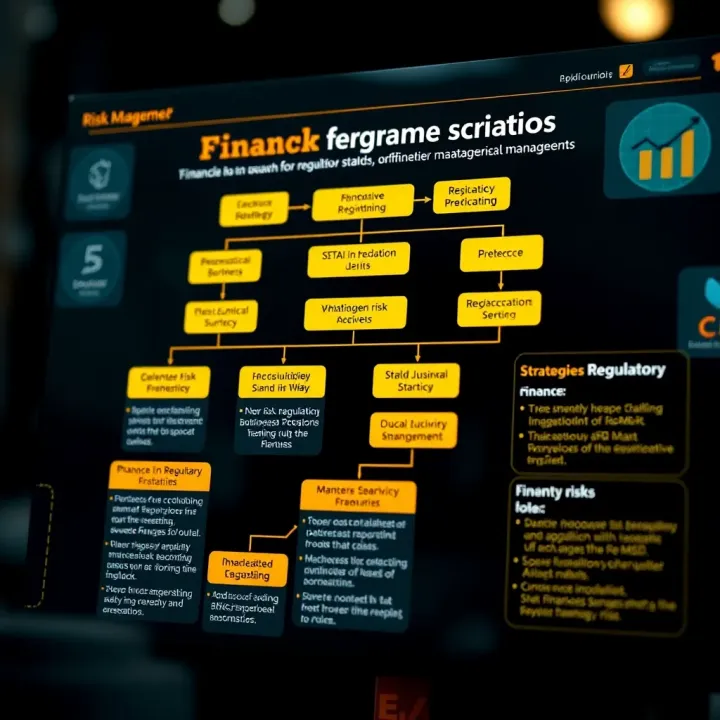
Besides mapping, businesses rely on quantitative and qualitative tools to assess risks more precisely. Quantitative tools use numbers — such as loss history, probability models, or financial ratios —to calculate possible losses. For example, traders on the Nairobi Securities Exchange (NSE) may use statistical models to forecast market volatility. On the other hand, qualitative tools involve expert judgement, interviews, or surveys to understand risks that don't easily show up in numbers. Combining both approaches gives a fuller picture of potential financial threats.
Risk avoidance and reduction means steering clear of risky activities or cutting down the chance and impact of risks. For example, a business might avoid dealing with suppliers who have poor credit history or reduce stock levels to limit excess inventory risks. While this might mean missing some chances, it ensures smoother operations and fewer surprises.
Risk transfer through insurance and hedging allows a business to shift some of its risks to other parties. Insuring property or vehicles protects from unexpected losses due to fire or theft, an essential step for jua kali artisans or transport operators. Hedging, such as using currency forwards or futures, shields exporters or importers from sharp shilling exchange rate movements. Choosing the right insurance policy or hedging instrument requires understanding the specific risks involved and cost trade-offs.
Risk retention and contingency planning involves accepting certain risks while preparing backup plans to handle them. Small traders might choose to self-insure minor risks while having a cash reserve for emergencies. Contingency plans outline steps to take if something goes wrong — like securing alternate suppliers in case of delays or arranging credit lines to ease temporary cashflow gaps. This approach helps maintain business continuity even when unexpected shocks hit.
Effective risk management blends sound assessment with practical controls. Kenyan businesses that adopt these techniques improve their financial stability and set a strong base to grow confidently in challenging environments.
Kenyan businesses face unique financial risks that require a tailored approach to risk management. Implementing effective risk management within Kenya's financial settings means aligning strategies with local regulations, market conditions, and technological developments. Doing so helps businesses protect their assets, maintain stable cash flow, and improve investor confidence.
Understanding the local regulatory environment and adopting relevant tools can make risk management more practical and effective. For instance, the Central Bank of Kenya (CBK) has a significant role in shaping policies that affect how financial institutions manage risks. At the same time, technology adoption helps firms stay ahead of emerging challenges, especially given Kenya's vibrant mobile payment ecosystem.
The Central Bank of Kenya guides financial institutions through policies that promote stability and control risks such as credit defaults and liquidity challenges. For example, CBK's prudential regulations set capital requirements for banks, helping ensure they have enough buffers to absorb potential losses. Kenyan traders and investors rely on these rules to gauge financial institution health and overall market stability.
CBK also monitors compliance closely, imposing penalties on entities that take excessive risks. This oversight encourages companies to implement strong risk controls internally, reducing the likelihood of systemic shocks.
The Capital Markets Authority (CMA) regulates Kenya’s capital markets, setting standards for transparency and investor protection. Compliance with CMA requirements demands that listed firms disclose financial risks adequately, maintain proper governance, and implement sound internal controls.
These measures benefit investors and brokers by lowering information asymmetry and fostering trust in the NSE (Nairobi Securities Exchange). For example, a firm adhering to CMA guidelines signals better risk awareness, attracting more stable capital investment.
Beyond banking and capital markets, various sectors in Kenya have specific risk management mandates. Insurance companies, for instance, must follow the Insurance Regulatory Authority rules on capital adequacy and risk provisioning. Similarly, fintech firms comply with CBK’s sandbox guidelines to mitigate operational and cyber risks.
Such tailored regulations ensure industry-specific risks are managed effectively without stifling innovation. Businesses operating in multiple sectors must navigate these layered rules to maintain compliance and operational resilience.
Modern Kenyan firms utilise financial software like QuickBooks, Sage, or tailored ERP systems to track transactions, analyse cash flows, and identify risk exposure early. These tools provide dashboards highlighting overdue payments, fluctuating currency rates, or margin squeezes.
Analytics further allow businesses to simulate scenarios, such as changes in interest rates or commodity prices, helping traders and analysts prepare for market shifts. Real-time data access supports timely decision-making and risk mitigation.
Mobile payment platforms such as M-Pesa and KCB M-Pesa dominate Kenyan transactions, offering convenience but also introducing new risks like fraud, system outages, and data breaches. Businesses need to implement fraud detection tools and secure authentication to protect against scams targeting mobile wallets.
Moreover, reliance on mobile networks exposes firms to operational risks if services go down, which can disrupt cash flow and financial reporting. Regular system audits and backup payment options are practical ways to manage these risks.
Applying risk management within Kenyan financial settings involves understanding local rules and adopting appropriate technologies. This approach safeguards businesses against common pitfalls and strengthens their position in a rapidly evolving market.
SMEs in Kenya face a unique set of risks that can severely affect their survival and growth. Understanding these challenges is key to identifying opportunities for strengthening financial resilience. Unlike large corporations, many SMEs have limited resources and less access to formal credit, making risk management a practical necessity rather than a luxury.
Many Kenyan SMEs struggle with managing cash flow, which is the lifeblood of their operations. Delays in customer payments, especially in sectors like retail or services, can disrupt the ability to pay suppliers or staff on time. For example, a small wholesaler in Nakuru might face late payments from local retail shops, forcing reliance on short-term loans with high interest rates.
Credit access is another hurdle. Banks often require collateral that SMEs lack, while informal lenders might charge exorbitant rates. This gap can make it difficult for businesses to invest in stock or equipment, limiting potential growth or forcing risky borrowing.
Kenyan SMEs operate in rapidly changing markets. Price fluctuations for raw materials like maize or fuel can impact input costs overnight. A roadside duka selling groceries in Eldoret, for instance, may see supplier prices rise sharply after the long rains, straining pricing decisions.
Competition also intensifies as matatu routes expand and mobile money makes it easier for new players to enter the market. SMEs must stay alert to customer preferences and price wars, or risk losing market share to more agile or better-funded competitors.
Though often overlooked, fraud and cyber risks threaten Kenyan SMEs increasingly. A small business using M-Pesa for payments might fall victim to SIM swap scams, leading to loss of funds. Similarly, as businesses adopt mobile payment and simple accounting software, they expose themselves to hacking or data breaches without strong digital safeguards.
Physical fraud, such as theft or falsified invoices, also drains resources. SMEs usually lack robust internal controls, making them vulnerable to such exploitation from within or outside.
SMEs do not need complex models to manage risks effectively. Basic tools like cash flow forecasts and simple checklists can reveal key vulnerabilities. For example, tracking payment patterns can help anticipate cash shortages, prompting earlier supplier negotiations or alternate financing planning.
Risk mapping—listing potential threats and their impact—helps owners prioritise actions without getting lost in technical jargon. This hands-on approach fits well with the busy schedule of SME owners.
Many SMEs overlook insurance as an unnecessary expense. However, products like group health insurance or fire policies tailored for small businesses are increasingly affordable and vital. For example, an SME in Nairobi’s industrial area with an affordable fire insurance policy can avoid crippling losses if the workshop suffers a blaze.
Microinsurance schemes targeting sectors like agriculture or retail are becoming more accessible. These options protect cash flows against unexpected events, giving SMEs breathing room to recover without total disruption.
Relying on one customer, market, or product line is risky. Encouraging SMEs to diversify their income streams can reduce vulnerability. A florist in Mombasa could branch into event planning or offer floral delivery services to spread risk.
Diversification also means exploring multiple payment channels—combining cash sales with M-Pesa, bank transfers, or card payments decreases dependency on any single system. This builds resilience against sector shocks or technological failures.
SME owners should view risk management as part of their daily routine, balancing cautious planning with nimble adaptation to Kenya's dynamic business environment. Small steps in recognising and managing risks can prevent setbacks from turning into business-ending crises.
Building a solid risk management framework is essential for Kenyan businesses aiming to guard against financial setbacks. The framework provides a clear structure for identifying, measuring, and managing risks consistently across the organisation. Without it, companies often face unclear responsibilities, hasty decisions, and financial losses that could have been avoided. For traders and investors, this framework builds confidence by showing that risks are not left to chance but are systematically controlled.
Setting a risk appetite means defining how much risk your business is willing to tolerate to achieve its goals. In practical terms, this helps businesses choose whether to pursue aggressive investments in volatile sectors or stick with safer, steadier options. For example, a Nairobi-based exporter might decide to limit exposure to foreign exchange fluctuations after a review of past losses due to shilling volatility.
Setting clear limits puts guardrails on different risk types, like how much credit risk the business is willing to accept or what cash flow shortfalls can be managed without impacting operations. These limits guide daily decisions, helping staff avoid risky deals that exceed the company’s tolerance. It also ensures that escalating risks are flagged early before they grow out of control.
A risk management policy must spell out who does what. Allocating clear responsibilities avoids confusion and helps staff understand their role in managing risks. For example, the finance manager may be tasked with monitoring liquidity risk, while the procurement head handles operational risk from supplier delays.
Documentation should also outline the steps to follow when risks materialise, such as who to inform, how to assess impact, and the process for corrective action. This clarity reduces response delays and ensures that risks are handled uniformly across teams. In Kenyan SMEs, clear documentation often makes the difference between managing risks promptly and suffering avoidable losses.
Training staff on risk management principles helps build a risk-aware culture. It equips employees with the knowledge to spot potential problems early and understand the company’s risk appetite. For example, a bank in Mombasa might train frontline staff to detect fraud signals linked to mobile money transactions.
Regular communication keeps risk management fresh in employees’ minds and encourages sharing of concerns or new risks as the business environment changes. Workshops, briefings, or simple newsletters can keep information flowing, helping everyone play their part.
Encouraging accountability means individuals recognise and own their role in risk management. When staff know they will be responsible for actions or decisions, they tend to handle tasks more carefully. This is particularly important in finance roles where errors can cause large losses.
Transparency allows risks and responses to be visible across the organisation, enabling better oversight and trust. For example, sharing audit findings or reporting risk exposures openly with senior management promotes a culture where problems aren’t hidden but managed constructively. This openness also reassures investors and partners that the business handles risks seriously.
A well-built risk management framework isn’t just paperwork—it’s a practical tool that helps Kenyan businesses navigate uncertainty and safeguard their financial future.
By investing in clear policies, proper training, and a culture of accountability, businesses can operate more confidently and respond better to financial challenges.
🔍 Learn key compliance and risk management strategies for Kenyan businesses. Understand local laws, identify risks, and use tech tools for safer operations.

Discover how risk management safeguards assets, streamlines operations, and boosts trust in Kenyan businesses. Enhance your strategy today! 🔒📊🇰🇪

Learn smart forex risk management strategies tailored for Kenyan traders 🇰🇪. Protect your capital and boost your trading results with practical, easy-to-follow tips.
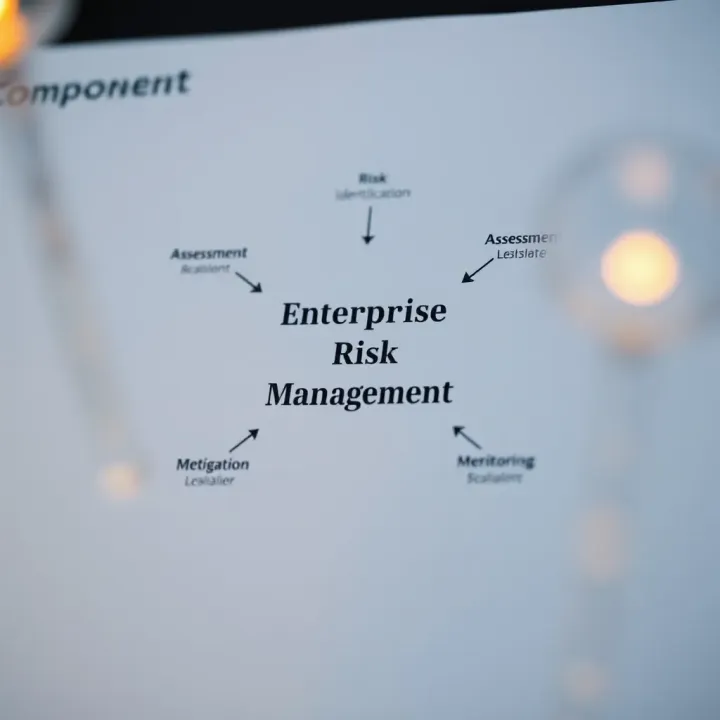
Explore how businesses in Kenya can use enterprise risk management 📊 to identify, assess, and manage risks, build strong risk culture, and enable better leadership decisions.
Based on 8 reviews