

Understanding Project Risk Management
📊 Master project risk management to identify and tackle uncertainties affecting project success. Learn key steps and common risks in Kenya's business environment.
Edited By
Grace Mitchell
Risk management is about spotting potential problems before they happen and figuring out how to deal with them. In Kenya’s business environment, from small-scale traders in Nairobi’s markets to big firms on the NSE, understanding various risks is key to keeping operations steady and profitable. Risks come in different shapes, and each affects decision-making differently.

Market Risk: This relates to fluctuations in market prices. For example, a forex trader dealing with USD/KES can face losses if the Kenyan shilling suddenly weakens due to changes in economic indicators or political tensions. Investors in NSE also feel this when stock prices drop unexpectedly.
Credit Risk: This occurs when borrowers fail to repay their loans. Microfinance institutions in Kenya often grapple with this kind of risk when clients default on loans, affecting the lender’s cash flow and overall business.
Operational Risk: These are risks arising from internal failures, such as system breakdowns or fraud. A common Kenyan example is a cyber attack on an M-Pesa agent causing service disruptions which then impacts customer trust and business revenues.
Liquidity Risk: Businesses and banks face difficulties when they cannot easily convert assets to cash without loss. For instance, a farmer who cannot quickly sell fresh produce due to transport strikes faces liquidity constraints since his earnings are delayed.
Legal and Regulatory Risk: Changes in regulations or failing to comply with local laws can lead to fines or shutdown. For example, new county bylaws on market operations or tax regulations demand constant monitoring so businesses remain compliant.
Environmental Risk: This covers risks from natural events or environmental factors. The long rains causing floods that destroy property and disrupt transport routes illustrate this risk sharply in Kenya.
Reputational Risk: Losing customer trust can be costly. A Safaricom network outage or a scandal involving bribery impacts brand image and customer loyalty directly.
Effective risk management requires recognising these distinct types, and preparing tailored strategies. A risk in one area may not affect another the same way, so Kenyan businesses need a balanced approach that covers all fronts.
Understanding these risk categories helps traders, investors, and analysts make better choices. It allows them to protect investments, avoid losses, and contribute to a more resilient financial and business environment in Kenya. Practical risk management is not just about avoiding dangers but also about identifying opportunities within uncertainties.
By recognising the specific risks prevalent in Kenya’s economic and social landscape, stakeholders are better positioned to plan, allocate resources wisely, and respond swiftly when challenges arise.
Risk is a part of every business decision and daily operation. Understanding risk means knowing what threats could affect your goals and how to prepare for them. For example, a Kenyan farmer planting maize faces risks like drought or pests, while a stockbroker in Nairobi has to consider market fluctuations and regulatory changes.
Starting with a clear overview of risk helps organisations and individuals identify where they might lose money, reputation, or time. It gives you the chance to act before problems grow too big. Without this groundwork, managing risks is like walking blind – you might spot danger too late or miss it entirely.
Risk refers to the chance that something unexpected will happen, causing harm or loss. This might be financial loss, operational failure, or reputational damage. In management, understanding risk means recognising these potential setbacks and planning how to avoid, reduce, or accept them.
Take a Nairobi-based manufacturing company. Its risk could be a machine breaking down, leading to production delays and lost orders. The management’s role is to identify this early, assess how likely it is, and decide whether to fix machines regularly or keep backup equipment ready.
Risk management isn’t about avoiding all risks – that’s impossible. Instead, it’s about balancing risks against rewards and ensuring the business stays on course even when challenges appear.
Knowing the types of risk your business faces helps you focus resources wisely. Risks come in many forms – operational, financial, legal, or strategic – each with its own impact and solution.
For instance, a trader on the Nairobi Securities Exchange must understand market risk linked to price swings, while a lender needs to consider credit risk from borrowers failing to repay loans. By identifying specific risks, you can tailor strategies like buying insurance, diversifying investments, or improving compliance checks.
Recognising different risk types allows firms and individuals to prepare tailored responses, improving resilience and preventing costly surprises.
In Kenya's fast-changing business scene, new risks emerge regularly, such as those related to cyber threats or political changes during election cycles. Identifying these early means you can take practical steps before they escalate, protecting your assets and reputation.
To sum up, an overview of risk sharpens your ability to spot threats early, understand their nature, and plan accordingly. This foundation guides all other risk management activities, helping keep your business or investment safer and more predictable.
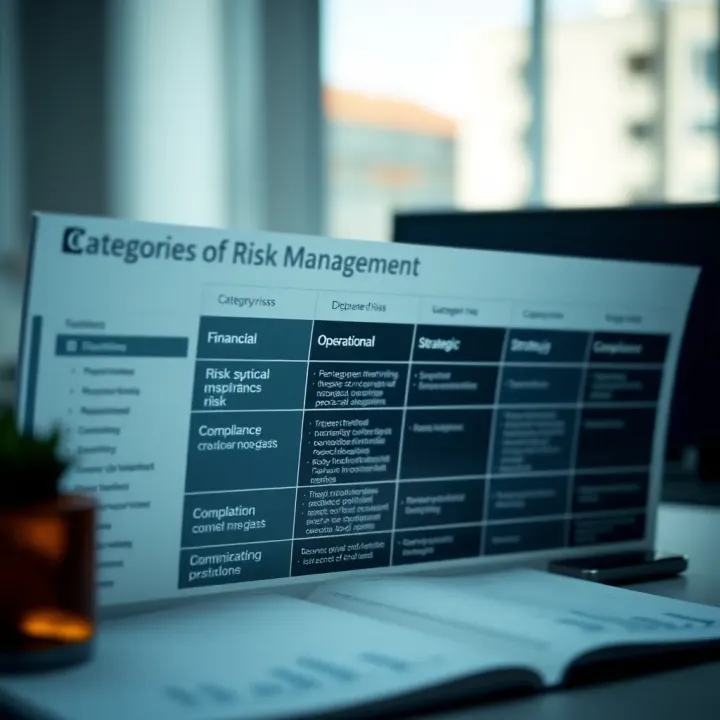
Operational risks affect the day-to-day functions that keep organisations running smoothly. They come from internal processes, people, systems, or external events that disrupt regular operations. For traders, investors, and analysts, understanding these risks is crucial because they can cause unexpected costs or losses that influence company performance and investor returns.
In Kenyan businesses, operational risks are particularly relevant due to the fast-changing economic environment and the unique challenges faced by local companies. For instance, power blackouts or disruptions in matatu transport can delay supply chains, impacting production or service delivery. Moreover, technological glitches or human errors in handling transactions via platforms like M-Pesa might interrupt cash flows and customer trust.
Operational risks come in many shapes, but some are quite common across different sectors:
Process Failures: These include breakdowns in procedures like invoicing errors or delays in order processing.
Human Errors: Mistakes by staff, such as incorrect data entry or failure to follow compliance steps, can lead to financial loss or regulatory fines.
System Failures: IT system crashes or cyberattacks can disrupt business operations, as seen when online trading platforms experience downtime.
External Events: Unforeseen events like floods, political unrest, or pandemics that affect the workplace or supply chains.
For example, a Kenyan horticultural exporter relying on timely shipments might face operational risks if customs clearance is delayed due to paperwork errors or strikes at the port.
Managing operational risks in Kenya requires blending global best practices with local realities. Businesses should start by mapping out critical processes and pinpointing where failures are most likely. Regular staff training is key to reduce human errors, especially in handling digital payments and compliance.
Investing in reliable IT infrastructure and backup systems helps minimise system downtime. Many Kenyan firms adopt cloud services to ensure data security and ease recovery in case of failures. Also, building good relationships with suppliers and logistics providers can help manage risks from external disruptions.
Beyond technology and process improvements, firms should have contingency plans addressing local issues like power outages or transport strikes. For instance, a manufacturing company may install generators and maintain buffer stock to avoid production halts.
Operational risk management is not just about avoiding losses but ensuring that business operations remain steady, even when things don’t go as planned. For Kenyan businesses, this approach protects profitability and builds investor confidence.
By recognising common operational risks and adapting management strategies to the Kenyan environment, organisations can safeguard their operations and contribute to more stable investment landscapes.
Financial risks affect how money is managed and can have real consequences for traders, investors, and financial analysts. In Kenya’s dynamic market, understanding these risks helps protect investments and avoid losses that could destabilise your portfolio or business operations. Financial risks vary from unpredictable market movements to failing borrowers and even the challenge of keeping cash flowing. Recognising these helps you handle money wisely.
Market risk refers to losses from changes in market factors like stock prices, interest rates, or foreign exchange rates. For example, if you're invested in shares on the Nairobi Securities Exchange (NSE) and the market dips due to political unrest or an economic downturn, your portfolio loses value. This is market risk at work. Credit risk, however, involves the chance that people or organisations borrowing money won’t repay it. A typical case is a business extending credit to suppliers who later delay payments or default, impacting cash flow. Both risks matter because they can quietly erode your financial stability if ignored.
Liquidity risk occurs when it becomes hard to convert assets into cash without loss, or when cash reserves dry up unexpectedly. Imagine a small business relying on quick payments through M-Pesa and suddenly facing payment delays, or difficulty accessing banking services during public holidays. This squeezes operations and can stall growth. For investors, liquidity risk arises if they need to sell shares fast but find no buyers at fair prices. In either case, poor liquidity means struggling to meet immediate financial commitments.
Managing financial risks requires a blend of vigilance and smart planning. Some practical strategies include:
Diversification: Spread investments across different sectors or instruments to reduce the impact of one area underperforming.
Credit assessment: Carefully evaluate customers’ or partners’ financial health before extending credit.
Maintaining cash buffers: Keep sufficient liquid funds to cover short-term expenses or unexpected needs.
Hedging: Use financial products like futures or options to protect against market fluctuations, though this requires expertise.
Regular monitoring: Keep an eye on market trends, interest rates, and credit standings to adjust strategies promptly.
Effective risk management translates to protecting your money from unseen pitfalls in Kenya’s vibrant but sometimes volatile market. It’s not just for big institutions; even small traders and investors benefit greatly from understanding these risks.
By getting a handle on financial risks, Kenyan investors and businesses can sustain their growth, minimise losses, and feel more confident navigating the ups and downs of the market and credit landscapes.
Legal and compliance risks can seriously disrupt business operations if overlooked. These risks arise when an organisation fails to follow laws, regulations, or contractual obligations. Addressing them early reduces potential penalties, lawsuits, and loss of reputation. In Kenya, businesses encounter a complex regulatory landscape, making it vital to understand these risks clearly.
Regulatory risks refer to changes or failures related to government rules that affect how companies operate. For example, a bank in Kenya may face regulatory risk if it does not comply with the Central Bank of Kenya’s (CBK) directives on anti-money laundering. Ignoring these rules could result in hefty fines or even suspension of licences. On the other hand, contractual risks come from the possibility that one party in a contract fails to meet agreed terms. Suppose a supplier in Nairobi delays delivery repeatedly; the buyer faces operational disruptions and possibly financial loss. Both risks require careful monitoring and management to avoid costly disputes or sanctions.
To guard against these risks, businesses should regularly review contracts and stay updated on regulatory changes. Legal audits and consultations with experienced lawyers can identify weak spots before they become threats. Technology tools can also help track regulatory updates and contract deadlines, making compliance easier to maintain.
Kenya’s business climate poses particular challenges for compliance. Numerous agencies regulate different sectors, such as the Kenya Revenue Authority (KRA) for tax or the National Environment Management Authority (NEMA) for environmental standards. Companies often struggle to keep pace with evolving policies, especially SMEs without dedicated compliance teams.
Corruption and bureaucratic delays add layers of complexity, sometimes encouraging shortcuts that increase exposure to risks. For instance, delayed approval from local county governments may hold up project timelines, leading to penalties or financial setbacks. Furthermore, navigating compliance across varied sectors like manufacturing, finance, and agriculture demands tailored strategies.
Staying compliant in Kenya means more than following laws—it requires an active approach to monitoring changes, educating staff, and fostering ethical culture within an organisation.
Building strong internal controls and engaging in continuous staff training are practical ways to manage these challenges. This approach not only reduces legal risk but also strengthens trust with clients, regulators, and partners. Ultimately, mastering legal and compliance risks helps businesses operate smoothly and earn long-term stability in Kenya’s dynamic market.
Strategic and reputational risks are often overlooked but carry heavy consequences. They affect long-term organisational goals and public perception, both essential for sustained success. For traders, investors, and analysts operating in the Kenyan market, understanding these risks helps navigate decisions that might otherwise lead to loss or damage.
Strategic risks arise from choices made at the top level—entering new markets, launching products, or shifting business models. A wrong call can drain resources or leave a company vulnerable. For example, a Kenyan company expanding into a neighbouring East African country without proper research might face unexpected regulatory hurdles or lack of market demand. This could lead to financial losses and distract management from core activities. It’s wise to conduct thorough market analysis, assess political stability, and consider competitors before making such moves.
Moreover, rapid shifts in global markets, such as changes in commodity prices, can affect firms heavily reliant on exports. If a company ignores these factors, it risks inventory piling up or price slumps that eat into profits. Strategic planning must therefore include scenario analysis and contingency plans to handle surprises.
Reputation is a fragile yet valuable asset that can be damaged quickly, especially in the age of social media and constant news cycles. For Kenyan businesses, keeping a good name means consistently delivering quality goods or services, treating customers fairly, and upholding ethical standards.
For instance, a bank involved in a fraud scandal will lose public trust overnight, damaging customer loyalty and investor confidence. To guard against reputational risks, organisations need clear communication strategies and active monitoring of public sentiment. Quick, honest responses to crises help reduce damage and rebuild trust.
Protecting reputation is not just about avoiding problems but also about actively building goodwill through transparent operations and social responsibility.
Some firms engage in community projects or sponsor local events to reinforce positive relations. This social capital often acts as a buffer when challenges arise. Strategic and reputational risks are intertwined; a poor strategic move can lead to reputational loss, while a damaged reputation can limit future strategic options.
By recognising the nature of these risks and managing them proactively, Kenyan traders and investors can make smarter choices that safeguard both immediate goals and long-term viability.
📊 Master project risk management to identify and tackle uncertainties affecting project success. Learn key steps and common risks in Kenya's business environment.

📊 Learn how Kenyan organisations identify, assess & manage risks effectively. This guide covers policy creation, roles, tools, and practical steps to protect your business.
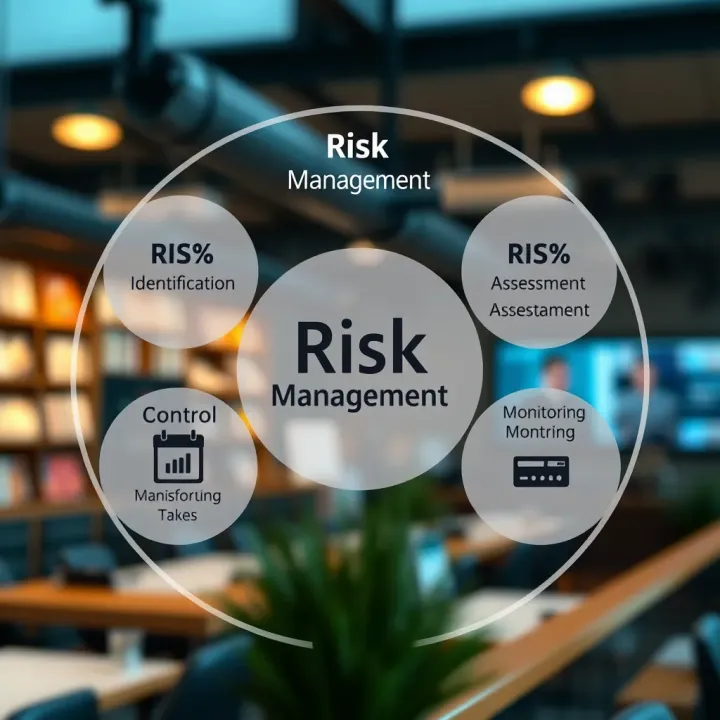
📊 Explore how risk management helps Kenyan businesses identify, assess, and control threats, protecting assets and reducing uncertainty in daily operations effectively.

📊 Dive into financial risk management to grasp key concepts, types of risks, and practical tools that help businesses in Kenya manage and reduce losses.
Based on 14 reviews