

Start Forex Trading in Kenya: A Beginner's Guide
Start forex trading in Kenya with practical tips on brokers, account setup, risk management, and following local rules. 💹 Trade smart and secure your KSh profits today!
Edited By
James Wilson
Forex trading, or foreign exchange trading, is the buying and selling of currencies from around the world. In Kenya, more people are looking to forex as a way to grow their income, thanks to easy internet access and popular platforms like MetaTrader and M-Pesa for fund transfers. But starting forex trading without knowing the basics can be like walking blind in a busy Nairobi matatu route.
The forex market operates 24 hours a day, five days a week, making it flexible for traders who want to fit it around work or other commitments. The main goal is to profit from changes in currency values. For example, if you buy US dollars (USD) when the shilling (KES) is weak and sell when the shilling strengthens, you stand to make a profit.

Remember: Forex trading carries risks and is not a guaranteed way to make money. It requires discipline, knowledge, and careful risk management.
Accessibility: Anyone with a smartphone and internet connection can start.
High Liquidity: The forex market is the largest in the world, so you can enter or exit trades easily.
Variety of Currency Pairs: Common pairs like USD/KES or EUR/USD give multiple chances to trade.
Currency Pair: The two currencies involved in a trade, e.g. USD/KES.
Pip: The smallest price move a currency pair can make.
Leverage: Borrowed capital to increase trade size – means higher risk and reward.
Spread: Difference between the buy and sell price.
Lot Size: The number of currency units in one trade.
Understanding these helps you read charts and trading platforms without confusion.
Before opening a trading account, you need to:
Choose a regulated and reputable broker that accepts Kenyan traders and supports M-Pesa payments.
Practice with a demo account to grasp how trades work without risking real money.
Learn to analyze market trends using news and technical indicators.
Starting forex trading demands patience and education. That way, you won’t just rely on luck but on informed decisions tailored to your financial goals and comfort with risk.
Grasping the basics of forex trading is the foundation for anyone serious about entering this market, especially here in Kenya. Without this understanding, you risk jumping into trades blindly, leading to potential losses. Getting familiar with the main concepts clears the fog around how forex works and helps you make informed decisions, whether you’re trading Kenya shillings (KES) against the US dollar (USD) or other currencies.
Forex trading means buying one currency and selling another simultaneously. The goal is to profit from changes in exchange rates. For instance, if you believe the euro will strengthen against the dollar, you buy euros using dollars, then sell them later at a higher price. This market moves trillions daily, so it's attractive to many Kenyan traders looking to tap into global currency fluctuations.
Currencies in forex are always quoted in pairs, like USD/KES or EUR/USD. The first currency in the pair is the base currency, while the second is the quote currency. The exchange rate tells you how much of the quote currency you need to buy one unit of the base currency. If USD/KES is 110.50, it means one US dollar buys 110.50 Kenyan shillings. Traders watch these pairs closely to spot opportunities to buy low and sell high.
The forex market operates 24 hours a day across different global centres: Asia, Europe, and North America. This continuous cycle means you can trade anytime, which suits Kenyan traders who might want to trade after their day job. Liquidity, or how easily currencies can be bought or sold, peaks when markets overlap, such as during London and New York sessions. Higher liquidity usually means narrower spreads and faster trade executions, key for saving on trading costs.
A pip is the smallest price move a currency pair can make, often the fourth decimal place. For example, if USD/KES moves from 110.5000 to 110.5100, that's ten pips. A lot refers to the trade size; a standard lot represents 100,000 units of base currency. Beginners may start with mini or micro-lots for smaller exposure. Leverage lets you control a bigger position with a smaller deposit, so KSh 10,000 could control KSh 100,000 worth of currency. While leverage can magnify profits, it also increases risks, so using it wisely is crucial.
The bid is the price buyers are willing to pay, while the ask is what sellers want. The difference between these is the spread, a cost you pay to the broker. For example, if USD/KES bid is 110.48 and ask is 110.50, your spread is 0.02. Lower spreads mean cheaper trades, which is better for active trading. Always check the typical spread on currency pairs you want to trade before settling on a broker.
Understanding these basics makes forex trading less like a gamble and more like a calculated investment. It’s the groundwork for developing strategies and managing risks effectively.
Picking the right forex broker is a big deal for anyone who wants to trade successfully in Kenya. Your broker is the middleman between you and the forex market, so choosing one affects your trading costs, security of funds, platform experience, and overall success. It's important to look beyond flashy adverts and focus on clear, practical factors like regulation, platform features, fees, and account types.
In Kenya, the Capital Markets Authority (CMA) is the watchdog regulating forex brokers. This protects traders by ensuring brokers follow strict rules about transparency, safeguarding client funds, and reporting. A CMA-regulated broker must keep your money separate from their own and provide clear information about risks. This adds a layer of trust that your funds won’t be misused, which is especially important in a market with many unlicensed operators.
Always confirm if a broker is registered with CMA before depositing any money. You can visit the CMA website where they list all licensed brokers. Be cautious if a broker claims registration but can’t provide proof or pushes for large upfront deposits. Verifying licenses helps you avoid scams, and firms without proper approval often lack accountability.
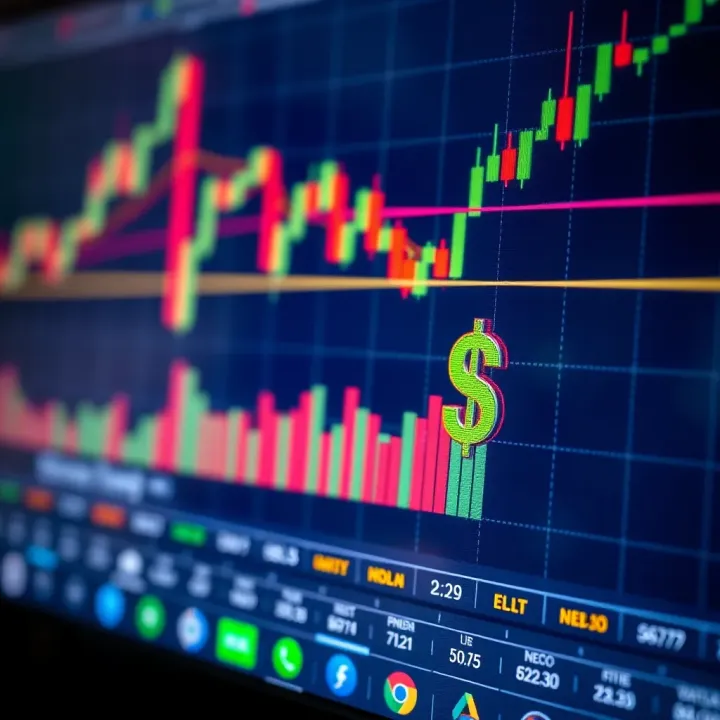
Most Kenyan traders use MetaTrader 4 (MT4) or MetaTrader 5 (MT5) because these platforms are user-friendly and packed with tools. They allow you to analyse charts, set trading alerts, and use automated trading bots. MT5 has more features than MT4 but is newer, so some brokers still offer only MT4. Choosing a platform that fits your skill level and style matters; for example, beginners find MT4 simpler to navigate, while advanced traders may prefer MT5 for more options.
Kenyan traders rely heavily on mobile phones for internet access. Good brokers offer mobile trading apps that run smoothly on Android and iOS. This means you can check your positions and place trades on the go, which is handy if you’re commuting by matatu or waiting for a boda boda ride. A stable and fast mobile app is crucial so you don't miss important market moves.
Brokers make money through spreads (the difference between buying and selling prices) and sometimes commissions. Lower spreads reduce your cost of trading, but those brokers may charge commissions or have other fees. It's smart to compare the total cost. For example, some brokers offer fixed spreads, which can help when the market is volatile, while others have variable spreads that change with market conditions.
Many Kenyan brokers allow you to start trading with as little as KS,000 or KS0,000, which suits beginners who want to test the waters without risking too much. Higher minimum deposits sometimes come with perks like personalised support or better spreads, but they are not necessary for beginners. Choose an account that matches your budget and comfort level, and never deposit more than you can afford to lose.
Remember, the reliability of your broker affects every aspect of your forex journey — from how fast your trades execute, to how safe your money is. Take time to research thoroughly before committing.
Starting with a well-regulated broker offering user-friendly platforms and transparent fees sets you on the right path to becoming a confident forex trader in Kenya.
Setting up your forex trading account is the first serious step towards entering the forex market in Kenya. A properly opened and funded account gives you access to the global currency market while ensuring your transactions are secure. Without an account, you cannot trade, so this stage is vital. It also lays the ground for a smooth trading experience since your broker will use the information you provide to comply with regulations and protect you.
To open a forex trading account, you'll need some key identification documents. Typically, brokers in Kenya ask for a national ID or passport to confirm your identity, as well as proof of residence like a recent utility bill or bank statement. These documents show that you are who you claim to be and help prevent fraud. For example, when signing up with a broker regulated by the Capital Markets Authority (CMA), providing these documents is non-negotiable.
Once you submit your documents, the broker will run a verification process. This usually involves confirming the authenticity of your ID and residence proof, sometimes through electronic checks or manual review. The verification aims to meet anti-money laundering (AML) rules and protect both you and the broker from fraudulent activity. Expect this process to take anywhere from a few hours to a couple of days depending on the broker's efficiency.
In Kenya, funding your forex account often happens through convenient channels like M-Pesa or bank transfers. M-Pesa's widespread use makes it the go-to option for many traders. You can easily send funds directly from your mobile money account to your forex broker without visiting a bank. On the other hand, bank transfers, especially from local banks like KCB or Equity Bank, are preferred for larger deposits or when breaching platform limits on mobile money transfers.
Another important consideration is currency conversion. Some brokers accept Kenyan Shillings (KSh), but many trade in US dollars or euros. If your deposit is in KSh but your account operates in a different currency, conversion fees may apply. These charges can eat into your initial capital, so it’s wise to clarify this with your broker upfront. For instance, if you deposit KS0,000 but your trading account’s base currency is USD, expect conversion costs based on prevailing exchange rates and broker fees.
Most reputable brokers also provide demo accounts. These simulate real market conditions but use virtual money. This is essential for beginners to practice trading strategies without risking actual funds. For example, a demo account lets you try different trades, familiarise yourself with the trading platform, and see how market fluctuations affect your positions. Beginners should definitely spend some time here before going live, as it builds confidence and understanding.
Opening and funding your forex trading account correctly is the foundation of your trading journey. Taking the time to get these right reduces risks and prepares you well for the market.
By following these steps carefully, Kenyan traders can ensure their forex trading experience starts on the right foot, protected and ready for what lies ahead.
Understanding basic forex trading strategies is essential for any new trader in Kenya. These strategies help you make informed decisions, reduce risks, and improve your chances of success in the competitive forex market. Beginners often feel overwhelmed by market movements, but having a clear strategy provides a roadmap to follow, especially during volatile times.
Trend following is one of the simplest yet effective strategies. It means you identify the general direction in which a currency pair is moving—either upwards, downwards, or sideways—and trade in that direction. For example, if the US dollar (USD) is consistently strengthening against the Kenyan shilling (KES), a trend follower would look to buy USD/KES with the hope that the trend continues.
Breakouts happen when the price moves beyond a defined support or resistance level, often signalling the start of a new trend. Imagine the EUR/USD pair has been trading between 1.1000 and 1.1100 for days. A breakout above 1.1100 could suggest a strong upward move, prompting traders to enter a buy position. However, breakouts can sometimes be false alarms, so using stop-loss orders helps limit losses if the price reverses.
Support and resistance are crucial price levels where the currency tends to stop and reverse. Support is a price floor where buying interest is strong enough to stop a downtrend, while resistance is a ceiling that stops rising prices.
For instance, suppose the GBP/USD pair repeatedly finds support at 1.2500; buyers tend to step in at this level to push prices up. Traders watch these levels to enter or exit trades. Buying near support and selling close to resistance can increase the odds of profitable trades. Tools available in platforms like MetaTrader 4 help to mark these levels clearly.
Technical analysis involves studying past price movements using charts to predict future trends. Kenyan beginners should get familiar with charts like line, bar, and candlestick charts. Candlestick charts, for example, offer more detailed information by showing opening, closing, high, and low prices within a time frame.
Reading charts helps you spot price patterns such as "head and shoulders" or "double tops," which signal possible reversals. By understanding these patterns, you can time your entries and exits better, making trading more strategic rather than guesswork.
Fundamental analysis looks at economic indicators and news events influencing currency values. In Kenya, news about interest rates from the Central Bank of Kenya (CBK), inflation reports, or political developments can greatly impact the forex market.
For example, if CBK decides to raise interest rates to curb inflation, the Kenyan shilling might strengthen because higher rates can attract foreign investment. Traders who follow such news can anticipate movements and trade accordingly. Staying updated on economic calendars for major currencies ensures you don't get caught off-guard by sudden volatility.
Combining technical and fundamental analysis offers a balanced approach, allowing you to understand both market psychology and economic forces behind price moves.
Adopting these basic strategies early on can give you a solid foundation for forex trading in Kenya, leading to more controlled and confident trades.
Managing risks is vital for anyone stepping into forex trading, especially here in Kenya where markets can be volatile and unpredictable. Without proper risk controls, even small losses can balloon quickly, wiping out your capital. Avoiding common mistakes like emotional trading or overleveraging helps protect your funds while giving you a better chance to grow steadily.
Using stop-loss and take-profit orders lets you control how much you are willing to lose or gain on a trade before entering the market. For example, if you buy the USD/KES pair at KS10, you might set a stop-loss at KS08 to limit losses if the price drops. Similarly, a take-profit order placed at KS13 secures gains if the rate moves in your favour. These orders work automatically, so you don’t have to watch the charts all day and can avoid rash decisions.
Kenyan traders benefit from setting these limits because the forex market moves fast, and prices can shift sharply especially after economic news. Without stop-loss, a few pips can turn into heavy losses. Take-profit locks in your gains while riding a trend without the temptation to close early or hold too long.
Trading based on emotions like fear or greed leads to mistakes. You might rush into trades after a loss hoping to recover quickly or hold losing positions too long expecting a rebound. These behaviours can drain your account fast. Successful traders stick to their plan and stick to their strategy no matter how tempting it is to act on feeling.
A practical tip is to journal your trades and note your emotions during trading. Over time, you’ll spot patterns where emotions interfere and learn to manage them better. Also, taking breaks away from screens can help clear your head when markets get intense.
Overtrading happens when you open too many trades or increase trade sizes without proper analysis, often to make up for losses or chase quick profits. This behaviour can erode your capital quickly due to transaction costs and poor entry points. Start small and trade only when your strategy signals clear opportunities.
Leverage lets you control larger positions with small capital but also magnifies losses. While brokers in Kenya might offer leverage up to 1:500, it’s wise for beginners to keep leverage low, say 1:10 or less. Only risk what you can afford to lose. Excessive leverage can lead to margin calls and wipe out your account overnight.
Managing risks isn’t about avoiding losses entirely but controlling them so you can stay in the game longer and trade with confidence.
By setting proper orders, managing emotions, and being disciplined with your trading size, you protect your capital and build habits that support success in forex trading here in Kenya.
For beginners in Kenya, getting started with forex trading requires more than just opening an account. You need clear, practical steps to guide your journey, ensuring you build a strong foundation and avoid common missteps. This approach helps balance ambition with caution, particularly in a market as fast-moving as forex.
A trading plan acts like your roadmap; it outlines how much you intend to trade, your risk tolerance, and your profit targets. It’s easy to get excited by quick profits, but a plan tailored to your financial aims keeps you grounded. For example, a university graduate saving for future expenses might choose a conservative approach, risking smaller amounts per trade. On the other hand, a seasoned businessperson with capital to spare might opt for a more aggressive plan with higher risk and reward.
When creating your plan, consider factors like how much time you can dedicate daily to trading, whether you’ll focus on short-term or long-term positions, and how you’ll respond to losing trades. Writing these down helps you stay disciplined and avoid emotional decisions.
Connecting with fellow forex traders in Kenya can offer real-time advice and moral support. Communities on platforms like Facebook and WhatsApp often share tips, market updates, and warnings about scams. For instance, groups such as the "Kenya Forex Traders Association" provide a space to discuss local broker reputations and exchange insights into economic news that affects the shilling.
Participation in these groups keeps you updated on practical challenges Kenyan traders face, such as fluctuations in foreign exchange during political events or changes in Central Bank policies.
Several platforms offer free online forex courses designed for beginners. These tutorials cover essential topics like reading candlestick charts or using MetaTrader 4 effectively. Kenyan learners can access resources from local financial education websites or international providers like BabyPips, which break down complex terms into simple lessons.
Using free material before investing real money helps sharpen your skills without risk. Think of these as the equivalent of practicing with a matatu route before starting to drive professionally.
Forex trading profits are considered taxable income by the Kenya Revenue Authority (KRA). This means if you make gains from your trades, you're legally required to report them in your annual tax returns. For example, if a trader nets KS00,000 in a year, that amount must be declared alongside other income.
Failing to report earnings risks penalties or audits. It’s wise to keep accurate records of all transactions—broker statements, bank deposits, and withdrawals—to simplify this process.
KRA treats forex trading like any other business activity for taxation purposes, including paying Income Tax (under Pay-As-You-Earn or Self Assessment) and possibly Value Added Tax (VAT) if you're trading at a scale that looks like a business.
Foreign exchange trading can sometimes be misunderstood, so consult a tax professional who knows both forex and Kenyan tax law. This ensures compliance while optimising your tax obligations. Keeping proper books not only fulfils legal duties but also helps track your progress more clearly.
Practical preparation, continuous learning, and legal compliance form the backbone of sustainable forex trading in Kenya. Without these steps, your chances of success shrink drastically.
By following these practical steps, you position yourself realistically in the Kenyan forex market, ready to trade wisely, learn continuously, and meet your legal responsibilities.
Start forex trading in Kenya with practical tips on brokers, account setup, risk management, and following local rules. 💹 Trade smart and secure your KSh profits today!
📊 Explore forex trading in Kenya with practical steps, learn about local regulations, manage risks, and discover strategies to trade forex confidently in the Kenyan market.
📊 Discover top forex trading PDFs tailored for Kenyan traders! Find trustworthy guides, practical tips, and reliable resources to boost your forex skills today.
🔍 Learn how to start forex trading in Kenya with the right broker, manage risks smartly, set up your account securely, and comply with local rules for steady gains.
Based on 11 reviews