

Top Forex Trading Apps for Kenyan Traders
Explore top forex trading apps for Kenyan traders 📱. Learn to choose safe platforms, spot key features, and boost your trading skills effectively.
Edited By
Charlotte Hughes
Forex trading in Kenya has grown steadily as more individuals look for alternative ways to earn income beyond the conventional jobs. However, diving into the world of forex without solid knowledge can be risky and expensive. That’s where forex trading PDFs come in handy—they provide accessible, detailed learning material that you can study anytime, anywhere.
Kenyan traders benefit greatly from digital resources because access to formal forex training can be expensive or simply unavailable outside major towns like Nairobi or Mombasa. PDFs offer a practical solution, allowing traders to get a grip on essential concepts such as currency pairs, leverage, margin, and risk management.
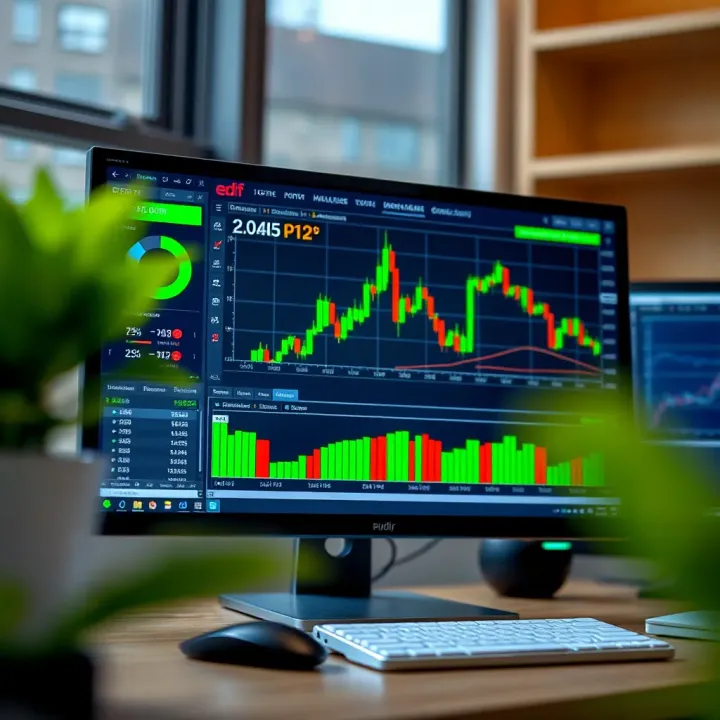
Different PDFs target various skill levels, from beginners learning what pips mean to experienced traders seeking advanced strategies. For instance, a Kenyan trader might find a beginner's guide explaining how to use M-Pesa for funding forex accounts especially useful since local payment methods matter a lot in making forex trading smooth and trustworthy.
Reliable and locally relevant forex PDFs help reduce common pitfalls by clarifying jargon and contextualising best practices for Kenyan market realities.
When looking for useful PDFs, check for the following qualities:
Clarity: Does the document explain concepts in simple language without unnecessary fluff or overly technical terms?
Practical examples: Are there case studies or illustrations based on real forex scenarios, preferably with examples relevant to African currencies?
Updated information: Forex markets and regulations change, so materials should be recent or regularly updated.
Credible sources: Content from recognized brokers, Kenyan financial education platforms, or reputable training firms ensures you’re getting accurate data.
To make the most of forex PDFs, treat them as part of steady daily study rather than quick fixes. Take notes, simulate trades, or discuss ideas with fellow traders in online forums or local groups.
In the following sections, we will explore types of forex trading PDFs available, how to assess their quality, and where to find dependable resources tailored for Kenyan traders like you.
Grasping the fundamentals of forex trading sets a solid ground for anyone looking to navigate the market confidently. This section sharpens your understanding of how currency trading operates, which is vital before diving into more advanced topics or relying on forex PDFs for learning. Better knowledge here helps you spot opportunities and manage risks effectively.
Forex trading deals with pairs of currencies, such as USD/KES (US Dollar/Kenyan Shilling). When you trade one pair, you're buying one currency while selling the other. For example, if you expect the US dollar to strengthen against the Kenyan shilling, you buy the USD/KES pair. The price you see shows how many shillings it takes to buy one dollar. Understanding this helps you grasp how profits and losses occur depending on rate changes.
The forex market operates 24 hours from Monday morning in Asia through to Friday evening in New York, reflecting global business hours. Key players include central banks like the Central Bank of Kenya (CBK), commercial banks, multinational companies, hedge funds, and individual traders. Knowing when major markets open or close can influence the most volatile and liquid times — for instance, Nairobi traders often watch the London and New York sessions for active market moves to make timely decisions.
Exchange rates shift due to supply and demand influenced by economic indicators, political events, interest rates, and market sentiment. For instance, if Kenya's inflation rate rises sharply or CBK adjusts its policy rate, the shilling's value relative to other currencies might fluctuate. Traders need to follow these factors closely because unexpected news can cause sudden price swings.
Kenya's forex trading falls under the oversight of the Capital Markets Authority (CMA) and the Central Bank of Kenya (CBK), which ensure brokers follow rules to protect investors. Brokers must be licensed and comply with local laws, giving traders a level of security. Awareness of this environment helps traders avoid unregulated platforms that could risk their funds.
Most Kenyan traders use popular platforms like MetaTrader 4 and MetaTrader 5, which offer access to charts, indicators, and order management. Local brokers such as EGM Securities and Kenya Forex provide tailored services compatible with these platforms and support mobile trading, which is handy given Kenyans' strong mobile usage. Familiarity with your platform is key to executing trades accurately and efficiently.
Besides the USD/KES, pairs like EUR/USD, GBP/USD, and USD/JPY attract Kenyan traders for their liquidity and volatility. The USD/KES pair remains especially important due to trade and remittance flows between Kenya and international markets. Understanding these pairs’ behaviours helps Kenyan traders to align their strategies with market trends.
Mastering these basics equips you with the context needed to utilise forex PDFs effectively. Without this foundation, picking the right strategies and identifying reliable resources becomes much harder.
Forex trading PDFs come in various forms, each serving a specific purpose. Understanding these types helps traders pick materials that suit their learning needs and trading style. Whether you're just starting or already trading actively, having the right PDFs can save time and improve decision-making.
Beginner-friendly introductions lay the foundation for new traders. These guides break down core concepts like currency pairs, leverage, and pips in simple terms. For example, a beginner in Nairobi might find an introductory PDF explaining how the USD/KES pair works, or the impact of interest rates on exchange rates, very helpful. They often include relatable examples and practical exercises, which make complex ideas easier to grasp.
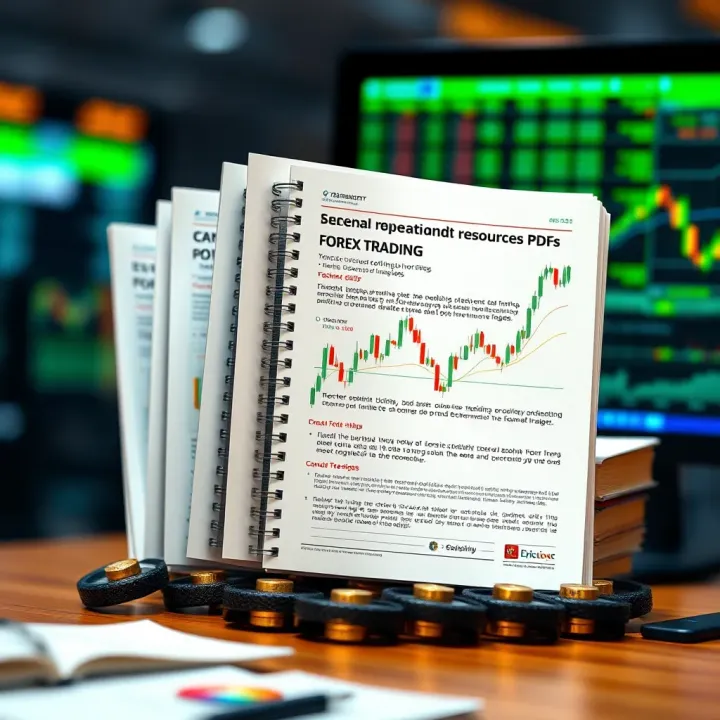
On the other hand, advanced strategy manuals target experienced traders looking to refine their approach. These PDFs cover topics like Fibonacci retracements, Elliott Wave Theory, or carry trade strategies with detailed charts and case studies. A strategy manual might explore how to adjust trading tactics during Kenya’s election cycles when volatility tends to rise. These materials help traders build a toolkit of methods to navigate different market scenarios.
Daily, weekly, and monthly analyses offer timely updates on market trends. They usually highlight events affecting currencies, such as Central Bank of Kenya policy changes or US Federal Reserve announcements. Traders following daily PDFs can stay alert to short-term opportunities, while monthly reports provide broader context, helping with strategy adjustments.
When choosing reports, understanding the difference between technical and fundamental analysis is key. Technical reports focus on price patterns and indicators like Moving Averages or RSI (Relative Strength Index), signalling potential entry and exit points. Fundamental reports examine economic data, geopolitical events, and fiscal policies. For instance, a fundamental report might explain how Kenya’s Inflation Rate or balance of payments influences the KES against the dollar. Using both types gives a fuller market picture.
Indicator summaries condense complex data into quick reference guides. These include brief explanations of popular indicators such as MACD (Moving Average Convergence Divergence) or Bollinger Bands, showing their typical use and limitations. This helps traders rapidly interpret charts without getting bogged down in technical jargon.
Meanwhile, risk management checklists are practical aids to keep disciplined trading habits. They remind traders to set stop-loss orders, avoid overleveraging, and diversify positions. For example, a checklist might prompt a trader to review their maximum acceptable daily loss in KSh before entering new trades. Such tools are vital to protect capital, especially when market swings get unpredictable.
Choosing the right kind of forex PDFs tailored to your experience and trading goals can make your learning process efficient and effective, saving you from costly mistakes.
Overall, Kenya’s forex traders benefit greatly from accessing a mix of educational material, market analyses, and handy reference tools. The varied types ensure that whether you want to build a solid foundation or sharpen a seasoned skill, there’s something useful to download and study.
Before diving into any forex PDF, it's essential to check its quality and reliability. Kenyan traders often face an overwhelming pool of resources online, but not all are trustworthy or useful. Using poor-quality or outdated material can mislead you, cause wrong trading decisions, and ultimately lose money. Therefore, knowing how to evaluate PDFs helps you save time and grow your trading skills effectively.
Reputable brokers and educational websites provide the most dependable forex PDFs. For example, brokers like FXPesa and EGM Securities in Kenya offer well-researched, regularly updated educational content tailored to local traders. These platforms typically have strict quality control, so the information you get is relevant and aligned with current market standards. Always prefer materials from firms registered with the Capital Markets Authority (CMA) in Kenya because regulatory oversight adds another layer of trust.
Qualified analysts and traders who author or contribute to these PDFs add credibility. Look for PDFs written by people with proven track records, such as experienced forex analysts or Kenyan traders with public profiles. Their insights come from years of practice and understanding of both global and regional market nuances. If the document’s author is anonymous or lacks visible credentials, be cautious and cross-check their claims elsewhere.
Updated market data and terminology matter a lot for making informed trades. Forex markets shift quickly, so any PDF with old prices, outdated currency pairs, or obsolete trading tools isn’t very useful. For example, a trader using a 2018 PDF may miss important changes like new central bank policies or the rise of mobile trading apps popular in Kenya today. Check the document’s publication date and whether it gets regular updates or supplements.
Clear explanations and examples make a big difference in understanding. A good forex PDF breaks down complex ideas like leverage, pips, or candlestick patterns into straightforward language, often with Kenyan-specific examples whenever possible. For instance, explaining risk management in terms of how much of your KSh 50,000 trading capital you should expose per trade makes the content more relatable and practical.
Red flags and scam warnings help you avoid costly mistakes. Beware of PDFs promising guaranteed profits, secret strategies, or pressuring you to buy expensive courses immediately. Such materials often come from unverified sources or individuals looking to scam novice traders. If a PDF pushes unrealistic claims or lacks transparency about risks, stay away.
Always question anything that sounds "too good to be true"—this mindset will save you from losing your hard-earned shillings.
Cross-verifying with multiple resources ensures you get a balanced view. Even trustworthy PDFs can contain errors or partial views of the market. Kenyan traders should check materials from different brokers, government sites like the Central Bank of Kenya, and forex forums to confirm facts. This habit also exposes you to diverse strategies and opinions, sharpening your own trading decisions.
By carefully assessing forex PDFs, you avoid pitfalls and build solid foundations for trading success within Kenya's unique forex scene.
Using forex trading PDFs wisely can make a real difference in how you understand and perform in the market. Many traders download PDFs but struggle to apply what they read. This section focuses on turning those documents from simple reading material into active tools that sharpen your skills and improve your trading results.
Setting learning goals helps you focus on what matters most in your trading journey. Instead of reading all PDFs randomly, decide if your goal is to grasp basic concepts like currency pairs or learn advanced strategies such as Fibonacci retracements. For example, a beginner might set a goal to understand how global news affects forex rates, while a more experienced trader could aim to master risk management techniques through detailed PDFs. Clear goals keep your learning on track.
Combining theory with practice is where many traders fall short. Reading about moving averages or candlestick patterns alone won’t cut it. It’s important to apply what you learn as soon as possible, perhaps using a demo trading account or paper trading methods. If you read a strategy in a PDF, try it on a demo platform like MetaTrader 4 or the demo option on a Kenyan broker’s site, such as FXPesa or IC Markets Kenya. This hands-on approach helps you understand practical challenges and refine your techniques.
Backtesting methods involve testing a strategy against historical forex data to see how it would have performed. Many PDF guides explain how to backtest manually or using software tools. For instance, you might use MT4’s strategy tester with data on EUR/USD or USD/KES trends from previous months. Backtesting shows you whether your approach is viable, helping avoid costly mistakes with real money.
Adapting to changing market conditions is vital because forex markets don’t stay the same. PDFs often stress this but practising it sets smart traders apart. If a strategy worked in a stable market but falters during volatile news events common in Kenyan trading hours, you need to adjust your tactics. Understanding concepts like trend shifts and support/resistance levels from PDFs equips you to modify positions dynamically rather than sticking rigidly to one set plan.
Note-taking and summarising helps turn scattered information in PDFs into personalised insights. When reading, jot down key points such as risk management rules or entry signals. Summaries help when you revisit material later or compare different strategies. Kenyan traders who keep a trading journal alongside their PDFs find it easier to remember lessons and track what works.
Keeping a record of your trading journey, including lessons from PDFs, helps you steadily improve by learning from wins and losses alike.
Regular skill assessments involve checking your knowledge and adjusting learning plans. This might be done by revisiting basic concepts or trying new techniques in your demo account every few weeks. For example, after mastering fundamental analysis PDFs, you might assess your grasp of technical ones. Regular reviews prevent stagnation and encourage continuous growth, essential in the fast-moving forex environment.
Using forex trading PDFs with these practical approaches ensures you don’t just accumulate information but build the skills needed to make confident and informed trades in Kenyan markets.
Locating trustworthy forex trading PDFs can make a big difference for Kenyan traders sharpening their skills. Without reliable sources, you risk wasting time on outdated or misleading information. This section points you to concrete places where you can find accurate and practical forex trading materials tailored for the Kenyan market.
Many leading forex brokers in Kenya offer dedicated educational centres on their websites. These centres host a variety of PDFs, including guides, tutorials, and strategy manuals. For example, firms like HotForex and FXPesa provide comprehensive resources specifically designed for beginners and advanced traders alike. These educational materials often reflect the local trading environment and include explanations on using popular platforms like MetaTrader 4 or MetaTrader 5.
Using official broker sites ensures you're getting authorised, up-to-date information. They also frequently update their resources in response to market changes and regulatory updates, which benefits traders keen on staying current. Traders can often download these PDFs free of charge after registering an account.
Besides the educational centres, many brokers and trading platforms provide free downloadable PDFs as part of their marketing or client support. Resources may cover topics such as risk management, technical analysis, or forex trading psychology. For instance, XM and FXTM make their ebooks and cheat sheets easily available, helping Kenyan traders grasp concepts without cost.
The practical benefit here is convenience — no need to sift through forums or unverified sites. Instead, you get straightforward access to polished materials from brokers regulated in Kenya or under international bodies. This also reduces the risk of scams or poor advice.
The Central Bank of Kenya (CBK) plays a key role in regulating forex activities. They sometimes release guidelines or advisories on forex trading to protect consumers. While such materials might not always come as detailed PDFs, the CBK website may have downloadable documents that clarify regulatory requirements, allowed practices, and warnings against illegal forex operations.
For Kenyan traders, keeping an eye on CBK resources helps ensure you trade only through licensed intermediaries. This awareness reduces exposure to black-market dealers or pyramid schemes masquerading as forex opportunities.
The Capital Markets Authority (CMA) issues educational publications focused on investment awareness, including forex trading. Their downloadable PDFs often detail compliant trading practices and investor protection measures. These are invaluable in understanding the legal backdrop and market ethics within Kenya.
Relying on CMA materials guides traders in spotting licensed brokers and recognising red flags. The authority’s documents usually include practical tips on evaluating forex products and managing risks, helping you trade smartly under Kenyan regulations.
Local forex forums and social media groups are buzzing with traders exchanging PDFs they found useful. These peer-to-peer recommendations often spotlight lesser-known but effective guides or market analysis reports. Group members vet resources based on their own experience, which offers a different perspective from official sites.
However, it is important to cross-check this shared information against official or broker-provided documents. Over time, active participation in these forums can build your network and expose you to practical insights that PDFs alone might miss.
Kenyan traders benefit hugely from regional trading groups on platforms like WhatsApp, Telegram, or Facebook. These groups regularly share learning materials including PDFs tailored to Kenya’s economic context, currency movements, and trading hours.
Being part of such groups keeps you connected to real-time discussions, local news affecting forex, and updates about training sessions or webinars. This community support can be a huge motivator and help you apply your PDF-sourced knowledge more effectively.
Building a reliable forex education library starts with knowing where to look. Official brokers, government bodies, and active communities offer dependable paths to quality PDFs that boost your trading confidence while safeguarding your interests.
Explore top forex trading apps for Kenyan traders 📱. Learn to choose safe platforms, spot key features, and boost your trading skills effectively.

Explore top forex trading companies in Kenya 🇰🇪, learn about regulators, pick trusted brokers, and get practical tips to start smart and safe 📈💡.
Explore top forex trading apps tailored for Kenyan traders 📱. Learn to choose wisely, ensure security 🔒, and trade confidently in Kenya’s forex market!

📚 Discover essential books for learning forex trading in Kenya! From basics to advanced tips, master strategies and risk management confidently.
Based on 6 reviews