

Top Forex Trading Apps for Kenyan Traders
Explore top forex trading apps for Kenyan traders 📱. Learn to choose safe platforms, spot key features, and boost your trading skills effectively.
Edited By
James Whitaker
Forex trading, or foreign exchange trading, involves buying and selling currencies to make profits as their values change. In Kenya, this kind of trading has gained popularity, especially among those seeking alternative income sources beyond the usual job or business. However, entering this market needs careful preparation and understanding.
Many Kenyans are attracted to forex trading because it promises flexible hours and the potential to earn from as little as KSh 1,000. But without the right knowledge, you could easily lose money. It's not just about guessing which currency will go up or down; successful trading requires knowing how the market works, how to pick a good broker, and how to protect your capital.

Before you open an account with any forex broker, it pays to check their credibility. For instance, brokers authorised by the Capital Markets Authority (CMA) are safer options, as they follow Kenya's financial regulations. Using unregulated platforms can expose you to scams or poor trading conditions.
Setting up your forex trading account is straightforward but demands accuracy. You'll need valid identification, proof of address, and sometimes a minimum deposit—often around KSh 5,000 to start. Most brokers offer demo accounts which allow you to practise trading without risking real money. This is a smart first step to test your strategies and get familiar with the trading platform.
Managing risks should be at the heart of your trading approach. Start small, never invest money you cannot afford to lose, and use tools like stop-loss orders to limit potential losses. Many beginners make the mistake of rushing into high-risk trades chasing quick profits, which leads to fast losses.
Always remember, forex trading isn’t a shortcut to instant wealth; it requires patience, discipline, and ongoing learning.
This guide will take you through these essentials and more, helping you build a solid foundation to trade forex confidently and safely in Kenya.
Before diving into forex trading, it's essential to understand what forex really is and how it works. Getting a grip on the basics sets a strong foundation to avoid common mistakes and improve your chances of success. This section breaks down forex trading into digestible parts, showing you practical benefits and key things you should know as a Kenyan trader.
Forex trading involves buying and selling currencies to profit from their value changes. Unlike stocks or real estate, you're trading money itself. For example, if you expect the US dollar to strengthen against the Kenyan shilling, you buy the dollar and later sell it at a higher rate.
This market helps businesses, investors, and governments move money across countries seamlessly. For ordinary Kenyans, it represents an opportunity to earn from currency movements if approached wisely.
Currencies are traded globally through a network of financial institutions, brokers, and individual traders. This system doesn't rely on a physical exchange but operates electronically, making it accessible to anyone with an internet connection. This global network means forex is available almost any time you want to trade.
For Kenyan traders, participating in this vast system allows exposure to major worldwide economic trends. However, understanding those trends and currency relations is critical.
Major currency pairs popular among Kenyan traders include USD/KES (US dollar to Kenyan shilling), EUR/USD (Euro to US dollar), and GBP/USD (British pound to US dollar). These pairs have reasonable liquidity and volatility, meaning it’s easier to enter and exit trades without big price jumps.
The USD/KES pair is especially important because it directly affects imports, exports, and remittances in Kenya. For instance, if the shilling weakens against the dollar, imported goods become more expensive, which traders watch closely.
The forex market runs 24 hours a day, five days a week. Since it spans major financial centres across continents, trading shifts as markets in London, New York, Tokyo, and Sydney open and close.
This continuous operation means you can trade forex around your own schedule. For example, Kenyan traders may prefer to trade during the London or New York sessions, when volumes and price movements become more active.
Understanding the different sessions helps you spot the best times for trading the pairs you follow. Increased activity usually means better liquidity, reducing the chance of price gaps or slippage.
Liquidity refers to how easily you can buy or sell a currency without moving its price too much. Major currencies tend to have high liquidity, so transactions execute quickly and at expected prices.
Volatility describes the price movement range within a set period. Higher volatility can offer more profit opportunities but also increases risk.
Knowing when markets tend to be volatile or liquid lets you plan your trades better. For example, economic data releases or political news often cause volatility, which you can either take advantage of or avoid.
Forex trading offers potential profits but carries significant risk. Price swings can quickly work in your favour or against you, meaning losses can happen fast.
Leverage lets you control larger amounts of currency than your deposit would normally allow. While this can magnify gains, it equally magnifies losses. For instance, a leverage of 100:1 means a KSh 1,000 deposit controls KSh 100,000 worth of currency.
Using high leverage without caution often leads to rapid account depletion, so managing your exposure is key.
Risk management is the backbone of successful trading. Setting stop-loss orders — instructions to automatically close trades at a certain loss level — helps protect your capital.
Also, never risk more than a small percentage of your trading capital on a single trade. Consistency and discipline usually serve better than chasing big, risky wins.
Starting forex trading without understanding risks is like walking blindfolded; solid knowledge and careful planning keep you on track.
In summary, grasping the forex basics helps Kenyan traders approach the market with clear expectations, realistic goals, and a strategy that suits local realities. This foundation makes moving to more advanced topics like broker selection and trading tactics much smoother.
Choosing the right forex broker sets the foundation for your trading success. In Kenya, the variety of brokers ranges from local firms to international platforms, which means you need to weigh their reliability carefully. A reputable broker protects your funds, offers user-friendly tools, and ensures transparent fees. For example, Kenyan traders benefit from brokers regulated by recognised authorities since they follow clear rules that safeguard investors.
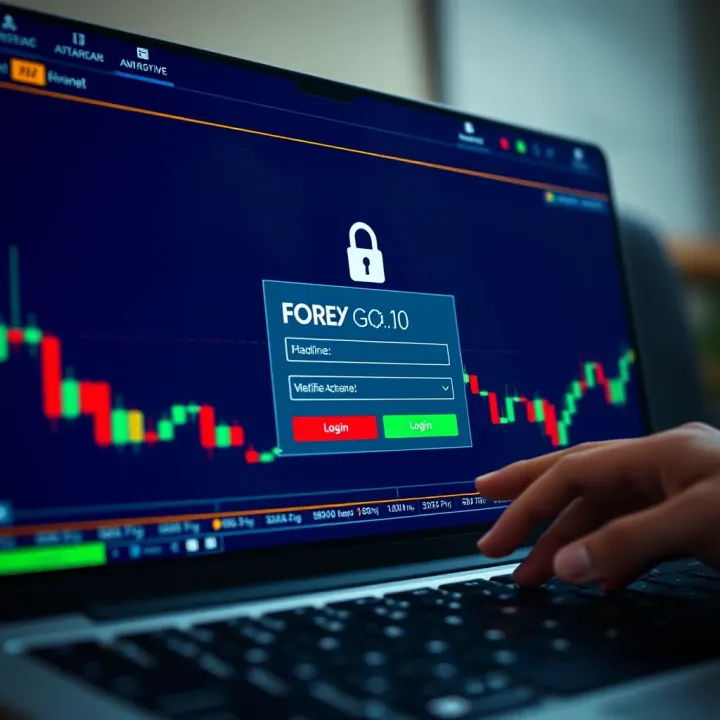
The Capital Markets Authority (CMA) in Kenya oversees forex brokers operating within the country. A broker licensed by the CMA meets specific standards designed to protect traders, including capital adequacy and fair trading practices. Choosing a CMA-regulated broker means you can report malpractice and expect some level of government oversight. For instance, Cytonn Investments is a local broker licensed by CMA, offering peace of mind to Kenyan traders.
A good broker should provide reliable trading platforms like MetaTrader 4 (MT4) or MetaTrader 5 (MT5), which are popular globally and offer useful tools for analysis. Access to real-time charts, technical indicators, and automated trading options helps you make informed decisions. Plus, mobile compatibility is essential considering many Kenyan traders use smartphones. A broker offering these ensures you can trade anywhere, anytime.
Brokers often provide different account types tailored to various trading styles and capital levels. Common accounts include standard, mini, and Islamic accounts— the last catering to traders observing Sharia law. Pay close attention to fees like spreads, commissions, and overnight charges. For example, some brokers offer zero commission accounts but with wider spreads while others charge low spreads but a commission per trade. Understanding these helps control your trading costs.
Kenyan traders prefer brokers that accept M-Pesa deposits because it is quick, simple, and widely used. Having this option means you don’t have to visit a bank or ATM. Many brokers also accept direct bank transfers for larger deposits, providing flexibility. Make sure the broker clearly states minimum deposit amounts and any related fees.
Quick access to your profits is vital. Reliable brokers process withdrawals within a few business days and support the same payment methods used for deposits. Delays or unclear withdrawal terms can be a red flag. Kenyan traders should confirm if brokers deduct extra charges for transfers and how they notify you upon disbursement.
Your funds must be held in segregated accounts separated from the broker’s operational funds to reduce risk in case of bankruptcy. Also, brokers often have insurance or trust arrangements to protect client money. Understanding a broker’s safety measures guards you against potential losses or fraud.
Before committing funds, check what other traders say in online forex forums or Kenyan trading groups on platforms like Facebook and Telegram. Experienced traders often share insights on brokers’ trustworthiness, withdrawal experiences, and platform reliability. Sites like Forex Peace Army provide global reviews but local communities might offer more relevant Kenyan perspectives.
Good customer service can make a difference, especially when facing technical or financial issues. Test brokers’ support by asking questions before opening an account. Do they respond promptly? Are they clear and helpful? Brokers with responsive support channels, including phone, email, or live chat, offer better service and assist swiftly when problems arise.
Always take time to research your broker carefully — selecting well will save you from headaches down the line and help safeguard your investments.
Opening and managing a forex trading account in Kenya is a key step that bridges the gap between learning about forex markets and actively trading. It involves practical decisions that affect your efficiency, security, and ultimately the potential success of your trading journey. Handling your account well enables you to control risks, monitor your trades, and adapt strategies based on real-time market conditions.
When you register for a forex trading account, you begin by submitting your personal details and Know Your Customer (KYC) documents. This usually includes a copy of your national ID or passport, proof of address like a utility bill, and sometimes proof of income. These steps are not just bureaucratic hurdles — they ensure you comply with financial regulations and help protect your account from fraud. For instance, M-Pesa statements can sometimes serve as proof of address for local brokers.
After submitting your details, the broker will verify your account. This verification process confirms your identity, enabling the broker to comply with the Capital Markets Authority (CMA) regulations. Verification can take from a few hours to a couple of days depending on the broker's efficiency. A verified account is essential for secure deposits, withdrawals, and full access to trading features.
Choosing the right account type matters considerably. Brokers often offer standard, mini, or micro accounts suited to different experience levels and budgets. For example, a beginner may prefer a micro account requiring a smaller deposit, which lets you trade smaller volumes and reduce risk while learning. Conversely, experienced traders might select a standard account for access to more features or better spreads.
Minimum deposit requirements vary widely but typically start from around KSh 1,000 for micro accounts. It's vital to fund your account with an amount you can afford to lose while learning. Some Kenyan brokers allow you to deposit using M-Pesa or direct bank transfers, making the process seamless and accessible.
Setting stop-loss and take-profit limits protects your capital and locks in gains automatically. For instance, if you buy the USD/KES pair at 110, setting a stop-loss at 108 limits your loss if the market turns against you. A take-profit at 112 ensures you exit with a profit without watching the screen constantly. These limits help avoid emotional trading decisions.
Before trading with real money, use a demo account. It simulates live market conditions without risking your cash. Kenyan brokers like EGM Securities and ADS Securities offer demo accounts that let you practise orders, test strategies, and get comfortable with the trading platform. This hands-on chance is invaluable for building confidence.
MetaTrader 4 (MT4) and MetaTrader 5 (MT5) are popular platforms among Kenyan traders for their reliability and user-friendly interface. They provide essential tools like live quotes, technical indicators, and automated trading options. Learning to navigate these platforms speeds up decision-making and improves execution.
Basic charting and order placement form the backbone of any trader's skills. For example, understanding candlestick patterns or trend lines on MT4 charts can reveal when to buy or sell. Placing orders correctly, whether market or limit orders, ensures your trades execute at desired prices. Misplaced orders can cost you money or miss opportunities.
With mobile trading gaining ground, many brokers provide mobile versions of MT4 and MT5. This allows you to monitor positions and react to market changes anytime and anywhere, especially valuable for Kenyan traders who commute by matatu or work away from desktops.
Managing your trading account well — from registration to order execution — builds a strong foundation for long-term success in forex. Each step offers tools to safeguard your capital and improve your skills, directly impacting your trading outcomes.
Starting with solid trading strategies and managing risks carefully can make a big difference for your success in forex trading. In Kenya, where traders often face volatile markets, knowing how to navigate fluctuations and protect your capital is essential. Let's break down some beginner-friendly strategies and risk management techniques you can put to use straight away.
Trend following is about identifying the direction in which a currency pair is moving and trading in that same direction. For example, if USD/KES is steadily rising due to economic news, you buy with the hope the trend continues. Breakout strategies focus on trading when price breaks through support or resistance levels — like when EUR/USD surpasses a previous high, signalling a possible strong move. These approaches suit beginners because they’re straightforward and based on clear market behaviour.
Scalping involves making many small trades during the day, aiming to capture tiny price movements. It works well for traders who can watch the market closely and act quickly. Day trading means opening and closing positions within the same trading day to avoid overnight risks. In Kenya, with easy internet access via mobile phones, many retail traders try day trading, but it needs discipline to avoid emotional decisions.
Technical indicators like Moving Averages, Relative Strength Index (RSI), and Bollinger Bands help you spot trends and potential reversals. For instance, RSI shows when a currency is overbought or oversold, signalling possible turning points. Beginners benefit by combining indicators with price action to make more informed trading decisions rather than relying on guesswork.
Stop loss orders protect your capital by automatically closing a losing trade once it hits a set loss level. Take profit orders lock in gains at a target price. For example, if you buy GBP/USD at 1.3000, you might set a stop loss at 1.2950 and take profit at 1.3100. This way, emotions don’t interfere, and your losses stay manageable while profits get secured.
Leverage lets you control a bigger position with a smaller amount of money but amplifies both profits and losses. In Kenya, brokers often offer high leverage, sometimes up to 1:500, which can be tempting but risky. Limiting leverage to safer levels, say 1:10 or 1:20, helps protect your deposit from sudden market swings, keeping you afloat longer.
Avoid putting all your eggs in one basket. Instead of focusing only on USD/KES, consider trading other pairs like EUR/USD or GBP/USD. Diversifying reduces the risk of heavy losses if one currency pair moves unfavourably due to local or global events.
Keeping a journal means noting down details of every trade — entry and exit points, reasons for the trade, and results. Over time, this record shows patterns in your trading behaviour and helps identify what works and what doesn’t.
More important than just recording trades is reviewing them regularly. Spotting mistakes early, such as exiting too soon or chasing losses, helps you adjust your strategy. Equally, recognising successful trades boosts confidence and guides you to repeat those tactics.
Consistency in applying strategies and managing risks is what separates successful traders from those who lose money. Start small, learn from each trade, and grow steadily.
In forex trading, especially in a market as lively as Kenya’s, being methodical and cautious pays off over time. Stick to your plan, respect risks, and keep learning.
Understanding the legal and regulatory framework is key for anyone looking to trade forex in Kenya. This knowledge protects you from scams, ensures your broker operates within the law, and helps you stay compliant with tax requirements. Kenya’s forex sector is regulated to create a safer trading environment, but you still need to be cautious and informed.
The Capital Markets Authority (CMA) in Kenya oversees the licensing and supervision of forex brokers operating locally. All legitimate brokers must hold a licence from CMA, which ensures they meet minimum standards like transparency, financial stability, and fair dealing. For example, CMA requires brokers to keep client funds in segregated accounts, reducing the risk of misuse. This regulatory framework provides a basic layer of trust and accountability.
Investor protection measures under the CMA include mandatory disclosures by brokers about risks and fees. The CMA also investigates complaints and takes action against fraud or malpractice. For Kenyan traders, this means you have a regulator to turn to if issues arise, rather than being left on your own. While CMA cannot eliminate all risks, their oversight helps minimise dodgy operators.
Any income from forex trading is considered taxable under Kenyan law and should be declared to the Kenya Revenue Authority (KRA). Even if you trade individually, profits from forex form part of your taxable income, so you need to keep proper records. Failure to declare income could lead to penalties or legal trouble, so record-keeping is crucial.
Applicable taxes on forex profits usually include income tax, which is based on your total earnings including salaries or business income. Depending on your status, you might also consider Value Added Tax (VAT) if applicable, although forex trading rarely attracts VAT directly. Staying compliant involves timely tax filing and honest income reporting, ideally with help from a qualified accountant familiar with trading earnings.
Forex scams are common in Kenya, especially targeting beginners. Common signs include promises of guaranteed profits with no risk, unsolicited offers through WhatsApp or social media, fake testimonials, and pressure to deposit quickly. For example, some scams ask for large upfront payments or promote secret trading strategies that seem too good to be true.
To verify broker legitimacy, always check if the broker is licensed by the CMA. Visit the official CMA website or contact them directly for confirmation. Review online forums with a critical eye, focusing on verified user feedback rather than paid reviews. Also, test their customer service responsiveness before committing funds. A real broker should answer your questions clearly and promptly.
Trading forex without knowing your legal standing and regulatory boundaries exposes you to unnecessary risks — make use of available safeguards and verify every step carefully.
Explore top forex trading apps for Kenyan traders 📱. Learn to choose safe platforms, spot key features, and boost your trading skills effectively.

Explore top forex trading companies in Kenya 🇰🇪, learn about regulators, pick trusted brokers, and get practical tips to start smart and safe 📈💡.
Explore top forex trading apps tailored for Kenyan traders 📱. Learn to choose wisely, ensure security 🔒, and trade confidently in Kenya’s forex market!

📚 Discover essential books for learning forex trading in Kenya! From basics to advanced tips, master strategies and risk management confidently.
Based on 14 reviews