
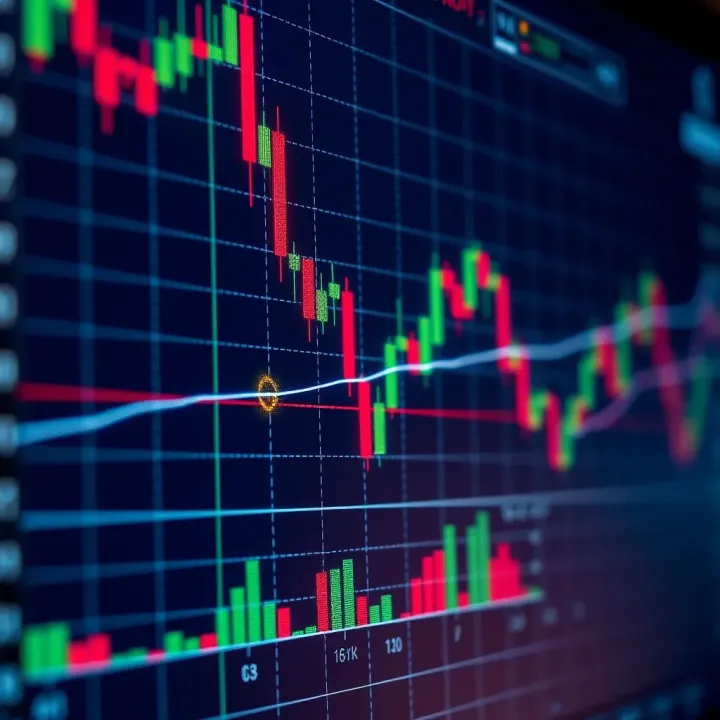
Forex Trading Charts Explained for Kenyan Traders
📊 Master forex trading charts with our practical guide for Kenyan traders! Learn to read charts, use indicators, and choose the right timeframes to boost your strategy.
Edited By
Isabelle Foster
Forex trading, also known as foreign exchange trading, is the act of buying and selling currencies from around the world. This market never sleeps—it operates 24 hours a day, five days a week—letting traders react instantly to economic news and events. In Kenya, forex trading has gained traction as a way for investors to diversify beyond local assets like property or stocks listed on the Nairobi Securities Exchange (NSE).
At its core, forex trading involves exchanging one currency for another, hoping that the price difference yields profit. For instance, if you believe the US Dollar (USD) will strengthen against the Kenyan Shilling (KES), you might buy USD/KES. Later, when the USD rises in value, you sell for a gain. This straightforward example, however, masks the complexity and risks involved.
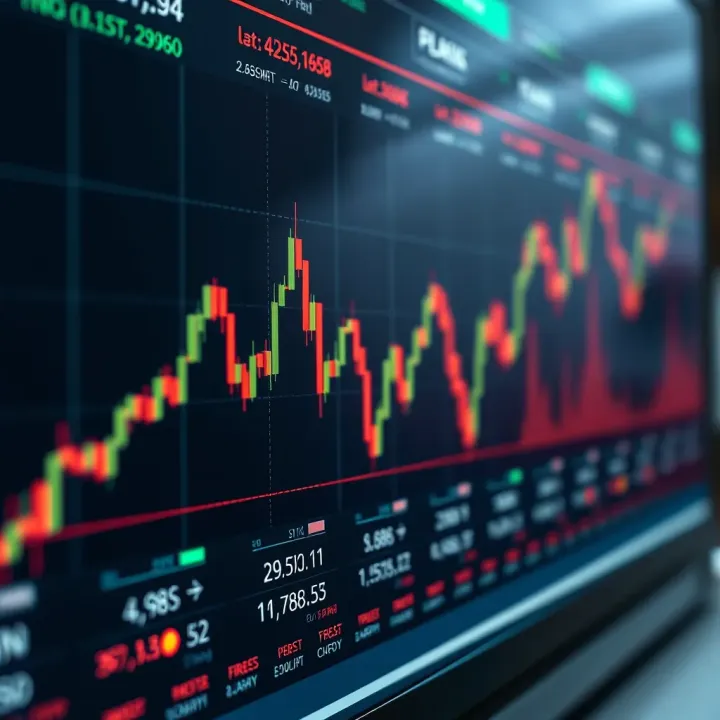
Forex trading requires understanding market drivers such as central bank policies, global economic indicators, and geopolitical events. Being unaware of these can lead to costly mistakes.
Unlike stock exchanges with physical locations, forex is a decentralised market facilitated by a network of banks, brokers, and electronic trading platforms. This structure means prices can vary slightly depending on the provider but generally remain tight due to high liquidity.
Leverage: Kenyan forex brokers typically offer leverage up to 1:100 or more, meaning you can control a large position with a small deposit. While this magnifies profits, it also increases potential losses.
Currency Pairs: Commonly traded pairs include USD/KES, EUR/USD, and GBP/USD. Kenyan investors often start with USD/KES due to familiarity and local economic relevance.
Market Hours: Trading follows global market sessions (Asia, Europe, US), so certain hours see heavier activity and tighter spreads. Knowing when the forex market is most active helps optimise entry and exit points.
Suppose a Kenyan investor notices that inflation in the US is rising faster than in Kenya. Anticipating the US Federal Reserve will raise interest rates, the investor might buy USD expecting it to appreciate. If the USD/KES rate moves from 110 to 112, a KSh 100,000 position would yield a KSh 1,818 profit, excluding fees.
Understanding these foundational points sets the stage for deeper insight into forex strategies, risk management, and practical steps for Kenyan investors looking to enter the market.
Next sections will explore tools traders use, specific risks involved, and how to navigate the forex scene safely in Kenya.
Understanding forex trading begins with recognising that it involves exchanging one currency for another on a global market. This market is the largest financial market worldwide, with daily trading volumes exceeding $6 trillion. For a Kenyan investor, forex trading offers a chance to access this vast market where currency values fluctuate based on economic factors, political events, and market sentiment.
Forex trading is the act of buying one currency while simultaneously selling another. It operates in pairs, such as the US dollar against the Euro (USD/EUR). Instead of trading a physical asset like shares or commodities, traders speculate on whether the value of a currency will rise or fall relative to another. Unlike buying goods in shops, forex trading is done electronically through brokers or banks, often with small amounts of capital, thanks to leverage.
Currencies are quoted in pairs because their value is relative. For example, if you trade the USD/KES pair, you're betting on whether the US dollar will strengthen or weaken against the Kenyan shilling. If the USD/KES rate is 110, it means one US dollar can buy 110 Kenyan shillings. If you expect the shilling to weaken, you buy USD/KES; if you think it will strengthen, you sell.
There are major pairs (such as EUR/USD, USD/JPY), minor pairs, and exotic pairs, with Kenyan traders often focusing on USD/KES due to their direct local relevance. These pairs react differently depending on economic news, central bank policies, or regional events.
The forex market operates 24 hours a day, five days a week, opening Sunday evening in Nairobi and closing Friday evening. This round-the-clock trading suits Kenyans who may want to trade outside typical working hours or follow news influencing currency prices globally.
Trading begins in major financial centres like Sydney, Tokyo, London, and New York. For example, active trading occurs during the London and New York overlap from 4 pm to 8 pm Nairobi time – a period known for higher liquidity and price movements. Thanks to platforms accessible via smartphones or computers, Kenyans can trade from their homes or offices, using mobile money services like M-Pesa to fund accounts.
Forex trading demands understanding of how currencies relate, an eye on global events, and a clear trading plan. Familiarity with market hours allows efficient timing of trades to benefit from peak activity periods.
This section lays the groundwork for Kenyan investors by explaining what forex trading is, how currency pairs work, and when the market is open, helping them make informed decisions as they get started.
Understanding key concepts and terminology in forex trading is essential for anyone looking to engage in this fast-moving market. The jargon might seem overwhelming at first, but knowing these basics gives you a clearer view of how trades work and helps you make sound decisions.
Every forex trade involves a pair of currencies: the base currency and the quote currency. The base currency is the first in the pair, representing the currency you’re buying or selling. The quote currency is the second, showing how much of it you need to buy one unit of the base currency. For instance, in the pair USD/KES, USD is the base currency, while Kenyan shilling (KES) is the quote. If the price is 110, it means 1 USD equals 110 KES.
Getting this right is vital because your profit or loss depends on how these two currencies move against each other. For example, if KES weakens against the USD, importing becomes costlier but trading USD/KES could lead to gains for forex investors betting on the pair.
A pip stands for "percentage in point" and represents the smallest price movement a currency pair can make, usually the fourth decimal place. So, if USD/KES moves from 110.0000 to 110.0100, that’s a one-pip move.
Why does this matter? Pips help you measure profit or loss precisely. Since the Kenyan shilling often experiences fluctuations, even small pip movements can translate to significant gains or losses, especially when using leverage. Traders watch pips like hawks because they help calculate risk and reward.
Leverage means borrowing funds from your broker to control a bigger position than your deposit allows. For example, a 1:100 leverage lets you trade KSh 100,000 for just KSh 1,000 in your account. This magnifies profits but also amplifies losses.
Margin is the amount of your own money blocked as security to open that leveraged trade. It’s like a deposit held by the broker. If your trade goes against you, and losses exceed your margin, the broker can close your position to prevent further loss. That’s why understanding leverage and margin is crucial; it’s a double-edged sword.
The spread is the difference between the buying (ask) price and the selling (bid) price of a currency pair. It’s how brokers often make their money. For example, if USD/KES has a bid of 110.00 and an ask of 110.05, the spread is 0.05 KES.
Besides the spread, some brokers charge a commission per trade, especially for larger volumes or certain account types. Always check these costs because they eat into your profits. Kenyan traders should compare brokers’ spreads and commissions carefully to get the best deal.
Mastering these terms gives you a solid footing in forex trading. You’ll spot opportunities, judge risks better, and avoid surprises when you see terms like pips, leverage, or spread mentioned during trading.
By familiarising yourself with these basics, you’re not just learning definitions but equipping yourself to navigate Kenya’s forex market confidently and responsibly.
Forex trading offers attractive possibilities but comes with notable risks, especially for Kenyan investors navigating both local and global markets. Understanding these pros and cons is essential before committing capital. We’ll cover key benefits like liquidity and 24-hour market access, balanced against risks such as volatility and scams that have caught out many traders.
The forex market is the largest worldwide, with daily trading volume exceeding $6 trillion. That means there’s always a buyer or seller ready to trade, making it easier to enter or exit positions quickly. For Kenyan investors, this liquidity means trades can be executed almost instantly, reducing slippage. For example, popular pairs like USD/KES (US dollar to Kenyan shilling) usually have enough volume to ensure smooth trading.
Unlike stock markets that close during weekends or nights, forex operates 24 hours from Monday to Friday. This round-the-clock nature allows Kenyan traders to react to events irrespective of time. So, whether it’s an early-morning government announcement in Nairobi or an overnight US Federal Reserve decision, you can adjust your positions promptly. This flexibility fits well with diverse lifestyles, including those balancing trading with day jobs or businesses.
Volatility in forex prices creates many chances to profit. Traders can speculate on rising or falling currency values. For instance, if a Kenyan investor predicts the US dollar will strengthen against the euro due to economic data, they can position accordingly. Also, forex trading allows for leverage, amplifying returns on smaller investments (more on leverage risks below). Though profits are not guaranteed, the dynamic nature of the forex market presents active investors with multiple avenues to grow their capital.
While volatility creates profit chances, it also brings uncertainty. Forex prices can shift rapidly due to geopolitical events, economic reports, or unexpected news like central bank rate changes. Kenyan traders must know that sudden swings can wipe out gains or deepen losses quickly if unprepared. For example, instability in the Eurozone might abruptly affect EUR/USD rates, causing significant price jumps during trading hours.
Leverage lets you control larger positions with smaller deposits. For instance, a 1:100 leverage means KSh 1,000 can control KSh 100,000. However, high leverage magnifies losses just as much as profits. In Kenya, some brokers offer high leverage, tempting traders with the prospect of big wins. But overusing leverage can wipe out trading accounts fast, especially in volatile markets. Careful risk management and modest leverage use are vital to avoid blowing your money.
The ease of opening accounts and online access means scams are common in forex trading. Some unregulated brokers lure Kenyan investors with promises of quick riches, only to delay withdrawals or disappear with funds. It’s crucial to verify brokers with Kenya’s Capital Markets Authority (CMA) or other recognised regulators. Also, beware of schemes guaranteeing fixed returns or pressuring you to invest more. Staying vigilant protects your hard-earned money.
Successful forex trading in Kenya depends on balancing opportunities with caution. Understanding these advantages and risks helps traders make informed decisions and avoid costly mistakes.
Having the right tools and platforms is essential to trading forex effectively. These tools not only provide access to the market but also offer features to analyse price movements, execute trades fast, and manage risks. In Kenya, traders rely heavily on popular platforms that support mobile payments like M-Pesa, reflecting the local convenience of mobile money transactions. This section covers the main trading platforms and the role brokers play, plus the basic analysis tools every trader should know.
MetaTrader 4 and 5 are by far the most widely used platforms among Kenyan traders. MetaTrader 4 (MT4) is a reliable, user-friendly platform known for its robust charting tools and automated trading capabilities through Expert Advisors (EAs). MetaTrader 5 (MT5), an upgrade from MT4, offers more timeframes and indicators and can handle more types of orders, but it is still growing in popularity here. Kenyan traders appreciate these platforms for their compatibility with smartphones, enabling trading on the go using Safaricom’s reliable network.
cTrader and Other Options provide an alternative for traders seeking a more modern interface and additional features like advanced order types and level II pricing. cTrader is praised for its intuitive design and fast execution speeds, attractive to more experienced traders. Other platforms Kenyan investors might try include TradingView for analysis, or proprietary broker platforms like those from HotForex or FXTM, though usability and local payment support can vary. Picking a platform that feels comfortable and aligns with your trading style is key.
Brokers act as the gateway between you and the foreign exchange market. Their regulation status matters a lot — working with a broker licensed by a recognised body ensures your funds are safer and trading conditions are fair. For instance, brokers regulated by the Capital Markets Authority (CMA) in Kenya or international authorities like the FCA or CySEC offer greater security. Unregulated brokers may promise low spreads but carry higher risks of fraud.
When choosing between local and international brokers, consider factors like payment convenience, customer service, and platform options. Local brokers often accept M-Pesa, allowing for easy funding and withdrawals, an important factor for many Kenyan traders. However, international brokers may offer a wider range of currency pairs, tighter spreads, and more educational resources. Balancing these factors depends on your priorities and trading goals.
Most trading platforms come with technical analysis tools which help you understand price movements through charts and indicators. Common tools include moving averages, Relative Strength Index (RSI), and Fibonacci retracements. These assist in identifying trends and spotting potential entry and exit points. For a Kenyan trader, learning these basics can improve decision-making and reduce emotional trading.
Fundamental analysis focuses on economic indicators and news events that impact currencies. Keeping an eye on Kenya’s economic reports, US Federal Reserve actions, or Brexit developments, for example, can help anticipate market moves. While it requires more effort, combining fundamental insights with technical analysis provides a fuller picture of the market.
Using the right tools and platforms tailored to your needs can make forex trading more manageable and increase your chances of success. Make sure to test platforms with demo accounts before committing real money.
With these tools at your disposal, you are better prepared to navigate forex trading in Kenya's context confidently.
Starting forex trading in Kenya requires careful preparation to navigate the market wisely. This section sheds light on the essential steps and local factors every Kenyan investor should consider when entering forex trading.
Opening a trading account with a broker involves identity verification that meets regulatory standards. Typically, you need to provide your national ID or passport, a recent utility bill to confirm your address, and sometimes a bank statement. This process, known as Know Your Customer (KYC), helps prevent fraud and ensures safe trading environments. For example, on the eCitizen platform linked to some brokers, this verification step is quite straightforward but mandatory.
Once verified, you need to fund your trading account to start buying and selling currency pairs. In Kenya, funding is made easier with mobile money services like M-Pesa. Many brokers allow direct deposits from M-Pesa, which cuts down delays and transfer fees associated with bank payments. It’s smart to check which payment methods your broker supports to avoid hiccups.
Before trading, establish clear goals such as daily profit targets or loss limits. Deciding how much capital to risk per trade protects you from big losses. For instance, managing risk by limiting each trade to 1-2% of your account balance prevents wiping out your investment in a single wrong move. Thorough planning helps you stay disciplined and avoid emotional decisions.
Using demo accounts allows you to trade with virtual funds in a live market environment. This practice helps you understand market movements and test strategies without risking real money. Many brokers—like FXPesa or eToro—offer demo accounts. Practising this way is key to gaining confidence before putting your hard-earned KSh to work.
M-Pesa is King when it comes to mobile payments in Kenya and is widely accepted among forex brokers. Trading platforms connected to M-Pesa simplify deposits and withdrawals, making trading more accessible beyond Nairobi. Plus, instant transactions reduce the time lag compared to traditional bank transfers, letting you seize market opportunities faster.
Kenyan traders must be aware that profits from forex trading are subject to taxation. The Kenya Revenue Authority (KRA) requires declaring such income under capital gains or business income, depending on the trading activity. Keeping detailed records through platforms like iTax helps in filing returns accurately and avoiding issues. Also, trading with brokers regulated by the Capital Markets Authority (CMA) Kenya ensures compliance and protection under local law.
Starting forex trading in Kenya is not just about picking a platform; it’s about knowing the local payment systems, understanding legal requirements, and planning your moves wisely to build a sustainable trading practice.
📊 Master forex trading charts with our practical guide for Kenyan traders! Learn to read charts, use indicators, and choose the right timeframes to boost your strategy.

Explore top forex trading apps for Kenyan traders 📱. Learn to choose safe platforms, spot key features, and boost your trading skills effectively.
Explore top forex trading companies in Kenya 🇰🇪, learn about regulators, pick trusted brokers, and get practical tips to start smart and safe 📈💡.
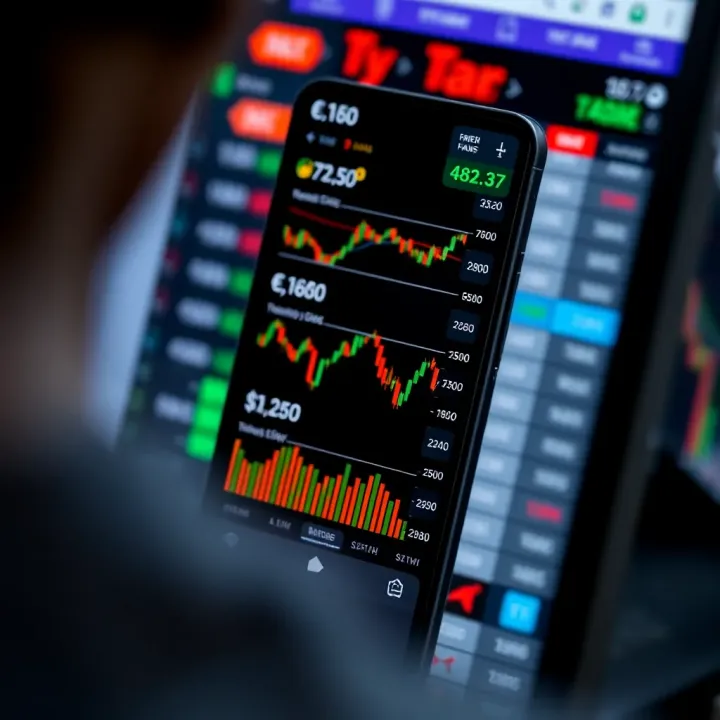
Explore top forex trading apps tailored for Kenyan traders 📱. Learn to choose wisely, ensure security 🔒, and trade confidently in Kenya’s forex market!
Based on 10 reviews