
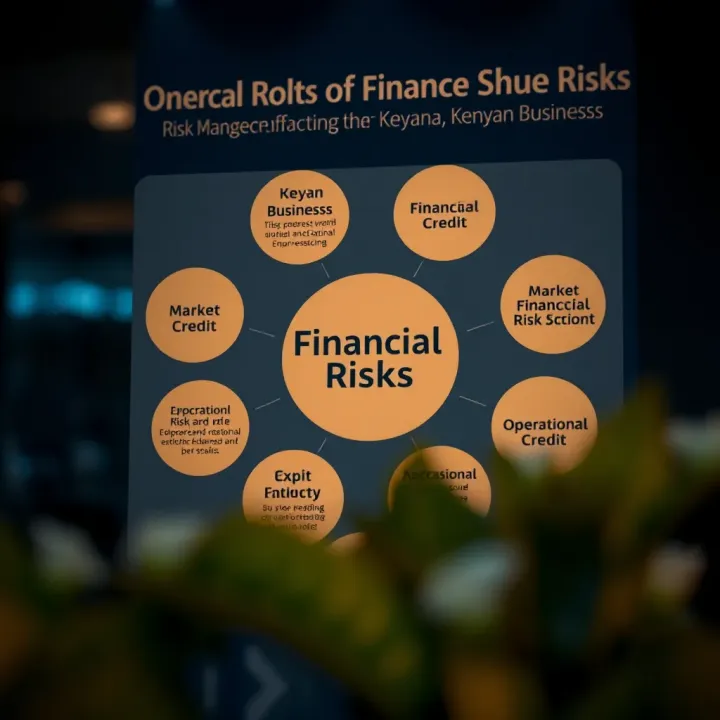
Risk Management in Finance for Kenyan Businesses
📊 Master financial risk management for Kenyan businesses. Learn key risks, control methods, SME challenges, and how regulatory bodies protect your financial health. 💼
Edited By
Henry Dawson
Risk management is not just a box to tick for Kenyan businesses—it’s a necessary tool to keep operations running smoothly and maintain financial stability. Many local enterprises, whether in Nairobi or the rural areas, face risks ranging from currency fluctuations and supply chain hiccups to political changes and weather disruptions like the long rains or drought.
A solid risk management plan helps businesses identify threats early, assess their impact, and create strategies to respond or avoid losses. For example, a retailer dealing with imported goods must consider exchange rate risks and customs delays, while a farm needs to prepare for unpredictable weather affecting crop yields.

Effective risk planning can save your business from costly surprises and ensure you stay competitive within Kenya’s dynamic market.
Risk Identification: Look closely at your business activities. What could go wrong? Think across financial, operational, legal, and market risks. For instance, a boda boda operator might consider fuel price hikes and vehicle breakdowns as major risks.
Risk Analysis: Not all risks have the same impact. Prioritise those that can cause the biggest damage or are most likely to happen. Use realistic data—such as past incidents or sector reports—to judge probability and potential loss.
Risk Response: Decide how to handle each risk. Options include avoiding it (changing an unsafe practice), reducing it (training staff or upgrading equipment), transferring it (insurance or contracts), or accepting it (if it’s minor).
Monitoring and Review: Risks evolve, so keep an eye on your plan and update it regularly. Local factors like regulatory changes or market trends can quickly shift the risk landscape.
For Kenyan businesses, integrating risk management with daily decisions, like choosing suppliers or planning cash flow with M-Pesa timings, enhances resilience. The hustle economy demands not just reactive measures but a proactive mindset.
This practical approach ensures your business is not caught off guard, ready to handle shocks, and can thrive despite challenges.
Risk management planning is key to safeguarding any business, especially in Kenya's dynamic market. It helps business owners foresee potential problems and prepare sensible measures to reduce losses, maintain smooth operations, and protect assets. For instance, a Nairobi-based manufacturer anticipating supply chain hiccups caused by seasonal rains can plan alternate sourcing or buffer stocks, ensuring production continues unhindered.
Risk refers to anything that has the potential to disrupt a business's normal operations or reduce profitability. This could be a drop in sales, theft, machinery breakdown, or regulatory changes. In the Kenyan context, risks might range from matatu strikes delaying goods delivery to sudden government tax hikes affecting cashflow. Without recognising these risks, a business can quickly find itself unprepared and vulnerable.
Understanding risk means appreciating both the likelihood something negative will happen and what the impact would be. For example, delays in receiving critical stock due to bad weather might be fairly common and cause moderate disruption, while a new law banning certain imports could have a big financial impact even if less likely.
A risk management plan outlines how a business identifies, assesses, and handles risks to reduce unwanted surprises. It ensures everyone in the organisation knows their role when risks arise and what steps to take. This plan helps avoid panic and loss by setting clear strategies, such as transferring risks through insurance or putting in place backup systems.
Effective planning also helps businesses stay competitive. When investors or partners see you have a solid risk plan, it builds confidence that the business can weather challenges. For example, a SME applying for a loan with a clear risk management approach might find it easier to get funding from banks or SACCOs.
Kenyan businesses often face risks from economic swings. Inflation, currency fluctuations, or changes in consumer spending can hit profits hard. For example, a retailer importing goods priced in US dollars risks losing margins if the Kenyan shilling weakens suddenly. Market risks also include competition and shifting customer preferences; a boda boda business could lose customers if a new ride-hailing app offers cheaper rates.
These risks demand continuous market monitoring. Firms must adapt quickly—perhaps by adjusting prices, diversifying suppliers, or finding new customer segments to stay afloat.
Operational risks arise from failures in day-to-day activities. This could be equipment breakdowns, theft, or errors in supply chains. For example, if a small factory's generator fails during a power outage, production halts, affecting delivery schedules and profits.
Such risks can be managed by regular maintenance, staff training, and having reliable suppliers. Businesses without these safeguards risk frequent disruptions leading to customer dissatisfaction.
Kenya's legal and regulatory environment can be complex. Changes in tax laws, licensing requirements, or labour regulations directly affect businesses. For example, a small food processing enterprise must comply with the Kenya Bureau of Standards (KEBS) guidelines; failure might lead to fines or shutdown.
Keeping up-to-date with government notices and engaging with business associations can help firms anticipate regulatory shifts and adjust accordingly.
Environmental risks in Kenya include floods, droughts, and other effects of climate change that impact agriculture or logistics. Social risks relate to community relations, strikes, or security concerns. For instance, prolonged drought in ASAL (Arid and Semi-Arid Lands) regions can disrupt local businesses dependent on agriculture.
Businesses planning to grow sustainably need to assess these factors, perhaps by investing in climate-resilient crops or engaging with local communities to foster goodwill and reduce social conflicts.
Understanding these various risks helps Kenyan businesses stay prepared, adapt strategies, and ensure long-term survival in a challenging market.

Identifying risks is the first step for any Kenyan business wanting to manage threats before they cause harm. Catching risks early means you can plan and respond better, saving both time and money. The Kenyan market, with its unique economic shifts and regulatory environment, calls for practical ways to spot risks that specifically affect local businesses.
Brainstorming Sessions are a hands-on way for a business team to gather and list potential risks together. These sessions encourage everyone from financial managers to sales staff to contribute, drawing on different experiences. For instance, a retail shop in Nairobi might discuss theft risks, supply delays, or customer demand changes in these meetings. This collaborative approach uncovers risks that might not be obvious from a single viewpoint.
Using Checklists and Risk Registers helps businesses stay organised while identifying risks. A checklist tailored for Kenyan SMEs might cover risks like currency fluctuations, power outages, or even seasonal market dips during long rains. Risk registers go a step further by recording each identified risk, its source, and potential impact. This tool ensures no risk gets forgotten and helps keep track of mitigation efforts over time.
Consulting Stakeholders and Experts expands the view beyond the immediate business team. Talking to suppliers, customers, or industry experts can reveal risks that insiders might miss. For example, a small-scale tea exporter might consult with agronomists or market analysts to understand climate risks or trade policy changes affecting exports. Engaging outside opinions brings fresh insights and can confirm or challenge internal assumptions.
Reviewing Past Incidents is a practical way to learn from history. Looking back at what has gone wrong in the business or in the wider market provides clues about where vulnerability lies. Say a Nairobi-based logistics firm experienced delays during last year’s Matatu strikes; this history encourages planning for future labour disruptions. Recording such events in a risk register ensures the business is better prepared next time.
The Kenyan business environment changes quickly due to political shifts, weather patterns, and global market trends. Keeping an eye on news, government announcements, and economic indicators helps track new risks. For example, unexpected changes in fuel prices caused by tax adjustments can spike transport costs, directly affecting many sectors. Using technology such as dashboards or subscription to reliable alerts can help businesses stay ahead. Monitoring emerging risks lets firms adapt without being caught off guard, which is particularly crucial for fast-moving sectors like agriculture or manufacturing.
Effective risk identification is about combining practical tools with deep knowledge of local conditions. Kenyan businesses that apply these methods stand a better chance of staying resilient and competitive amid uncertainty.
Analysing and prioritising risks allows Kenyan businesses to focus resources on threats that could cause the most damage. Instead of treating all risks the same, businesses assess each risk’s likelihood and potential impact to decide which deserve urgent attention. For example, a small retailer in Nairobi might face theft risks frequently but low financial loss per incident, while a failing supply chain due to fuel shortages can halt operations completely. Prioritising these risks ensures limited funds and manpower target where they matter most.
Assessing likelihood means estimating how often a risk might occur, while impact measures how severe its consequences could be. For instance, a boda boda accident affecting delivery times might happen often but with minor setbacks. Meanwhile, a sudden regulatory change by the Kenya Revenue Authority (KRA) could be rare but lead to big fines or operational halts. Businesses can use local data, industry reports, and past experience to assign scores or levels, say from low to high, helping to understand risk better.
Risk matrices combine likelihood and impact scores into a grid, helping businesses visualise which risks are critical. Imagine a 3x3 matrix where one axis shows likelihood (low, medium, high) and the other shows impact (minor, moderate, major). Risks landing in the high-likelihood and major-impact corner flag immediate action. For example, a manufacturer in Mombasa might rank fluctuations in electricity supply as high in both dimensions, pushing them to invest in standby generators. This simple tool aids decision-makers by translating abstract risk data into practical priorities.
Focusing on high-risk areas means directing strategy towards the biggest threats instead of spreading efforts too thin. Businesses can allocate funds for insurance, staff training, or tech upgrades aligned with these risks. For example, agricultural exporters might prioritise risks related to extreme weather or pest outbreaks given their damaging potential. Also, regularly reviewing which risks paint in red in your matrix ensures the business responds to new or changing threats in Kenya’s dynamic environment.
Prioritising risks transforms vague threats into actionable plans – helping Kenyan businesses stay resilient and responsive in a challenging market.
By breaking risks down through likelihood and impact, using tools like risk matrices, and concentrating on significant threats, Kenyan enterprises better protect their finances, reputation, and operations against disruptions.
Developing and implementing risk responses is where a risk management plan moves from theory to action. This step ensures that identified risks do not derail business objectives, especially in Kenya's dynamic market environment. A clear response strategy helps protect assets, maintain operations, and control financial impacts. Effective responses range from avoiding risks entirely to accepting manageable risks while preparing for their consequences.
Risk avoidance means steering clear of activities that expose the business to unnecessary danger. For example, a Nairobi-based exporter may avoid markets with high political instability to prevent losses from sudden trade restrictions. Mitigation, on the other hand, involves reducing the severity or probability of risk. A Jua Kali welding workshop can mitigate fire risks by installing fire extinguishers and training staff on safety protocols. Mitigation steps often require upfront resources but save money and stress long term by preventing emergencies.
Transferring risk moves responsibility from the business to a third party, commonly done through insurance or contracts. Many Kenyan SMEs rely on insurance products such as fire, theft, or business interruption cover to shield themselves from large sudden expenses. For instance, a retailer in Mombasa may purchase insurance covering stock losses due to floods, a known regional risk. Similarly, clear contracts with suppliers or clients can transfer risks like delays or defects. For traders, having robust agreements helps manage quality or delivery risks, ensuring one party takes responsibility if problems arise.
Sometimes, businesses choose to accept certain risks because avoiding or transferring them is too costly or impractical. This acceptance requires a backup plan—known as contingency planning—to deal with potential setbacks. For example, a small agribusiness might accept fluctuating maize prices but plan for lean seasons by maintaining cash reserves or diversifying product lines. Contingency plans outline clear steps to follow if the risk occurs, minimising disruption. Without such plans, businesses risk paralysis when unexpected events strike.
Having a mix of avoidance, transfer, and acceptance strategies tailored to your Kenyan business context ensures balanced risk management. It’s not about eliminating all risks, but managing them smartly so your business can thrive despite uncertainties.
In summary, developing and implementing risk responses anchors your entire risk management plan. Whether reducing risks, sharing them through insurance, or preparing for impact, these actions keep your business resilient and agile. Kenyan traders, investors, and brokers can boost confidence by having practical steps ready to handle risks common in our operating environment.
Monitoring and updating the risk management plan is a continuous process essential for keeping Kenyan businesses agile. Risks don’t stay the same — economic shifts, regulatory changes, or even unexpected events like weather disruptions in agricultural sectors can alter risk profiles sharply. Without regular reviews, a business might miss warning signs or fail to respond in time.
Regular risk reviews help identify new threats and evaluate whether existing controls are still effective. For instance, a Nairobi-based export business might review its risks quarterly to capture changes in foreign exchange rates or new trade regulations by the East African Community (EAC). Setting fixed times for reviews, such as monthly or quarterly meetings, ensures risk management remains a priority and doesn't get lost in day-to-day operations. Documenting these sessions and updating the risk register provides a reference to track progress or emerging concerns.
As new information arises, the risk management plan should adapt accordingly. Suppose a local bank introduces stricter compliance rules; a SME involved in financial transactions must revise its compliance risk strategies to mitigate penalties. Similarly, when technology changes — such as adopting M-Pesa for payments — operational risks might shift, requiring updated controls. Adjustments ensure the plan reflects current realities instead of relying on outdated assessments.
Risk management is not a lone job for management alone. Involving teams and stakeholders creates a shared responsibility culture, making it easier to spot and report risks early. For example, shop floor employees can alert management to supply chain delays or quality concerns before these escalate. Regular communication between departments and external partners like suppliers or insurers also sharpens vigilance. Engaging everyone deepens the insight pool and improves response speed.
A risk plan left untouched is like a wobbling matatu tyre — it can lead to bigger problems down the road. Keeping it current through active monitoring protects your business from unexpected hits.
By weaving regular reviews, dynamic updates, and inclusive monitoring into your risk management strategy, your business will be better placed to stay resilient and ready for whatever challenges come next.
For many Kenyan businesses, managing risks is more than just a theoretical exercise—it can be the difference between survival and closure. Yet, several challenges make effective risk management difficult here, especially for traders, investors, and brokers navigating the dynamic Kenyan market.
A common hurdle lies in the lack of awareness about risk management practices. Most small and medium enterprises (SMEs), which dominate Kenya’s business landscape, often handle risks informally or not at all. For instance, a small duka or jua kali operator might not understand how currency fluctuations or supply disruptions affect their operations. The limited skills to identify, assess, and respond to risks mean many businesses wait for problems to hit before reacting. This reactive approach can intensify losses and stall growth.
Capacity-building and training remain scarce, especially outside Nairobi and other major towns. Without access to risk management knowledge, businesses may miss basic steps like keeping risk registers or understanding insurance coverage, factors that expose them to avoidable shocks.
Financial and human resource shortages are very real constraints, especially for smaller outfits. Investing in risk management tools, hiring experts, or purchasing adequate insurance can seem like a luxury when daily survival is already tight. For example, a small trader may find it hard to allocate funds for business interruption insurance or sophisticated software for tracking operational risks.
Besides finances, many businesses lack the personnel to dedicate time for thorough risk assessments and monitoring. Often, owners juggle multiple roles, leaving risk management overlooked or delegated without proper guidance. Such resource gaps limit practical risk mitigation and slow down response times when threats emerge.
Kenya’s business environment is shaped by frequent changes in regulations and macroeconomic fluctuations. Traders and investors often grapple with inconsistent tax policies, sudden rate changes by the Central Bank of Kenya (CBK), or shifts in foreign exchange availability. For example, evolving KRA regulations can cause confusion on compliance timing, leading to penalties that disrupt cash flow.
Economic shocks like inflation spikes or currency depreciation can create unpredictable conditions. This uncertainty challenges businesses trying to plan long-term, as costs and revenues can quickly shift. Additionally, navigating county-level regulations introduces another layer of complexity, especially for businesses expanding beyond Nairobi.
Businesses that overlook these challenges risk being caught off-guard by market shifts or legal requirements, which can impact profitability and sustainability.
Addressing these challenges requires a blend of increased education, innovative resource use, and adaptive strategies aligned with Kenya’s unique business climate. Building local partnerships and staying informed about regulatory trends can also help firms withstand the pressures of a fluctuating environment.
Building resilience helps Kenyan businesses survive shocks and continue to grow despite uncertainties. Practical risk management means not just spotting risks, but actively preparing for them, so your business can bounce back quickly when challenges come. This approach fits well with the Kenyan market, where factors like economic fluctuations, regulatory changes, and environmental concerns can catch many off guard.
Creating a risk-aware culture means everyone in the business understands the risks involved and their role in managing them. For example, a Nairobi-based SME that trains staff to spot delays in supply chains can react faster, avoiding costly downtime. Encouraging open communication about risks ensures issues get flagged early rather than hiding under the rug. Leadership plays a big role here by setting examples and including risk discussions in regular meetings. Over time, this culture builds stronger teams who don’t panic when problems arise, but instead seek solutions.
Technology is a practical tool Kenyan businesses can’t ignore. Software tools can track market trends, supplier performance, and compliance deadlines automatically. Take enterprises that sell via Jumia or local e-commerce: they often use inventory management systems that alert them before stockouts happen. Similarly, mobile apps connected to Safaricom’s M-Pesa help monitor cash flow and reduce fraud risk by tracking every transaction in real-time. Adopting technology not only saves time but also sharpens your risk visibility, making decision-making more informed and timely.
No business operates in total isolation, especially here in Kenya where partnerships and community ties matter. Joining industry groups or sector associations, like the Kenya Association of Manufacturers or the Nairobi Chamber of Commerce, helps exchange risk intelligence, share best practises, and influence favourable policies. For instance, during the last tax changes, members who engaged as a group accessed clearer guidance and negotiated relief options better than those acting alone. Collaboration also opens doors to joint insurance schemes or bulk purchasing discounts, both of which reduce individual risk costs.
Resilience is about forward-thinking and practical moves. Fostering a joint risk approach across your team and community while adopting reliable technology can truly keep your business steady through tough times.
📊 Master financial risk management for Kenyan businesses. Learn key risks, control methods, SME challenges, and how regulatory bodies protect your financial health. 💼
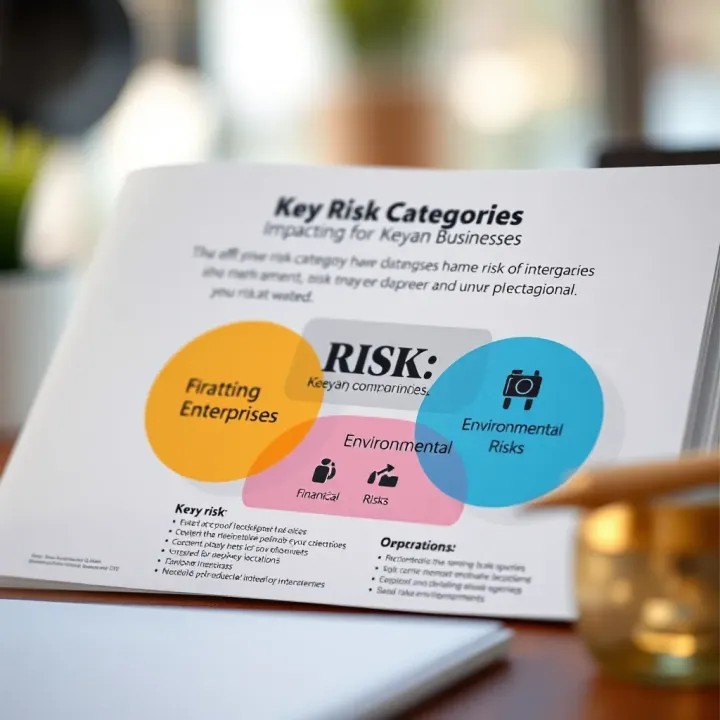
Discover practical risk management strategies Kenyan businesses can use to identify, assess, and control risks. Strengthen your firm’s resilience and protect investments today 📊🛡️

Learn effective risk management methods for Kenyan businesses 🏢🌍 covering financial safeguards, compliance, and tech use to reduce losses and boost growth confidently.
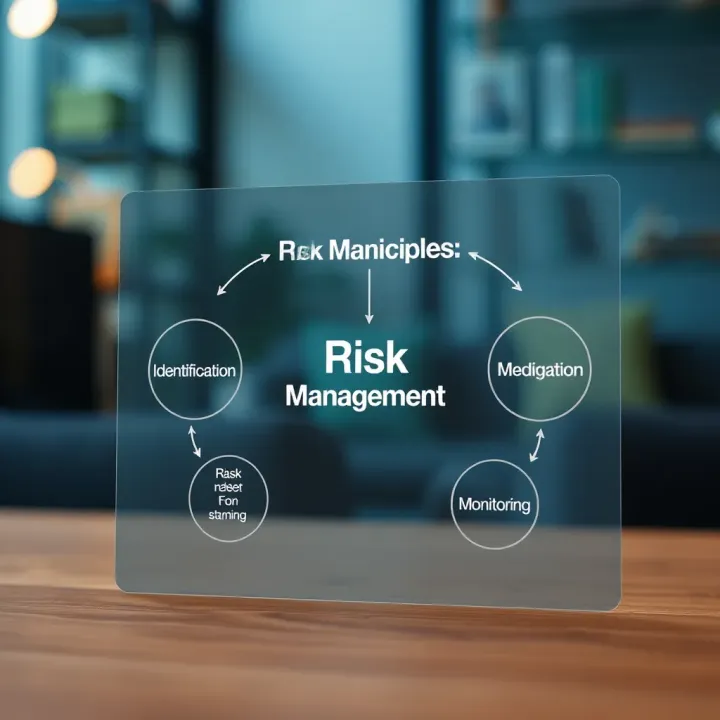
📊Understand key risk management principles and practical tools for Kenyan businesses. Learn to implement, monitor risks, and use tech with handy PDFs for easy access.
Based on 6 reviews