
Understanding Forex Trading for Kenyan Traders
📈 Learn how forex trading works and the best methods for Kenyan traders. Discover platforms, strategies, risks, and tips to trade forex safely using local practices.
Edited By
Charlotte Bennett
Forex trading robots, often called Expert Advisors (EAs), are computer programmes designed to automate foreign exchange trades. Kenyan traders using platforms like MetaTrader 4 or 5 can deploy these robots to open, manage, and close positions without direct human input. This automation aims at executing trades faster and more efficiently than manual trading.
These robots follow pre-set algorithms, analysing market data such as price movements, volume, and historical trends. For example, a robot might buy dollars against the shilling when it detects a specific price pattern that historically signals a rise. Once conditions no longer meet the criteria, the robot may close the position to lock in profits or limit losses.
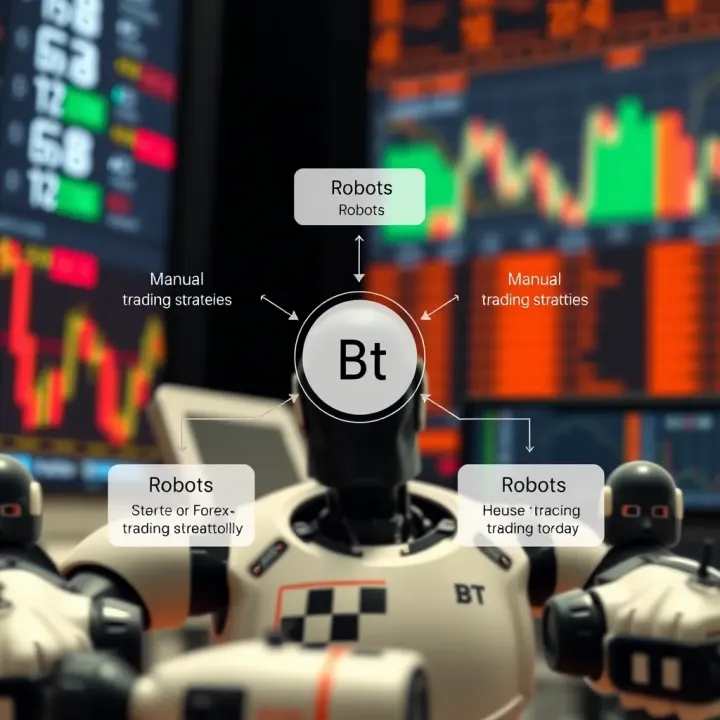
While forex robots offer a tempting way to automate trading, understanding their strengths and downsides is key. They can operate 24/7, which suits the forex market’s continuous nature, and remove emotional bias like fear or greed. However, they depend heavily on the quality of their algorithms and market conditions, which can change unexpectedly.
Kenyan traders should be cautious with robots promising guaranteed profits; the forex market is unpredictable, and no algorithm works perfectly all the time.
Some common uses of forex trading robots among Kenyan traders include:
Scalping: Making numerous small trades throughout the day to profit from minor price changes.
Trend following: Identifying and trading in the direction of prevailing market trends.
Grid trading: Placing buy and sell orders at certain intervals to capitalise on market fluctuations.
Given Kenya’s regulatory environment and reliance on mobile money through platforms like M-Pesa, integrating forex robots with available brokerage accounts requires understanding order execution speeds and deposit options. Besides, considering local internet stability and power backup is practical when relying on automated systems.
In sum, forex trading robots can be a useful tool when combined with manual oversight and risk management. They are not magic machines but rather aids to a trader’s strategy, and their performance varies based on how well they are programmed and applied in the ever-changing forex market.
Forex trading robots, sometimes called Expert Advisors (EAs), are software programs designed to automate trading decisions in the forex market. They analyse market conditions using predefined rules and algorithms, then execute trades without manual input. For Kenyan traders, understanding these robots is essential since they offer a practical way to engage in forex trading even when constant market monitoring isn’t feasible.
A forex trading robot is essentially a programme that uses technical indicators and historical data to identify trading opportunities. Its main purpose is to remove human emotions such as fear and greed from trading decisions, which often lead to mistakes. For example, a trader in Nairobi might use a robot to automatically open buy or sell positions on currency pairs like USD/KES based on certain price movements or trend signals.
At the heart of every forex robot lies a set of algorithms — rules formulated to detect trading signals. These may include moving averages, RSI (Relative Strength Index), or more complex pattern recognition techniques. Besides, risk management algorithms determine stop-loss and take-profit points to minimise losses and lock in gains. To give a concrete example, a robot might be programmed to buy the EUR/USD pair when its 50-day moving average crosses above the 200-day average, signalling an uptrend.
The core components typically include:
Signal Generator: Decides when to enter or exit trades.
Risk Manager: Sets limits on trade sizes and losses.
Execution Module: Sends orders to the broker's platform automatically.
Once activated, the robot continuously scans the forex market for conditions that meet its programmed criteria. This hands-free approach is valuable for Kenyan traders who may not always be glued to screens. For instance, imagine a trader living in Mombasa using a robot to trade the USD/KES pair during off-hours or when busy with other work. The robot can execute trades based on real-time data, reacting faster than manual trading.
The automation process reduces the need for constant manual input and can operate 24/7, as the forex market is open around the clock. However, it is important to monitor the robots regularly to ensure they are functioning correctly and to make adjustments based on changing market dynamics.
Using forex trading robots offers Kenyan traders a practical way to balance forex market engagement with their daily commitments, but it is not a set-and-forget solution.
Understanding how these robots work demystifies their role and helps traders make informed decisions on whether to incorporate automation into their trading strategies.
Understanding both the benefits and limitations of forex trading robots helps Kenyan traders make informed decisions. While these tools offer ways to speed up trading and reduce emotional bias, they also come with risks that could affect your investment if not managed carefully.
Forex trading robots can analyze vast data faster than any human ever could, making split-second trading decisions based on pre-set algorithms. Imagine you’re juggling a busy schedule but want to benefit from forex markets opening at odd hours; a robot can trade automatically even while you sleep. This speed can exploit tiny price differences that manual traders might miss.
Besides speed, robots don’t suffer from emotions like fear or greed. For example, a trader might hold on to a losing trade hoping it turns around, but a robot will cut losses according to its programmed rules without hesitation. This discipline helps avoid impulsive decisions, which can be costly.
That said, relying solely on machines has drawbacks. Robots operate based on historical data and fixed rules, which means sudden market shocks—like political unrest in a trading region or unexpected Central Bank announcements—can lead to losses. For instance, a robot tuned for stable market conditions might fail during high volatility.
Technical glitches also pose risks. A power cut or unstable internet connection could interrupt trades, leading to unintended positions or missed opportunities. Kenyan traders should ensure stable connections and backup systems if they choose automated trading.
Moreover, some so-called forex robots in the market are scams promising guaranteed profits. Always approach such offers with caution and test any system with a demo account before committing.
Forex robots suit different users differently. Beginners might appreciate robots as learning tools because they can observe how trades are made without risking real money initially. However, overreliance can stunt their growth in understanding market nuances.
For busy professionals juggling other duties, robots provide convenience by automating trades without constant market monitoring. Yet, these traders must still track performance and adjust settings as markets evolve.
Experienced traders sometimes use robots to handle routine trades while focusing on strategies requiring human discretion. This blend can help manage larger portfolios efficiently.
Using forex trading robots isn’t a one-size-fits-all solution. Knowing their strengths and weaknesses helps you use them wisely alongside your trading style and goals.
Selecting the right forex trading robot is a crucial step for Kenyan traders who want to automate their foreign exchange activities successfully. Given the volatility and unpredictability of the forex market, especially with regional and global economic shifts, choosing a robot suited for the Kenyan context can improve trading outcomes and reduce unnecessary risks.
Not all forex robots are created equal. When evaluating these tools, focus on key features such as:
Strategy Type: Whether the robot uses trend-following, scalping, or arbitrage strategies — some perform better in specific market conditions.
User Customisability: The ability to adjust parameters lets you tailor the robot to your trading style and risk appetite.
Performance History: Look for verified track records with transparent metrics rather than just glowing promises.
Compatibility: Ensure the robot works with popular trading platforms like MetaTrader 4 or 5, commonly used in Kenya.
Support and Updates: Active developer support and regular updates can keep the robot effective as markets change.
For instance, a robot that thrives on rapid trades may not suit a trader who prefers longer-term positions during Nairobi’s active market hours.
Before trusting a robot with real money, Kenyan traders benefit from rigorous testing. Demo accounts offered by brokers allow you to run the robot in simulated market conditions without risking shillings. This hands-on testing reveals how the robot reacts to live data, slippage, and spread fluctuations.
Backtesting involves running the robot against past market data to evaluate its performance over time. This process helps identify periods where the strategy may falter, for example during high volatility caused by global events affecting currencies like the Kenyan shilling.
Together, demo testing and backtesting reduce surprises once you start real trading, giving you confidence in the robot's reliability.
Kenyan traders need to ensure the forex robot complies with local and international trading regulations. Since brokers operating in Kenya might be regulated by the Capital Markets Authority (CMA), verify that the robot’s use aligns with these rules.
Broker compatibility is also vital. Some brokers may not support automated trading or might have restrictions on certain strategies. For example, brokers linked to Safaricom’s Lipa Na M-Pesa for deposits usually support MetaTrader platforms, which most robots operate on. Choosing a broker that allows seamless integration ensures your robot trades efficiently without technical hitches.
Tip: Always check the terms and conditions of the broker and test the robot with the specific broker account to avoid any surprises.
By focusing on these considerations, Kenyan traders can better select forex trading robots that fit their needs, improve their chances of success, and trade with greater peace of mind.
Integrating forex trading robots with manual trading strategies can significantly enhance a trader's performance. In Kenya's dynamic forex market, relying solely on automation or manual effort may miss opportunities or amplify risks. Combining both approaches allows you to use the speed and efficiency of robots while applying human judgement to adapt to shifting market conditions.
Forex trading robots can process large data sets and execute trades faster than any person, but they lack context and intuition. Using robots to complement your decisions means letting them handle routine entry and exit signals while you monitor broader economic events or unexpected market shifts. For instance, if your robot signals a buy on the USD/KES pair, but you’re aware of upcoming CBK policy announcements that might swing the market, you could hold back or adjust the robot settings accordingly.
This approach gives you an edge by combining the robot’s precise pattern recognition with your awareness of local factors—such as Kenyan inflation reports or regional political events—that machines might not fully account for. It's wise to treat robot signals as suggestions rather than final commands.
Robots require constant oversight to ensure they remain effective as market conditions evolve. You should regularly check how your trading robot performs, using demo accounts or small live trades before increasing stakes. If the robot underperforms during certain market phases, adjusting settings or temporarily pausing its activity is prudent.
For example, during Kenya’s election periods, forex markets experience volatility not always handled well by pre-set algorithms. Monitoring your robot’s trades allows you to spot these mismatches early. Also, keep an eye on software updates or patches from the robot provider, as these often address bugs or optimise algorithms.
Successful trading isn’t about set-and-forget with robots; it requires ongoing attention and willingness to tweak strategies based on real-time feedback.
When mixing manual and robot trading, risks can multiply if not carefully controlled. To manage this, define clear rules about how much capital the robot can trade versus manual trades. Avoid doubling exposure in the same currency pair by both methods simultaneously without coordination.
Using stop-loss orders for both robot and manual trades is essential to limit potential losses. Also, diversify your strategies: robots might focus on technical signals, while your manual trades respond to fundamental news.
Kenyan traders should be particularly cautious about over-trading during volatile sessions common in the afternoon when global markets overlap. Having a well-planned risk management framework helps safeguard your funds while allowing you to reap benefits from both approaches.
Integrating robot and manual forex trading is like having an automated assistant guided by your experience. While robots bring speed and consistency, human insight keeps you grounded and adaptive in Kenya’s ever-changing forex environment.
Understanding common myths and misconceptions about forex trading robots is essential for Kenyan traders to make informed decisions. Many people jump into using robots expecting them to be magic tools that guarantee profits or to work entirely without human involvement. Addressing these misunderstandings helps set realistic expectations and improves how you manage risks when using these automated tools.
A widespread myth is that forex trading robots promise guaranteed profits without any chance of loss. This simply isn’t true. Robots operate based on programmed algorithms reacting to market conditions, but forex markets are inherently volatile and unpredictable. For example, a robot might perform well during stable market periods but poorly during unexpected news releases or geopolitical events that shift currency prices dramatically.
Some sellers hype their robots as foolproof money-makers, but any trader in Kenya who relies solely on these claims will likely face losses eventually. Even top-performing robots can encounter extended drawdown periods. Profits depend on factors like market trend, economic indicators, and the robot’s settings. Wise traders treat these tools as aids, not guarantees, and back their decisions with sound risk management.
Another misconception is that once a robot is set up, it can run independent of any human supervision. The truth is, human oversight remains crucial. A robot may execute trades automatically, but it does not understand contextual news, sudden market shocks, or broker-related issues like slippage or outages.
For instance, during Kenya’s election season or major global events like central bank meetings, forex conditions can change quickly. A trader using a robot should monitor performance and pause automated trades if the robot’s approach no longer fits current conditions. Adjusting parameters or switching strategies might also be necessary.
Forex trading robots help to carry out trades faster, but they don’t replace the trader’s judgment. Monitoring results, tweaking settings, and staying aware of market news are key tasks for every user.
In summary, trading robots are tools designed to help execute strategies more efficiently, but they are not foolproof systems that work without human input. Kenyan traders should approach them with clear expectations—relying on robots for speed and consistency while still applying critical thinking and market awareness. This clear understanding can prevent costly mistakes and unlock the practical benefits of automated trading integrated with your own strategy.
📈 Learn how forex trading works and the best methods for Kenyan traders. Discover platforms, strategies, risks, and tips to trade forex safely using local practices.
📈 New to forex trading in Kenya? Learn how to start safely with clear steps, local rules, key terms, smart strategies, and free PDF guides for beginners.
📊 Explore forex trading in Kenya with practical steps, learn about local regulations, manage risks, and discover strategies to trade forex confidently in the Kenyan market.
📈 Learn online forex trading in Kenya! Get practical tips on platforms, strategies, risk management & Kenya's regulations for smarter forex decisions.
Based on 13 reviews