
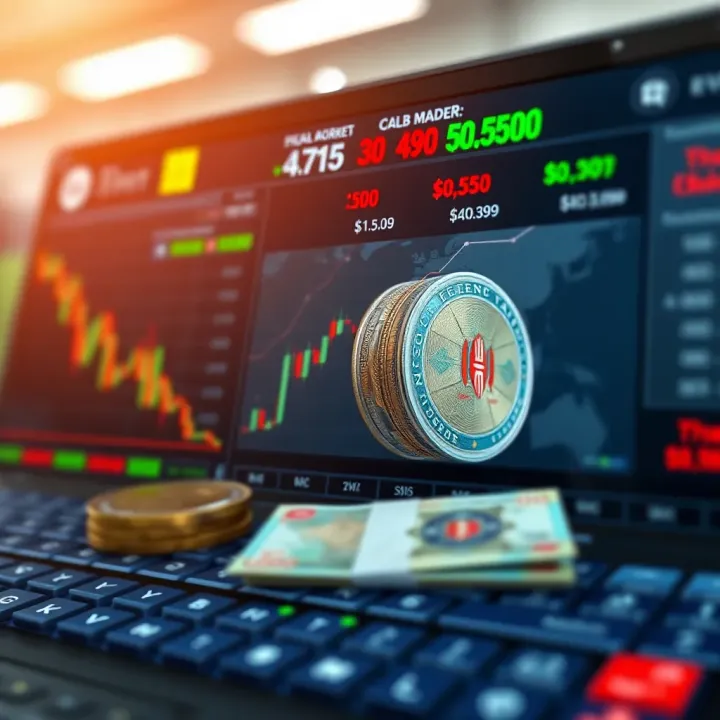
Forex Trading in Kenya: A Practical Guide
📊 Explore forex trading in Kenya with practical steps, learn about local regulations, manage risks, and discover strategies to trade forex confidently in the Kenyan market.
Edited By
Charlotte Evans
Forex trading has become increasingly popular in Kenya as more people seek ways to grow their money beyond traditional savings or fixed deposits. Simply put, forex trading involves buying and selling currencies to profit from changes in their exchange rates. For example, you might buy US dollars (USD) when the Kenyan shilling (KES) is strong, then sell when the dollar value rises, making a profit.
That said, forex trading is not a shortcut to quick riches. It carries risks just like any investment, especially in a market that moves fast and is influenced by global events, economic data, and geopolitical issues. Many beginners jump in without enough knowledge and end up losing more than they anticipated.
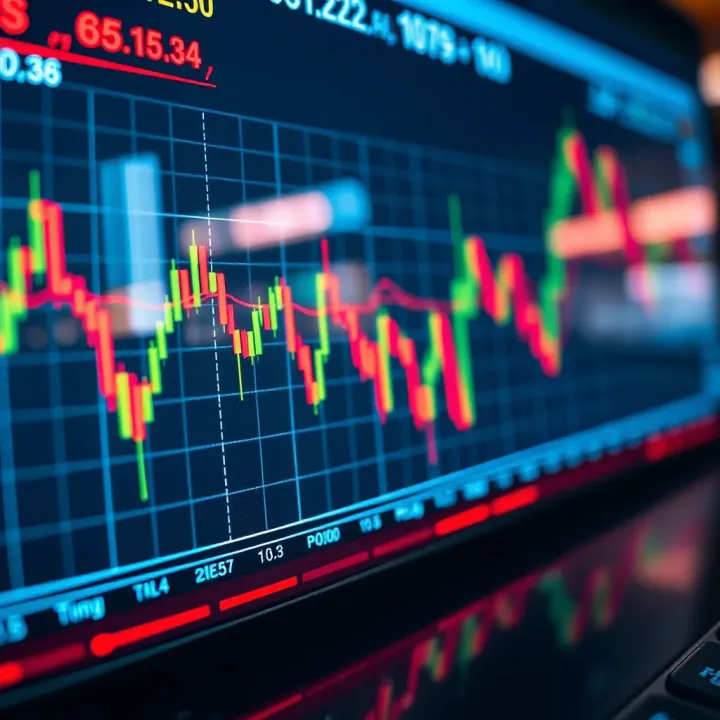
This guide aims to help Kenyans new to forex understand the basics clearly. It will cover the main terms like pips, lots, leverage, and spread, explain how to choose a reliable broker regulated by the Capital Markets Authority (CMA), and discuss practical strategies to manage risks. For instance, you’ll learn why using stop-loss orders is critical to avoid big losses when prices move against you.
Starting forex trading with proper understanding and a solid plan can save you from unnecessary losses and increase your chances of steady gains.
Moreover, this guide includes access to curated PDF resources tailored for Kenyan traders. These documents provide step-by-step trading examples, glossary explanations, and checklists for setting up your trading account and practicing with demo platforms.
In Kenya, popular forex brokers often accept deposits through M-Pesa, making it easier and safer to fund your trading account. But before you put your hard-earned shillings on the line, it is vital to verify the broker’s authenticity and compliance with local regulations.
By reading on, you will gain practical insights into how the forex market works locally and globally, how to start trading with confidence, and where to find reliable learning materials. Whether you aim to trade part-time or build a full-time income, taking the first step informed will always improve your chances of success.
Knowing how forex trading works in Kenya sets a strong foundation for anyone interested in this market. It helps you grasp both the opportunities and hazards, and to navigate this fast-moving scene without getting lost. Kenyan traders benefit from understanding local regulations, payment systems, and how the global forex market ties into our economy.
Basics of currency trading: Forex trading involves buying and selling currencies against each other. For example, if you think the US dollar (USD) will strengthen against the Kenyan shilling (KES), you'd buy USD/KES. The goal is to profit from changes in exchange rates. This kind of trading happens 24 hours, 5 days a week, reflecting the constant flow of global business and finance.
How the forex market operates globally: The forex market has no single physical location; it runs through networks of banks, brokers, and financial institutions worldwide. Because of its size and liquidity, exchange rates fluctuate constantly, influenced by factors like economic data, geopolitical events, and central bank policies. For Kenyan traders, these shifts create chances but also mean markets can be unpredictable, so keeping an eye on news from big economies like the US and China matters.
Why forex trading attracts Kenyan investors: Many Kenyans see forex trading as a way to earn extra income beyond traditional hustles. With relatively small starting capital and tools like M-Pesa for quick deposits and withdrawals, forex appeals to a wide audience. Plus, the convenience of trading from your phone or laptop fits well with life in Kenya, where reliable local options for investment are often limited.
Currency pairs and base vs quote currency: Currencies are traded in pairs, like EUR/USD or USD/KES. The first currency is the base, while the second is the quote. For example, in USD/KES, the base is USD and the quote is KES, which means the price shows how many Kenyan shillings you need for one US dollar. Understanding this helps you know what you're actually buying or selling.
Pips, lots, and leverage explained: A pip is the smallest unit of price movement in forex—usually 0.0001 for most pairs. Lots are the size of your trade; a standard lot is 100,000 units of the base currency, but many brokers allow mini or micro lots to reduce exposure. Leverage means borrowing money from the broker to control a bigger position than your own capital. While leverage can boost profits, it also raises risks, especially if the market moves against you.
Understanding spreads and margin calls: The spread is the difference between the buying (bid) and selling (ask) price. This is how brokers earn, so tight spreads generally mean lower trading costs. Margin is the money you need to open or hold a position; if your losses reach a certain point, the broker might issue a margin call, asking you to add funds or close positions to avoid forced closure. Knowing this protects you from sudden account wipeouts.
Mastering these basics equips Kenyan traders to operate more confidently and make informed decisions in the forex market.
Setting up properly for forex trading sets the foundation for success and helps you avoid costly pitfalls. In Kenya, this means understanding local regulations, knowing what broker suits your needs, and having easy ways to fund your account. With forex markets operating 24/7, setting up your trading environment correctly ensures you can trade smoothly and securely.

Selecting a good broker is vital because they act as your gateway to the forex markets. For Kenyan traders, the broker should offer transparent pricing, reliable execution speeds, and user-friendly platforms that work well on mobile, given the popularity of smartphones in Kenya. Additionally, make sure their customer service is reachable and responsive—this matters when issues pop up during trades.
The Capital Markets Authority (CMA) in Kenya oversees forex brokers to protect investors. Trading with a CMA-licensed broker provides a level of security since these brokers must comply with local rules, including submitting regular reports and maintaining adequate capital. This reduces the risk of fraud or sudden shutdowns that could cause you to lose your money.
Many international brokers accept Kenyan clients, but it's smart to stick to those recognised by CMA or with a strong reputation locally. Examples include FXPesa and HotForex, which offer support in Kenyan shillings and allow deposit and withdrawal via M-Pesa. Such brokers understand the local market's needs and provide suitable education tools too.
Opening an account usually involves ID verification and completing forms online. Platforms like eCitizen simplify some of the verification processes by linking government-issued IDs, making it easier to prove identity without extra paperwork. This streamlined approach saves time and helps get you trading faster.
M-Pesa is the most common payment method for Kenyan traders funding their forex accounts because it’s fast, secure, and widely used across the country. Besides M-Pesa, some brokers accept bank transfers, mobile wallets, and card payments. Choosing a broker with multiple funding options ensures you won't struggle when cashing in or out.
Brokers usually set a minimum deposit - some as low as KS,000, while others might require KS0,000 or more. For beginners, choosing brokers with lower minimum deposits helps test waters without risking large sums. Always check these requirements upfront to avoid surprises that could delay your trading plans.
Starting your forex journey in Kenya with the right broker and funding setup not only protects your investment but also makes trading more accessible and less stressful. Take time to research your options carefully before committing.
Starting forex trading without a clear strategy is like trying to navigate Nairobi’s matatu routes without a map—likely to cause confusion and costly mistakes. Understanding basic forex trading strategies helps beginners avoid guesswork and make informed decisions rooted in market behaviour. It improves chances of success by guiding when to enter or exit trades and how to manage risks smartly.
Using news and economic indicators: Following economic news and indicators is key to grasping why currencies move. For instance, if the Central Bank of Kenya increases interest rates, the Kenyan shilling might strengthen due to higher returns attracting investors. Reports on inflation rates, employment figures, or trade balances also shift currency values. Keeping an eye on reputable sources helps traders react swiftly rather than relying on gut feelings.
Reading charts and patterns: Charts visually show price movements and can reveal trends, support and resistance levels, or reversal points. Beginners might start with candlestick patterns—like the ‘hammer’ that signals a possible upward reversal—or spotting uptrends where prices consistently rise. Such insights help anticipate likely price movements rather than trading blindly.
Simple tools for technical analysis: Basic technical tools such as moving averages, Relative Strength Index (RSI), and support/resistance lines provide a clearer picture of market conditions. A 50-day moving average, for example, smooths out day-to-day price fluctuations to highlight the overall trend. RSI indicates if a currency pair is overbought or oversold, signalling possible reversals. Using these tools together helps buyers and sellers decide when to act.
Setting stop losses and take profits: These are essential for protecting your capital and locking in gains. A stop loss automatically closes a trade if losses reach a certain point, limiting how much you can lose. For example, if you buy EUR/USD at 1.1000 and set a stop loss at 1.0950, the trade exits if the price dips below 1.0950. Take profit orders close positions once an expected price target is reached, securing profits without constant monitoring.
Balancing leverage and position size: Leverage lets you control a large position with a small deposit, but it magnifies both gains and losses. Beginners should keep leverage low and tailor position size to their risk tolerance. For instance, using 1:10 leverage on KSh 10,000 means controlling KSh 100,000 in currency. But overextending can wipe out your account on a few bad trades. Careful adjustment avoids blowing up your capital.
Avoiding emotional trading: Forex markets can be volatile, tempting traders to act impulsively out of fear or greed. Maintaining discipline—sticking to your strategy without chasing losses or doubling down on winning streaks—is crucial. Using a trading journal to record decisions and emotions can help track patterns and improve self-control.
Effective strategies and risk controls form the backbone of sustainable forex trading in Kenya. With practice and patience, beginners can build confidence while protecting their money.
Gaining access to reliable forex trading PDFs in Kenya is a smart move for anyone beginning their journey into currency trading. These guides serve as helpful companions, offering clear explanations and practical examples that you can study at your own pace. Unlike videos or live sessions, PDFs can be revisited anytime, making them handy resources to conserve and build your forex knowledge.
One major advantage of PDF guides is that they allow for structured learning. You decide when and how quickly to move through the content without pressure. Take, for instance, a busy Nairobi professional who can squeeze in reading between commute periods or evening downtime. This flexibility means you can pause to understand complex concepts like leverage or margin calls, then return later to practise with paper trading or demo accounts.
In Kenyan towns where reliable internet might not be consistent, having forex tutorials saved as PDFs works like a charm. You don't have to rely on mobile data or slow networks to keep learning. Plus, whenever you come across a tricky term or trading strategy during your market activities, you can quickly flip back to your guide. Imagine a trader in Kisumu going through a step-by-step chart analysis guide on a matatu ride – this offline access helps reinforce learning without depending on continuous online connection.
PDF guides often come from seasoned traders or authorised sources who have navigated the forex market before. This ensures you’re learning from real, practical experience, not just theory. Kenyan platforms and expert traders often share their PDFs to help new traders avoid costly mistakes seen in local or international markets. Having written advice from professionals builds confidence, giving you tools and tips grounded in money management and risk control specifically tailored for forex markets.
The Capital Markets Authority (CMA) Kenya and Kenya Revenue Authority (KRA) websites sometimes publish educational materials aimed at investors. These PDFs are trustworthy because they align with Kenyan law and market regulations. For example, CMA’s forex trading guidelines highlight how to choose a regulated broker and raise awareness about common scams. Accessing such information from official sources ensures you're on the right side of the law and market best practices.
Several Kenyan platforms focusing on forex education offer downloadable PDFs. These include websites from local trainers or firms hosting workshops. They provide guides that cover the basics, trading strategies, and risk management shaped around Kenyan market conditions, such as fluctuations caused by political events or import/export data. Examples include Trader Ken, Forex Kenya, or local investment community portals where PDFs complement video courses and webinars.
Internationally recognised forex education portals or brokers often provide free PDFs accessible globally, which many Kenyans find useful. These materials cover universal principles like reading candlestick charts or choosing pairs to trade. While some content might not mention local specifics, combining international methods with Kenyan contexts gives traders a broader view. Trusted names in forex education, such as BabyPips or Investopedia, offer comprehensive PDFs that are simple to understand and frequently updated.
Whether you’re new or sharpening your trading skills, reliable PDF guides offer a solid foundation, flexibility, and trusted advice tailored to local or global forex environments. Keeping these resources handy can make a big difference in your trading confidence and success.
📊 Explore forex trading in Kenya with practical steps, learn about local regulations, manage risks, and discover strategies to trade forex confidently in the Kenyan market.
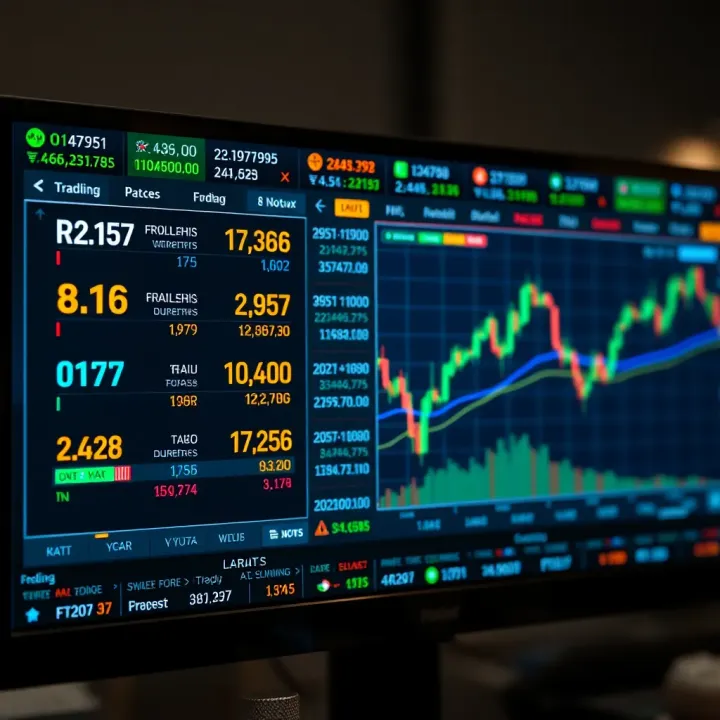
📈 Learn how forex trading works and the best methods for Kenyan traders. Discover platforms, strategies, risks, and tips to trade forex safely using local practices.
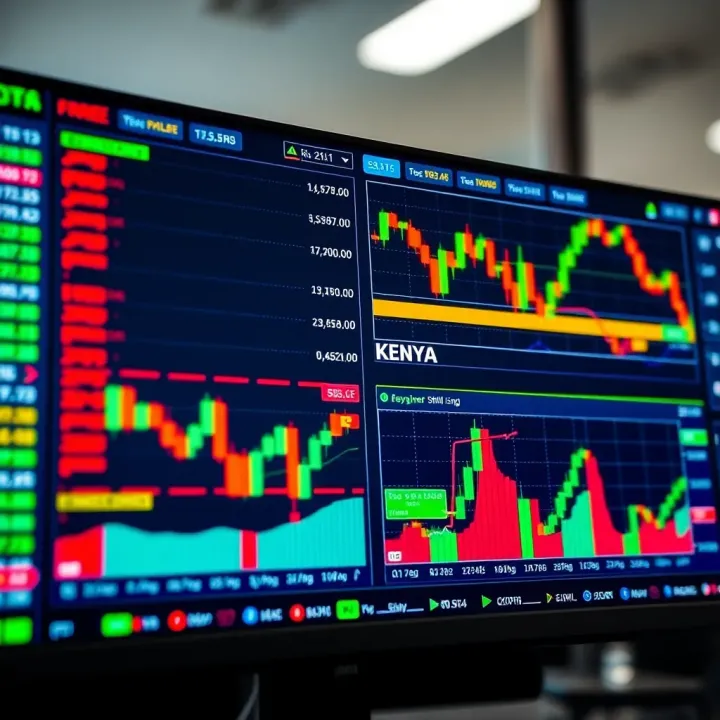
📈 Learn online forex trading in Kenya! Get practical tips on platforms, strategies, risk management & Kenya's regulations for smarter forex decisions.
📈 Learn how to start forex trading in Kenya with clear steps, understand key terms, manage risks, pick trusted brokers, and use effective strategies confidently.
Based on 12 reviews