
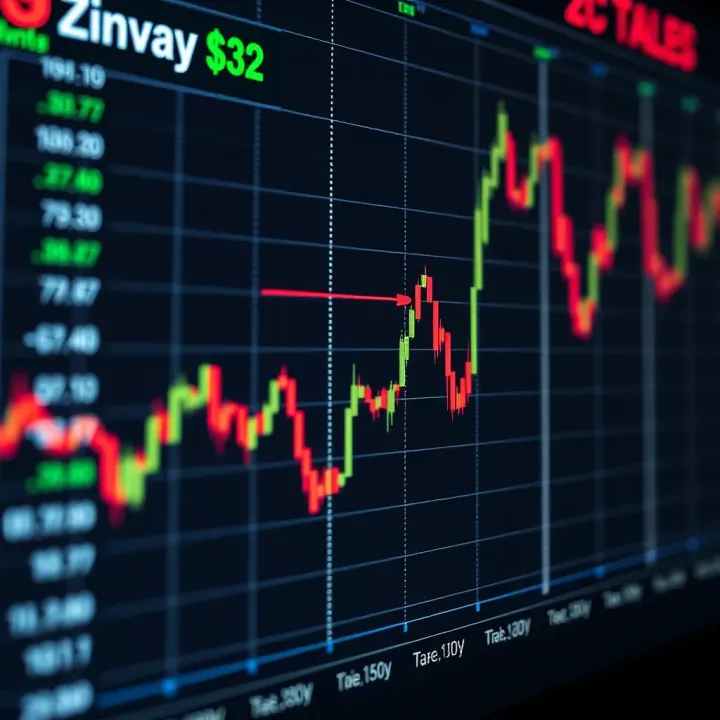
Forex Binary Trading Guide for Kenyan Traders
📈 Discover how forex binary trading works in Kenya! Learn key strategies, legal tips, and risks to trade smart and stay informed in this volatile market.
Edited By
Benjamin Clark
Forex trading, or foreign exchange trading, involves buying and selling different currencies with the goal of making a profit from changes in exchange rates. For Kenyan traders, the online forex market offers opportunities to participate in a global financial system that runs 24 hours during weekdays. However, diving into forex trading requires clear understanding and preparation.
Unlike the stock market, forex trading deals directly with currencies like the US dollar (USD), euro (EUR), British pound (GBP), and the Kenyan shilling (KSh) among others. Traders aim to capitalise on fluctuations influenced by economic news, central bank decisions, geopolitical events, and market sentiment.
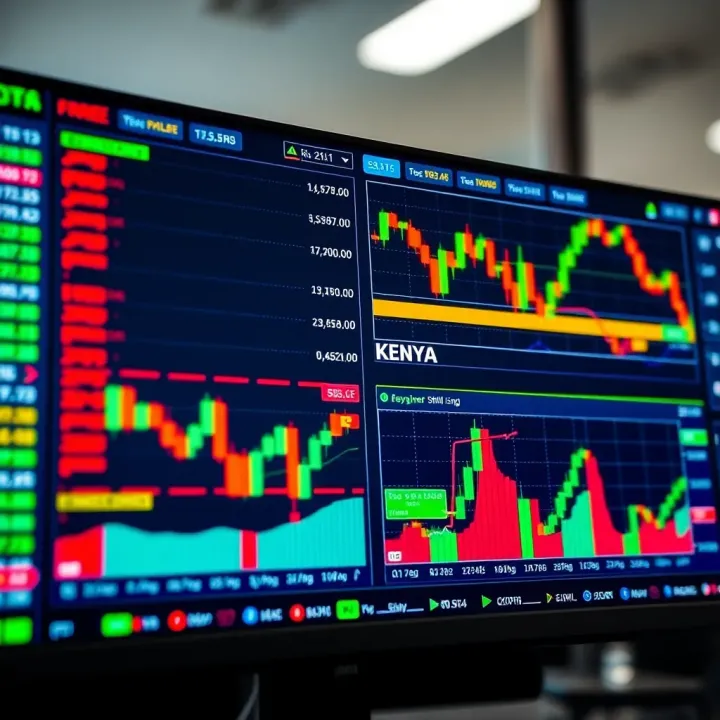
Successful forex trading in Kenya hinges on knowing your market, choosing the right platform, managing risks wisely, and staying informed about local regulations.
Trading forex online attracts many Kenyans because it requires relatively low capital compared to other investments. With as little as KS0,000, you can start trading, especially on platforms that offer leverage. Also, the convenience of trading from your phone or laptop fits well with busy lifestyles and Nairobi’s fast pace.
Currency Pairs: You trade one currency against another, for example, USD/KSh.
Leverage: Allows you to control a larger position with a small deposit but increases risk.
Spread: The difference between the buying and selling price, which is a cost to the trader.
Pips: The smallest price change in a currency pair, used to measure gains or losses.
Kenya has many online brokers accessible via platforms like MetaTrader 4 and 5, plus local apps that support M-Pesa payments. Choosing a broker registered with the Capital Markets Authority (CMA) ensures adherence to Kenyan laws and safer trading conditions.
To trade forex effectively in Kenya, open a trading account with a reputable broker, fund it through secure methods like M-Pesa, and start practicing with demo accounts before engaging real money. Paying attention to local economic indicators, such as CBK monetary policy announcements, will help you anticipate market moves.
Online forex trading is no shortcut to easy money. Like any investment, it requires education, patience, and discipline. This guide will walk you through practical steps to build your skills and trade smarter in the Kenyan context.
Before diving into forex trading, it helps to understand what it involves and how online platforms make the process accessible, especially for Kenyan traders. Understanding the basics can save you from costly mistakes and give you a clear picture of how to approach the market.
Forex trading is the buying and selling of currencies in a global marketplace. The goal is to profit from changes in exchange rates between two currencies. For instance, you might buy US dollars with Kenyan shillings if you expect the dollar to strengthen against the shilling. When the exchange rate moves in your favour, you sell the dollars for more shillings than you started with.
One practical example is a Kenyan trader speculating on the EUR/USD pair, betting on whether the euro will rise or fall against the US dollar. Forex trading happens 24 hours a day during weekdays, offering flexibility to trade at times that suit you, such as outside regular Nairobi business hours.
Most forex trading focuses on a handful of major currency pairs. These include EUR/USD (euro vs US dollar), USD/JPY (US dollar vs Japanese yen), GBP/USD (British pound vs US dollar), and USD/CHF (US dollar vs Swiss franc). These pairs attract the most trading volume and liquidity, meaning spreads—the difference between buying and selling prices—are usually narrower, saving you on costs.
In Kenya, many traders watch pairs involving the US dollar because it strongly influences the local economy through imports and remittances. Understanding the behaviour of major pairs helps traders make informed decisions and choose the right times to enter or exit trades.
Forex trading today happens almost exclusively on online platforms that connect buyers and sellers worldwide. These platforms provide live price charts, tools for technical and fundamental analysis, news updates, and order execution facilities. Popular platforms like MetaTrader 4 and 5, as well as brokers' proprietary software, let you trade directly from your computer or mobile phone.
A solid trading platform is crucial because it ensures you receive real-time data and that your trades execute quickly without delays that could cost you money. For example, if the price of USD/KES moves sharply, you want your stop-loss or take-profit orders to trigger instantly.
Kenyan traders can access the forex market through brokers registered by the Capital Markets Authority (CMA) or international brokers that support customers from Kenya. Payment methods typically include M-Pesa, bank transfers, or even card payments, helping you deposit and withdraw funds smoothly.

Connectivity and internet reliability can affect your trading experience, so it's best to use a stable internet connection when trading live. Also, knowing local regulations and tax obligations relating to forex profits through the Kenya Revenue Authority (KRA) will help you stay compliant.
With online forex trading now within reach for many Kenyans, understanding its core mechanisms and practical realities can give you a fair chance at trading wisely and managing risks efficiently.
By grasping these foundational points, you are better prepared to start your trading journey armed with knowledge instead of guesswork.
Traders new to forex need a solid foundation in strategies that help navigate the fast-moving currency market. These strategies are the tools that bring consistency, reduce emotional decisions, and aim for steady gains. Without basic strategies, it’s easy to get overwhelmed, especially when markets react unpredictably to local and international events.
Reading charts and trends is one of the keystones of forex trading. Charts display price movements over time, helping you spot patterns like uptrends, downtrends, or sideways movement. For a Kenyan trader, understanding these trends can clarify when to buy or sell currencies like the US dollar against the Kenyan shilling (USD/KES). For example, if EUR/USD shows a consistent upward trend on the daily chart, it may signal demand growth, presenting a possible buying opportunity.
Common indicators used in technical analysis include the Moving Average (MA), Relative Strength Index (RSI), and Bollinger Bands. Moving Averages help smooth out price fluctuations, identifying trend direction. The RSI measures momentum, indicating overbought or oversold conditions — Kenyan traders might use this to avoid entering trades when a currency pair is stretched too far. Bollinger Bands show volatility and potential breakouts by placing bands above and below the moving average, useful during volatile market hours like the London or New York sessions.
Impact of economic news can’t be ignored. Currency values shift based on reports such as Kenya's inflation rate, US nonfarm payrolls, or interest rate decisions by the Central Bank of Kenya (CBK). Kenyan traders should watch headlines closely—say, an unexpected rise in US inflation might weaken the dollar, affecting USD/KES pairs. Economic calendars help track such events to prepare or adjust positions ahead of major announcements.
Considering geopolitical events is equally important. Trade tensions, elections, or crises can swing markets suddenly. For instance, political uncertainty during Kenya’s election season often leads to KES volatility. Understanding this helps traders decide whether to hold off or hedge their positions. Similarly, global tensions like US-China trade talks can ripple through forex pairs involving US dollars or Chinese yuan.
Setting goals and limits keeps trading disciplined. Beginners should set clear profit targets and maximum losses they can tolerate per trade. For instance, aiming for a 2% gain per trade while risking no more than 1% capital helps control losses and protect profits. Without limits, traders risk blowing their accounts chasing quick wins, especially when starting with small capital.
Consistency in execution means following your plan without letting emotions interfere. Stick to your strategies whether the market is up or down. A Kenyan trader might decide to trade only during certain hours, like when the London session overlaps Nairobi’s day, and avoid impulsive trades outside this period. Over time, consistent habits build confidence and help develop expertise.
Successful forex trading is less about guessing the next move and more about following a tested plan and refining skills with every trade.
By mastering these strategies, beginner forex traders in Kenya can approach the market with more confidence and control, turning lessons learned into steady progress.
Choosing the right forex trading platform is one of the most critical steps for any Kenyan trader. The platform you pick not only influences the ease with which you trade but also affects your security, access to markets, and overall trading experience. Given the growing number of platforms available, understanding what to look for can save you from costly mistakes.
Regulatory compliance is non-negotiable when selecting a forex platform. In Kenya, the Capital Markets Authority (CMA) regulates brokers and trading platforms to protect investors. Platforms registered with CMA or those strictly supervised by reputable foreign regulators offer a measure of safety. This means your funds are handled following clear rules, reducing the risk of fraud or sudden platform shutdowns. Avoid platforms without proper licensing since they may lack the necessary oversight, leading to potential losses.
Beyond compliance, user interface and tools can greatly affect your trading. A platform with a clean, intuitive design helps you navigate charts, place orders, and access market news without fuss. For instance, popular platforms like MetaTrader 4 or 5 offer customisable charting tools and automated trading options, aiding decision-making. Access to real-time data, alerts, and risk management tools like stop-loss orders are equally important. If a platform feels clunky or slow, especially on mobile devices which most Kenyan traders rely on, your chances of timely trades drop significantly.
Kenyan traders have access to some uniquely integrated services, including Safaricom-linked options. Platforms that connect with Safaricom’s M-Pesa allow for seamless deposit and withdrawal of funds using the mobile money service. This accessibility is a huge plus since many Kenyans use M-Pesa daily for payments. For example, some brokerages partner with M-Pesa to allow instant transfers, cutting down delays and banks’ extra costs.
On the other hand, international brokers with Kenyan support cater well to traders looking for broader market access and advanced features. Firms like IG Markets, XM, and FXTM offer full support in Kenya and provide local payment options, customer service in English and Swahili, as well as compliance with CMA rules. They often support both beginner and advanced trading strategies with comprehensive education and trading tools. These brokers usually provide a wider range of currencies and commodities compared to local-only platforms.
Selecting a platform that fits your trading style, and offers reliable local payment options, can fundamentally improve your trading success in Kenya.
When deciding, always balance security, functionality, and payment convenience to align with your trading goals and experience level.
Managing risk is a vital part of online forex trading, especially for Kenyan traders navigating a market known for its unpredictability. While forex offers chances to make quick profits, the same rapid price movements can lead to equally fast losses. Keeping risks in check not only protects your capital but helps you trade with confidence and control.
Market volatility is one of the most common challenges forex traders face. Currency prices can swing wildly within minutes due to economic news, political events, or even rumours. For example, unexpected statements from the US Federal Reserve or a sudden geopolitical tension in the Middle East can cause rapid shifts in key pairs like USD/KES or EUR/USD. This volatility means a trader could see profits evaporate or losses mount before they get a chance to react.
Leverage dangers come into play because forex brokers in Kenya often offer high leverage ratios, sometimes up to 1:500. Leverage allows you to control a large position with a little capital. Although this can multiply gains, it can just as easily amplify losses beyond your initial investment. Traders using high leverage without a clear plan may quickly wipe out their accounts during volatile periods. For instance, a 1% adverse move on a highly leveraged position can mean losing your entire invested margin.
One of the simplest yet most effective tools to protect your trades is the stop-loss order. This automatic instruction closes your position when the price hits a level you set, capping your loss. Without stop-losses, a sudden market swing can cause losses to spiral out of control. For example, if you buy USD/KES at 110 and set a stop-loss at 108, your broker will sell the position if the price drops to 108, limiting your loss to roughly KSh 2 per unit traded.
Setting reasonable leverage limits is another crucial approach. Instead of grabbing the highest leverage offered, consider smaller ratios like 1:10 or 1:20. This reduces the risk of rapid wipeouts and helps you weather short-term market swings. Many successful Kenyan traders start with low leverage and only increase it gradually as they gain experience and confidence.
Managing risks is not about avoiding trades but protecting your capital so you can stay in the game longer and make smarter decisions.
By understanding these risks and applying practical risk management techniques, you can improve your chances of steady returns rather than gambling on unpredictable market moves. In the fast-paced world of online forex, knowing how to limit losses is as important as spotting the right trades to enter.
Navigating regulatory and practical matters is essential for Kenyan forex traders to operate safely and efficiently. Understanding local rules ensures you trade legally while using payment methods that suit Kenya’s financial landscape helps avoid unnecessary delays or losses. This section covers the key institutions and procedures impacting forex trading in the Kenyan context.
The Capital Markets Authority (CMA) is Kenya’s watchdog for financial markets, including forex. It licenses and supervises brokers and platforms to make sure they comply with local laws, promote fair trading, and protect investors from scams. For example, trading with a CMA-regulated broker means you get safeguards like verified client accounts and dispute resolution channels.
Since the forex market can attract dubious operators, CMA regulation gives Kenyan traders peace of mind. Before you sign up with any platform, check if it’s CMA-licensed. This simple step helps avoid falling prey to unregulated brokers who might disappear with your money.
Income from forex trading is taxable in Kenya, just like other earnings. The Kenya Revenue Authority (KRA) requires traders to declare profits under pay-as-you-earn (PAYE) or as part of business income. This responsibility applies whether you trade full-time or as a side hustle.
Failing to report forex earnings could lead to penalties or audits. Keeping detailed records of trades and withdrawals will help when filling your tax returns through the iTax portal. Consulting a tax expert familiar with forex income ensures you meet your obligations smoothly and avoid surprises during tax season.
M-Pesa is a popular payment channel for Kenyan traders to deposit and withdraw funds quickly from their forex accounts. Most brokers now support M-Pesa deposits directly or via linked services, making funding accounts hassle-free even for new traders.
Bank transfers are another common method, especially for larger sums. However, they may take longer and incur higher charges compared to M-Pesa. Always check the broker’s preferred payment methods and fees to avoid unexpected costs or delays that could impact your trading schedule.
Most forex trading platforms operate internationally, dealing primarily in USD, EUR, or GBP. Kenyan traders must consider currency conversion from Kenyan Shillings (KSh) when depositing or withdrawing funds. Conversion rates and transfer charges can affect your actual trading capital and profits.
For example, depositing KSh 100,000 might not equal the same USD amount after conversion costs. Using platforms or payment providers with competitive exchange rates helps maintain more trading power. Monitoring exchange fluctuations also matters if you plan frequent withdrawals to avoid losses due to currency swings.
Always weigh regulatory compliance, tax duties, and payment options carefully to trade forex in Kenya with confidence and efficiency.
By understanding these key regulatory and practical points, Kenyan traders can focus more on strategy and less on avoidable hurdles.
📈 Discover how forex binary trading works in Kenya! Learn key strategies, legal tips, and risks to trade smart and stay informed in this volatile market.
📈 Discover top forex trading classes in Kenya! Learn market basics, choose the right course, and navigate legal tips for smarter trading success.

Explore how forex brokers operate in Kenya 🇰🇪, what to look for, trader-friendly platforms, fees 💰, regulations 📜, and smart risk management tips.
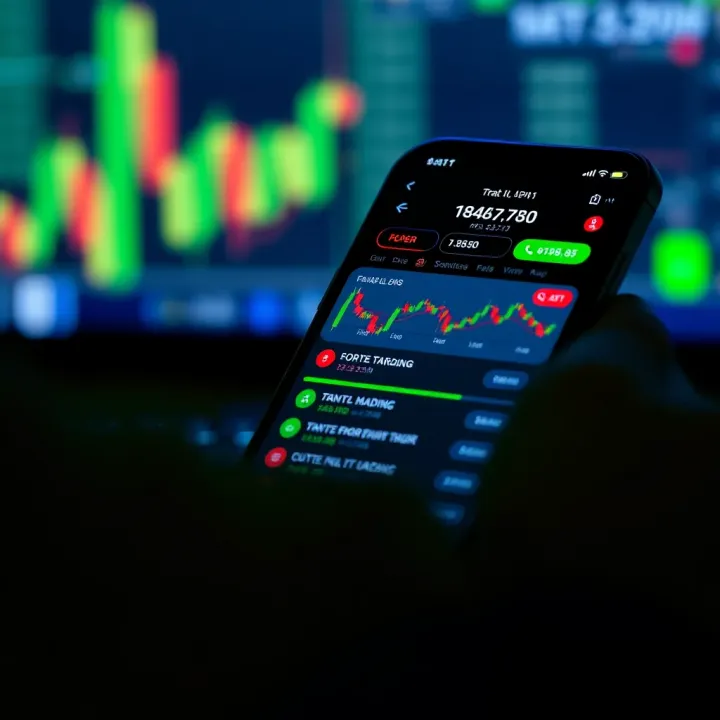
Explore top forex trading apps in Kenya 📱, compare features, security ✅, and learn how to start trading while navigating local regulations and risks.
Based on 6 reviews