
Forex Binary Trading Guide for Kenyan Traders
📈 Discover how forex binary trading works in Kenya! Learn key strategies, legal tips, and risks to trade smart and stay informed in this volatile market.
Edited By
Victoria Lawson
Forex trading involves buying and selling currencies to benefit from price changes. For Kenyans, this market offers opportunities to diversify investments beyond traditional avenues such as real estate or stocks listed on the Nairobi Securities Exchange (NSE). However, entering forex trading requires more than just opening an account; it demands knowledge and a clear strategy.
A forex trading PDF tailored for Kenyan traders can serve as a reliable starting point. Such a resource usually breaks down complex concepts into bite-sized, understandable sections relevant to the Kenyan context. For example, it may explain how to fund your trading account via M-Pesa or bank transfers, highlighting fees and processing times common in Kenya.

The guide can also cover the basic forex terminology—like pips, leverage, and margin—using practical local examples. For instance, comparing currency pairs like USD/KES (US Dollar to Kenyan Shilling) helps traders grasp real market movements affecting daily life.
Moreover, PDFs provide step-by-step instructions on selecting reputable forex brokers approved by the Capital Markets Authority (CMA) of Kenya. Scams and unregulated brokers pose a real risk here, so knowing how to verify licences and read reviews is vital.
"Using a Kenyan-focused forex trading PDF lets you learn at your own pace, access essential charts, and understand regulations shaping the market locally."
Here are some key advantages of a Kenyan forex trading PDF:
Easy offline access without needing internet all the time
Clear explanation of Kenyan-specific legal and financial frameworks
Strategies for managing risk tailored to common challenges faced by Kenyan traders
Guidance on leveraging mobile money platforms for deposits and withdrawals
While online videos and forums have lots of information, having a well-structured PDF handbook gives a dependable foundation. It ensures you grasp core forex basics correctly before taking financial risks, which is critical to avoid costly mistakes.
In short, if you want to trade forex in Kenya with confidence, starting with a good PDF guide will save you time and money by building solid knowledge relevant to our market. From understanding how exchange rates matter to spotting trustworthy brokers, the PDF resource is just the practical toolkit every Kenyan trader needs.
Gaining a solid grasp of forex trading basics is essential for anyone serious about making consistent gains. This foundational knowledge helps traders navigate the market confidently and avoid costly mistakes. In Kenya, where access to quality trading education varies, understanding these basics through a practical resource like a PDF can be a game-changer.
Forex trading involves buying one currency while simultaneously selling another. These are known as currency pairs—for example, USD/KES (US Dollar to Kenyan Shilling) or EUR/USD (Euro to US Dollar). The price quoted shows how much of the second currency you need to buy one unit of the first currency. For Kenyans, understanding how the USD/KES pair moves is crucial since many imports and exports are tied to the US dollar. If the Kenyan Shilling weakens against the dollar, imports get more expensive, affecting prices locally.
Exchange rates fluctuate constantly due to factors like economic data, political developments, and market sentiment. As a trader, knowing what influences these rates allows you to anticipate movements and trade accordingly.
The forex market is open 24 hours a day, five days a week, spanning different financial centres globally—London, New York, Tokyo, and Sydney. This continuous operation means that market activity changes depending on which region is trading. For example, the London session often sees high volatility in EUR/USD pairs, while the New York session can bring sharper moves in USD-related pairs.
In the Kenyan context, awareness of these time zones helps you decide when to trade or avoid volatile periods. Because our market hours overlap with London’s session, Kenyans often find this the most active and opportune time to trade.
A pip (percentage in point) is the smallest price move a currency pair can make. For most pairs, this is 0.0001. Knowing how to calculate pips helps track profits and losses accurately. For example, if USD/KES moves from 110.0000 to 110.0100, that’s 100 pips.
The spread is the difference between buying (ask) and selling (bid) price. Brokers charge the spread as a hidden fee, so tighter spreads usually mean cheaper trading costs.
Leverage allows you to control larger positions with a small amount of capital. For instance, a 1:100 leverage means you can trade KSh 100,000 with just KSh 1,000 in your account. While this can amplify profits, it also magnifies losses and is risky if not managed carefully.
Margin is the amount of money required to open a leveraged position. Brokers often display this clearly on their platforms, and understanding margin helps you avoid margin calls that can liquidate your positions unexpectedly.
Brokers act as intermediaries between you and the forex market. They provide trading platforms where you execute trades, access charts, and use analytical tools. In Kenya, it’s vital to choose a broker licensed or regulated by bodies recognised either locally or internationally, such as the Capital Markets Authority (CMA).
Trading platforms like MetaTrader 4 or MetaTrader 5 are popular for their user-friendly interfaces and robust features. A good forex trading PDF will guide you on how to set up accounts, navigate these platforms, and execute trades effectively.
Remember, the choice of broker and the quality of your trading platform can make a big difference in your trading experience and profitability.
Understanding these basics builds the right mindset and equips you with the skills to start trading with clarity rather than guesswork.

Using a PDF guide for forex trading offers several practical benefits, especially for traders in Kenya who may face challenges like inconsistent internet access or lack of structured learning resources. A PDF provides a stable and downloadable resource that can be accessed anytime without relying on a constant online connection. Unlike websites or videos that require streaming, you can save a PDF on your phone, tablet, or computer, making it easier to revisit key forex concepts and strategies when you’re on the move or at home with limited data.
Structured content is another significant advantage of a forex trading PDF. Most PDFs organise information in a clear, step-by-step manner, from basic terms up to more advanced topics. This layering makes it easier for beginners to follow without feeling overwhelmed. For example, starting with chapters on currency pairs and moving on to risk management means you build knowledge logically. Many PDFs include handy tables, examples with local currency pairs like USD/KES, and quizzes that reinforce learning. This approach helps you track your progress better than scattered online articles.
In Kenya, internet connectivity can be patchy, especially outside major cities. Having a forex trading PDF stored offline means you are not left stranded when the network drops or during costly mobile data shortages. You can take the guide to rural areas, use it during your commute—say, while in a matatu heading to work—or when visiting regions with limited coverage. The convenience gives you control over your learning pace and environment.
Also, PDFs are usually lightweight files, requiring less storage space than videos or apps. This means you can save multiple guides or versions on your device without it slowing down.
A forex PDF often divides topics into digestible sections that beginners find easier to grasp. For instance, the guide might open with currency pair explanations, then describe how to use leverage and margin before covering strategies for trading. This orderly flow maps well to real learning progression, unlike random web pages.
Moreover, good PDFs come with summaries and glossaries, so if you forget a term like "pip" or "spread," a quick lookup is simple. Some PDFs use examples relevant to Kenyan forex traders, such as showing how to apply strategies during local market hours or using Safaricom's M-Pesa for deposits.
Forex markets are dynamic, and information can quickly become outdated. Always check that your PDF is from a credible and recognisable source, such as established brokers regulated by the Capital Markets Authority (CMA) Kenya or trusted financial education organisations. Recent updates matter, especially on regulations affecting Kenyan traders, tax implications, or new trading tools.
One useful sign is when the PDF provides contact details or a date of publication. Also, reputable PDFs usually mention regulations like CMA licensing or link to official platforms like eCitizen or iTax where traders can handle account verifications.
Local context makes a big difference in applying forex knowledge. Look for PDFs that address the Kenyan market specifically—whether that’s including examples in shillings, referencing local trading hours, or explaining payment methods like Lipa Na M-Pesa and KCB M-Pesa.
Some guides warn about forex scams common in Kenya and how to avoid unregulated platforms. Such context helps protect you and makes the material more relatable. In a country where forex is gaining popularity, these insights go beyond generic advice and link training directly to your environment and practical realities.
A forex trading PDF that gives you practical, Kenya-specific knowledge backed by credible sources will save you time and shield you from many common pitfalls.
In summary, a well-chosen forex trading PDF not only equips you with accessible and structured learning but also grounds your forex journey in real local conditions. This balance improves your chances of making informed trading decisions and managing risks effectively.
Starting forex trading in Kenya can seem confusing without the right direction. Using a PDF guide helps break down every step clearly, giving you practical advice to set up and get going without the usual guesswork. Such guides often include locally relevant information, which ensures you follow the right procedures with Kenyan regulations in mind.
Choosing a forex broker regulated for Kenyan traders is crucial for your safety and compliance. Regulators like the Capital Markets Authority (CMA) oversee brokers operating in Kenya to protect traders from fraud and malpractice. Opting for a CMA-regulated broker helps guarantee that your funds are secure and that the trading platform meets quality standards. For example, brokers like Tickmill and HotForex are popular among Kenyan traders partly because they comply with local regulations.
Another practical point is the ease of withdrawal and deposits. A regulated broker often accepts Kenyan Shillings and supports M-Pesa transactions, which is a big plus for Kenyan traders who prefer using mobile money.
Using eCitizen and KRA PIN for verification is part of complying with Kenya's Know Your Customer (KYC) requirements. Most brokers will ask you to verify your identity with official documents before you start trading. You’ll need to provide your Kenya Revenue Authority (KRA) Personal Identification Number (PIN) and sometimes your eCitizen account details. This process helps prevent money laundering and ensures you trade legally.
For instance, when registering, the broker might request a scanned copy of your National ID and KRA PIN certificate, which you can easily access through the eCitizen portal. Having these documents ready speeds up your verification and reduces delays caused by missing information.
Popular platforms available in Kenya include MetaTrader 4 (MT4), MetaTrader 5 (MT5), and cTrader. These platforms are preferred for their user-friendly interfaces, charting tools, and real-time market data. Many Kenyan brokers integrate M-Pesa deposits with these platforms, which simplifies funding your account. For example, MT4 is widely used by new and experienced Kenyan traders because it offers customisable features and a demo mode to practise without risking real money.
How the PDF guide can help navigate platform features is essential for new traders learning the ins and outs of these tools. A good forex trading PDF will explain how to execute trades, set stop losses, and monitor market trends using platform features. For example, it can show you how to set alerts on MT4 or interpret technical indicators available on cTrader, ensuring you use the full potential of these platforms.
Navigating trading platforms confidently reduces mistakes and builds your trading skills, which is exactly what a practical PDF guide aims to provide.
By following a well-structured PDF guide, you get step-by-step instructions tailored for Kenyan traders, helping you start on the right foot and avoid common pitfalls.
Managing risks and having clear trading strategies are essential for any forex trader, especially for those new to the market in Kenya. The forex market can be unpredictable, and without solid risk management, you may expose your capital to unnecessary loss. This section explains the main risks involved and some straightforward strategies that beginners can use to navigate the market safely.
Forex trading involves buying and selling currency pairs, which can fluctuate quickly due to economic news, political events, or central bank decisions. This market volatility means prices can swing sharply within minutes. For example, a sudden announcement by the Central Bank of Kenya altering interest rates could cause the Kenyan shilling to move rapidly against the US dollar. If you’re using leverage — borrowed funds to increase your position size — these moves are magnified. While leverage can boost profits, it equally increases the potential for losses that may exceed your initial investment.
Protecting your money means using tools and practices that limit losses. Stop-loss orders allow you to set a specific price at which your trade will automatically close, preventing further losses if the market moves against you. It’s practical to avoid using very high leverage when starting out, as it can wipe your account quickly. Instead, choose moderate leverage, for instance 1:10 or 1:20, and only risk a small percentage of your trading capital in each trade — generally no more than 1-2%. Monitoring news affecting the currencies you trade and adjusting your positions accordingly can also help reduce unexpected losses.
One simple approach for beginners is trend following: identifying the direction a currency pair is moving and trading in that direction. If the Kenyan shilling is steadily gaining strength against the US dollar over a few days, a trend follower would consider buying the shilling. Swing trading is another method where you aim to capture short to medium-term price moves, usually lasting a few days to weeks. This way, you avoid the stress of minute-by-minute price fluctuations but still take advantage of market movements. Both strategies rely on analysing charts and patterns, which good forex trading PDFs often explain with clear examples.
Before risking real money, it’s wise to practice using a demo account, which many brokers offer for free. This virtual trading environment mimics live market conditions but uses pretend money, allowing you to try out strategies and get familiar with the trading platform without any financial pressure. For a trader in Kenya, practising with a demo account helps build confidence and understand how factors like spread and slippage work. It’s also a safe space to learn how to set stop losses and take profits properly. Using a forex trading PDF alongside demo trading provides a strong foundation, combining theory with practical experience.
Managing risks thoughtfully and applying simple, tested trading strategies will improve your chances in the forex market. It’s better to start slowly, learn through practice, and build strong habits than to rush and face avoidable losses.
By focusing on these elements, you ensure you safeguard your investments while gradually gaining competence and confidence as a forex trader in the Kenyan market.
Finding reliable forex trading PDFs and other resources is key to building a strong foundation in forex trading, especially for Kenyan traders. The forex market can be unpredictable, and using trustworthy materials helps avoid misinformation that could cost you money. Reliable PDFs offer clear guidance, local context, and updated strategies that match Kenya’s specific regulations and market conditions.
Official platforms run by recognised financial authorities or educational institutions usually provide well-researched forex trading PDFs. For instance, Kenya’s Capital Markets Authority (CMA) sometimes releases educational materials for retail investors. These documents tend to explain trading rules, risk management, and compliance measures for local traders. Using such official PDFs reduces risk since the information is vetted and aligns with Kenyan regulations.
Additionally, global organisations like the Financial Conduct Authority (FCA) or similar reputable bodies may offer beginner-friendly forex guides. While they are not Kenya-specific, combining these with local insights can give you a balanced understanding.
Many brokers operating in Kenya, especially those regulated by CMA or internationally recognised bodies, produce their own forex guides in PDF form. These resources are tailored to Kenyan traders, highlighting payment methods like M-Pesa, local trading hours, and tax considerations based on KRA (Kenya Revenue Authority) guidelines.
For example, brokers such as HotForex or FXPesa offer downloadable PDFs that walk you through setting up accounts using the eCitizen portal, choosing the right leverage, and understanding spreads in the Kenyan context. Since these brokers want to build trust, their materials are often practical and updated regularly.
While PDFs provide foundational knowledge, supplementing them with live or recorded online courses can deepen your understanding. Courses specific to forex trading in Kenya help clarify aspects like managing risks during Kenya’s trading hours or navigating county taxation for profits.
Webinars, often hosted by brokers or trading experts, allow interactive learning. You can ask questions in real-time and get insights into market trends affecting the Kenyan shilling (KSh). Using these alongside your PDF resources strengthens both theory and practical skills.
Joining Kenyan trader communities, such as WhatsApp groups or specialised forums, brings practical knowledge sharing to another level. These platforms provide real examples from fellow traders dealing with local brokers, bank transfers, or even power outages affecting trading schedules.
Through these groups, you can exchange PDF resources, discuss recent market movements from the NSE (Nairobi Securities Exchange), or share tutorials adjusted for Kenyan internet speeds and devices. This network supports peer learning and keeps your information current.
Reliable forex trading education comes from a mix of well-chosen PDFs, live courses, and active community engagement — especially one rooted in Kenya’s unique environment.
By carefully selecting and combining these resources, Kenyan traders increase their chances of success while navigating the challenging forex landscape efficiently.
📈 Discover how forex binary trading works in Kenya! Learn key strategies, legal tips, and risks to trade smart and stay informed in this volatile market.

📈 Discover top forex trading classes in Kenya! Learn market basics, choose the right course, and navigate legal tips for smarter trading success.

Explore how forex brokers operate in Kenya 🇰🇪, what to look for, trader-friendly platforms, fees 💰, regulations 📜, and smart risk management tips.
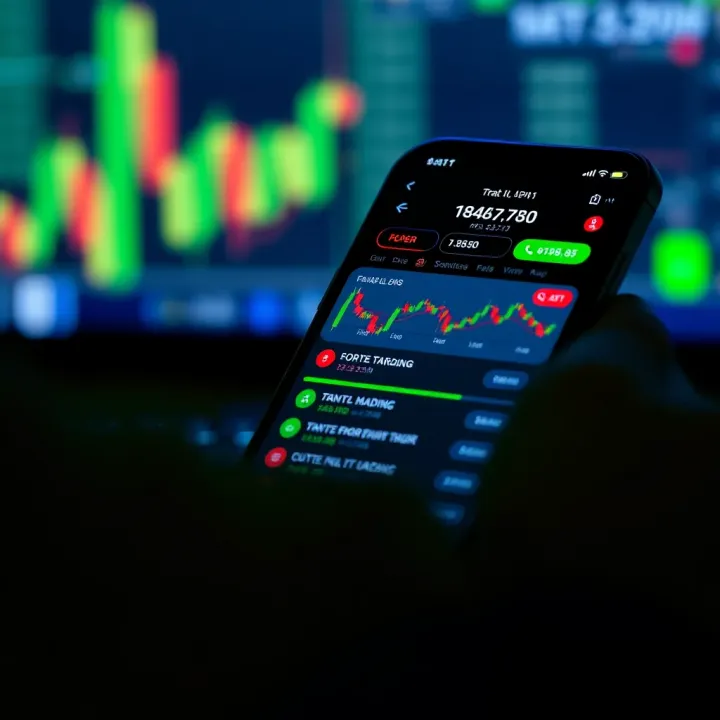
Explore top forex trading apps in Kenya 📱, compare features, security ✅, and learn how to start trading while navigating local regulations and risks.
Based on 7 reviews