
Understanding Risk Management Principles in Kenya
📊 Learn how Kenyan businesses and individuals spot, assess, and manage risks using proven principles. Practical tips for safer decisions and stronger growth locally.
Edited By
James Thornton
Supply chain risk management (SCRM) is about spotting potential threats that could stop or slow down the movement of goods and services. For Kenyan businesses, this is not just a technical task; it’s a necessity for survival. The country’s economy is diverse, with producers, traders, and distributors facing unique obstacles—from unpredictable weather affecting transport routes to policy changes impacting imports.
Managing these risks helps businesses avoid losses and maintain a reliable service to customers. For instance, a coffee exporter in Kisii must handle risks like delays at ports or fluctuating freight costs. Without proactive steps, these factors can quickly eat into profits and harm reputation.
Infrastructure challenges: Poor road conditions or congested ports can disrupt delivery schedules.
Regulatory changes: Sudden shifts in import/export policies may affect supply flows.
Economic volatility: Fluctuations in currency and inflation rates impact cost management.
Supplier reliability: Dependence on a few suppliers increases vulnerability.
Natural events: Seasonal rains and floods especially during the Long and Short Rains can wash out roads or block transport.
Diversify suppliers: Spreading purchases among local and regional suppliers can reduce dependency.
Use technology: Digital tools such as inventory management systems and real-time tracking improve visibility.
Build buffers: Keeping a safety stock of key items cushions against delays.
Review contracts: Clear terms with penalties for late deliveries ensure accountability.
Collaborate with logistics partners: Working closely with matatu operators or freight companies aids in quicker problem resolution.
Effective supply chain risk management means preparing for the unexpected, especially in Kenya’s fast-changing market environment where disruptions are common.
Understanding these risks and practical measures helps Kenyan businesses strengthen their supply chains, maintain competitiveness, and provide steady service despite challenges. This foundation sets the stage for detailed strategies covered in later sections.
Understanding the key risks facing supply chains in Kenya is vital for businesses aiming to maintain smooth operations and stay competitive. Kenyan supply chains face a blend of local disruptions and global pressures that can impact costs, delivery times, and customer satisfaction. Identifying these risks helps companies prepare practical measures, whether that means adjusting routes, diversifying suppliers, or adapting to market changes.
Kenya's transport networks play a critical role in supply chain efficiency, yet they come with frequent challenges. Poor road conditions, congested urban centres like Nairobi, and limited rail connectivity can delay goods movement significantly. For example, during the rainy season, certain rural roads become impassable, causing delivery trucks to get stuck or take longer detours. Additionally, reliance on ageing infrastructure such as the Mombasa port can cause bottlenecks, adding to storage costs and delivery backlogs.
These disruptions force businesses to invest in alternate routes or storage solutions, increasing operational costs. The unpredictability of transport delays also complicates inventory planning, risking either stockouts or excess holding. For regional trade, border delays between Kenya, Uganda, and Tanzania present hurdles, where customs procedures and infrastructure gaps can stall the free flow of goods.
Political shifts and regulatory changes in Kenya frequently affect supply chains. New policies or sudden tax adjustments, such as changes in import duties by the Kenya Revenue Authority (KRA), can raise costs unexpectedly. For instance, the political unrest during election periods often results in road blockages or curfews, directly disrupting distribution schedules.
Moreover, inconsistent enforcement of standards or delays in regulatory approvals can stall product movement especially in sectors like pharmaceuticals or food imports. Businesses operating across counties may face varying regulations, which adds complexity to compliance and risk management. Keeping abreast of these shifts requires a proactive monitoring mechanism to adjust procurement, pricing, or routes accordingly.
Kenya's weather patterns and climate events increasingly challenge supply chains. The effects of the long and short rains can cause flooding that damages roads and delays deliveries. In arid regions, water shortages impact production and transportation reliability, particularly in agriculture and manufacturing.
For example, flooding in Western Kenya during the long rains has previously submerged bridges and cut off access to key farming zones, disrupting supply of perishable products. Weather-related power outages also affect cold chain logistics, risking spoilage in dairy and fresh produce. Preparing for these risks requires investments in resilient infrastructure and backup plans like alternative suppliers or transport modes.
Kenya’s supply chains are not isolated and are influenced by global trade policies. Tariff hikes or shifts in trade agreements, such as those involving the East African Community (EAC) or African Continental Free Trade Area (AfCFTA), directly affect import costs and market access.
For example, when other countries impose stricter tariffs on Kenyan exports or change customs rules, businesses face unpredictability in pricing and delivery terms. Changes in China's export policies or shifts in the US trade stance may impact availability and cost of raw materials or electronics crucial for Kenyan manufacturers.
Businesses must remain nimble, adjusting sourcing or contract terms to anticipate these international policy shifts.
Global events—like the Covid-19 pandemic or commodity price swings—cause shortages or spike costs in Kenyan supply chains. A sudden scarcity of inputs such as steel or packaging materials can force Kenyan firms to delay production or find expensive alternatives.
Market volatility also hits currency exchange rates and freight charges, affecting overall profitability. For example, rising global fuel prices raise transport costs locally, often pushing consumers to pay more or suppliers to absorb tighter margins. The key is for Kenyan businesses to monitor international markets closely and establish contingency plans such as safety stock or diversified inputs.
A solid grasp of these key risks helps Kenyan businesses not just survive disruptions but also make informed decisions to keep goods moving efficiently across local, regional, and global networks.
Managing supply chain risks requires well-planned strategies that identify potential pitfalls and offer ways to handle them. In Kenya’s context, where logistical challenges and regulatory changes can disrupt business operations, having clear methods to detect risks early and act swiftly is necessary. This section covers crucial strategies focusing on identifying risks, reducing their impact, and improving communication along the supply chain.

Regular supplier audits help businesses in Kenya verify if their suppliers meet quality standards, comply with local regulations, and maintain reliable delivery schedules. For example, a Kenyan-based retailer sourcing fresh produce from various counties can audit farmers and transport providers to ensure that goods meet safety requirements and reach stores on time. These evaluations uncover risks such as unsustainable farming methods or unreliable transport, allowing the retailer to take corrective actions before problems arise.
Conducting supplier assessments also aids in building trust and transparency. By systematically reviewing supplier capabilities and track records, companies avoid surprises like sudden shortages or substandard products. This practice is particularly relevant given the mix of formal and informal suppliers in Kenya’s supply networks.
Data analytics offers firms tools to predict demand fluctuations, identify supply bottlenecks, and react to market changes promptly. Kenyan businesses can use sales records, market trends, and seasonal patterns to forecast inventory needs more accurately. For example, a supermarket chain might analyse past sales and local events to estimate demand spikes during festive seasons such as December, ensuring adequate stock levels.
Forecasting also allows companies to prepare for external shocks like currency fluctuations or fuel price hikes that affect transport costs. By integrating these insights into supply chain plans, businesses can adjust sourcing or pricing strategies ahead of time to limit losses.
Relying on a single supplier or location increases vulnerability to disruptions. Kenyan companies can spread risk by sourcing goods from multiple regions or vendors. For instance, a textile manufacturer might buy raw materials from suppliers in both Nairobi and Kisumu, reducing the impact if transport challenges or strikes affect one region.
This diversity safeguards operations during unforeseen events such as road closures or regulatory delays. The downside is that managing a broader supplier base needs more coordination and sometimes leads to higher costs, but the trade-off often favours resilience.
Maintaining extra stock, known as buffer or safety inventories, cushions businesses against supply interruptions. For example, a pharmaceutical wholesaler in Mombasa might keep additional medicine stocks to cope with import delays or customs clearance issues.
Buffer stocks serve as a fallback and ensure continuous availability of critical goods. However, holding too much inventory ties up capital and carries risks of spoilage, especially in perishable goods. Therefore, companies need to balance stock levels carefully, considering their product types and supplier reliability.
Kenyan businesses increasingly adopt digital tools that provide real-time updates on shipments and inventory. For instance, logistics firms use GPS and mobile apps linked to M-Pesa integrations, allowing clients to track deliveries and settle payments instantly. This transparency reduces uncertainty and enables faster responses to delays or route changes.
Technology also supports better data sharing across partners, allowing for quicker problem resolution and informed decision making. Small and medium enterprises (SMEs) especially benefit from affordable mobile-based solutions that improve supply chain oversight without heavy infrastructure investments.
Open communication and trust among supply chain partners enhance risk management. Kenyan companies that maintain strong ties with suppliers, transporters, and distributors can exchange timely information about challenges or market shifts. For example, during fuel shortages, a collaborative network might share resources or adjust delivery schedules together to minimise disruptions.
Such partnerships encourage joint planning and mutual support, which become invaluable during crises. Besides logistics, collaboration extends to shared investment in risk mitigation tools and training, strengthening the overall supply chain resilience.
Effective supply chain risk management in Kenya depends not only on identifying risks but also on practical strategies that reduce their impact and foster clear communication among all players. This improves operational stability and helps businesses stay competitive despite local and global uncertainties.
By focusing on these strategies, Kenyan businesses can build stronger supply chains that adapt well to changing circumstances and keep goods moving efficiently across the country and region.
Efficient supply chain risk management relies heavily on the right tools and technologies. In Kenya’s fast-growing business scene, technology boosts visibility, speed, and accuracy, helping businesses spot risks early and respond swiftly. Using digital platforms and emerging tech reduces human errors and strengthens the supply chain’s resilience against disruptions.
Supply chain management (SCM) software helps businesses monitor every stage of their supply chain—from suppliers to final delivery. In Kenyan firms, platforms like SAP, Oracle, and local solutions facilitate real-time tracking of orders, inventory levels, and logistics movements. This visibility allows managers to anticipate delays or shortages early, so they can adjust plans before problems escalate.
Besides keeping tabs on operations, SCM software supports forecasting demand based on historical and current data. For example, a retailer in Nairobi might use such software to predict sales spikes during festive seasons and adjust stock levels accordingly. By combining monitoring with analytics, these tools lower risks tied to overstocking or stockouts, which are common issues in Kenyan retail chains.
Mobile payment platforms such as M-Pesa have transformed commerce in Kenya, and their integration into supply chain systems brings significant advantages. Linking payment data with supply chain software speeds up invoice processing and cash flow management, crucial for small and medium enterprises (SMEs) that rely on quick payments for procurement.
Practically, a supplier in Mombasa can receive instant payment confirmation through M-Pesa, reducing delays caused by traditional banking. This transparency also lowers the risk of fraud or payment disputes, as digital records are easier to audit. On top of that, mobile payments enable smoother international trade transactions, especially within the East African region, by simplifying currency conversions and transfer processes.
Blockchain technology promises to make supply chains more transparent and secure by recording every transaction in a tamper-proof ledger. In Kenya, where trust and verification can be challenges, blockchain offers a reliable way to confirm that products come from legitimate sources without alteration.
For instance, companies dealing with agricultural exports such as tea or coffee can use blockchain to verify origin and quality certifications. This traceability reassures buyers abroad and reduces risks related to counterfeit or substandard goods. Although still emerging, pilot projects in East Africa show blockchain’s potential to enhance trust and reduce fraud in supply chains.
IoT uses sensors and devices connected to the internet to monitor goods and equipment in real-time. This technology is gaining ground in Kenya’s logistics sector to track shipments, monitor storage conditions, and improve fleet management.
A practical example is the use of GPS trackers and temperature sensors in refrigerated trucks transporting perishable goods like fish or flowers to Nairobi’s markets or Jomo Kenyatta International Airport. These sensors alert managers if conditions deviate from set parameters, preventing spoilage and lost revenue. IoT also reduces theft risks by enabling quick response when assets move off planned routes.
Embracing these tools and technologies helps Kenyan businesses build supply chains that are not only more efficient but also better equipped to face disruptions common in both local and global markets.
Managing supply chain risks starts with practical, straightforward steps Kenyan businesses can take to protect their operations. These measures help reduce disruptions, save money, and keep the supply chain running smoothly despite challenges like transport delays or market shifts. Let's look at the key practical steps in this context.
Relying on local partnerships is a valuable way to foster more resilient supply chains. By connecting with local suppliers, transporters, and distributors, businesses can respond faster to disruptions. For example, a Nairobi-based importer working closely with local trucking companies can reroute deliveries quickly when roads are blocked during the rainy season. Local networks also boost trust and flexibility since partners understand the regional business environment and can share timely information on challenges like fuel shortages or road repairs.
Besides faster problem-solving, local partnerships often reduce costs related to storage and long-distance transport. Businesses are better positioned to negotiate favourable terms and ensure steady supplies by maintaining close ties with suppliers and even sharing warehousing space or trucks when needed. This approach works well for SMEs that might struggle to compete with bigger players relying only on international supply chains.
Well-informed teams make all the difference in managing supply chain risks. Training staff on risk recognition, reporting, and basic contingency planning helps the organisation stay alert and react promptly. In practice, this could mean educating warehouse managers on how to spot poor-quality goods early or training procurement officers to assess the reliability of new suppliers.
For Kenyan companies, staff training should include understanding how external factors like political changes or weather patterns in neighbouring countries impact supply flow. For example, a customs clerk aware of documentation changes at the border between Kenya and Uganda can prevent clearance delays. Regular workshops and scenario drills keep risk management fresh in the team’s minds, turning what could be chaos into manageable challenges.
Supply chain risks don’t stay the same; they shift with the economy, season, and global developments. Continuously reviewing and updating risk management plans ensures that businesses remain prepared. This means periodically checking supplier reliability, reassessing transportation routes, and revising inventory policies.
Consider a Kenyan retailer who previously depended heavily on a single supplier in Mombasa. After a port strike disrupted stock, they reviewed their risk plan and diversified suppliers, including one from Kisumu to avoid a repeat. Keeping the plan dynamic avoids complacency and allows firms to deploy resources where the risks are greatest.
Regular monitoring, combined with lessons from past disruptions, sharpens a firm's ability to think ahead and act to secure its supply chain.
In summary, Kenyan businesses reduce supply chain risks most effectively by developing local partnerships, training their staff, and making risk plans an ongoing focus rather than a one-time effort. These steps help maintain steady operations and build a competitive edge in a market where unpredictability is often the norm.
Government intervention plays a significant role in strengthening supply chain resilience in Kenya. By setting clear policies and investing in critical infrastructure, the government helps businesses manage risks more effectively and keep goods flowing smoothly. These efforts not only reduce delays and costs but also improve Kenya's standing as a hub for trade in East Africa.
Strong regulatory frameworks establish the rules companies must follow to manage risks efficiently. For instance, the Kenya Bureau of Standards (KEBS) enforces quality controls that prevent substandard goods from entering the market, reducing supply disruptions caused by defective products. Additionally, Kenya Revenue Authority (KRA) policies that streamline customs clearance through the iTax platform make it easier for importers and exporters to comply, cutting down on bureaucratic delays. Clear regulations around contract enforcement and dispute resolution also reduce uncertainties that affect supply contracts.
Infrastructure investments by the government directly impact supply chain reliability. Projects like the expansion of the Standard Gauge Railway (SGR) reduce transport times for goods arriving from the port of Mombasa to Nairobi and beyond, lowering costs and spoilage risks. Improvements to key highways such as the Nairobi-Nakuru-Mau Summit Road also enhance connectivity between production centres and markets. The government’s efforts to upgrade warehouses, improve electricity supply, and expand broadband internet access in industrial parks foster smoother operations for storage and communication. However, maintenance remains crucial to ensure this infrastructure continues serving businesses well.
Kenya’s active role in the East African Community (EAC) and the African Continental Free Trade Area (AfCFTA) aims to ease cross-border trade, which is vital for regional supply chains. The government supports initiatives that standardise customs procedures and harmonise tariffs with neighbouring countries, reducing hold-ups at border posts. This encourages businesses to source materials and sell products across the region more reliably. For example, simplified trade documents and improved coordination between adjacent customs offices have cut clearance times considerably on routes to Uganda and Tanzania.
A resilient supply chain depends not just on private firms but also on government policies that create an environment where risks can be managed proactively.
By continuing to refine regulations, invest in infrastructure, and deepen regional trade ties, Kenya can support business growth and make its supply chains stronger against future shocks.
📊 Learn how Kenyan businesses and individuals spot, assess, and manage risks using proven principles. Practical tips for safer decisions and stronger growth locally.

📊 Learn practical project risk management steps to identify, assess & control risks. Tailored for Kenyan teams aiming to secure success in local business projects.
🔍 Explore how Kenyan businesses manage risks with clear definitions, key strategies, and real-life examples to safeguard goals and improve operations.
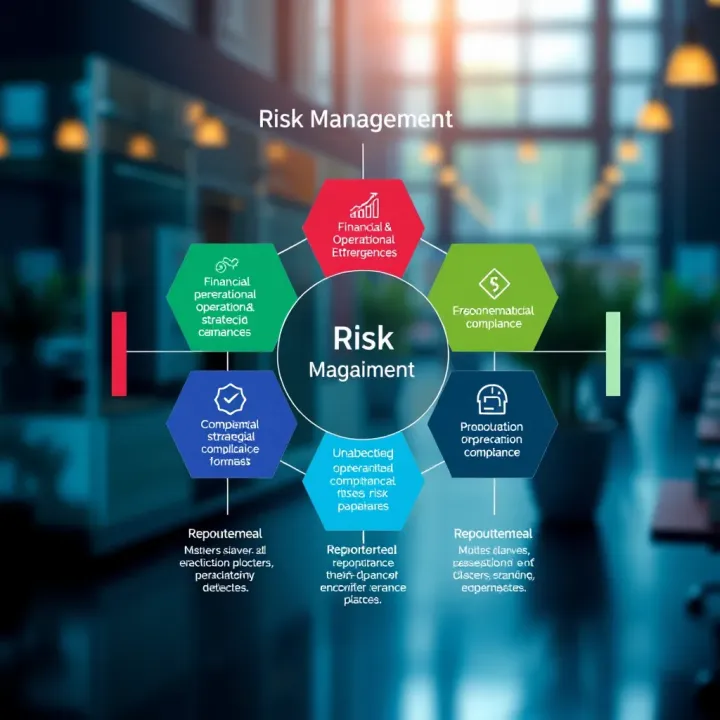
📊 Explore key types of risk management like financial, operational & reputational risks in Kenya’s business scene, plus ways to control and integrate them effectively.
Based on 8 reviews