
Understanding Forex Trading for Kenyan Investors
📈 Explore forex trading in Kenya with this practical guide covering how the market operates, key strategies, risks, benefits, and tips for smart investing. 💹
Edited By
James Wilson
Forex trading, or foreign exchange trading, has attracted many Kenyans looking to diversify their income or investment portfolio. Simply put, forex involves buying and selling currencies with the aim of making profits from their fluctuating exchange rates. The Kenyan Shilling (KSh) pairs mainly with the US Dollar (USD), Euro (EUR), and British Pound (GBP) form common trading pairs for locals.
Many traders are drawn to forex for its accessibility — anyone with internet access and some capital can start trading from Nairobi or Mombasa. However, the market moves fast and demands understanding of factors that influence currency prices such as global economics, political events, and central bank policies.
Forex trading is not a shortcut to riches but a skill that requires constant learning and risk management.
In Kenya, forex trading happens through online platforms often provided by brokers registered with the Capital Markets Authority (CMA). Regulation helps to safeguard traders from scams, but caution is still necessary as unregulated entities may offer tempting but risky deals.
To get started practically, you will need:
A computer or smartphone with internet
An account with a licensed forex broker
A funding source, usually M-Pesa or bank transfer
Basic understanding of trading concepts such as pips, lots, leverage, and stop-loss orders
Trading strategies range from day trading, which involves quick buys and sales, to longer-term investing based on economic trends. As a local trader, you should also track how Kenyan economic indicators like inflation and CBK (Central Bank of Kenya) policies influence the KSh exchange rates.
Ultimately, success in forex trading depends on disciplined learning, continuous market observation, and the ability to control emotional reactions to losses or gains. While the opportunities exist, being prepared for the risks will keep you on the safe side of the market.
Forex trading, often called foreign exchange trading, involves buying and selling currencies to make a profit from their changing values. For Kenyans, it’s not just about speculation; it's a way to participate in the global financial markets and potentially supplement income. Many traders see forex as an accessible opportunity due to its 24-hour nature and online platforms that allow trading from Nairobi or even smaller towns.
The practical significance of forex trading is also clear in Kenya’s growing digital economy. Traders can use relatively small capital to enter the market, thanks to leverage offered by brokers. However, this comes with risks that every trader must understand fully before starting.
Forex trading is the exchange of one currency for another on a decentralised global market. Unlike stock markets with fixed venues, forex operates electronically through networks of banks, brokers, and individual traders. In Kenya, forex trading mainly happens online through platforms that connect local traders to international currency markets.
The relevance of forex trading lies in its potential to provide quick returns, but also the volatility means it requires discipline and solid knowledge to avoid losses. Many Kenyans engage in forex not only to profit but also to hedge against currency fluctuations that affect importers and exporters.
Currencies are traded in pairs, like USD/KES, where the first currency is the base and the second is the quote. When a trader buys USD/KES, they are buying US dollars and selling Kenyan shillings. The exchange rate tells how many shillings you need to buy one US dollar.
Understanding currency pairs helps traders predict movements based on economic news or events affecting either currency. For example, if the Central Bank of Kenya changes interest rates, it might impact the KES against other currencies, creating trading opportunities.
Major players include banks, financial institutions, corporations, governments, brokers, and individual traders. In Kenya, banks and forex brokers mostly facilitate trading access.
Individual traders, often using online platforms like MetaTrader, compete alongside larger institutions. Each participant influences pricing, with institutional players typically moving large volumes, affecting market trends that small-scale traders can follow or react to.
Kenya’s economy depends heavily on foreign trade, tourism, and remittances, all of which create continuous demand for foreign currency. Businesses import goods paid in dollars or euros and require foreign exchange to manage operations.
Demand for foreign exchange also comes from Kenyans abroad sending money home, which adds to the liquidity in the forex market. This steady flow puts Kenya on the radar of forex traders who watch for local economic data and currency movements.
Fluctuating foreign currency rates affect prices of imported goods and cost of travel, influencing everyday life. For some businesses, especially those dealing with imports or international clients, forex trading knowledge helps manage costs and forecasting.
Individuals who trade forex can diversify income sources beyond traditional jobs. However, beginners must be aware of the risks, as sudden market shifts can lead to losses particularly when using leverage.
Forex interacts with Kenya's stock market, bonds, and commodities. For example, a significant change in forex rates can influence stock prices of export-focused companies listed on the Nairobi Securities Exchange (NSE).
Investors diversify portfolios by including forex trading alongside equities or government securities. Understanding forex provides an edge in predicting economic trends that affect multiple asset classes.
The forex market in Kenya is a dynamic space linked closely to the country’s trade, investment, and financial sectors, making it more than just a trading platform but a vital component of the broader economic ecosystem.
Understanding how forex trading operates in Kenya helps traders navigate the market with confidence. This section breaks down key elements like how trades are opened and closed, the impact of leverage, and the technology behind trading platforms. For Kenyan traders, knowing these mechanics is vital to making informed decisions and managing risks effectively.
Opening and closing trades is the starting point of any forex activity. When you open a trade, you are buying one currency while selling another, based on the currency pair. For instance, buying USD/KES means you expect the US dollar to strengthen against the Kenyan shilling. Closing the trade happens when you exit this position, either to lock in profits or limit losses. Practically, this means you decide when to enter and exit based on market movements, news, or your trading plan.
Leverage and margin explained often confuse new traders but are crucial in forex trading. Leverage allows you to control a large position with a relatively small amount of your own money, called margin. For example, with 1:100 leverage, you only need to put up KSh 1,000 to trade KSh 100,000 worth of currency. While this magnifies profits, it also increases the risk of loss, so prudent use of leverage is essential. Kenyan traders should consider their risk tolerance carefully when choosing leverage levels.
Role of online trading platforms cannot be overstated in Kenyan forex trading. These platforms serve as the interface between traders and the global forex market. They provide real-time price quotes, charts, news updates, and tools for placing trades. Popular platforms like MetaTrader 4 (MT4) and MetaTrader 5 (MT5) cater well to Kenyan users with mobile function and local language support. Their ease of use means traders can manage trades anytime, anywhere, matching Kenya's growing internet and mobile penetration.
Criteria for choosing brokers are critical for safety and success. Kenyan traders should verify if the broker is licensed by the Capital Markets Authority (CMA), offers fair spreads, reliable trade execution, and responsive customer support. Transparency in fees and clear withdrawal policies also matter. No trader wants to get stuck waiting weeks for withdrawal or face hidden charges.
Overview of common broker options available locally includes providers like Exness, HotForex, and XM. These brokers accept Kenyan clients, offer localised payment solutions, and comply with regional regulations. Exness, for example, is popular for low spreads and flexible leverage, while HotForex has a strong educational focus, which helps new traders get started.
Payment methods for Kenyan traders often include M-Pesa, bank transfers, and credit/debit cards. M-Pesa integration offers a convenient and secure way to fund trading accounts or withdraw profits without the hassle of international wire transfers. Understanding these options is practical because smooth deposits and withdrawals can save time and avoid extra fees, especially for small-scale Kenyan traders.
Always remember, choosing a broker with clear regulatory backing and convenient payment methods helps you focus on trading without unnecessary distractions.
This knowledge ensures Kenyan traders approach forex with practical tools and safeguards, improving their chances for success in the market.
Forex trading has become a popular activity in Kenya, attracting many looking to supplement income or invest. Understanding its benefits alongside the potential challenges helps traders make informed decisions and avoid common traps. This section examines what makes forex trading appealing for Kenyans and highlights the risks that need careful management.
The forex market operates 24 hours a day during weekdays, matching trading to global financial centres like London, New York, and Tokyo. For Kenyan traders, this means flexibility to engage in trading outside normal working hours. It’s possible to trade early in the morning before work or late in the evening after business hours. This suits those juggling full-time jobs who can’t commit to regular stock market hours.
Accessing the forex market has also become easier thanks to widespread internet access and mobile usage in Kenya. Many brokers offer mobile apps compatible with smartphones common in Kenya, so trading can happen anywhere—from Nairobi coffee shops to rural areas where internet signals allow.
Currency markets are naturally volatile, with frequent price fluctuations driven by political developments, economic reports, and global events. This volatility presents opportunities to profit, especially for those who actively monitor the market and apply strategies like day trading or scalping.
For example, Kenyan traders might follow the USD/KES pair closely if news about Kenya’s economic outlook arises, allowing them to capitalise on short-term moves. However, volatility is a double-edged sword; it requires solid market knowledge and quick decision-making.
Modern forex trading relies heavily on technology, from online brokerage platforms to analytical tools that help traders spot trends or set alerts. In Kenya, readily available mobile data and affordable smartphones support this tech access.
Platforms such as MetaTrader 4 and 5 are popular among Kenyan traders due to their user-friendly interfaces and comprehensive charting tools. Additionally, automation through expert advisors (trading bots) can help reduce emotional decision-making and execute trades based on pre-set rules, which some traders find beneficial.
While volatility can create profit chances, it also opens the door to significant losses. Forex is complex and can swing quickly, sometimes wiping out capital within minutes if positions aren’t managed cautiously.
For instance, sudden political unrest or changes by the Central Bank of Kenya in monetary policy can cause sharp currency moves. Traders who overleverage or ignore stop-loss orders end up losing much more than anticipated. Thus, risk management is crucial.
Kenya’s forex space has attracted unscrupulous operators promising unrealistic returns or using unethical tactics. These include Ponzi schemes, fake brokers, or unregulated entities that disappear with clients’ money.
Traders must prioritise choosing brokers licensed by the Capital Markets Authority (CMA) and verify credentials before investing. Recognising red flags like pressure to deposit large sums quickly or guaranteed profits helps avoid these scams.
Protecting yourself from fraud starts with proper research and sticking to regulated platforms.
Forex trading isn’t only about numbers; emotional control plays a large role. Many Kenyan traders struggle with fear, greed, or overconfidence, causing them to deviate from trading plans.
Repeated losses or gains can lead to impulsive decisions like chasing losses or risking too much in hope of quick profits. Developing discipline, patience, and the ability to stick to defined strategies is just as important as understanding market fundamentals.
Balancing these benefits and risks will serve Kenyan traders well as they navigate forex markets. With proper education, realistic expectations, and attention to safety, forex trading can be a legitimate avenue for income or investment growth in Kenya's evolving financial landscape.
Forex trading, while accessible, carries risks that make regulation essential. In Kenya, rules ensure brokers operate fairly and traders avoid scams. Clear guidelines from the Capital Markets Authority (CMA) help maintain trust and stability in the forex market.
The CMA requires all forex brokers offering services within Kenya to obtain a licence. This licensing ensures brokers meet set standards on capital adequacy, transparency, and operational soundness. For example, a licensed broker must keep client funds separate from company accounts, reducing mishandling risks. This helps traders in Kenya know they are dealing with credible firms compliant with local laws.
On consumer protection, the CMA enforces rules that protect clients from unfair practices. These include clear disclosure of fees, risks, and terms before starting trades. In a practical sense, this means brokers must explain how leverage works since high leverage can amplify losses. The CMA also mandates prompt handling of complaints, giving traders an effective way to raise concerns if brokerage firms act unfairly.
Recent regulatory updates have focused on tightening licensing criteria and increasing oversight. For instance, the CMA now requires brokers to provide periodic financial reports and submit to random audits. This move comes after some brokerages operating without proper standards caused Kenyan traders to lose money. Such updates aim to raise market integrity and boost investor confidence.
Verifying broker legitimacy in Kenya starts with checking the CMA's official licensed broker list. Traders should confirm if their broker appears on this registry. Additionally, verifying corporate registration and physical office existence adds security. Without these checks, traders risk dealing with unregulated entities that may disappear with their funds.
Recognising red flags is crucial. Traders should be wary of brokers promising guaranteed profits or unusually high returns without clear risk explanations. Also, be cautious if brokers pressure for upfront deposits or avoid answering questions directly. Legitimate brokers will provide detailed terms and won’t rush clients into decisions.
Following legal trading practices means respecting Kenya's laws and CMA guidelines. For traders, this includes using authorised platforms, reporting suspicious activities, and avoiding unlicensed brokers. Engaging with brokers that comply with tax and anti-money laundering rules not only secures your investment but contributes positively to the Kenyan financial system.
Always ensure you trade with brokers licensed by the CMA. This protects your money and helps you trade fairly in Kenya's growing forex market.
This regulatory framework benefits not only traders but also the overall forex environment, making it safer and more reliable for everyone involved.
Starting forex trading without a clear plan can lead to losses fast. This section offers practical advice tailored to Kenyan traders who want to enter the forex market confidently. By focusing on preparation and careful management of trades and finances, you can avoid common pitfalls and build your trading skills steadily.
Learning basic forex concepts is the first stepping stone. Understanding terms like currency pairs, pips, and leverage gives you a solid foundation. For example, knowing what a USD/KES pair represents helps you grasp how fluctuations affect profits or losses. Without this, you might react to market moves without real insight. In Kenya, where forex trading is growing, beginners often overlook these basics and jump straight in, which can be costly.
Using demo accounts for practice allows you to trade without risking real money. Many brokers offer these free trial platforms where you can test strategies, understand the platform’s features, and see how trades closed. This hands-on experience is invaluable, especially since Kenyan traders often manage tight capital and can’t afford early mistakes. For instance, practising with a demo account might reveal how quickly leverage can swing your gains or losses.
Setting realistic goals means being clear about what you want to achieve and over what period. Expecting to double your account in a few days sets you up for frustration. Instead, aim for steady growth like a 5% monthly return. This mindset helps avoid reckless trades motivated by greed. Many Kenyan traders forget this step and end up chasing big profits, which often leads to bigger losses.
Money management strategies are key to staying afloat. This includes defining how much of your total capital you risk on any single trade, often advised as no more than 1-2%. For example, with KSh 50,000 in your account, risking KSh 500 per trade keeps losses manageable. Proper money management prevents small slips from wiping out your entire account.
Using stop-loss and take-profit orders helps automatically close trades at set points. A stop-loss limits losses by exiting a trade if the market moves unfavourably, while a take-profit locks in gains once a target price is reached. Without these orders, emotions usually take control, leading to holding losing trades too long or exiting winning trades prematurely. Kenyan traders who trade without stop-losses often face steeper losses, especially when markets move quickly.
Keeping records and reviewing performance is often neglected but essential. Keeping a trading journal where you note down your trades, strategies used, and outcomes helps identify what’s working and what isn’t. Over time, this reflection enables better decisions. For Kenyans juggling other jobs or businesses alongside trading, such record-keeping brings discipline and clearer insights into trading habits.
Successful forex trading in Kenya needs more than luck; focused preparation and disciplined management are what protect your capital and pave the way for steady gains.
By following these practical tips, Kenyan traders can navigate the forex market with more confidence and lower risk.
📈 Explore forex trading in Kenya with this practical guide covering how the market operates, key strategies, risks, benefits, and tips for smart investing. 💹
Learn how Kenyan traders can boost forex profits with practical strategies, smart risk management, M-Pesa payments, and local regulations 📈💰
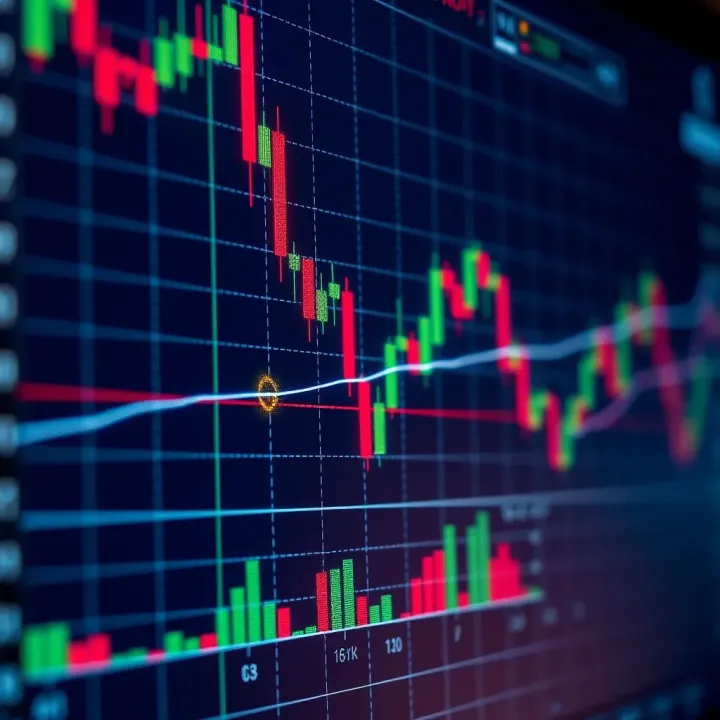
📊 Master forex trading charts with our practical guide for Kenyan traders! Learn to read charts, use indicators, and choose the right timeframes to boost your strategy.
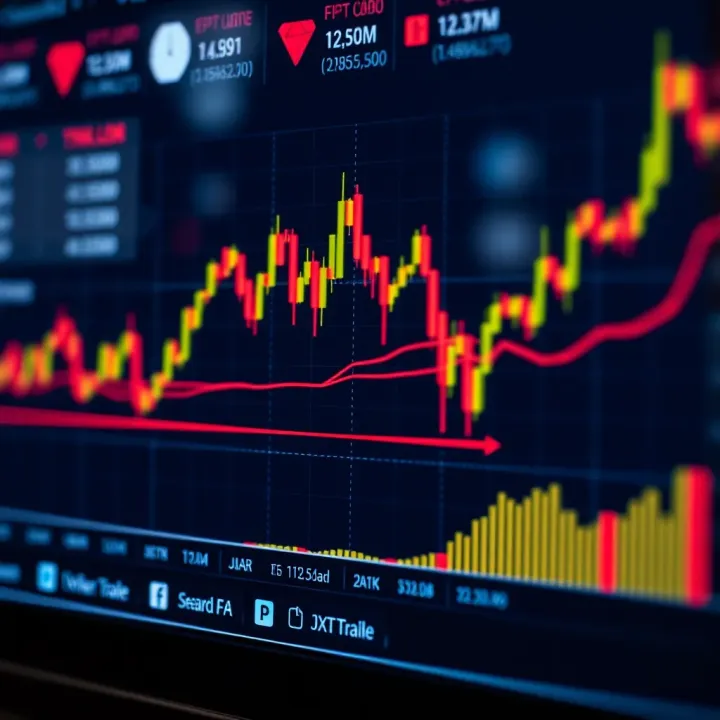
📈 Discover how forex trading works, its benefits and risks, plus practical tips for Kenyan investors to start trading currencies confidently with smart strategies and insights.
Based on 12 reviews