
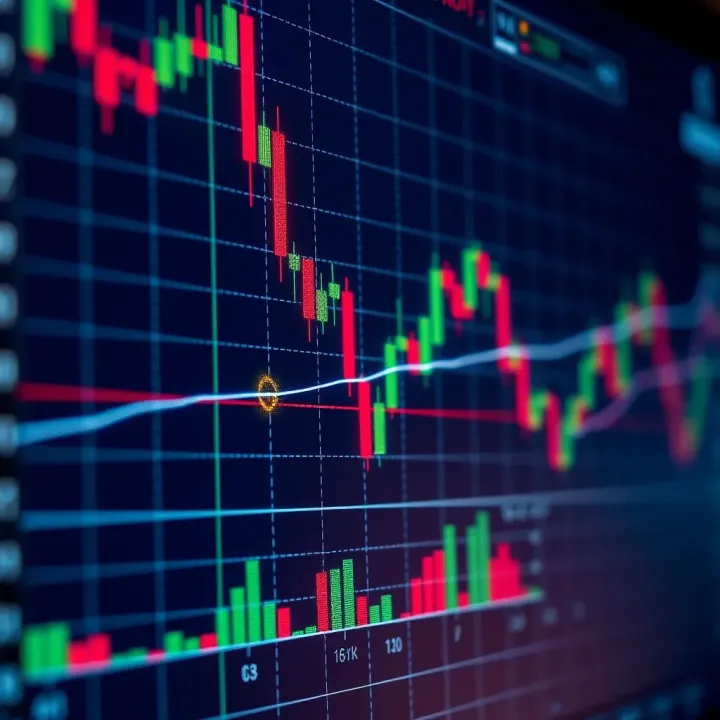
Forex Trading Charts Explained for Kenyan Traders
📊 Master forex trading charts with our practical guide for Kenyan traders! Learn to read charts, use indicators, and choose the right timeframes to boost your strategy.
Edited By
Laura Mitchell
Forex trading means buying and selling different currencies in a market that never really sleeps—it's open 24 hours during weekdays. Unlike the stock market, forex trading happens worldwide, including major centres like London, New York, Tokyo, and Sydney. For Kenyan investors, this opens up opportunities to trade currencies such as the US dollar (USD), euro (EUR), British pound (GBP), and even regional currencies like the South African rand (ZAR) or the East African shilling.
At its core, forex trading is about taking advantage of changes in exchange rates. For example, if you believe the USD will strengthen against the Kenyan shilling (KES), you could buy USD/KES currency pair. If the dollar rises, you could sell it later for a profit.
One practical approach for Kenyans looking to enter forex trading is to start with well-regulated online brokers. Reputable platforms often accept deposits via M-Pesa, making access easier. However, you must confirm the broker is authorised by the Capital Markets Authority (CMA) Kenya or other trusted international regulators.
Forex trading offers high liquidity, meaning you can buy or sell currencies quickly without waiting. But this fast-paced environment also means price can swing rapidly, so it's vital to have clear strategies and money management skills.
Key factors worth understanding include leverage, which lets you control larger positions with smaller capital but can magnify losses if not used carefully. Also, spotting patterns such as support and resistance levels, or trends informed by current affairs like Central Bank of Kenya rate changes or global events, can guide smarter trades.
Here are some steps Kenyan traders often follow to start:
Open a trading account with a licensed forex broker supporting KES deposits
Learn basic chart reading and market analysis, focusing on currency pairs accessible in Kenya
Practice with a demo account before committing real money
Start with small trades and use stop-loss orders to limit potential losses
Understanding forex trading requires ongoing learning and awareness of global economic shifts, but with the right tools and mindset, Kenyan investors can participate confidently in this dynamic market.
Understanding how forex trading operates is essential for any Kenyan investor considering entering the market. Forex trading means buying one currency while selling another simultaneously, aiming to profit from changes in exchange rates. For instance, if you expect the US dollar (USD) to strengthen against the Kenyan shilling (KES), you might buy USD/KES expecting to sell later at a better rate. This basic understanding helps you appreciate market dynamics and make informed decisions.
The forex market is the largest financial market worldwide, with daily trades exceeding $6 trillion. It allows participants to exchange currencies for trade, investment, tourism, or speculation. For Kenyan investors, this means access to a vast, liquid market where you can trade anytime, given its global nature.
Various players operate in the forex market, including central banks, commercial banks, financial institutions, corporations, and individual traders like you. For example, the Central Bank of Kenya may intervene to stabilise the shilling, while commercial banks provide liquidity for daily forex transactions. Understanding who the key players are helps you gauge market movements influenced by their activities.
Unlike stock markets, forex operates 24/5 across different time zones divided into sessions: Asian, European, and American. For Kenyan traders, the Asian session coincides with early morning hours, while the American session takes place late in the evening. Knowing these sessions helps you plan trading times around market activity peaks when liquidity and volatility tend to be higher.
Currencies are traded in pairs because you exchange one for another. Major pairs combine the most traded currencies like USD, EUR (euro), JPY (Japanese yen) often paired against USD. Minor pairs involve currencies like GBP (British pound) and AUD (Australian dollar) but exclude USD. Exotic pairs might have one major currency paired with a less-traded one, such as USD/KES. Majors offer higher liquidity and usually tighter spreads, making them suitable for beginners, while exotcs can carry higher risks and costs.
Every currency pair has two prices: the bid (what buyers pay) and the ask (what sellers receive). The difference between these is called the spread, effectively the trading cost. For example, if EUR/USD bid is 1.1000 and the ask is 1.1002, the spread is 2 pips. Kenyan traders should pay attention to spreads, especially when trading frequently, to avoid excessive costs eating into profits.
Exchange rates fluctuate based on supply and demand influenced by economic data, interest rates, political stability, and market sentiment. For instance, better-than-expected Kenyan economic reports might strengthen the shilling against the dollar. Spotting these factors helps traders anticipate rate changes and position themselves wisely. Rates are also impacted by actions of central banks like the Central Bank of Kenya or the US Federal Reserve, which set monetary policies affecting currencies.
Grasping what forex trading is and how it operates empowers Kenyan investors to approach the market confidently, reducing guesswork and improving chances of success.
Understanding the advantages and risks of forex trading is essential for anyone seriously considering this market. While the forex market offers practical benefits like accessibility and potential profit through leverage, it equally demands caution due to its high volatility and the prevalence of unreliable brokers. Kenyan investors need to weigh these factors upfront to make informed decisions and protect their capital.
The forex market is the largest financial market globally, processing over $6 trillion daily. This high liquidity means traders can enter and exit positions quickly without large price swings caused by a lack of buyers or sellers. For Kenyan traders, this translates to smoother, faster trades compared to less liquid markets. Plus, forex operates 24 hours during weekdays across global sessions, so you can trade conveniently around your schedule, whether you’re at home in Nairobi or travelling.
Leverage lets traders control a larger position with a smaller deposit. For example, with leverage of 1:100, depositing KS,000 lets you trade as if you had KS00,000. This can magnify profits, but also losses, so it requires careful management. In Kenya, brokers usually offer leverage up to 1:200 or more, but beginners should start lower to avoid wiping out their entire investment. Using smaller leverage keeps risks manageable while you build your trading skills.
Forex trading offers flexibility unmatched by many other investments. You can trade various currency pairs targeting different regions—USD/KES, EUR/USD, or GBP/JPY—and adjust your strategy from short-term scalping to longer-term positions. Moreover, with mobile trading apps widely available, Kenyans can monitor and trade markets on the go, whether while commuting in a matatu or at a cafe. This flexibility suits diverse lifestyles and investment goals.
Currency prices can shift suddenly due to economic news, geopolitical changes, or central bank announcements. For instance, unexpected shifts in the US Federal Reserve's interest rates might trigger rapid movements in USD pairs. This volatility means profits can be large but so can losses. Kenyan investors must watch key news calendars and avoid trading during unpredictable events unless well prepared.
While leverage can boost gains, it also increases exposure to losses. A small adverse price movement can result in losing the entire margin deposit quickly. Many new traders get carried away by big leverage offers, risking more than they can afford. It's wise to keep leverage low initially and always use stop-loss orders to limit downside.
Unfortunately, the forex scene in Kenya has its share of unscrupulous brokers promising unrealistic returns or delaying withdrawals. It's vital to choose brokers regulated by reputable authorities like the Capital Markets Authority (CMA) in Kenya. Reliable brokers ensure your funds are safe, trading platforms are fair, and transactions are transparent. Avoid brokers with no local presence or poor reviews to protect your investment.
Successful forex trading balances seizing advantages while managing risks wisely. Knowing both sides prepares you for more confident, informed trading.
Starting forex trading in Kenya requires a clear understanding of the steps involved and the local conditions that shape the market. This section guides you through practical actions such as selecting a trustworthy broker, setting up your trading account, and using appropriate tools to trade effectively.
The Capital Markets Authority (CMA) regulates forex brokers operating in Kenya. It ensures brokers meet specific standards of transparency, security, and financial stability. Using a broker licensed by CMA means your funds enjoy a degree of protection, and the broker's operations align with Kenyan laws. For instance, CMA requires brokers to keep client funds separate from company accounts, reducing risks of misuse.
When picking a broker, lookout for low spreads, responsive customer service, and convenient deposit methods like M-Pesa. Some brokers also offer local support and educational materials, which are helpful, especially if you’re starting out. For example, a broker offering real-time price feeds and fast execution speeds can make a difference in volatile markets.
Several international brokers accept Kenyan clients, but the most popular ones include XM, HotForex, and FXTM as they support KSh deposits and comply with CMA standards. These platforms often allow M-Pesa deposits, making fund transfers easy and quick without bank hassles. Choosing one familiar with Kenyan traders’ needs improves your trading experience.
Most brokers require you to register on their website with personal details and proof of identity like a national ID or passport. Verification ensures compliance with anti-money laundering rules. Expect to upload documents such as utility bills for address confirmation. This not only secures your account but also speeds up withdrawals later.
Kenyan traders benefit from brokers who accept M-Pesa payments, as it’s widely used and avoids hefty bank charges. Deposits usually reflect instantly, so you can start trading without delays. Some brokers also accept direct bank transfers for larger amounts, but these may take a day or two.
Before risking real money, practice on demo accounts. These simulate live markets with virtual funds, allowing you to test strategies without losses. Demo trading is essential to understand platform features and market behaviour. For example, you can experiment with leverage settings and stop-loss orders safely before going live.
Most Kenyan traders use MetaTrader 4 or 5 because they’re reliable, user-friendly, and support automated trading through Expert Advisors (EAs). These platforms offer real-time charts, technical indicators, and order management tools suited for all skill levels.
Mobile trading apps are vital in Kenya, where many traders rely on smartphones. Brokers offering robust mobile platforms let you monitor trades, analyse charts, and execute orders anywhere. For instance, the MetaTrader mobile app lets you track currency pairs while commuting or during breaks.
Good forex platforms include tools for drawing trendlines, marking support and resistance levels, and using indicators like the Relative Strength Index (RSI). These help make informed decisions. A practical tip: combine chart patterns with economic news releases to time your trades better.
Starting forex trading in Kenya is straightforward once you know where to begin and which features matter most. Choosing a regulated broker, setting up your account carefully, and using the right tools helps you trade confidently and securely.
Successful forex trading depends not only on understanding the market but also applying effective strategies tailored to your goals and risk tolerance. These strategies combine technical and fundamental analysis with sound risk management to help traders make informed decisions and protect their capital.
Using charts and indicators: Charts form the backbone of technical analysis, showing price movements over time. Indicators like Moving Averages, Relative Strength Index (RSI), and Bollinger Bands help spot trends, overbought or oversold conditions, and potential price breakouts. For instance, a Kenyan trader may use a 50-day Moving Average to track the USD/KES currency pair, identifying entry points when the price crosses above this average.
Support and resistance levels: These are price points where currencies tend to stop and reverse. Support refers to the level where buying interest is strong enough to prevent further price drops, while resistance is where selling pressure halts price gains. For example, if the EUR/USD pair repeatedly bounces back after hitting 1.1000, that level acts as support. Knowing these levels helps set logical entry or exit points.
Trend identification: Detecting the market’s direction — whether upward, downward, or sideways — guides trade decisions. An uptrend presents buying opportunities, while a downtrend suggests selling or shorting. Identifying trends early, using tools like trendlines and average directional index (ADX), allows traders to ride profitable waves and avoid choppy markets.
Economic indicators to follow: Key data such as GDP growth, inflation rates, employment figures, and trade balances influence currency values. For Kenyans, tracking US data releases is vital since the US dollar impacts the Kenyan shilling's stability. A stronger US job report often strengthens the dollar, affecting forex positions.
Impact of geopolitical events: Political stability, elections, conflicts, and trade negotiations can swiftly change market sentiment. Consider how Kenya’s election cycles or East African Community trade policies might affect the shilling. Traders should monitor headline news that could cause sharp, unexpected swings in currency values.
Central bank policies: Interest rate decisions, quantitative easing, or tightening by bodies like the US Federal Reserve, European Central Bank, or Bank of Kenya can create big shifts. For example, an interest rate hike by the KB can boost the KES against other currencies by attracting foreign capital. Keeping an eye on central bank meetings and announcements is essential.
Setting stop-loss and take-profit orders: These are automatic instructions to close trades at predefined loss or profit levels, limiting emotional decision-making. For instance, if you buy GBP/USD at 1.3000, placing a stop-loss at 1.2950 caps the loss to 50 pips. Similarly, setting a take-profit ensures gains aren’t lost when the market reverses.
Position sizing methods: Calculating how much to trade based on your account size avoids risking too much on a single trade. A common rule is risking only 1-2% of your capital per trade. So, if your trading account holds KS00,000, you might risk a maximum of KS,000 to KS,000 per position.
Diversifying currency trades: Spreading investments over several currency pairs reduces exposure to single-market shocks. For example, instead of focusing solely on USD/KES, a trader may also trade EUR/USD and GBP/USD. This strategy balances potential losses in one pair with gains in others.
Effective trading relies as much on managing risks as it does on choosing the right moment to trade. Strategies should be tested with demo accounts before real money is involved.
Applying these essential strategies gives Kenyan investors practical tools for navigating forex markets with more confidence and discipline.
Before stepping into forex trading, it's necessary to understand several factors that influence success and risk management. These elements help you prepare realistically and navigate Kenya's unique financial and regulatory environment.
Assessing investment capital is the first step. You need to determine how much money you can afford to commit without compromising your daily needs or emergency savings. For example, it's not wise to use funds meant for school fees or rent to trade forex. Starting with a small, manageable amount lets you learn without risking financial strain.
Setting realistic expectations matters greatly. Forex trading isn't a quick way to get rich. Even experienced traders face losses. Aim for steady, moderate returns instead of chasing big wins. Think of trading as a long-term skill-building process rather than a get-rich-quick scheme.
Time commitment for trading must be considered. Some strategies require monitoring the market frequently during specific hours, which might clash with work or family responsibilities. If your schedule is tight, look for trading styles that fit your availability, like position trading rather than day trading.
KRA requirements for forex profits mean you must declare earnings from forex trading as income. Kenya Revenue Authority (KRA) treats profits from forex just like any other income stream, and failure to report can attract penalties. Keep records of all transactions and profits.
Reporting income and paying taxes on forex profits involves filling returns correctly and paying the appropriate tax, usually as part of your annual income tax. It's advisable to consult a tax expert familiar with forex earnings to ensure compliance and avoid surprises during KRA audits.
Compliance with CMA rules refers to ensuring you only trade with brokers licensed by the Capital Markets Authority (CMA) Kenya. CMA protects investors by regulating who can offer forex trading services. Avoid unlicensed brokers to reduce the risk of fraud or sudden closures.
Recognising scams and fraud is crucial. Be wary of brokers promising guaranteed profits, unusually high returns, or pressuring you to invest quickly. Always verify licence status through CMA and check user reviews. If it sounds too good to be true, it probably is.
Managing emotional trading helps avoid poor decisions. Fear and greed can push a trader to close trades too early or risk too much. Maintain discipline by setting stop-loss orders and sticking to your trading plan, even on days when emotions run high.
Continuous learning and improvement keeps you sharp and adaptable. Markets change, and strategies that worked last year might not be as effective now. Attend workshops, follow market news, and practise using demo accounts regularly to refine your skills.
Trading forex is not only about charts and numbers; understanding your financial situation, legal environment, and personal discipline is fundamental for success.
By being aware of these factors, Kenyan traders can enter forex markets with a clearer head and stronger foundation, improving your chances of sustainable profits while avoiding unnecessary risks.
📊 Master forex trading charts with our practical guide for Kenyan traders! Learn to read charts, use indicators, and choose the right timeframes to boost your strategy.

Explore top forex trading apps for Kenyan traders 📱. Learn to choose safe platforms, spot key features, and boost your trading skills effectively.

Explore top forex trading companies in Kenya 🇰🇪, learn about regulators, pick trusted brokers, and get practical tips to start smart and safe 📈💡.
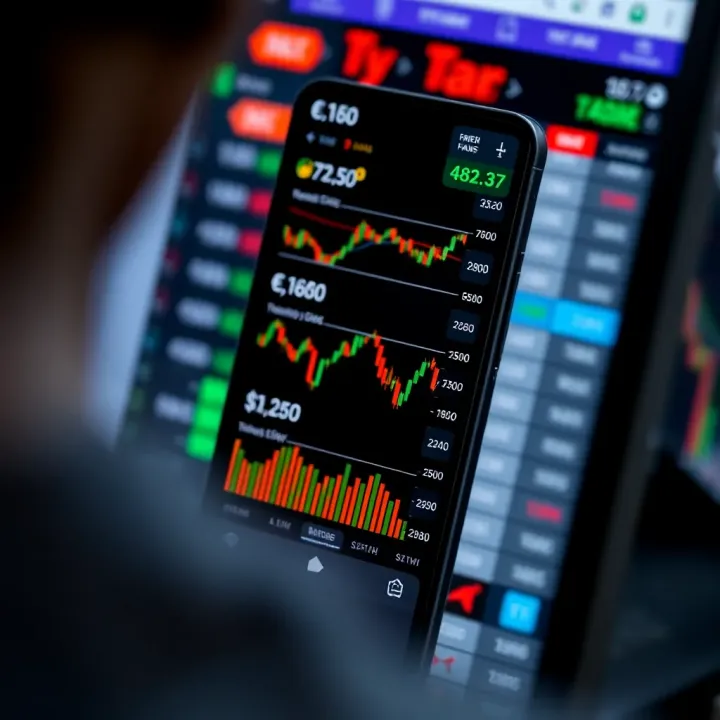
Explore top forex trading apps tailored for Kenyan traders 📱. Learn to choose wisely, ensure security 🔒, and trade confidently in Kenya’s forex market!
Based on 12 reviews