
Understanding Forex Trading for Kenyan Investors
📈 Explore forex trading in Kenya with this practical guide covering how the market operates, key strategies, risks, benefits, and tips for smart investing. 💹
Edited By
Isabella Green
Forex trading means buying and selling currencies on a global scale to make profits from changes in exchange rates. For Kenyan traders, understanding this market goes beyond just knowing currency pairs—it involves grasping how the market functions day-to-day, the risks involved, and the specific local rules that apply.
Unlike stock markets, the forex market operates 24 hours a day from Monday to Friday, allowing traders to react quickly to economic and political events worldwide. For instance, a Kenyan trader can open a position on the EUR/USD pair at night Nairobi time, when European markets are active.
Key participants in forex include banks, central banks, brokers, hedge funds, and individual traders. In Kenya, many private investors join through online platforms that offer access to major currency pairs such as USD/KES (US dollar to Kenyan shilling), EUR/USD, and GBP/USD.
Kenyan traders should consider how they fund their trading accounts. Many brokers accept local payment options including M-Pesa, which simplifies depositing and withdrawing funds. However, it’s vital to confirm that the broker is regulated by Kenyan authorities or internationally recognised bodies to avoid scams.
Trading currencies is risky — exchange rates can swing unexpectedly due to global events. Managing risks through stop-loss orders and only trading money you can afford to lose is essential.
To get started, understand the basics:
Currency pairs: Currencies always trade in pairs, for example, USD/KES. The first is the base currency, the second the quote currency.
Pips: The smallest price movement measured in the market, crucial for calculating profits or losses.
Leverage: Borrowing money from a broker to control larger positions. While it can increase gains, it also magnifies losses.
A practical example: If you believe the US dollar will strengthen against the Kenyan shilling, you buy USD/KES. If the rate moves from 110 to 112, you gain on the difference after accounting for any broker fees.
Understanding these building blocks prepares Kenyan traders to participate meaningfully in forex. Next sections will cover trading strategies, how to choose platforms, and the specific regulatory landscape in Kenya.
Understanding what forex trading means is vital for any Kenyan keen to participate in this global market. At its core, forex (foreign exchange) trading involves buying one currency while selling another simultaneously. This dual action allows traders to potentially profit from currency value changes relative to each other. For Kenyans, forex trading offers access to international markets, presenting opportunities beyond local investments like stocks or real estate.
Forex trading is the exchange of different national currencies on a global, decentralised marketplace. It operates 24/5, connecting banks, financial institutions, retail traders, and businesses. The objective is to buy currency pairs at one rate and sell at another, making gains from fluctuating exchange rates. For example, a Kenyan trader might buy the US dollar against the Kenyan shilling (USD/KES) expecting the dollar to rise in value. If successful, they can sell back at a higher rate, earning a profit.
Currencies in forex trading are quoted in pairs, such as USD/KES or EUR/USD. The first currency is the base currency, and the second is the quote currency. A quote like USD/KES 110 means one US dollar equals 110 Kenyan shillings. When you buy this pair, you essentially buy USD and sell KES. This pairing system makes forex trading a simultaneous exchange of two currencies rather than a single transaction.
This setup is practical because currency values only make sense relative to each other. For instance, if the Kenyan shilling weakens due to economic factors like inflation or trade deficits, the USD/KES rate may rise, indicating you need more shillings to buy one dollar. Understanding this helps Kenyan traders decide when to enter or exit trades.
Forex operates across global time zones, opening with the Sydney market and closing with New York. This means trading happens almost round-the-clock, five days a week. For Kenyan traders, this allows flexibility — one can trade early in the morning before work or late at night after dinner.
Liquidity in forex comes from the massive volume traded daily, estimated at over $6 trillion worldwide. High liquidity means orders execute fast, with narrow spreads, reducing trading costs. It also ensures you can enter or exit trades even with large amounts without too much price slippage. However, liquidity varies with market hours; it peaks when major markets in London and New York overlap, typically between 3 pm and 7 pm EAT, which is important to know for timing trades.
Forex’s continuous operation and high liquidity make it accessible and dynamic for Kenyan traders, offering options that fit different schedules and trading styles.
In short, grasping what forex trading means lays the groundwork for understanding market behaviour, currency movements, and trading strategies relevant to Kenyans. It opens doors to participate in a global market while managing practical aspects like hours and currency quotations effectively.
Understanding the key concepts in forex trading helps Kenyan traders make better decisions, especially in a market as fast-moving and competitive as forex. Knowing the basics like currency pairs, leverage, margin, pips, and spreads can improve how you trade and manage risks. This section breaks down these concepts clearly, so you can recognise what to watch out for and how they affect your trades.
Forex trading always involves buying one currency while selling another, so currencies come in pairs. These currency pairs show the value of one currency compared to another. Kenyan traders mostly focus on major pairs, which include currencies like the US dollar (USD), euro (EUR), British pound (GBP), and the Japanese yen (JPY). These pairs tend to be more liquid and have tighter spreads, making them less costly to trade. For example, trading the USD/KES (US dollar against Kenyan shilling) can be popular locally because it relates directly to the Kenyan economy.
Minor pairs involve currencies that are less frequently traded and often omit the US dollar. An example is EUR/GBP or AUD/NZD (Australian dollar/New Zealand dollar). These pairs might have wider spreads and less liquidity, which can mean higher trading costs but also potential for bigger movements.
Currencies in a pair are named as the base currency and the quote currency. The base is the currency you buy or sell first, and the quote currency shows how much of it you need to buy one unit of the base. For instance, in USD/KES = 110, the base is USD, and the quote currency is KES. This price means 1 US dollar costs 110 Kenyan shillings. If the pair moves to 112, the shilling has weakened against the dollar. Understanding this helps traders spot opportunities and evaluate risk.
Leverage lets Kenyan traders control a larger position than their actual funds would allow. Essentially, you borrow money from your broker to trade bigger amounts. For example, with 1:100 leverage, KSh 1,000 lets you trade KSh 100,000 worth of currency. This can multiply gains but also losses, so understanding leverage is essential to avoid wiping out your account.
Margin is the money you need to keep in your account as a security deposit when using leverage. If your trade goes against you, the margin protects the broker. Traders should monitor their margin levels closely to avoid margin calls or forced liquidation of their positions.
A pip is the smallest price move a currency pair can make, usually the fourth decimal place. For example, if USD/KES moves from 110.0000 to 110.0100, that is a one-pip move. Pips help measure profit or loss precisely, which is critical for setting goals and stops.
The spread is the difference between the buying (bid) and selling (ask) prices of a currency pair. Brokers charge this as the cost of trading. Pairs like USD/KES may have wider spreads during off hours or low liquidity. Traders should always check the spread because narrow spreads reduce trading costs and are better for frequent trading strategies.
Grasping these key concepts equips you with the knowledge to trade forex with discipline and clear expectations, reducing the guesswork and surprises in the market.
Understanding who takes part in forex trading helps Kenyan traders grasp how the market functions globally and where they fit into the bigger picture. The main players include retail traders, financial institutions, banks, and central banks. Each has a specific role that influences currency prices and liquidity.
Retail traders are individual investors like you and me who enter the forex market mainly through online trading platforms. Though retail traders contribute a smaller share compared to big institutions, their numbers have grown significantly due to easy access via platforms like MetaTrader 4 and local brokers licensed by the Capital Markets Authority (CMA). For instance, a typical Kenyan retail trader might use M-Pesa to fund their trading account and buy major currency pairs such as USD/KES or EUR/USD. Retail traders usually aim to profit from short-term price movements using strategies like day trading or swing trading. Their activity increases market volume and provides additional liquidity, although they often face risks from market volatility and leverage.
Banks and financial institutions dominate forex trading by handling large currency flows every day. Kenyan commercial banks, such as Equity Bank and KCB, trade currencies both for their own needs and on behalf of their clients. These institutions facilitate international trade and investments, exchanging Kenyan shillings for foreign currencies and vice versa. Large global banks also engage in forex markets for hedging and speculative purposes. Their massive transactions can move markets significantly, affecting exchange rates that retail traders watch closely. For example, if a bank decides to buy substantial amounts of USD against KES to support a multinational company’s imports, this demand might strengthen the dollar’s value against the shilling temporarily.
Central banks, including the Central Bank of Kenya (CBK), play a vital role by setting monetary policies and managing foreign reserves. CBK intervenes in the forex market occasionally to stabilise the shilling, especially during times of excessive fluctuation or economic shocks. These interventions might involve buying or selling foreign currency to influence supply and demand. Central banks also control interest rates, which impacts forex rates indirectly by making a country’s currency more or less attractive to investors. For example, if the CBK raises its benchmark rate, it may attract foreign capital seeking better returns, pushing the shilling's value up. Conversely, loosening monetary policy might weaken the currency. Kenyan traders need to follow such signals closely since central bank actions often set the tone for forex market trends.
By recognising how retail traders, financial institutions, and central banks interact, Kenyan traders can better understand price movements and market dynamics — helping them trade smarter in the fast-moving currency market.
Starting forex trading in Kenya requires careful planning and understanding of local realities. Unlike some international markets, Kenyan traders benefit from accessible payment options like M-Pesa and a growing number of reliable trading platforms tailored for the local market. Knowing how to choose the right platform, set up your account correctly, and deploy beginner-friendly strategies helps ensure you trade with confidence and avoid costly mistakes.
Kenyan traders typically prefer platforms such as MetaTrader 4 (MT4), MetaTrader 5 (MT5), and cTrader, all known for their stability and user-friendly interfaces. These platforms offer mobile and desktop versions, which suit Kenya’s high mobile usage. Plus, local brokers often provide versions that accept payments through M-Pesa or bank transfers, making deposits and withdrawals straightforward.
When selecting a platform, look beyond aesthetics. Key features should include easy navigation, real-time price charts, multiple order types, and comprehensive technical analysis tools. For example, having built-in indicators helps you gauge market trends without extra costs. Security features matter too — platforms with two-factor authentication protect your account better against fraud.
Opening a trading account calls for proper verification to comply with Kenyan regulations and international standards. Brokers usually require a valid national ID or passport, proof of residence like a recent utility bill, and a completed application form. This process helps prevent identity theft and strengthens your trading legitimacy.
Funding your account is a breeze when brokers accept M-Pesa or direct bank transfers from institutions such as Equity Bank or KCB. M-Pesa deposits are typically instant, enabling you to start trading faster than when using traditional bank wire transfers. Always confirm the deposit and withdrawal fees beforehand to avoid surprises.
Starting with simple strategies makes sense while you learn the ropes. For instance, the trend-following method involves identifying the general market direction and making trades in line with that movement. This reduces guesswork and aligns your trades with market momentum.
Another beginner-friendly technique is setting stop-loss orders to limit potential losses in case the market moves against you. Combining this with small trade sizes ensures you don’t risk too much capital early on. Practising with a demo account before investing real money also builds your confidence.
New traders in Kenya should prioritise platforms that support local payment methods and value security. Setting realistic goals, understanding basic strategies, and proper verification are the best ways to begin forex trading safely and effectively.
When it comes to forex trading, understanding risks and the regulatory framework is as important as mastering trading strategies. Kenyan traders face specific challenges due to market volatility, leverage misuse, and potential fraud. Knowing how regulatory bodies like the Capital Markets Authority (CMA) operate gives traders a safety net and helps avoid costly mistakes.
Market volatility refers to how much a currency’s value can change in a short time. For example, political developments in the East African Community or sudden changes in US dollar strength can cause rapid price swings. For Kenyan traders, this means that prices may jump unexpectedly, affecting both gains and losses. It requires constant attention and sometimes quick decisions to avoid major setbacks.
Leverage allows traders to control larger amounts with a smaller deposit. While this can multiply profits, it also magnifies losses. Imagine a trader in Nairobi using 1:100 leverage on a KSh 10,000 deposit – a small unfavourable movement could wipe out the whole investment or more. Without cautious use, leverage can lead to rapid account depletion, especially if a trader chases losses without proper risk management.
Forex scams have become common in Kenya, often targeting beginners with promises of ‘easy money’ or fake expert tips. Typical schemes include unlicensed brokers or platforms that disappear with traders’ funds. Kenyan traders should be wary of any offer that sounds too good to be true, such as guaranteed returns or pressure to deposit more money. Falling victim can lead to losing not just profits but the original capital.
The CMA is Kenya’s financial regulator responsible for supervising forex trading and capital markets. They set rules to protect investors and promote fair trading. The CMA also registers and licences forex brokers operating in Kenya, ensuring they follow strict guidelines. Traders benefit from CMA oversight because it reduces fraud and encourages transparency in the market.
Licensed forex brokers must adhere to CMA regulations, including maintaining segregated client accounts, providing transparent pricing, and submitting regular financial reports. These rules prevent misuse of client funds and promote reliable execution of trades. For Kenyan traders, dealing with brokers under these guidelines offers added security and recourse if issues arise.
Kenyan traders should always verify a broker’s licence status with the CMA before depositing funds. The CMA publishes a list of approved brokers on their website. Traders can also check whether a broker’s physical offices and support channels exist locally. Avoid brokers who operate anonymously or cannot provide valid registration details. Verifying helps prevent losses through dishonest or unregulated firms.
Always prioritise risk management and work only with brokers authorised by the CMA. This approach protects your capital and builds a safer trading experience in the Kenyan forex market.
Understanding these risks and the regulatory environment equips Kenyan traders to make better-informed decisions and safeguard their investments effectively.
📈 Explore forex trading in Kenya with this practical guide covering how the market operates, key strategies, risks, benefits, and tips for smart investing. 💹
Learn how Kenyan traders can boost forex profits with practical strategies, smart risk management, M-Pesa payments, and local regulations 📈💰
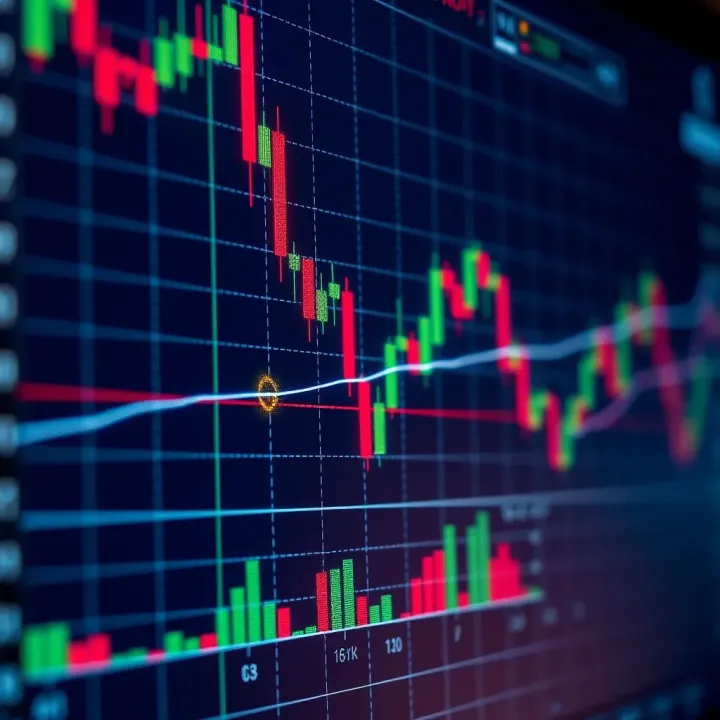
📊 Master forex trading charts with our practical guide for Kenyan traders! Learn to read charts, use indicators, and choose the right timeframes to boost your strategy.
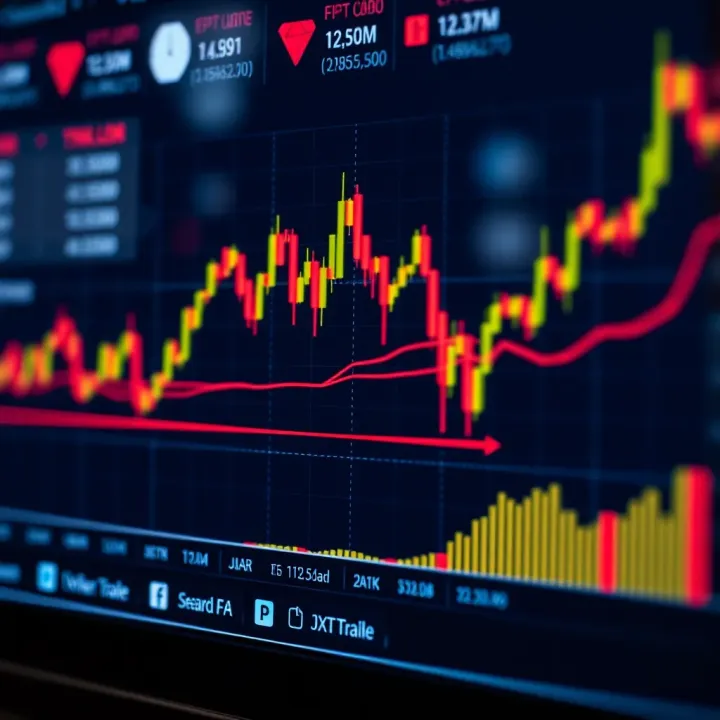
📈 Discover how forex trading works, its benefits and risks, plus practical tips for Kenyan investors to start trading currencies confidently with smart strategies and insights.
Based on 11 reviews