

A Practical Guide to Forex Trading in Kenya
📊 Discover forex trading in Kenya with this practical PDF guide. Learn how to start, manage risks, and pick trusted platforms for success in the Kenyan market.
Edited By
Matthew Clarke
Forex trading, or foreign exchange trading, involves buying and selling currencies to profit from changes in their exchange rates. It's one of the most active financial markets globally, and Kenya has seen a growing interest as more people seek alternative income streams beyond traditional jobs. However, navigating forex can be tricky without proper training, which makes free forex trading courses an excellent starting point for many Kenyan traders.
These free courses offer valuable insights without demanding upfront fees, making them a cost-effective option for beginners or even experienced traders wanting to sharpen skills. They generally cover essential topics such as market analysis, risk management, trading platforms, and order types. For example, some courses available locally or online may teach you how to interpret candlestick charts, a skill crucial for timing entries and exits in the market.

Choosing the right free forex trading course matters. Not all free courses offer quality content or trustworthy guidance. It’s important to look for courses affiliated with reputable brokers or training centres familiar with Kenyan market realities.
When exploring free forex trading courses in Kenya, consider these factors:
Course content: Does the course cover both theory and practical application? Look for lessons on fundamental analysis alongside technical trading skills.
Trainer credibility: Who is teaching the course? Experienced traders or certified professionals enhance learning.
Support and community: Are you able to ask questions or join forums? Interaction boosts understanding and builds networks.
Many trustworthy institutions, such as the Nairobi Securities Exchange or well-known brokers operating in Kenya, sometimes offer introductory forex courses or webinars. These often align their education with Kenyan currency pair popularities like USD/KES. Besides, some local online platforms provide accessible content adapted to Kenyans’ schedules and financial landscapes.
To sum up, free forex trading courses in Kenya can be a powerful tool when used wisely. Focus on those that provide hands-on experience, relevant examples, and reliable mentorship. This approach prepares you better for the ups and downs of forex trading and helps minimise costly mistakes often made by novices.
Before diving into any free forex trading course, it’s vital to understand what forex trading really involves and why it can matter for Kenyan traders. Forex trading is not just about buying and selling currencies; it’s about grasping how global currencies interact, how markets function, and what opportunities or risks lie within this space.
Currency trading means exchanging one national currency for another in pairs. For example, you might trade the US dollar against the Kenyan shilling (USD/KES). Each currency has a value relative to the other, which fluctuates depending on supply and demand, economic news, and geopolitical factors. These movements create opportunities for traders to profit if they correctly predict price changes. Understanding these basic concepts helps you avoid random guesses and trade with better strategies.
The forex market runs 24 hours a day, five days a week, across major financial centres worldwide, allowing continuous trading. There’s no physical exchange like a stock market; instead, trading is over the counter (OTC), mostly done through brokers and electronic platforms. Therefore, your access depends on reliable internet and a trusted broker. This nonstop operation means you can trade almost any time, which is handy for Kenyans balancing day jobs or running errands.
Major players include central banks, commercial banks, hedge funds, corporations, and individual retail traders. Central banks, like the Central Bank of Kenya (CBK), influence currency values through monetary policy. Trading sessions run in New York, London, Tokyo, and Sydney, with each session having distinct volatility and activity levels. Nairobi’s timezone means Kenyan traders often find the London session active in the afternoon and the New York session in the evening, times when currency pairs tend to move more swiftly.
Kenyan traders can tap into forex markets to diversify income beyond the local economy. Since Kenya imports many goods and services priced in foreign currencies, movements in forex rates can affect costs and profits locally. For instance, a trader understanding the USD/KES pair could anticipate shilling depreciation and benefit from forex movements or hedge business expenses.
Forex trading offers a chance to earn actively or even build a side hustle, especially with the rise of accessible online trading platforms. With small capital, you can start trading on demo accounts and gradually move to live markets. Some Kenyans have used forex trading profits to supplement their earnings or even establish forex-related businesses like training or brokerage.
That said, forex trading is risky and can lead to losses without proper knowledge and discipline. High leverage, common in forex, can magnify both gains and losses. Lack of education often causes traders to fall for scams promising guaranteed profits or to enter markets blindly. By learning through reliable free courses, Kenyan traders can build skills in risk management and trading psychology, which are key to surviving and thriving in forex markets.
Understanding forex trading basics, market operation, and the participant landscape sets the foundation for making smart trading decisions. For Kenyan traders, this knowledge is not just academic but a practical tool to tap into global currency flows responsibly and profitably.
Free forex trading courses offer a practical way for Kenyan traders to enter the market without upfront financial commitments. These courses remove the cost barrier, making it easier for beginners and those testing their interest to access quality education. For example, a new trader in Nairobi can start learning forex basics without spending KSh 5,000 or more on paid courses, which can be a significant deterrent.
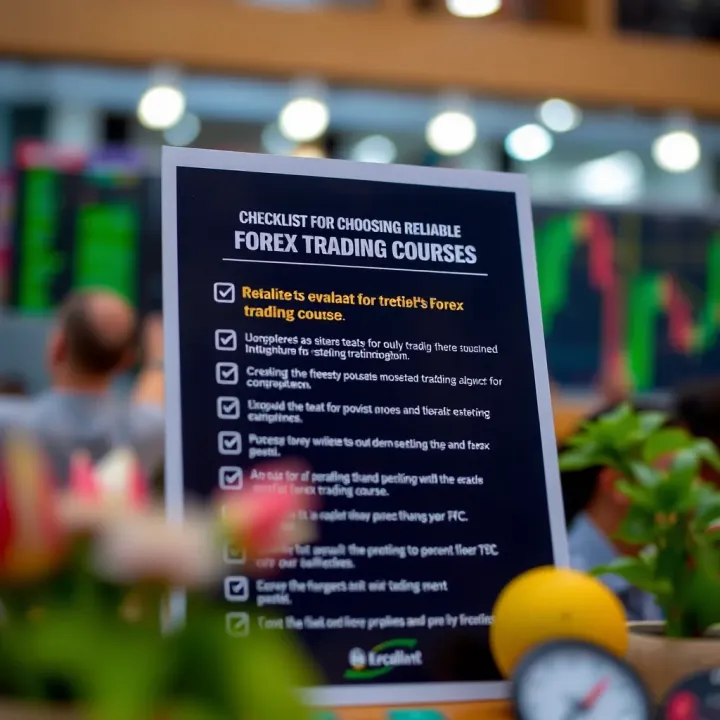
One clear advantage is the absence of financial constraints. Free courses mean you don't need to pay tuition or registration fees to build foundational knowledge. This aspect is especially valuable in Kenya, where disposable income for extra training may be limited. Plus, since investing money in learning is minimal, it allows traders to explore different instructors and teaching styles without risking capital.
Moreover, free courses typically offer flexibility to learn at your own pace. You can fit lessons around your daily schedule, whether it’s the long commutes on matatus or slow hours at work. This flexibility supports steady progress without pressure, a key factor since forex trading requires patience and continuous learning.
Free forex learning often includes video tutorials and webinars, which provide visual and practical understanding of trading concepts. For instance, a video breaking down how to use MetaTrader platforms helps learners grasp execution of trades better than just reading text. Webinars offer real-time interaction, sometimes with Kenyan or East African forex experts, which adds local relevance.
Besides videos, many courses provide ebooks and written guides. These materials form a handy reference you can revisit anytime. Kenyan traders can benefit from guides that explain forex terms in simple language, sometimes with examples relevant to the local economy or currency pairs like USD/KES or EUR/KES.
Interactive trading simulators are another big plus. They let you practise trading in a risk-free environment, simulating real market behaviour. This is essential before risking actual money, especially as forex can be volatile. Kenyan users can try simulator platforms linked to local brokers to familiarise themselves with the rules and user interface used locally.
Free forex courses give you a chance to test strategies, learn technical skills, and grow your confidence without digging into your savings. This trial phase is often what separates hopeful beginners from those who trade successfully in live markets.
These advantages make free forex trading courses a practical step towards becoming a capable forex trader in Kenya. By choosing the right courses offering varied resources and manageable learning schedules, you set yourself up for a smoother entry into currency trading.
Finding trustworthy free forex trading courses matters a lot for Kenyan traders. With the rise in online learning options, not every course is up to scratch or reliable. Picking poor-quality or scammy courses wastes your time and may even cost you money down the road through bad advice or phishing schemes. You need to recognise credible sources and legitimate content to get value and build real skills.
Start by looking at the instructors' background. Proper forex trainers usually have verifiable experience, such as working for recognised financial firms, holding relevant certifications, or displaying a solid track record in trading. For example, a course led by a former bank trader or licensed financial analyst brings practical knowledge rather than just theory.
Credentials also include their presence in the trading community—active contributors to forums, webinars, or recognised educational platforms. Avoid courses where the instructor’s identity is vague or untraceable since transparency helps trust.
A good forex course should cover both the basics and advanced topics that matter in real trading, not just superficial ideas. It should include currency pairs, market mechanics, technical and fundamental analysis, risk management, and trading psychology. The syllabus should evolve logically, with a balance of theory and hands-on exercises.
For instance, a course that only explains candle charts without teaching how economic news affects prices misses critical aspects. Check if the course supports learning with examples or demo trading practice—this shows depth and practicality.
Before signing up, see what other learners say about the course. Genuine reviews from Kenyans or other East African traders can reveal how useful the lessons are and if what was promised was delivered. Success stories should mention realistic progress, such as improved understanding or successful demo trades, rather than exaggerated claims.
Community ratings on sites like Udemy, or testimonials on trusted forex forums, help weed out poor offerings. Beware of courses without any reviews or only overly positive comments, as these might be fake.
Be wary of courses that demand upfront fees after advertising as "free," claim overly fast profits, or pressure you to buy more materials quickly. Unrealistic slogans like "Earn KSh 100,000 daily without experience" usually signal scams.
Also, poor website design, spelling mistakes, and vague company contacts are red flags. Legit courses from established providers maintain professional standards and clear communication channels.
Legitimate forex education never promises guaranteed profits. Forex trading is risky and depends on market conditions and trader skill. Any course or promotion claiming sure profits ignores this reality and should be avoided.
A good course teaches you how to manage risks and make informed decisions rather than selling a get-rich-quick fantasy. Asking for proof, like verified trading statements or licensed regulation, helps filter out fraud.
Protect your personal and financial information when signing up for forex courses. Use official platforms or known education websites, and never share details like M-Pesa PINs, bank passwords, or full ID numbers.
Confirm the course provider’s legitimacy by searching for reviews or asking in trading communities. When possible, use an email address dedicated to sign-ups to avoid spam or phishing attempts. Taking these simple precautions reduces risks while you explore free trading education.
Remember, solid forex learning starts with choosing trustworthy courses. Scrutinise providers carefully, avoid bright-sounding scams, and guard your information. This approach will keep your trading journey safe and productive.
Every trader stepping into the forex market should master certain core skills to trade confidently and reduce losses. Free forex courses in Kenya often focus on these essentials, giving you a solid foundation without upfront charges. With these skills, you’ll not only understand how to spot trade opportunities but also protect your capital from common pitfalls.
Reading price charts and indicators is the bread and butter of technical analysis. Kenyan traders learn which chart types suit their style — for instance, candlestick charts show price movements clearly and help spot patterns like ‘head and shoulders’ or ‘double tops’. Indicators like the Relative Strength Index (RSI) signal overbought or oversold conditions, helping you decide when to enter or exit trades. By mastering these, you get a glimpse of market psychology and price trends, which is invaluable for timing trades well.
Understanding economic news impacts is the other side of trading. Events like KRA’s tax announcements or CBK’s interest rate decisions affect currency values sharply. Forex courses explain how such news influences supply and demand on a global scale, particularly for currencies like the US dollar or Euro. For example, when central banks raise interest rates, that currency often strengthens, opening up trading opportunities. By following economic calendars and linking news to price movements, you can avoid surprises and even spot where the market might head next.
Setting stop-loss and take-profit levels guards your investment. A stop-loss acts as a safety net, automatically closing a trade to limit losses if the market moves against you. Say you buy USD/KES at KS10, setting a stop-loss at KS08 means your loss won't get out of hand if the rate falls. Likewise, take-profit locks in gains once a target price is reached. Without these, emotions can drive poor decisions, leading to bigger losses.
Developing discipline and emotional control is just as important. Many Kenyan traders struggle with fear or greed, leading to hasty moves or overtrading. Forex courses teach you to stick to your trading plan, resist chasing losses, and accept small setbacks calmly. For instance, learning to accept a small loss on a poor trade without trying to ‘win it back’ immediately saves money and frustration. Building this mindset keeps you steady during market swings.
Executing trades on popular platforms like MetaTrader 4 (MT4), MetaTrader 5 (MT5), or cTrader is a key skill. These platforms offer live charts, order placement tools, and account management — crucial for smooth trading. Kenyan traders benefit from tutorials showing how to place various order types, monitor open positions, or analyse trades. Understanding this reduces errors like wrongly placing orders or misunderstanding margin requirements.
Using demo accounts for practice provides hands-on experience without risking real money. Demo accounts simulate live markets with virtual funds, letting you test strategies and platform features. This safe practice lets Kenyan beginners build confidence and get used to market pace. For example, you could try applying stop-loss and take-profit orders in demo before shifting to live trading. By practising consistently, you improve your skills steadily before committing cash.
Mastering these core skills in free forex courses prepares you to trade more confidently and responsibly in Kenya’s dynamic market.
Making the most of free forex trading courses demands more than just enrolling and attending lectures. You need to approach learning with clear goals, consistent practice, and active engagement with fellow traders. This section offers practical tips to help you get real value from free courses and build confidence for trading in Kenya’s forex market.
Understanding learning timelines is key to staying motivated. Forex trading is complex, and mastering it takes time. Most free courses expect learners to spend several weeks or even months grasping fundamental concepts before moving to advanced strategies. For instance, a beginner should not expect to understand technical indicators and manage risk perfectly within a few days. Recognising this helps prevent frustration and discouragement when progress is gradual.
Measuring progress effectively means setting milestones aligned with your learning plan. You can track completion of course modules, practice sessions on demo accounts, or the ability to explain concepts to others. It’s useful to keep a trading journal where you note what strategies you’ve tried, mistakes made, and lessons learned. This concrete method helps you see growth over time and adjust your study focus to weak areas instead of wandering aimlessly.
Using demo trading to gain experience allows you to apply theories without risking real money. Kenyan traders can open demo accounts on platforms like MetaTrader or IQ Option and simulate market conditions. Practising entries, exits, stop-loss, and take-profit orders in these safe environments helps sharpen decision-making and builds confidence. Repetition here is essential; don’t rush to trade live before you get comfortable with the basics.
Gradually transitioning to live markets involves starting with small amounts of capital, often referred to as ‘micro trading’. This sensible step bridges the gap between theory and actual market pressure. For example, you might start with KS,000 and observe how emotions affect your trades compared to demo practice. Gradual scale-up ensures you manage risk effectively and learn from your own mistakes without heavy losses early on.
Forums and social media groups dedicated to forex trading in Kenya can be invaluable learning resources. Platforms like Reddit’s forex threads, WhatsApp groups, or Facebook communities provide real-time discussions, trade ideas, and peer support. Engaging in these spaces exposes you to diverse viewpoints that a solo online course may lack. However, always cross-check advice to avoid falling for misinformation or scams common in online trading circles.
Learning from experienced traders offers guidance that free courses alone might miss. Mentorship can be formal, such as joining a local forex club in Nairobi or Mombasa, or informal through online interactions. Experienced traders share practical tips on handling market volatility and developing discipline. Their stories can teach you how to navigate common pitfalls, such as overtrading or emotional decision making, making your learning curve a lot smoother.
Remember, forex trading education is an ongoing process. Combining structured courses with practical application and community support lays a strong foundation for successful trading in Kenya’s dynamic forex scene.
📊 Discover forex trading in Kenya with this practical PDF guide. Learn how to start, manage risks, and pick trusted platforms for success in the Kenyan market.

📈 Learn how forex trading works and the best methods for Kenyan traders. Discover platforms, strategies, risks, and tips to trade forex safely using local practices.

📊 Learn forex trading in Kenya with this practical guide covering market basics, tools, risks, regulation & strategies to trade foreign exchange confidently.

📈 Explore forex trading courses in Kenya: Learn key skills, find trusted providers, and get practical tips for success. Tailored for all levels, start trading confidently today!
Based on 11 reviews