
Forex Binary Trading Guide for Kenyan Traders
📈 Discover how forex binary trading works in Kenya! Learn key strategies, legal tips, and risks to trade smart and stay informed in this volatile market.
Edited By
Isabelle Foster
Forex trading, or foreign exchange trading, means buying and selling currencies to make a profit. In Kenya, it has grown significantly, thanks to rising internet access and affordable trading platforms. But trading forex isn’t just about guessing which way the currency will move; it involves solid understanding, discipline, and knowledge of local regulations.
Kenyan traders can access a range of reputable platforms like HotForex, FXPesa, and Pepperstone, which allow easy deposits through M-Pesa. These platforms provide real-time charts, indicators, and risk management tools essential for trading success. Still, many traders start with downloadable PDF guides from trusted sources to build foundational skills.
Being familiar with Kenya’s forex regulatory framework, overseen by the Capital Markets Authority (CMA), helps you trade legally and avoid scams. CMA regulates licensed brokers ensuring compliance with set capital and operational standards.
Starting out, it’s useful to grasp key concepts such as pips (the smallest price moves), leverage (borrowing to increase exposure), and spreads (the cost difference between buying and selling prices). For example, using a leverage of 1:100 means you can control KSh 100,000 with just KSh 1,000.
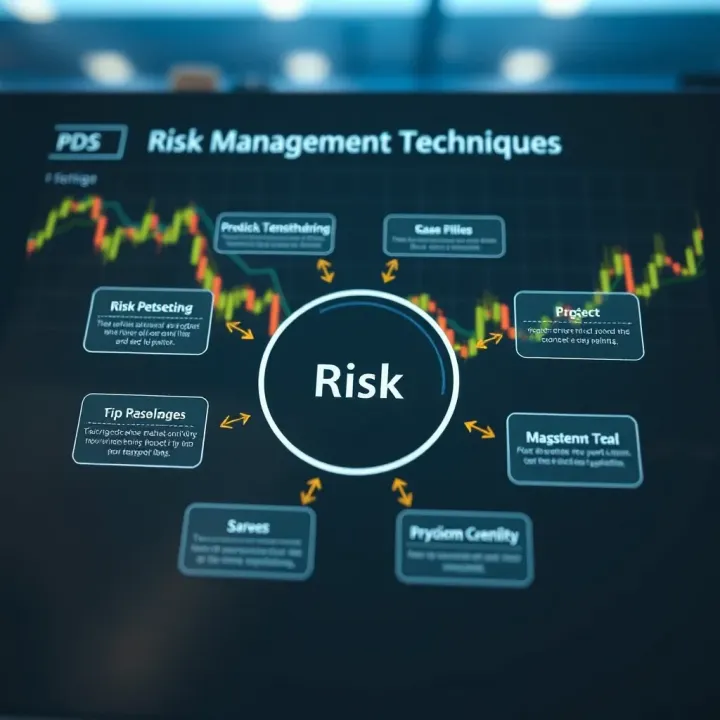
Risk management is another critical part of forex trading. Many Kenyan traders use stop-loss orders to limit losses if the market swings against their position. Consistently applying risk strategies is what separates hobbyists from profitable traders.
To boost your skills, start with PDFs that cover basics, strategies, and market analysis techniques. Local forex communities also share these materials, often translated or tailored to Kenyan economic conditions.
Understanding how to analyse both global news—like US interest rate changes—and local factors such as political developments near election time can give you an edge in predicting currency movements.
In summary, forex trading in Kenya requires reliable platforms, respect for CMA regulations, solid risk management, and access to quality learning materials like free PDFs. This guide will walk you through these essentials, making sure you trade with confidence and responsibility.
Grasping the ins and outs of forex trading is essential if you're looking to operate confidently in Kenya's growing financial scene. With the Kenyan shilling increasingly exposed to global markets and more traders entering the forex space, understanding how it works helps you navigate risks and spot opportunities specific to our market.
Definition of forex trading: Forex trading is the buying and selling of currencies in the international marketplace. Traders exchange one currency for another to profit from changes in exchange rates. For example, a trader may buy the US dollar using Kenyan shillings expecting the dollar to appreciate. This activity runs 24 hours on weekdays across global financial centres.
Major currencies traded globally: The forex market revolves around a few main currencies, notably the US dollar (USD), Euro (EUR), British pound (GBP), Japanese yen (JPY), and Swiss franc (CHF). These "majors" dominate global trades due to the size and strength of their economies. Kenyan traders often focus on pairs involving USD and EUR because these currencies influence import-export prices and foreign investment flows in Kenya.
Why forex trading attracts Kenyans: Many Kenyans are drawn to forex trading because it offers access to international markets without large startup capital. Plus, with the widespread use of mobile money like M-Pesa, it's easier to deposit and withdraw funds quickly. Forex trading can provide an additional income stream, especially for those outside formal employment or those with a knack for market analysis.
Market hours and activity: Although the global forex market runs around the clock during the week, Kenyan traders are most active during Nairobi business hours and when major markets like London and New York overlap. These periods tend to offer higher liquidity and volatility, ideal for trading opportunities.
Kenyan shilling’s role: The Kenyan shilling (KES) isn't a major traded currency on global forex platforms but plays a vital role locally. Traders often use it as the base currency when trading USD, EUR, or GBP pairs. Fluctuations in the shilling directly affect the cost of imported goods, foreign loans, and investments, making monitoring its movement crucial for Kenyan forex participants.
Local demand and opportunities: Kenya's economy, driven by agriculture, manufacturing, and services, exposes businesses and investors to currency risks. This local demand creates opportunities for forex traders to hedge risks or speculate on currency moves. Additionally, remittances from the diaspora boost USD demand, influencing forex flows and price action that savvy traders can exploit.
Understanding how forex trading intersects with Kenya’s economy and currency helps you make informed decisions. The more you know about the market's timings, key currencies, and local factors, the better positioned you are to succeed.
Key points to remember:
Forex is about currency pairs and exchange rate movements.
Major global currencies dominate trading.
Kenyan shilling influences and is affected by forex trends.
Local economic factors and remittances add trading potential.
Keep these in mind as you explore forex trading options tailored to Kenya's unique financial environment.
Understanding forex trading regulations in Kenya is vital for every trader. These rules protect investors and ensure market fairness, especially given the volatile nature of currency trading. Kenya’s regulatory framework shapes who can operate as brokers, how transactions are processed, and what legal protections or obligations traders have.
The Capital Markets Authority (CMA) acts as the main watchdog for forex trading in Kenya. It issues licences to brokers and ensures compliance with national and international standards. For example, CMA mandates transparent reporting and fair dealing to shield traders from fraud. Traders benefit from CMA’s regulation as it weeds out shady brokers and protects clients’ funds.
Kenya’s banking institutions also influence forex trading through their control of foreign currency flows. The Central Bank of Kenya (CBK) regulates currency import and export rules, affecting forex liquidity and pricing. Banks must comply with anti-money laundering laws, ensuring that forex trades are above board. This makes it necessary for traders to transact through authorised banks or brokers to avoid legal issues.
Traders must understand that failing to comply with forex laws can lead to penalties or loss of funds. For instance, trading via unlicensed brokers risks confiscation and legal action. Moreover, forex gains are subject to taxation according to Kenyan law, requiring accurate record-keeping. Knowing these legal boundaries helps traders avoid costly mistakes and operate confidently.
If you are starting as a forex service provider or broker, registering with CMA is compulsory. This licence proves your legitimacy and legal standing. For individual traders, registering with tax authorities, such as the Kenya Revenue Authority (KRA), ensures compliance on earnings and taxation matters. Not securing these licences can shut down operations and invite fines.
Only trade with brokers licensed by CMA and registered with CBK. These authorised brokers typically have clear terms of service, regulated client funds accounts, and transparent pricing. For example, brokers like Exness and HotForex maintain CMA registration certificates. Avoid brokers advertising unrealistic returns without proper licensing – these are often scams.
Many traders fall into traps by ignoring contract details or failing to follow withdrawal rules. It’s vital to read broker agreements carefully and verify any promises. Also, beware of using leverage beyond your risk appetite, as losses can escalate quickly, causing disputes. Staying within legal guidelines and verifying all paperwork prevents such pitfalls.
The key is to know the legal landscape upfront. Kenyan forex regulations may seem tough, but they’re designed to protect you and keep trading fair.
Following these regulations actively helps build a safer trading environment for everyone involved, including beginner traders seeking to grow their skills and investments in Kenya's forex market.
Access to quality resources is vital for anyone serious about forex trading in Kenya. PDF guides serve as a handy format to absorb trading concepts, strategies, and local regulations at your own pace. Especially for Kenyan traders, having up-to-date PDFs tailored to local market conditions, legal frameworks, and currency dynamics helps bridge the gap between theory and practical application.
Official publications and government releases provide valuable, trustworthy information on the rules governing forex trading in Kenya. The Capital Markets Authority (CMA) regularly publishes guidelines and notices that clarify what is allowed in forex trading and what is not. These documents also outline the rights of traders and the obligations of brokers, which is critical to know before committing real money. Getting resources directly from such authorities ensures you’re working with accurate details relevant to Kenya’s evolving market.
Reputable educational websites play a huge role in giving traders foundational and advanced knowledge in a user-friendly manner. Websites owned by recognised financial institutions, trading academies, or mainstream Kenyan financial media often provide free PDFs ranging from beginner guides to expert market analysis. These resources break down complex jargon and provide examples local traders can relate to, making them invaluable for continuous learning.
Broker-provided learning materials are another important source, especially since most brokers operating in Kenya offer free educational content to attract and retain clients. These PDFs typically include tutorials on using their respective trading platforms, introducing trading tools, and even insights into risk management strategies. However, it’s wise to cross-check with other sources to avoid broker bias or marketing spin.
Step-by-step guides for beginners walk you through the basics of forex trading, from understanding currency pairs to placing your first trade. Learning this foundation in a structured way helps prevent costly mistakes early on. For example, a Kenyan beginner can find PDFs explaining how to interpret price charts, use leverage carefully, and manage an M-Pesa-funded trading account.
Advanced strategies and market analysis resources help experienced traders deepen their understanding of technical indicators, fundamental factors, and market sentiment. These guides often include detailed case studies and chart interpretations that are crucial for informed decision-making. When such PDFs highlight scenarios relevant to African markets or emerging economies similar to Kenya, they become even more practical and actionable.
Practical examples relevant to Kenyan traders are especially helpful as they tailor general trading principles to local realities. This could be PDFs showing how to hedge against Kenyan shilling volatility or how to integrate local economic events—like CBK interest rate announcements or election periods—into your strategy. Advice on using mobile money systems like M-Pesa to fund trades or withdraw earnings also adds real value.
Reliable, tailored PDF resources build your confidence and competence in forex trading by offering clear, localised insights without overwhelming technical terms.
By consistently using these well-crafted PDFs, Kenyan forex traders can sharpen their skills and navigate the market with greater precision and control.
When trading forex in Kenya, choosing the right tools and platforms can make a huge difference. These technology solutions not only make trading smoother but also help you stay ahead of market movements. Given that Kenyan traders deal with unique challenges like currency fluctuations and local payment integration, selecting platforms tailored to these needs is key.
The top forex platforms used in Kenya, such as MetaTrader 4 (MT4), MetaTrader 5 (MT5), and cTrader, offer features that matter most to traders here. These platforms provide real-time price updates, user-friendly interfaces, and multiple order types. For example, MT4 is popular for its reliability and wide availability while cTrader appeals to those who want deeper market insight through advanced charting.
Mobile trading has become indispensable, especially for Kenyan traders who rely heavily on smartphones. Platforms supporting mobile apps allow you to trade anytime, anywhere. What stands out in Kenya is the integration of M-Pesa with some brokers, enabling quick deposits and withdrawals directly from mobile money accounts. This cuts out delays of traditional bank transfers, making trading faster and more convenient.
Security is a top concern. Trusted platforms implement strong encryption, two-factor authentication (2FA), and regular updates to keep your account safe. Ease of use also matters — platforms should be straightforward so both beginners and seasoned traders can navigate without struggling. Some brokers even provide local language support or customer service tailored to Kenyan clients.
Charting tools and technical analysis apps are crucial for spotting trends and making informed decisions. Platforms like TradingView and the built-in tools on MT4/MT5 offer a variety of indicators such as RSI, moving averages, and Fibonacci retracements. For Kenyan traders, these tools help understand market shifts, especially during volatile times such as changing regional economies or global commodity price swings.
Automated trading is gaining ground here, too. Expert Advisors (EAs) on MT4 or custom bots can execute trades based on pre-set rules, removing emotional bias. While beginners should be cautious, automated systems can handle fast-paced markets better and even trade while you focus on other activities, such as your daily hustles.
Access to up-to-date news and market updates is vital for Kenyan traders to react quickly to local and international events. Many platforms provide live news feeds from Reuters, Bloomberg, or local sources, sometimes with SMS alerts for major developments. Since the Kenyan economy is influenced by factors like weather affecting agriculture or political developments, immediate information can help protect your trades or open new opportunities.
Using the right platforms and tools tailored for Kenya’s market not only boosts efficiency but also safeguards your investments in a rapidly changing financial world.
By carefully picking your trading platform and technology, you set yourself up to trade smarter and more securely. Consider platforms with strong mobile integration, local payment support, and good security features to navigate forex trading in Kenya successfully.
Managing risks is at the heart of successful forex trading, especially in Kenya where market conditions can be unpredictable. Without proper risk management, traders can face heavy losses quickly. This section breaks down common risks you’re likely to encounter and shares practical ways to protect your investment.
Market volatility and price swings usually catch many traders off guard. Forex markets often shift rapidly due to economic news, geopolitical events, or even local developments affecting currencies like the Kenyan shilling. For instance, an unexpected change in Central Bank of Kenya policies might cause sharp price movements. Understanding this helps you avoid panic decisions during these swings.
Leverage pitfalls can be a quiet danger. While leverage lets you trade amounts bigger than your actual capital, it also magnifies losses. Many beginner traders borrow heavily, thinking they’ll multiply profits quickly, only to wipe out their accounts. For example, using 100:1 leverage on KS0,000 means you control KS,000,000, but a 1% adverse move could wipe your capital. So, small missteps become costly if you’re over-leveraged.
Scams and fraud awareness is vital too. Kenya’s forex scene has seen its fair share of fake brokers and fraudulent schemes, often promising unrealistic returns. Fraudsters may lure traders through social media or WhatsApp groups with flashy adverts. Staying alert, checking for CMA licences, and working only with authorised brokers protect you from losing hard-earned money.
Setting stop-loss orders is a straightforward way to limit potential losses by automatically closing your trade once it hits a certain unfavourable price. If you buy USD/KES at 108 and want to avoid losing more than 2%, a stop-loss will exit your position once the price drops to 105. This prevents emotional decisions during sudden market turns.
Diversifying trades means spreading funds across different currency pairs rather than focusing on one. This approach minimises risk since not all currencies behave the same way. For example, while the USD might weaken against the KES, the Euro could be strengthening. Such diversification can smooth out the bumps in your trading journey.
Using demo accounts for practice gives you a safe space to understand how forex works without risking real money. Kenyan traders can experiment with strategies and learn platform features without pressure. Many brokers, like FXPesa and EGM Securities, offer free demo accounts. Repeated practice helps build confidence before moving to live trading.
Smart risk management is less about avoiding risk completely and more about controlling how much you expose your money to at any time. Using these tips will keep your trading journey safer and more sustainable.
In summary, knowing common risks and taking practical steps like setting stop losses, diversifying, and practising on demo accounts goes a long way. These habits help Kenyan traders protect their investments amid a dynamic forex market.
📈 Discover how forex binary trading works in Kenya! Learn key strategies, legal tips, and risks to trade smart and stay informed in this volatile market.
📈 Discover top forex trading classes in Kenya! Learn market basics, choose the right course, and navigate legal tips for smarter trading success.

Explore how forex brokers operate in Kenya 🇰🇪, what to look for, trader-friendly platforms, fees 💰, regulations 📜, and smart risk management tips.
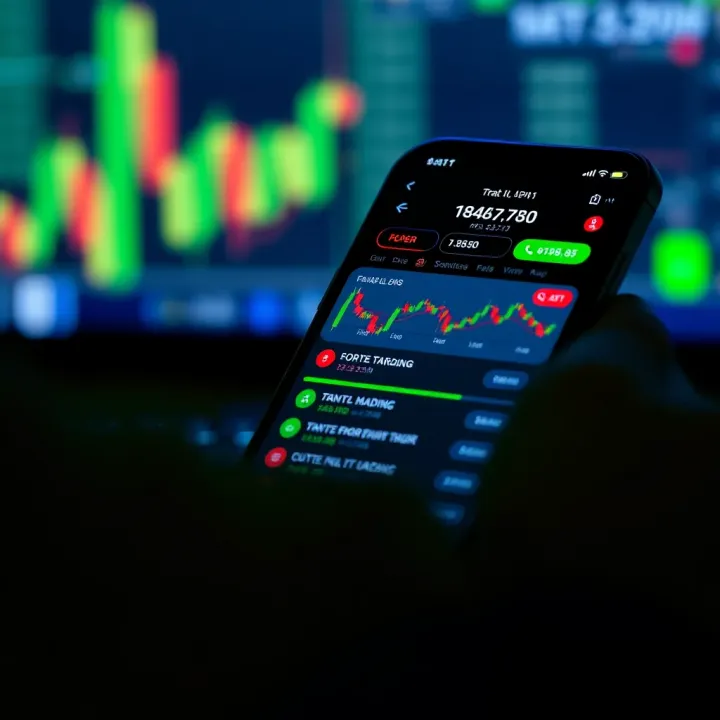
Explore top forex trading apps in Kenya 📱, compare features, security ✅, and learn how to start trading while navigating local regulations and risks.
Based on 8 reviews