
Best Forex Trading Platforms in Kenya
Explore top forex trading platforms in Kenya 🇰🇪. Learn about fees, regulations, and user experience to pick the right one and trade safely 📈💼.
Edited By
Charlotte Davies
Navigating forex trading platforms can seem tricky, especially for Kenyan traders who must consider local payment options, security, and reliable access. This guide breaks down how to access and use these platforms effectively, helping you trade confidently without unnecessary hiccups.
Most popular forex platforms like MetaTrader 4 (MT4), MetaTrader 5 (MT5), and cTrader offer straightforward login procedures but require proper setup. First, you’ll need to open a trading account with a broker licensed by the Capital Markets Authority (CMA) in Kenya or internationally regulated to safeguard your funds.
Providing valid identification such as your Kenyan ID or passport
Uploading proof of residence like a utility bill
Completing a Know Your Customer (KYC) process for compliance
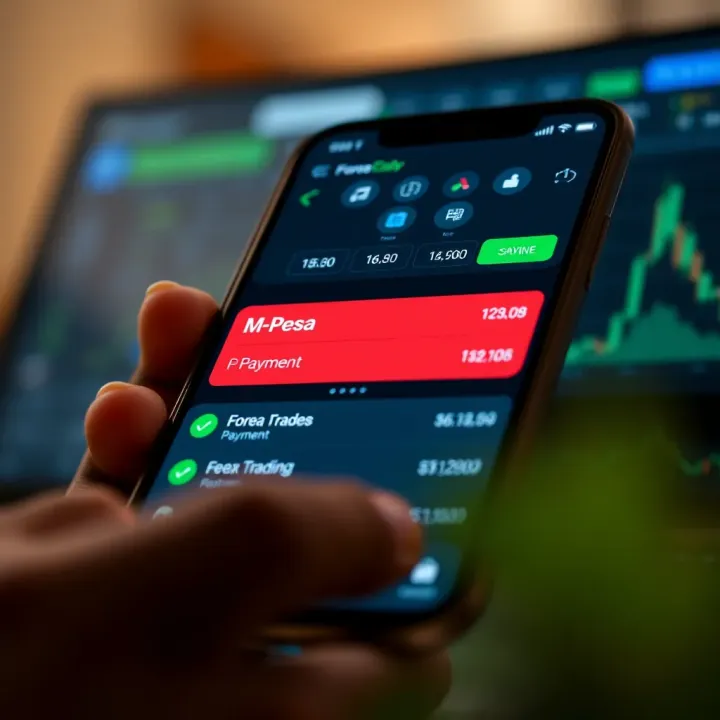
Once verified, brokers typically allow deposit via M-Pesa, bank transfers, or card payments. M-Pesa remains the most convenient and widely used method, letting you fund your trading account quickly and securely.
To avoid delays, confirm your M-Pesa Paybill or Till Number with your broker before initiating a deposit.
When logging into the platform (desktop or mobile), enter your username and password carefully. It’s common for traders to face login challenges due to incorrect credentials, internet issues, or expired passwords.
Double-check user details and reset the password using the platform’s ‘Forgot Password’ feature
Ensure your internet connection is stable; sometimes matatu internet spots can be patchy
Clear browser cache or reinstall the mobile app if using a phone
Contact customer support — reliable brokers have responsive Kenyan-based teams
On the platform itself, understand the basic layout: charts, trade orders, account balance, and market news feed. Some platforms let you switch between demo and live accounts to practise without risking real money. Demo trading is especially useful for beginners to grasp market movements and test strategies.
Remember, security is paramount. Always enable two-factor authentication (2FA) where available. Avoid using public Wi-Fi to log in, and keep your login details private to prevent unauthorised access.
With a smooth login process and secure setup, you can focus on analysing currency pairs like USD/KES or EUR/GBP and making informed trades. Subsequent sections will guide you through in-depth platform navigation, trade execution, and managing your funds in a Kenya-friendly way.
Starting a forex trading account is a fundamental step for any Kenyan trader looking to enter the currency market. It sets the foundation for securely engaging in trading activities and accessing various financial instruments. Without a properly opened account, trading cannot proceed.
When choosing a broker, Kenyan traders often look at options like HotForex, Exness, and FXTM, which serve clients locally. These brokers offer platforms compatible with mobile and desktop, and accept deposits via M-Pesa and bank transfers. Selecting a broker with a good reputation ensures your funds are secure and that trading occurs on a fair platform.
Regulations matter. Kenyan traders should prefer brokers licensed by top authorities such as the Capital Markets Authority (CMA) Kenya, the Financial Conduct Authority (FCA) UK, or Cyprus Securities and Exchange Commission (CySEC). Licensed brokers adhere to rules that protect your money and ensure transparent trading practices, so you avoid firms that might disappear overnight.
Account types vary. Brokers typically offer standard, mini, and sometimes micro accounts. Minimum deposits can be as low as KS,000 or as high as KS0,000 depending on the broker and account. Choosing the right account type affects your leverage, margin requirements, and trading costs. For example, a beginner might prefer a mini account with lower initial capital.
Creating a trading account usually involves filling an online form with basic details like full name, email, phone number, and country of residence. Kenyan traders often verify their phone numbers using SMS codes, making the process faster. Once signed up, you receive login credentials to access the trading platform.
Identification documents are necessary to comply with anti-money laundering (AML) regulations. Commonly accepted proofs of identity include a Kenyan national ID or passport, and a recent utility bill or bank statement for proof of residence. These verify you are who you claim to be and prevent fraud.
Linking mobile money services like M-Pesa significantly eases fund management. Many brokers in Kenya allow you to deposit and withdraw directly through M-Pesa, eliminating the hassle of bank queues. Say you want to start trading with KS,000; you simply transfer funds from your M-Pesa account to your trading account, making the process straightforward and accessible.
When starting out, ensure your chosen broker accepts your preferred deposit method and supports swift account verification to avoid delays in your trading activities.
Navigating the process of logging into forex trading platforms is a key step for any Kenyan trader. This section breaks down how to access these platforms on different devices and explains secure ways to enter your login information. Getting comfortable with these steps ensures you can make timely trades without unnecessary delays or security risks.
Using browser-based platforms is straightforward and convenient. Many brokers offer web platforms accessible through browsers like Chrome or Firefox on your laptop or desktop. This method saves you from installing anything, which comes handy when you need quick access from various locations, say, at home or a coffee shop. Plus, browser platforms often provide the full suite of trading tools, so you don’t miss out on anything.
Downloading and installing mobile apps is popular among Kenyan traders who value trading on-the-go. Apps from brokers like Hotforex, Saxo Bank, or FXTM let you trade directly from your smartphone, making it easier to monitor markets during matatu rides or while waiting in queues. Installation is simple—just visit the Google Play Store or Apple App Store, download the app, and log in with your details. Mobile apps usually have user-friendly layouts and push notifications for price alerts, so you stay updated anytime.
When it comes to comparing platform features and usability, Kenyan traders should pick platforms that match their trading style and tech comfort. Web versions typically offer comprehensive charting and advanced tools useful for deeper market analysis. On the other hand, mobile apps prioritise quick, easy navigation and instant notifications. Some platforms also allow syncing between web and mobile, so your settings and watchlists stay consistent. To find what fits you, try demo accounts on different platforms and see which interface feels natural.
Understanding username and password requirements helps protect your account from unauthorised access. Most brokers require a combination of letters, numbers, and special characters, reducing the risk of being hacked. Avoid obvious usernames like your full name or common passwords such as "password123". Instead, create strong credentials that are unique to each trading platform.
Using two-factor authentication (2FA) for security adds an extra shield by asking for a second verification step, often through a code sent to your mobile phone or generated by an app like Google Authenticator. This is especially useful in Kenya, where mobile money and online fraud cases have grown. Activating 2FA means even if someone guesses your password, they still can’t get into your trading account without the second code.
Managing password recovery and reset options is important in case you forget or misplace your login details. Reliable brokers provide straightforward processes, usually involving confirming your identity with your phone number or email. Some may also link recovery to your M-Pesa number to help verify you faster. Keep these details updated, so you don't get locked out when you need to act quickly in the markets.
Protecting your login information is just as crucial as having a good trading strategy. Taking simple steps like using 2FA and choosing strong passwords can save you from significant losses or hassles later on.
With these steps in mind, Kenyan traders will find it easier to access their forex accounts securely and efficiently, setting the foundation for successful trading.
In forex trading, securing your account and handling login issues efficiently are as important as making the right trade decisions. Without proper security, unauthorized access can lead to financial loss or identity theft. At the same time, understanding common login problems and how to resolve them ensures you don't miss critical market movements. This section covers essential practices every Kenyan trader should adopt for safe and smooth access.
Recognising phishing attempts and scams is vital for any forex trader. Phishing involves attackers pretending to be legitimate brokers or platforms, often through emails or SMS, to trick you into revealing your login details. For instance, you might receive an email claiming to be from your broker, asking you to confirm your password or click a suspicious link. Always check the sender’s address carefully and avoid clicking links or downloading attachments from unknown sources.
Keeping devices secure from malware protects your trading account from being compromised through hidden software. Malware can record your keystrokes or steal stored passwords. Kenyan traders should keep their mobile phones and computers updated with antivirus software and avoid downloading apps from outside official stores like Google Play or Apple App Store. Regularly scanning your device helps detect and remove any harmful programs before they cause damage.
Using secure internet connections for trading guards your data from interception. Public Wi-Fi hotspots, common in cafes or some matatu stops, are often unsecured, making it easy for cybercriminals to snoop on your activity. It's better to trade using trusted networks, such as your home Wi-Fi or mobile data. Where possible, use a Virtual Private Network (VPN) to encrypt your connection, adding an extra layer of protection even on less secure networks.
Incorrect password or username issues happen when you enter wrong credentials. This is a common problem but can result in account lockouts after multiple failed attempts. If you forget your password, use the platform's password reset feature immediately. Kenyan traders should create strong passwords that mix letters, numbers, and symbols, and consider using password managers to reduce errors.
Platform downtime and maintenance notifications may prevent you from logging in temporarily. Reliable brokers usually announce scheduled maintenance via email or on their websites. Staying alert to these notifications helps you avoid frustration. If the platform goes down unexpectedly, check official sources or social media pages to find updates. Patience is key when servers are being worked on.
Contacting customer support effectively is essential when you can't solve login troubles on your own. Before reaching out, prepare important information such as your account number, registered email, and a clear description of the issue. Many Kenyan traders find it helpful to use multiple channels—phone, live chat, or email—to get the quickest response. Knowing your broker’s support hours and having patience often speeds up problem resolution.
Staying alert to security threats and knowing basic troubleshooting keeps your forex trading experience safe and smooth. Taking these steps not only protects your funds but also contributes to your confidence during trading sessions.
Managing your trading account well after logging in is vital for productive forex trading. Once inside, you don’t just trade blindly—you need to understand your dashboard, keep track of market movements, and handle your funds securely. This control helps you react quickly to price shifts, safeguards your capital, and ensures smooth transactions.
Upon logging in, your dashboard is where all the action happens. It shows your account balance, open positions, pending orders, and recent trade history at a glance. This quick overview helps you stay on top of your trades without the need to jump between screens. For example, seeing your unrealised profits or losses right away can guide timely decisions on closing or adjusting positions.
Setting up alerts and watchlists is a simple yet powerful way to keep track of currency pairs that interest you. Instead of constant monitoring, you can set price alerts that notify you when a pair hits a specific rate. Moreover, watchlists let you group different forex pairs or commodities in one place for easy comparison. This reduces the risk of missing out on important market moves, especially when you are busy with other work or offline.
Charts and analysis tools are the heart of informed trading. Your platform often includes live candlestick charts, technical indicators like RSI or moving averages, and drawing options for trendlines. Using these tools helps identify patterns and forecast price movements. For instance, spotting a support level early can prompt you to place a buy order before the price climbs. Mastering the chart features sharpens your trading strategy and boosts your confidence in making calls.
When it comes to managing money in your account, local payment methods like M-Pesa offer straightforward access. Most brokers accept M-Pesa, bank transfers, or even card payments, making deposits and withdrawals convenient for Kenyan traders. For example, depositing KSh 10,000 through M-Pesa often reflects almost instantly on your trading account, which means you can get into the market quickly.
Understanding fees and processing times avoids surprises during transactions. While depositing money into your trading account usually has minimal fees, withdrawing profits might attract charges depending on the broker or your bank. Also, bank transfers may take up to 3 business days, whereas M-Pesa withdrawals tend to be faster. Knowing these details helps you plan your cash flow and prevent frustrations when expecting payouts.
Updating your account details, such as bank information or phone numbers, should be done securely within the platform. Most brokers require two-factor authentication before permitting these changes to avoid fraud. Always double-check the new details you enter and avoid public Wi-Fi while updating sensitive information. This extra caution ensures your funds stay protected and transactions go through without hiccups.
Effective account management after login is about control and security. Using your dashboard tools well and handling funds carefully creates a solid foundation for successful forex trading in Kenya.
Successful forex trading depends not only on market knowledge but also on managing your trading account efficiently and securely. This means adopting habits that protect your login credentials and keep you informed about your trades. Taking care of these details helps avoid financial loss, delays, or even fraud. For Kenyan traders, who often rely on mobile platforms and M-Pesa payments, maintaining strong security and organised record-keeping is vital.
Regularly updating passwords is a straightforward but effective way to enhance your account's security. Make a habit of changing your password every one to two months and use a strong mix of letters, numbers, and symbols. For example, combine a memorable phrase with numbers related to a personal event. This reduces the risk if someone compromises your credentials through phishing or malware. Avoid using the same password across different platforms – it only increases vulnerability.
Logging out properly after sessions prevents others from accessing your account if you share devices or if your device gets lost or stolen. Always use the platform's logout feature instead of just closing the browser or app. For instance, if you trade on a mobile app in a busy café or at a cybercafe, logging out closes your session entirely. This practice keeps hackers and curious bystanders from sneaking into your account and making unauthorised trades.
Avoiding public or shared computers is a rule every trader should follow. Public computers – such as those in internet cafes or libraries – often have weak security and may contain keyloggers or malware. Even if the computer looks safe, it could save your login details unintentionally for others to access. The safest route is to use your personal device or at least ensure the system is clean and you log out fully after use. Kenyan traders often rely on mobile devices; when you have no choice but to use public computers, clear all browsing data and never save passwords.
Using built-in report tools available on most trading platforms helps you keep a clear record of your transactions, profits, losses, and fees. These tools often provide downloadable monthly or weekly reports for easy review. For example, if you notice strange fees or unexplained losses, reports make it easier to identify when and what happened. Taking advantage of these features simplifies tax preparation or HELB loan applications if you trade to support studies.
Monitoring account balances and open positions regularly can prevent nasty surprises. Checking your available funds and active trades daily lets you react quickly to adverse market movements or technical issues. Say you spot an open position accumulating losses beyond your risk tolerance – timely response can stop bigger losses. Kenyan traders can set alerts on their platforms to notify them via SMS or email whenever balances drop below a certain threshold.
Logging important events for reference gives you a personal audit trail outside the platform. Keep a small journal or digital note of key trades, deposit and withdrawal dates, login issues, or communication with customer support. This habit helps resolve disputes and track your performance over time. For instance, if a deposit via M-Pesa takes longer than usual or a login glitch happens, noting the date and details assists when you follow up with the broker.
Protecting your trading account and maintaining accurate records are two sides of the same coin. Together, they build trust and confidence whether you’re a new or seasoned Kenyan forex trader.
These practical tips will keep your trading experience both efficient and safeguarded, giving you more time to focus on the market rather than worrying about avoidable errors or security risks.
Explore top forex trading platforms in Kenya 🇰🇪. Learn about fees, regulations, and user experience to pick the right one and trade safely 📈💼.
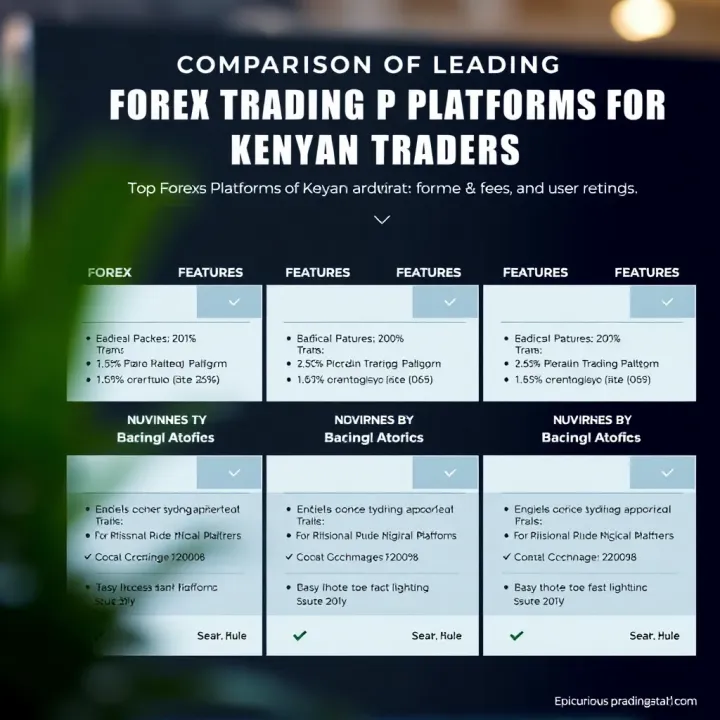
Discover top forex trading platforms perfect for Kenyan traders 🌍. Compare fees, features & ease of use. Start trading confidently with local tips and support 📈💼.
Discover the top forex trading platforms for Kenyan traders 🇰🇪 Explore usability, costs, compliance, and tools to find the best fit for your trading needs 📊💹
Explore top forex trading platforms in Kenya 🔍. Compare features, security, costs, and user feedback to choose the best option for local traders 🇰🇪.
Based on 10 reviews