

Best Forex Trading Platforms in Kenya
Explore top forex trading platforms in Kenya 🇰🇪. Learn about fees, regulations, and user experience to pick the right one and trade safely 📈💼.
Edited By
Henry Morgan
Choosing the right forex trading platform is key for Kenyan traders looking to tap into the global currency market. The market runs 24/5, offering opportunities from London to New York while allowing you to trade conveniently from Nairobi or Mombasa. However, not all platforms fit the Kenyan context, especially considering local payment methods like M-Pesa and regulatory factors.
Traders here need platforms that support easy deposits and withdrawals using mobile money or Kenyan banks, plus handle shilling accounts or offer competitive forex conversion rates. Look out for low fees—a high spread or commissions can quickly eat into profits. Plus, user experience matters: a cluttered interface or slow platform can frustrate even experienced traders.
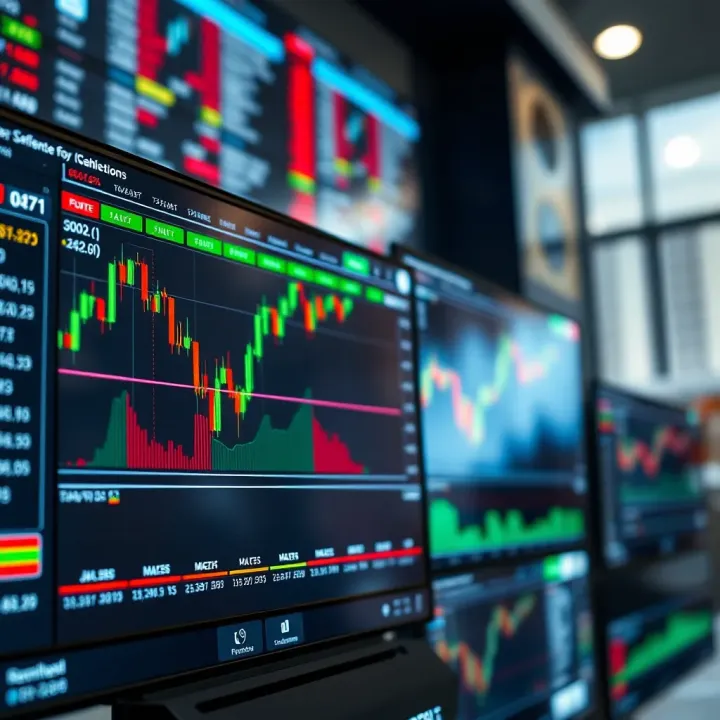
Important features to consider include:
Regulation: Platforms licensed by recognised bodies (like FCA, CySEC) ensure better security. While Kenya’s Capital Markets Authority (CMA) is still growing in forex regulation, working with authorised brokers linked to international regulators adds a layer of trust.
Trading Instruments: Access to major currency pairs like USD/KES, EUR/USD, and minor ones gives flexibility. Some platforms offer commodities and indices alongside forex, useful for portfolio diversification.
Ease of Use: A simple interface with responsive mobile apps works better for busy Kenyan traders often on the go.
Educational Support: Beginners benefit from platforms offering free tutorials or demo accounts to practise before risking real money.
Customer Support: Round-the-clock help, preferably with Swahili or English-speaking agents, can save you time during critical trades.
For Kenyan traders, integration with local payment options and clear withdrawal processes can make or break your trading experience.
Overall, selecting a forex trading platform isn’t about finding the flashiest tool but one that fits your trading style, budget, and local realities. This article will compare well-known platforms that tick these boxes and offer practical guidance to get you started.
Next, we’ll look at specific platforms popular among Kenyan traders and how their features stack up against local needs.
Selecting a suitable forex trading platform makes a big difference in the success and safety of your trading activities. The right platform not only determines how easily you access the market but also impacts your costs, speed of trade execution, and the tools available to analyse currency pairs. For Kenyan traders, this matters a lot because local conditions influence which platforms serve you best.
Forex trading in Kenya has grown rapidly, thanks to wider internet access and mobile technology. However, barriers like limited financial literacy and concerns about scams mean Kenyans need platforms that are transparent and easy to use. Access isn't just about whether the platform is online; the availability of local language support, educational materials, and customer care matters greatly. In Nairobi, Mombasa or Kisumu, traders can join the global market from their phones but must choose platforms that reflect their needs.
M-Pesa plays a central role in funding forex accounts for many Kenyans, since bank transfers can be slow and more expensive. Platforms that allow deposits and withdrawals via M-Pesa make trading more convenient and reduce delays in capitalising on market opportunities. For example, if you spot a sudden drop in the USD/KES rate, you want a quick way to fund your account and start trading immediately. Without efficient integration with mobile money, traders may miss out on timely trades.
Regulation offers protection from fraud and ensures your funds are safeguarded. Kenyan traders should look for platforms regulated by reputable bodies, such as the Capital Markets Authority (CMA) in Kenya or international regulators like the Financial Conduct Authority (FCA) in the UK. For instance, a CMA-regulated platform complies with local laws, providing an extra layer of trust. Without proper regulation, you risk losing your money to unscrupulous operators.
A clear and user-friendly interface helps you make informed decisions quickly. Platforms offering intuitive charts, indicators, and real-time data reduce errors and enhance your trading performance. If you’re using mobile or desktop, the platform should load fast and respond smoothly. Tools such as technical analysis indicators, economic calendars, and risk management features come in handy for both beginners and experienced traders.
When choosing a platform, be mindful of all costs involved. These include spreads (the difference between buy and sell prices), commissions per trade, and any withdrawal fees. Some platforms advertise “zero commission” but compensate with wider spreads, increasing your trading costs. Compare platforms with transparent fee structures. For example, a spread of 1.2 pips on EUR/USD versus one at 0.8 pips can mean significant savings over many trades.
Besides major forex pairs, a good platform offers a variety of instruments including commodities, indices, and cryptocurrencies. This flexibility allows you to diversify your trading portfolio and reduce risk. A platform limited only to forex pairs might not serve traders looking to explore other markets. Kenyan traders often benefit from platforms offering local currency pairs like USD/KES to tap into familiar market dynamics.
Choosing the right trading platform is more than picking software; it’s about finding a dependable partner that fits your trading style, offers fair costs, supports local payment methods, and protects your investments.
Choosing the right forex trading platform is vital for Kenyan traders who want a smooth, efficient experience with access to the right tools and favourable trading conditions. This section introduces the leading platforms that cater well to Kenya's market, pointing out their features and practical benefits. Understanding these platform profiles helps you match your trading style and needs with a suitable broker.
Ease of account opening is a key factor for Kenyan traders, especially beginners. Platforms that offer a straightforward sign-up process with minimal paperwork save time and avoid unnecessary hassle. For example, platforms that accept digital KYC (Know Your Customer) documents or integrate with Kenya's eCitizen ID system can speed up verification. This allows you to start trading without long waits or complicated steps.
Leverage options let traders amplify their position size, but the right balance matters. Kenyan traders should look for platforms providing flexible leverage levels depending on their risk appetite and regulatory restrictions. For instance, a trader might choose a 1:100 leverage to increase potential gains but must be aware of the higher risks. Trusted platforms clearly disclose leverage rules and offer settings to adjust it according to your comfort.
Spreads and commissions directly affect your trading costs. Platforms with tighter spreads and lower commissions typically provide better value, especially for frequent traders. A platform offering, say, a typical EUR/USD spread of 1.2 pips without hidden fees will be more attractive than one charging wider spreads plus commissions. For Kenyan traders, knowing the full fee schedule upfront helps avoid surprises and manage costs effectively.
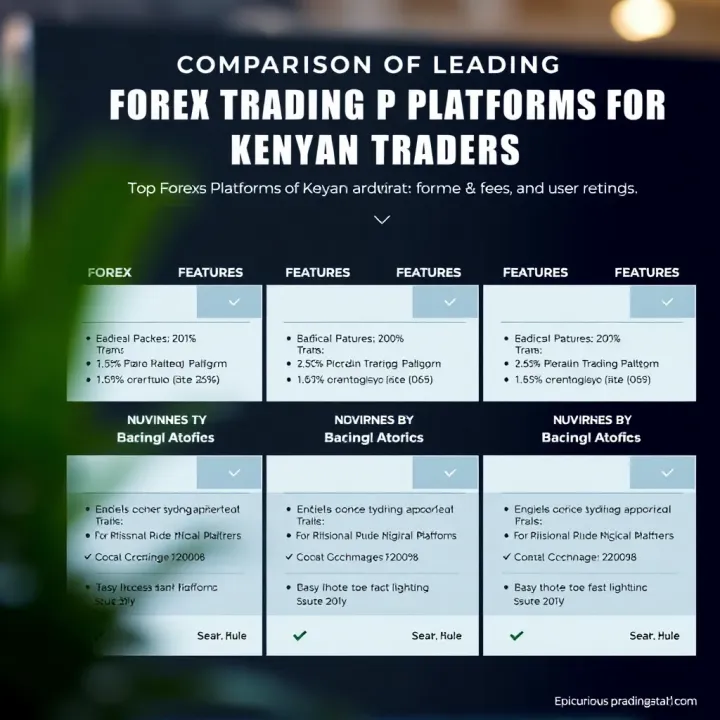
Availability of demo accounts is crucial for testing strategies and familiarising yourself with the platform before risking real money. Demo accounts provide virtual funds to practice trades under live market conditions. Leading platforms offering reliable demo accounts enable Kenyan traders to build confidence and learn without financial risk, making it a must-try feature.
MetaTrader 4 (MT4) and MetaTrader 5 (MT5) are among the most popular trading platforms globally and in Kenya. MT4 is prized for its user-friendly interface and wide community support, making it great for beginners and experienced users alike. MT5 builds on MT4 with more advanced charting tools and additional instruments like stocks and commodities, suitable for traders wanting more variety.
ForexTime (FXTM) offers competitive spreads and strong local support for Kenyan traders. It also supports M-Pesa deposits, making funding convenient. Plus, FXTM provides various account types, including micro and zero-spread options, fitting different trading styles — from newcomers to professionals.
HotForex is known for its flexible leverage, wide asset range, and educational resources, which help Kenyan traders improve their skills. It provides both standard and PAMM accounts, catering to investors and money managers. HotForex's platform access via MT4 and MT5 enhances its appeal.
IG Markets has a solid reputation and is regulated globally, offering transparency and security. Its platform combines ease of use with powerful tools, while providing access to extensive market analysis and educational content. For Kenyan traders looking for a robust, reliable broker with professional-grade features, IG Markets is a strong contender.
Exness stands out for its quick account verification and zero minimum deposit options, ideal for Kenyans starting small. Its tight spreads, fast execution speeds, and 24/7 customer support make it popular among active traders. Exness also supports M-Pesa and offers flexible leverage, adding to its local suitability.
Profiling these platforms helps Kenyan traders make informed decisions, focusing on what really matters: cost, support, ease, and reliability. Picking the right platform is half the win in a market that can shift fast.
The technology behind forex trading platforms is vital for Kenyan traders because it directly affects how efficiently they can trade and manage their investments. Fast, reliable platforms ensure that trades execute smoothly even with the unpredictable fluctuations in currency markets. Considering Kenya's growing mobile internet use, technology must blend accessibility with sophisticated tools to suit both small-scale and experienced traders.
Compatibility with Android and iOS devices is a big deal in Kenya due to the dominance of smartphones. Most Kenyan traders prefer using mobile devices, especially Android phones, so platforms that offer seamless apps on Android and iOS communicate well with local traders’ habits. For example, MetaTrader apps closely support both platforms, allowing traders to monitor markets, place orders, and manage accounts on the move — essential for staying ahead in volatile forex markets.
Beyond convenience, such mobile apps often rely on optimised data use, which saves on internet costs, a major consideration for many Kenyan users. The ease of receiving push notifications for price alerts or trade confirmations keeps traders informed in real-time, even out of a desktop setting.
Desktop software capabilities remain essential for Kenyan traders who demand more analysis power and complex order management. Platforms like MetaTrader 4 and MetaTrader 5 offer desktop applications with advanced charting tools, custom indicators, and multiple windows for monitoring different currency pairs simultaneously. The desktop version supports faster execution speeds and more reliable connectivity, important when the stakes are high.
For professional traders or those serious about full-time forex trading, desktop platforms allow deeper technical analysis and automated trading bots integration. This helps them make precise decisions and react quickly to market trends, which mobile apps alone might not fully support.
Use of M-Pesa and bank transfers is a non-negotiable for Kenyan forex traders. M-Pesa dominates payments and has become the go-to solution for depositing funds into trading accounts. Many leading forex platforms now integrate M-Pesa directly, allowing deposits and withdrawals without complicated bank procedures. This integration accelerates fund transfers, minimises fees, and enhances trust among Kenyan traders who might hesitate to use international payment methods.
Similarly, bank transfers through local banks like Equity Bank and KCB remain vital for traders preferring traditional payment rails or larger transactions. Platforms that provide clear instructions and support for bank deposits tend to gain more Kenyan users due to ease of access and transparency.
Withdrawal and deposit processes on these platforms need to be straightforward, quick, and cost-effective for Kenyan traders to continue trading without cashflow interruptions. A smooth process means traders can fund their accounts within minutes using M-Pesa or receive their profits promptly. Delays or hidden charges can discourage users, especially new traders who may have smaller margins.
Platforms like ForexTime (FXTM) and Exness have streamlined these processes with clear timelines and customer support in Kenyan time zones. This level of customer care reassures traders and encourages them to trade actively, knowing their funds are secure and accessible.
For Kenyan traders, technology is more than just software—it connects daily realities, like mobile money and data costs, with the demands of global forex markets. Choosing platforms that understand this local context can make all the difference in a trader’s success and peace of mind.
Understanding the fees and charges associated with forex trading platforms is essential for Kenyan traders. These costs directly impact your profits and can add up quickly if you’re not careful. Knowing what to expect helps you pick a platform that suits your trading style and budget.
The spread is the difference between the bid (selling) price and the ask (buying) price of a currency pair. This is often the main cost traders pay when opening positions. For example, if the EUR/USD pair has a bid price of 1.1000 and an ask price of 1.1002, the spread is 2 pips. The narrower the spread, the cheaper it is to trade.
Many platforms advertise low spreads, but these can widen during volatile periods such as major economic releases. Kenyans trading forex should look for platforms offering consistently tight spreads to keep costs low, especially if they trade frequently.
Some brokers charge a fixed commission on each trade, usually per lot traded, instead of relying solely on spreads. For instance, Exness charges commissions on certain account types rather than widening spreads.
This setup can be beneficial for high-volume traders as commissions may be cheaper than wide spreads. However, beginners trading smaller amounts should check if commissions push their total costs high.
Swap or rollover fees apply when you hold a position overnight. This is the interest paid or earned based on the interest rate differential between the two currencies in a pair. For example, holding a USD/JPY position overnight can either credit or debit your account depending on which currency has a higher interest rate.
Swap fees may seem small but can add up over time for positions held longer than a day. Kenyan traders should consider these charges, especially if planning longer-term trades.
Depositing and withdrawing funds can sometimes attract charges, particularly when using certain payment methods or dealing with currency conversions. For instance, some forex brokers may deduct a small fee for M-Pesa deposits or withdrawals.
It’s important to clarify these fees beforehand since they affect the net amount you can trade with or cash out. Platforms with free or low-cost deposit and withdrawal processes tend to be more user-friendly for Kenyan traders.
Selecting a platform with consistently low spreads can greatly reduce trading expenses. For example, MetaTrader platforms often have brokers offering spreads as low as 0.1 pips on pairs like EUR/USD.
Choosing such a platform benefits day traders and scalpers who open and close many trades daily. Make sure you check how spreads behave during news events, as some platforms might widen spreads significantly, increasing trading costs.
Besides the commonly advertised fees, some platforms have hidden costs like inactivity fees, overnight account maintenance charges, or withdrawal minimums. For example, a broker might charge a fee if your account remains dormant for several months.
Kenyan traders should carefully read the fee structure to avoid surprises that eat into profits. Always ask customer support for a breakdown of all possible charges before committing funds.
Knowing the real cost of trading upfront ensures you don’t get caught off guard by unexpected fees. A clear understanding helps you choose platforms that keep your expenses in check and protect your hard-earned KSh.
Trading forex in Kenya starts with setting up an account on a reliable platform. This step is critical because deciding which platform to open your account on shapes your trading experience, costs, and access to markets. It also ensures compliance with regulations, especially since Kenyan traders must navigate local rules alongside international brokerage requirements. Understanding how to open and verify a forex account helps you avoid delays when you want to start trading and protects you from scams.
When opening a forex account in Kenya, brokers usually ask for standard documents to verify your identity and address. Typically, this includes a valid Kenyan national ID or passport and a recent utility bill or bank statement (dated within the last three months). These documents help brokers comply with Know Your Customer (KYC) laws designed to prevent fraud and money laundering.
For example, if you use Safaricom’s M-Pesa account to fund your trading wallet, brokers need to confirm that the account belongs to you. Providing clear and legit documents speeds up the account opening process, letting you trade sooner rather than later.
Once you've submitted your documents, the broker performs a verification check. This process can take from a few hours to several business days depending on the broker's efficiency. Verification isn’t just a formality; it protects both your funds and the broker from fraudulent activities.
After verification, you’ll often receive confirmation via email or through the broker’s app. Some platforms might also require you to take a short video or selfie as part of a more thorough security check. This step confirms you’re the actual person behind the documents and adds another layer of security.
Before investing real money, it’s wise to try out demo accounts offered by most brokers. Demo accounts let you trade with simulated money in real market conditions. This helps you get comfortable with the platform’s tools, charting features, and order execution without risking your cash.
For instance, a new trader in Nairobi can test whether the platform’s mobile app feels responsive during busy trading hours or if the interface is easy to navigate. Demo trading also helps you practise your trading strategies and understand how leverage affects your position sizes.
Choosing a platform with strong customer support and educational materials matters a lot, especially if you’re just starting out. Look for brokers that offer responsive local support via phone, chat, or WhatsApp because forex trading questions can come up at any time.
Besides support, platforms with well-organised education sections—webinars, videos, articles—help build your skills. For example, ForexTime (FXTM) and HotForex provide free tutorials tailored to new traders, covering topics from basic forex terms to risk management strategies. Good education resources increase your chances of long-term success.
Opening a forex account right and using platforms with solid verification, demo options, and helpful support makes trading safer and more manageable for Kenyan traders.
Starting your forex trading journey with these steps sets a firm foundation to trade confidently and securely.
Explore top forex trading platforms in Kenya 🇰🇪. Learn about fees, regulations, and user experience to pick the right one and trade safely 📈💼.
Discover the top forex trading platforms for Kenyan traders 🇰🇪 Explore usability, costs, compliance, and tools to find the best fit for your trading needs 📊💹

Explore top forex trading platforms in Kenya 🔍. Compare features, security, costs, and user feedback to choose the best option for local traders 🇰🇪.

Explore top forex trading apps for Kenyan traders 📱. Learn to choose safe platforms, spot key features, and boost your trading skills effectively.
Based on 12 reviews