
How Forex Trading Works: A Clear Guide
📈 Discover how forex trading works, from currency pairs and pricing to trading platforms, key strategies, and risks. Gain practical insights for Kenya’s financial market.
Edited By
Charlotte Hughes
Forex trading involves the buying and selling of currencies on the foreign exchange market, commonly called the forex market. This market is the largest and most liquid in the world, with daily trading volumes surpassing US$6 trillion. In practical terms, forex trading means exchanging one currency for another, hoping to profit from changes in their value.
Unlike stock markets, forex operates 24 hours a day during weekdays, opening Monday morning in Asia and closing Friday evening in New York. This continuous nature allows traders to respond swiftly to global events, from interest rate announcements by the Central Bank of Kenya (CBK) to geopolitical developments affecting currencies elsewhere.

Currency pairs form the backbone of forex trading. For example, the USD/KES pair shows how many Kenyan shillings you need to buy one US dollar. If you expect the shilling to weaken against the dollar, you might buy USD/KES expecting to sell at a higher price later. Conversely, if you anticipate the shilling strengthening, selling USD/KES could be profitable.
"Forex trading demands understanding market trends, global economic indicators, and a clear strategy to manage risks effectively."
Kenyan traders often use local platforms integrating mobile money services like M-Pesa for deposits and withdrawals, making forex more accessible. However, trading in forex carries risks, including high volatility and leverage, which can amplify losses as much as gains.
Here are some key points about how forex trading works:
Market participants: These include banks, financial institutions, corporations, brokers, and individual traders.
Trading methods: Spot transactions (immediate exchange), forwards (agreements to exchange at future dates), and derivatives like options and futures.
Leverage: Many brokers offer leverage, meaning you can control a large position with a small amount of capital, increasing both potential profits and losses.
Understanding these basics gives you a foundation to explore deeper strategies, risk management tools, and practical trading steps suitable for Kenyan traders.
Trading forex is not a quick-rich scheme but a skill that develops with study, practice, and disciplined decision-making.
Grasping the basics of forex trading is essential for anyone looking to enter the foreign exchange market. This knowledge helps traders make informed decisions, understand risks, and spot opportunities to turn profits. For instance, a Kenyan trader who comprehends how currency pairs work can better anticipate market moves during regional economic shifts, such as changes in oil prices affecting the shilling.
Forex trading involves buying one currency while simultaneously selling another. It is the global market where currencies are exchanged, and prices are determined by supply and demand. Unlike stock markets, forex operates 24 hours across various international centres, making it flexible for traders worldwide.
Currencies are always traded in pairs, like the US dollar against the Kenyan shilling (USD/KES). The first currency in the pair is the base currency, and the second is the quote currency. If USD/KES moves from 110 to 112, it means the shilling has weakened because it now takes more shillings to buy a dollar. Understanding this pairing system is crucial since it directly affects a trader’s potential profit or loss.
The forex market is massive, with a daily trading volume exceeding $6 trillion, making it the largest financial market globally. This immense scale ensures high liquidity, allowing traders in Kenya to enter or exit positions with relative ease. Its size also reflects the continuous flow of currency conversions required for international trade and investment.
Main players in the forex market include central banks, commercial banks, multinational corporations, hedge funds, and retail traders. For instance, the Central Bank of Kenya occasionally intervenes in the forex market to stabilise the shilling. Likewise, multinational companies trading goods between countries must convert currencies, influencing market demand.
The forex market impacts the global economy by affecting prices of goods, services, and investments. A weaker local currency can raise import costs, contributing to inflation, while a stronger currency might ease it but hurt export competitiveness. For Kenyan businesses relying on imported raw materials, fluctuations in forex rates influence their production costs and pricing strategies directly.
Understanding these dynamics helps traders not just speculate but appreciate how forex changes ripple through the economy, impacting jobs, prices, and growth.
By knowing what forex trading entails and recognising the forces driving the market, traders can develop better strategies and manage risks more effectively.
Understanding how forex trading operates is essential for anyone serious about participating successfully. It breaks down the practical mechanics behind currency buying and selling, helping traders make informed decisions and manage risks effectively. Knowing these core elements allows you to spot opportunities and avoid common pitfalls in the forex market.
At the heart of forex trading are the bid and ask prices, which represent the current prices at which a currency can be sold or bought, respectively. For example, if the EUR/USD pair shows a bid price of 1.1500 and an ask price of 1.1503, it means you can sell euros at 1.1500 US dollars or buy euros at 1.1503 US dollars. The difference between these prices can affect your profit margin.
The spread is the gap between the bid and ask prices, acting like a hidden fee for traders. In liquid pairs like USD/KES or EUR/USD, spreads tend to be tighter, often just a few pips (the smallest price movement unit), which means lower costs for trading. Wider spreads usually indicate less liquid markets or higher risks, so always check this before entering a trade.
Leverage and margin are tools that allow you to control a larger trade size with a smaller amount of money. For instance, a leverage of 1:100 means with KS0,000 in your account, you could trade up to KS,000,000 worth of currency. While leverage can amplify profits, it also increases potential losses, so understanding margin requirements and having a solid risk management plan is key.
Accessing the forex market nowadays is mostly done through online trading platforms provided by brokers. These platforms connect you directly to the market, allowing you to place trades instantly from your computer or mobile device. In Kenya, reliable access often depends on stable internet and selecting brokers offering smooth M-Pesa integration for deposits.
Popular platforms include MetaTrader 4 (MT4), MetaTrader 5 (MT5), and proprietary apps from brokers like FXPesa or Exinity Kenya. These tools offer live price feeds, order execution, and account management all in one interface, making them practical for beginners and seasoned traders alike.
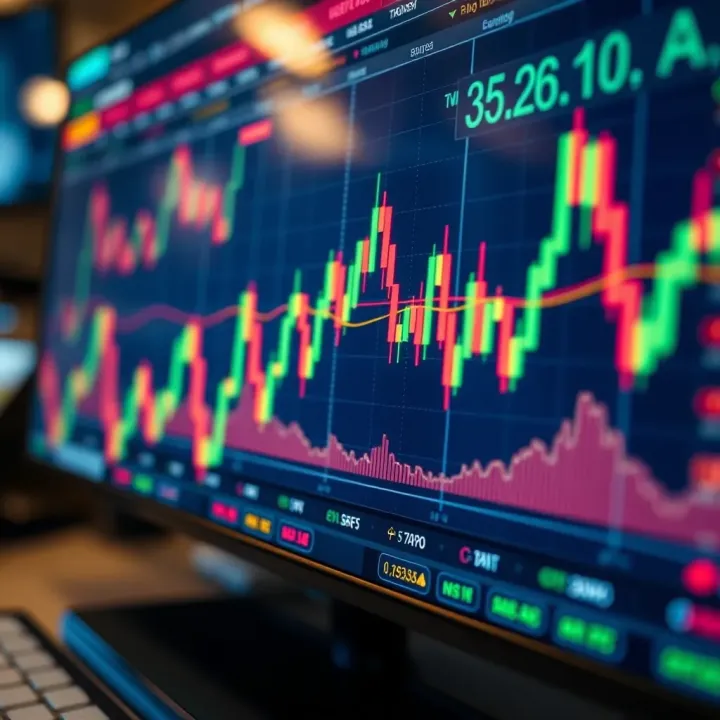
Charts and analysis tools are vital for studying price movements and planning trades. You’ll find features like candlestick charts, moving averages, and technical indicators that help identify trends or reversal points. Using these tools wisely can give you an edge, whether you're focusing on short-term scalps or longer-term swing trades.
Colours, patterns, and timing on charts often tell the story of price action more clearly than news headlines, so knowing how to read them is essential for your trading success.
By understanding these key aspects—how trades are priced, the costs involved, and the tools to access and analyse the market—you build a strong foundation. This knowledge turns trading from guesswork into a strategy-based endeavour, tailored to your financial goals and tolerance for risk.
Forex trading strategies help traders decide when to buy or sell currencies. Picking the right strategy depends on your time availability, risk appetite, and market understanding. Knowing different approaches lets you align trading with your lifestyle, whether you prefer quick moves or steady growth.
Day trading basics: Day trading involves opening and closing trades within the same day. Traders avoid holding positions overnight to limit exposure to unexpected market news or events. For instance, a Nairobi-based trader might scan currency pairs like USD/KES during Kenyan market hours, using small price movements to earn profits multiple times a day. Day trading requires quick decision-making and access to real-time data because the market moves fast.
Scalping technique overview: Scalping takes day trading further by focusing on very short trades, sometimes lasting seconds to minutes. Here, traders target tiny price fluctuations, aiming for many small wins that add up. It’s like catching small fish in a busy market rather than waiting for a big catch. Scalping demands constant attention and fast order execution, often done via mobile apps or platforms like MetaTrader, common among Kenyan traders who want quick results without long waits.
Swing trading: Swing trading holds positions for several days to weeks, aiming to profit from medium-sized price swings. This method suits those who can’t watch the market all day but still want more active trades than position trading. A trader might analyse weekly chart patterns or economic reports, such as inflation figures released by Kenya’s Central Bank, to predict the direction of a currency pair like EUR/USD, then hold their trade accordingly.
Position trading explained: Position trading is the slowest style, focusing on long-term trends over months or even years. The trader ignores daily market noise, holding trades based on strong economic fundamentals. For example, a Kenyan investor bullish on Kenya’s economic growth might buy KES against major currencies and keep the position long-term. This approach requires patience and a good grasp of global economics but tends to have lower stress since trades aren't constantly monitored.
Choosing a trading strategy that fits your schedule and goals can make a big difference in how you manage risk and profits. The best traders often master one or two styles rather than switching randomly.
Whether you decide to scalp during lunch breaks or hold positions while running a duka, understanding these approaches is key to successful forex trading in Kenya.
Forex trading offers many opportunities but also comes with significant risks. Understanding these risks helps traders make informed decisions and protect their investments. This section looks at the main challenges faced in forex trading, focusing on market volatility, geopolitical impacts, and risk management strategies.
Currency prices can swing rapidly due to various factors, making forex markets highly volatile. Causes of these swings include economic reports such as inflation data or interest rate announcements which influence traders’ perceptions of a currency’s value. For example, if the Central Bank of Kenya raises interest rates unexpectedly, the Kenyan shilling may strengthen quickly against other currencies as investors rush to benefit from higher returns.
Geopolitical events also add unpredictability. Sudden political unrest, elections, or conflicts can cause sharp currency fluctuations. An example is when tensions around the US-China trade deals affect the US dollar and Chinese yuan, impacting forex traders worldwide. Staying aware of these events is vital to avoid surprises that can lead to large losses.
Using stop-loss orders is one of the most straightforward ways to control losses. A stop-loss instructs your trading platform to sell a position automatically if the price hits a certain level, limiting downside risk. For example, if you buy euros at KS20, you could set a stop-loss at KS17 to avoid losing more than you are comfortable with if the price falls.
Understanding the risk-reward ratio helps traders make better decisions. This ratio compares the potential loss against the expected gain on a trade. A ratio of 1:3 means you risk KS to potentially gain KS. A good risk-reward helps keep losses manageable while winning trades compensate sufficiently, which is essential for long-term success.
Avoiding over-leverage is key to preserving capital. Leverage allows traders to control a large position with a small deposit but also magnifies losses. For instance, a 100:1 leverage means a KS,000 margin controls KS00,000 in currency. While tempting, if the market moves against you, losses can easily wipe out your investment. Kenyan traders should use leverage cautiously, matching it to their experience and risk capacity.
Effective risk management is not just about avoiding losses but also about growing your trading capital steadily and sustainably.
In sum, forex trading carries real risks linked to market behaviour and external events. By using tools like stop-loss orders, understanding risk-reward dynamics, and keeping leverage in check, traders can reduce the chance of major setbacks and improve their chances of steady gains.
Starting forex trading in Kenya comes with specific considerations you should keep in mind. The local financial environment, available payment methods like M-Pesa, plus regulatory requirements make it different from other markets. Knowing how to begin wisely will help you avoid common pitfalls and set a solid base for trading success.
Kenyan forex traders should prioritise brokers licensed by the Capital Markets Authority (CMA). The CMA regulates brokers operating in Kenya to protect investors from fraud and malpractice. Working with a CMA-approved broker means your deposits are safer, and you benefit from dispute resolution channels available locally. For example, brokers with CMA licences must follow local rules on transparency and client fund protection.
Beyond regulation, look for a broker with a good reputation, transparent fees, and prompt customer support. A reliable trading platform and clear account terms are vital. It's worth checking reviews from Kenyan traders, as user experience in your region often differs from global feedback. Also, consider whether the broker offers relevant African currency pairs and supports key payment systems like M-Pesa.
Forex brokers usually offer several account types tailored for beginners and experienced traders. Some accounts have low minimum deposits and limited leverage to protect novices, while others offer more features for active traders. Choose one that matches your trading style and capital.
In Kenya, funding your forex account has become easier with mobile money services like M-Pesa. Most brokers now allow deposits and withdrawals via M-Pesa and bank transfers, eliminating the hassle of international wire transfers and high bank charges. For instance, sending KSh 10,000 from your Safaricom line to a broker's M-Pesa till number can credit your account within minutes, allowing you to start trading faster.
Before risking real money, use demo accounts offered by brokers. These simulate live trading with virtual funds and real market prices, letting you practise without losing cash. This experience helps you understand market movements, test strategies, and get familiar with trading platforms.
Kenya also offers local educational resources, such as forex trading courses organised by brokerage firms or investment clubs in Nairobi and Mombasa. These often cover technical analysis, risk management, and platform operation in easy-to-understand language. Besides, online resources from CMA or financial literacy programmes provide vital insights specific to Kenya's market context.
Starting forex trading without proper preparation or using an unregulated broker increases risk significantly. Taking time to choose wisely and practise first saves you money and frustration in the long run.
By focusing on these steps tailored to Kenya's specific setup, you set yourself up for a smoother entry into the forex market and increase your chances for sustainable results.
📈 Discover how forex trading works, from currency pairs and pricing to trading platforms, key strategies, and risks. Gain practical insights for Kenya’s financial market.
📊 Discover binary trading basics, risks, and tips for Kenyan traders. Learn how to trade assets by predicting price moves within set times safely and confidently.
🧐 Learn why forex trading isn't gambling by understanding its strategies and risks. Get practical tips tailored for Kenyan traders to trade smartly and safely.
📈 Discover the basics of forex trading: learn key concepts, market structure, trading strategies, and risk management to trade confidently in Kenya and beyond.
Based on 6 reviews