

Top Forex Trading Apps for Kenyan Traders
Explore top forex trading apps for Kenyan traders 📱. Learn to choose safe platforms, spot key features, and boost your trading skills effectively.
Edited By
Matthew Clarke
Starting forex trading can seem daunting, but breaking it down into clear, manageable steps will help you grasp the essentials and build your skills steadily. Forex trading involves buying and selling currencies with the aim of profiting from changes in exchange rates. Kenya’s growing access to online platforms and mobile money like M-Pesa has made forex trading accessible to many, but the risks remain significant without proper knowledge.
The first step is understanding the forex market basics. Know major currency pairs (like USD/KES, EUR/USD), how exchange rates move, and factors affecting them — including economic news, geopolitical events, and local data like CBK monetary policies. For instance, a hike in interest rates by the Central Bank of Kenya (CBK) often strengthens the shilling against other currencies.

Choosing a reputable trading platform is key. Look for brokers registered with the Capital Markets Authority (CMA) Kenya, offering transparent fees and good customer support. Platforms like Exness, FXTM, and XM are common among Kenyan traders. Also, ensure the platform supports M-Pesa payments, as this makes deposit and withdrawal easier.
Market analysis helps you decide when to trade. There are two main types:
Fundamental analysis: Studies economic indicators and news that influence currency prices.
Technical analysis: Uses charts and past price movements to predict future trends.
You don’t have to master both immediately but developing skills in at least one is essential for consistent trading.
Risk management cannot be overlooked. Many Kenyan traders lose money because they trade without setting stop-loss orders or risking too much of their account on one trade. A common practice is to risk no more than 1-2% of your capital per trade to protect your funds from large losses.
Successful forex trading isn’t about luck — it’s about disciplined planning, continuous learning, and managing risks carefully.
Lastly, seek knowledge from trustworthy sources tailored to the Kenyan context, such as local forex seminars, online courses, and forums where experienced traders share insights. Practice with demo accounts before risking real money.
By following these upfront steps, you lay a strong foundation for learning forex trading and increase your chances of becoming a profitable trader in Kenya’s vibrant financial environment.
Grasping the basics of forex trading is the first step for anyone looking to enter this fast-paced market. Understanding what forex trading entails, how currency pairs work, and who the market players are sets a solid foundation. This knowledge helps you avoid unnecessary mistakes and gives you a clearer view of what influences currency movements.
Definition of forex trading: Forex trading means buying and selling different currencies to profit from their changing values. For example, if you think the US dollar will strengthen against the Kenyan shilling, you can buy USD/KES currency pairs. By trading on these price differences, traders aim to make profits.
How currency pairs operate: Forex is always traded in pairs because you're exchanging one currency for another. The first currency in the pair is called the base currency, and the second is the quote currency. If the pair is EUR/USD at 1.1000, it means one euro equals 1.10 US dollars. When you buy this pair, you're buying euros and selling US dollars. The value changes as demand and supply for these currencies fluctuate.
Market participants and trading hours: Several players participate in forex, including banks, hedge funds, individual traders, and even governments. Unlike stock markets with fixed hours, forex operates 24 hours a day during weekdays. Trading starts in Asia, moves to Europe, and then the US. In Kenya (East Africa Time, UTC+3), active trading happens mainly during London and New York sessions, which are often best for liquidity and price movement.
Pips, lots, and leverage explained: A pip is the smallest price movement a currency pair makes and is used to measure gains or losses. For most pairs, a pip is 0.0001. Lots refer to the size of each trade; one standard lot equals 100,000 units of the base currency, but many brokers allow trading mini or micro lots for smaller investments. Leverage lets you control larger trades with smaller capital, but it increases both potential profits and risks, so use it carefully.
Understanding spreads and margins: The spread is the difference between the buy (ask) and sell (bid) price, often representing a broker’s commission. For example, if USD/KES bid is 110.00 and ask is 110.05, the spread is 0.05. Margin is the money you need to open and hold a trade. It's a fraction of the trade size given the leverage used. Managing margin well prevents margin calls or forced trade closures.
Types of forex orders: Orders guide how trades are executed. Common types include:
Market order: Buy or sell instantly at the current price.
Limit order: Buy or sell at a specific price or better, used to enter or exit trades at favourable levels.
Stop-loss order: Automatically close a trade to prevent bigger losses.
Take-profit order: Close a trade once a set profit target is reached.
Using these orders helps you control trading risks and stick to your strategy.
Knowing these basics is crucial as they build confidence and help you make informed decisions in the unpredictable world of forex trading.
Picking the right forex broker and trading platform is a key step in your journey to becoming a confident trader. A trustworthy broker not only safeguards your funds but also ensures smooth and transparent trading, which helps you focus on learning and growing your skills effectively.
Before you commit, verify that the broker is licensed by well-recognised bodies such as the Capital Markets Authority (CMA) in Kenya. This regulatory oversight means the broker follows certain rules to protect your money and data. For example, brokers regulated by the CMA must keep client funds separate from their own, reducing the risk if the company runs into trouble.
Also, check if the broker’s licence is current to avoid unregulated operators who might disappear with your deposit. This verification process protects you from scams prevalent in the booming Kenyan forex scene.
Kenyan traders value quick and reliable access to funds. A good broker should offer convenient payment methods that include local options such as M-Pesa. This mobile money service is widely trusted and allows you to deposit and withdraw easily, often without hefty transfer fees or long delays.
If a broker doesn’t support M-Pesa or local banks, it might complicate your cash flow or add unnecessary costs. Always confirm whether their payment methods match your needs to keep trading seamless.

Responsive customer support is vital, especially when technical or account issues arise. Choose brokers with support channels such as phone, email, or live chat. Kenyan traders benefit from brokers with localised service or at least English-speaking attendants available during local trading hours.
User reviews can provide insight into the broker’s reliability and service quality. However, be cautious of overly positive or fake reviews. Instead, check multiple platforms to see patterns in client experiences.
Opening a trading account typically involves submitting personal identification documents and proof of address. This verification aligns with anti-money laundering rules and protects your account from fraud.
Kenyan traders should prepare clear copies of their national ID or passport and a recent utility bill. Some brokers might request a selfie for further identity confirmation. Completing this process promptly means you can begin trading without unnecessary delays.
Most brokers offer demo accounts allowing you to trade with virtual money. This is crucial for developing your skills while avoiding risks. Using a demo account, you can test strategies, learn the platform features, and understand market movements in real-time conditions.
Kenyan traders should spend enough time practising on demo accounts before switching to live trading, as this builds confidence and helps avoid beginner mistakes that could lead to losses.
MetaTrader 4 and 5 are popular platforms supported by many brokers. They provide tools for charting, technical analysis, and order management. Installing these apps on your computer or mobile device is straightforward.
Learning to navigate the platform is essential. Familiarise yourself with placing orders, using indicators, and setting stop-loss or take-profit points. Mastering these features early on saves time and reduces errors once you start trading with real money.
Starting your forex trading journey with a trusted broker and a solid grasp of your trading platform lays the foundation for success. Pay attention to regulatory status, payment options like M-Pesa, and user support to trade with confidence in Kenya's dynamic market.
Understanding how to analyse forex markets is essential if you want to trade with confidence rather than guesswork. Analysis helps you make informed decisions by studying economic data, market trends, and price movements. This way, you can spot opportunities and reduce risks, which is especially important for Kenyan traders who face volatile currency shifts.
Fundamental analysis involves looking at economic indicators that influence currency values. For example, Kenya’s inflation rate, interest rates set by the Central Bank of Kenya (CBK), GDP growth, and trade balance reports directly affect the Kenyan shilling’s strength. If inflation rises sharply, CBK might increase interest rates to cool the economy, usually strengthening the shilling. Traders keep an eye on these releases, often found on CBK and Kenya National Bureau of Statistics (KNBS) platforms, to anticipate currency moves.
Global and regional political events can cause sudden swings in forex markets. For instance, uncertain elections, conflicts, or diplomatic relations between nations affect investor confidence and demand for certain currencies. Looking back, tensions in the East African region sometimes lead to volatility in the shilling and neighbouring currencies. Staying updated helps traders avoid surprises that could wipe out gains or escalate losses.
Kenyan traders should rely on credible sources like Daily Nation, Business Daily, and international providers such as Reuters or Bloomberg for timely news. Also, official government and regional bodies’ announcements shape forex sentiment. Regularly checking such news ensures you understand why markets move and prevents chasing after random price fluctuations.
Technical analysis focuses on historical price data to predict future movements. Charts show how currency pairs move over time, revealing trends such as upward, downward, or sideways patterns. For example, when the USD/KES pair shows consistent higher highs and higher lows on a daily chart, it suggests a strengthening US dollar. Kenyan traders use platforms like MetaTrader to view these charts and identify potential entry or exit points.
Indicators like Moving Averages, Relative Strength Index (RSI), and Bollinger Bands help illustrate market momentum and possible reversal points. Moving Averages smooth out price data to highlight trends—crossing of short-term and long-term averages can signal a shift. The RSI measures overbought or oversold conditions, useful for spotting when a currency might change direction. Such tools assist traders in making informed timing decisions.
Support and resistance are price zones where a currency tends to stop falling or rising, respectively. Think of support as a floor that prices rarely fall below, and resistance as a ceiling they seldom break above. For instance, if USD/KES has tested KS10 multiple times without breaking higher, that level acts as resistance. Recognising these levels allows traders to set better stop-loss and take-profit orders, reducing unnecessary losses.
Forex market analysis mixes art and science, but practising both fundamental and technical approaches sharpens your edge. For Kenyan traders, awareness of local economic indicators combined with global market signals makes trading more predictable and manageable.
Developing a solid trading strategy is key to success in forex. Without a plan, you’re likely to react emotionally to market ups and downs, which can lead to losses. A clear strategy helps you stay focused on your goals and manage risks effectively. For example, deciding beforehand how much you’re willing to lose on a trade or when to take profits can prevent impulsive decisions.
Defining your financial objectives sets the foundation. Be clear about what you want to achieve with forex trading. Are you aiming to generate supplementary income, or do you want to build long-term wealth? Having this clarity shapes your approach. For instance, if your goal is steady extra income, you might prefer lower-risk trades with smaller, consistent profits rather than chasing big wins.
Determining acceptable losses and profit targets is just as crucial. Knowing your risk limits means you set boundaries that protect your capital. A practical rule is to risk only 1-2% of your trading capital per trade. This way, even if a few trades go bad, your overall losses won’t wipe you out. By setting profit targets, you ensure you lock in gains instead of holding out for unrealistic outcomes.
Balancing short-term gains and long-term growth means knowing when to cash out and when to let your profits compound. Some traders focus on quick profits, entering and exiting trades multiple times a day (day trading), while others prefer holding positions for days or weeks (swing trading), aiming for bigger moves. Your financial goals, time availability, and stress tolerance will influence which balance suits you best.
Day trading vs swing trading offers different rhythms. Day trading involves opening and closing trades within the same day, avoiding overnight risks but demanding close attention. Swing trading, on the other hand, holds positions for several days, allowing time to catch larger market moves but requiring patience and tolerance for overnight market changes. For example, a busy Nairobi office worker might find swing trading more practical due to limited time for constant monitoring.
Trend following and breakout strategies help identify market momentum. Trend following means trading in the direction of the market’s current move, common in strong uptrends or downtrends. Breakout strategies focus on entering trades when price breaks key support or resistance levels, signalling strong momentum. These approaches can help you make trades with clearer entry points and higher chances of success.
Using stop-loss and take-profit orders effectively protects your trades from unexpected swings and locks in gains. Stop-loss limits losses by automatically closing a trade once price moves beyond a set point. Take-profit locks earnings by closing the trade at your target price. For example, if you buy the USD/KES expecting it to rise from 110 to 112, putting a stop-loss at 109.50 caps losses, while take-profit at 112 seals your profit when reached. Setting these orders saves you from watching markets nonstop and prevents emotional decisions.
A well-crafted trading strategy turns forex from guessing into a disciplined activity. It keeps risk in check and helps you make informed moves aligned with your financial goals.
By focusing on these strategies, you prepare yourself not only for daily market action but also build habits that will serve your overall trading career well. Start small, adjust your approach as you learn, and always measure your success against your own goals and tolerance for risk.
Managing risks and emotions is just as important as knowing how to read charts or pick the best currency pairs. In forex trading, losses are part and parcel of the game, and how you handle them often determines if you stay in the market for long or burn through your capital quickly. Kenyan traders especially benefit from mastering this area because it protects their hard-earned money in an often volatile environment.
Setting appropriate position sizes helps you control how much you risk on each trade. For example, if you have KS0,000 in your trading account, risking 2% per trade means you should not lose more than KS,000 on any single transaction. This approach limits your losses and keeps you in the game longer, particularly if a few trades don’t go your way. Always calculate the size of your trade relative to your stop-loss distance to maintain sensible risk levels.
Diversifying trades across currency pairs reduces the risk of being heavily affected by one market’s movement. Suppose you only trade USD/KES but something unexpected happens to the Kenyan shilling, your entire capital could be at risk. By spreading trades to include EUR/USD or GBP/USD, you balance exposure and avoid overdependence on one currency. This does not mean trading every currency pair out there but choosing a mix that fits your strategy and risk tolerance.
Using leverage cautiously is vital because while leverage amplifies potential profits, it also magnifies losses. Brokers in Kenya often offer high leverage, sometimes up to 1:500, but using full leverage without restraint can wipe out your account in a flash. Start low, perhaps 1:10 or 1:20, to understand how small price movements affect your margin. Leverage is like a double-edged sword—handle it with care or risk severe losses.
Dealing with losses and avoiding revenge trading is key to preserving both capital and sanity. Losing a trade can sting, but chasing losses by entering new trades on impulse usually leads to bigger losses. Instead, accept losses as a normal part of trading. Take breaks, review what went wrong, and come back with a clear head. For instance, if you lose KS,000 on a trade, don’t rush to recover it all in the next trade.
Maintaining discipline and a trading journal builds good habits. Writing down every trade, including reasons for entering and exiting, helps identify what works and what doesn’t. It keeps you accountable and stops emotional trading. Kenyan traders who use journals often report better consistency, as it’s easier to spot their mistakes and avoid repeating them over weeks or months.
Keeping emotions separate from decisions means treating trading as a business, not a gambling game. When you feel excited about a big potential gain or nervous about losses, try to rely on your plan and analysis instead of feelings. For example, if your strategy signals a sell but you feel greedy, sticking to your rules stops you from holding on too long. Mindset matters; learning to trade calmly improves your chances of success significantly.
Managing risks and emotions isn’t just technical—it’s what keeps you trading day after day. Without it, even good strategies fail. Remember, forex is a marathon, not a sprint.
Staying on top of your forex learning journey demands using the right resources and embracing continuous education. Forex markets move fast, influenced by global events, economic reports, and market sentiment. Relying on static knowledge won’t cut it, so keeping up with fresh insights and practising regularly is key.
Recommended online forex courses and tutorials offer structured knowledge that fits both beginners and more advanced traders. Platforms like Babypips and Investopedia provide free, well-paced lessons that cover trading basics, chart reading, and beyond. For Kenyan traders, it’s handy to find courses that discuss regional market influences or use local examples to explain concepts. Enrolling in well-reviewed paid courses can add value by offering mentorship or personalised feedback.
Books and guides suited for Kenyan traders add depth to your understanding and provide a handy reference. Titles like "Currency Trading for Dummies" or "Trading for a Living" break down strategies in an easy, relatable way. Supplement these with region-specific guides or blog articles that reflect Kenya’s unique forex environment, including local broker regulations and payment options like M-Pesa. This helps bridge global theory with local practice.
Webinars and community forums bring you closer to real-time discussions and live insights. Webinars hosted by experienced traders or brokers can explain new trends or answer practical questions. Joining forums such as Forex Factory or even WhatsApp groups focused on Kenyan traders lets you swap ideas, share experiences, and learn from others’ mistakes. Being part of these communities keeps your knowledge fresh and grounded.
Using demo accounts to refine skills allows beginners to trade with virtual money under real market conditions. This hands-on experience helps you get familiar with the trading platform and experiment with strategies without risking your capital. Most brokers, including those in Kenya, offer free demo accounts that mimic live trading environments.
Reviewing and learning from past trades is vital to spotting what works and what doesn't. Keep a trading journal—record all details like entry points, exit points, reasons for trade, and emotions experienced. Regularly analysing these allows you to identify patterns and improve decisions over time. For example, recognising a tendency to exit trades too early or holding on too long can save you from repeating costly mistakes.
Gradual transition to live trading with small capital eases psychological pressure while you gain confidence in real markets. Start trading with amounts you can afford to lose, maybe KSh 1,000 to KSh 5,000. This manageable risk helps you apply your learning and adjust strategies based on actual outcomes. Scaling your capital upwards over time should depend on consistent profits and emotional readiness.
Forex trading is a skill honed over time. Utilising quality resources and practising thoughtfully form the backbone of sustainable success. Keep learning, stay connected, and trade smart to navigate the markets confidently.
Explore top forex trading apps for Kenyan traders 📱. Learn to choose safe platforms, spot key features, and boost your trading skills effectively.

Explore top forex trading companies in Kenya 🇰🇪, learn about regulators, pick trusted brokers, and get practical tips to start smart and safe 📈💡.
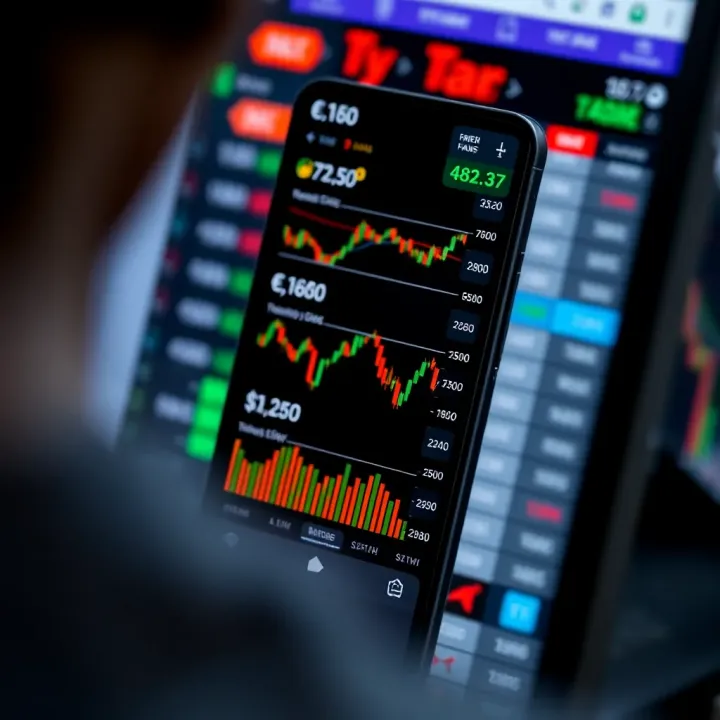
Explore top forex trading apps tailored for Kenyan traders 📱. Learn to choose wisely, ensure security 🔒, and trade confidently in Kenya’s forex market!

📚 Discover essential books for learning forex trading in Kenya! From basics to advanced tips, master strategies and risk management confidently.
Based on 8 reviews