

Best Forex Trading Platforms in Kenya
Explore top forex trading platforms in Kenya 🇰🇪. Learn about fees, regulations, and user experience to pick the right one and trade safely 📈💼.
Edited By
Sophie Grant
Forex trading in Kenya has seen a steady rise in popularity, thanks to increasing internet access and the availability of online trading platforms like FXPesa and HotForex. However, crude attempts without a solid strategy often leave traders frustrated and out of pocket. This guide sets out to offer practical, well-tested forex trading strategies tailored specifically to the Kenyan market.
You might ask: why focus on Kenya? The forex scene here has its quirks – from currency fluctuations influenced by local economic factors to regulatory nuances, understanding these can make all the difference between losing money and hitting consistent wins.

We’ll walk through everything from the basics of forex trading to more advanced techniques, market analysis methods, and risk management tailored for Kenyan traders. Whether you're just getting started or already trade but want to sharpen your edge, this guide aims to be your go-to resource.
Getting your strategy right means not just following global trends blindfolded but adapting smartly to what’s happening locally. In forex, that adaptability often separates the pros from the rest.
So buckle up, because this isn't just theory — it’s about spotting real opportunities, making informed decisions, and managing your risk wisely to thrive in Kenya’s dynamic forex market.
Grasping the basics of forex trading is the foundation every trader in Kenya must lay before diving into the market. It’s not just about throwing money on the chart hoping for a win; it’s about knowing how the market ticks, what factors move currencies, and how to interpret the price action. This section lays out the groundwork, helping you avoid rookie mistakes that can cost real cash.
Forex, or foreign exchange, is where currencies from all over the world get traded. Unlike the Nairobi Securities Exchange, forex doesn't have a physical location—it's mostly electronic, running 24 hours a day across the globe. This means Kenyan traders need to be aware of the market's different sessions: Asian, European, and North American. For example, trading the USD/KES pair means being mindful when the New York and London sessions overlap since most action happens then.
Forex markets function through banks, brokers, and financial institutions that connect buyers and sellers. When you place an order on a platform like MetaTrader 4 or 5, your trade gets pieced together with someone looking to buy or sell the opposite. Currency prices shift constantly based on supply and demand, political events, economic data releases, or even wild market rumors.
Imagine you're a trader in Nairobi and the Central Bank of Kenya announces unexpected changes to the repo rate. This news will likely cause the Kenyan shilling's value to swing, giving you potential opportunities—or risks—that you want to seize or manage swiftly.
It's easy to get lost if you don’t speak the lingo. Here are a few must-know terms to keep you from feeling like a fish out of water:
Pip: The smallest price move a currency pair can make, usually four decimal places. For instance, if EUR/USD moves from 1.1200 to 1.1201, that’s one pip.
Lot: A standard trading size. A standard lot is 100,000 units of currency; smaller traders may use mini or micro lots (10,000 or 1,000 units).
Leverage: Borrowed capital to control bigger positions with less money. Be careful here as high leverage can amplify losses too.
Spread: The difference between the buy (ask) and sell (bid) price. Tight spreads often mean lower trading costs.
Margin: The deposit needed to open a position. Think of it as a security deposit.
Knowing these terms isn’t just theory—when you visit a broker like FXPesa or HotForex Kenya, they’ll throw them around fast. Understanding them allows you to navigate platforms confidently and make smarter decisions.
Getting a grip on these basics before putting your money on the line can save you headaches and big losses down the road. Knowledge cuts through the noise and keeps you sharp.
In forex trading, especially in a dynamic environment like Kenya's, having an effective trading strategy isn't just a luxury; it's a necessity. A strategy that works well today might fall short tomorrow if it’s rigid or lacks practical considerations. So, what makes a trading approach truly effective? This section digs into the essential traits that every successful forex strategy should have. These aren't vague ideals but practical points grounded in the realities of forex trading.
One of the biggest mistakes new traders make is jumping from one strategy to another without giving any single approach time to prove itself. Consistency means sticking to your method, following your rules day in and day out, even when the market feels unpredictable. But here’s the catch — markets change. What works during a stable economic period may flop during volatile times. Adaptability allows a trader to tweak or evolve their strategy while keeping the core intact.
For example, if you rely heavily on moving averages to spot trends and suddenly the market shifts into a sideways mode (common in the Kenyan shilling against USD), you might need to integrate range trading techniques temporarily instead of blindly following trend signals.
Staying adaptable also involves learning from mistakes and market feedback rather than blindly sticking with a losing plan. The best traders know when to adjust their stop levels or reconsider how they size their positions. This balance between not giving up too soon and not holding on too tight separates regular players from consistent earners.
Every trader talks about risk and reward, but it’s easy to underestimate their importance. A solid forex strategy doesn’t just chase profits; it carefully weighs the potential loss against expected gains before making a move.
Imagine you're trading the EUR/KES pair. You're eyeing a trade setup that promises a potential gain of 100 pips but exposes you to a possible loss of 80 pips. That’s a reward-to-risk ratio of 1.25:1, which might not be ideal for many traders who prefer at least 2:1. A good strategy clearly sets these limits upfront.
Here’s why this focus matters:
It protects your trading capital so you can stay in the game longer.
It promotes disciplined decision-making rather than emotional impulse trades.
It guides position sizing, so you don’t bet the farm on one risky trade.
A practical method to maintain this balance is using stop-loss and take-profit orders systematically. For instance, using platforms like MetaTrader 4 popular among Kenyan traders, you can automate these orders, thus guarding your trades even if you step away from the screen.
A balanced approach to risk and reward is the cornerstone of long-term success in forex. Without it, even the most promising strategies can fail.
In summary, an effective forex trading strategy should be reliable yet flexible enough to adjust to Kenya’s unique market conditions. It should also prioritize managing risk without sacrificing the potential for reasonable profits. Balancing these characteristics is what turns casual traders into seasoned professionals.
Forex trading isn’t a one-size-fits-all kind of game. Different traders find success by using approaches that fit their personality, risk preference, and market understanding. In Kenya’s dynamic trading environment, knowing the common strategies can help you pick or build an approach that works for you.
The two main categories traders focus on are technical analysis and fundamental analysis. Each looks at the market through a different lens, offering practical tools to make sense of currency movements.
Moving averages smooth out price data to help spot trends over time. Say you’re tracking the USD/KES pair; a 50-day moving average shows the average closing price over the last 50 days, which can reveal if the currency’s generally trending up or down. Traders commonly use crossovers (where a short-term average crosses a long-term one) as buy or sell signals. It’s like watching traffic flow—if the faster lane crosses above the slower lane, traffic might be clearing up ahead. Just remember, while moving averages reduce noise, they lag behind real-time changes, so pairing them with other tools improves decisions.
Support and resistance levels are price zones where forex pairs tend to pause or reverse. For example, if EUR/USD keeps bouncing back every time it drops to 1.10, that 1.10 level is a support. Resistance is the ceiling, where prices hit a ceiling and fall back. Knowing these levels helps Kenyan traders time entries and exits better. Imagine buying oranges at a fixed price every time the market dips to a familiar bottom; it can make decisions less of a shot in the dark. Tools like horizontal lines on charts or pivot points assist in marking these crucial zones.
Candlesticks offer a visual snapshot of price action during specific times and can signal market sentiment shifts. Patterns like “dojis” or “engulfing candles” tell stories of indecision or momentum surges. For instance, a bullish engulfing pattern on GBP/USD suggests buyers have taken control, hinting at a possible upswing. Recognizing these patterns helps traders anticipate short-term moves without relying solely on indicators.
Data like GDP, inflation rates, and employment numbers are powerful market movers. When Kenya publishes its GDP growth rate, it affects the Kenyan shilling’s strength because it signals economic health. An unexpected jump in inflation can weaken a currency as purchasing power erodes. Traders keeping an eye on scheduled economic releases from both Kenya and counterpart countries can prepare for volatility, avoiding surprise losses.
Interest rate changes by central banks, like the Central Bank of Kenya or the US Federal Reserve, directly impact currency values. Higher interest rates tend to attract foreign capital, strengthening the currency. Conversely, lower rates may reduce demand. For instance, a rise in US rates might boost the dollar against the Kenyan shilling. Understanding this relationship lets Kenyan traders anticipate shifts, especially in pairs like USD/KES or EUR/KES.
Political events, policy changes, trade negotiations, or unrest can move forex markets fast. Kenya’s upcoming elections or shifts in trade agreements with China can influence the shilling’s value. Traders who monitor news and understand the political landscape get ahead of sudden moves and adjust their strategies accordingly. It’s less about catching every twist and more about being aware enough not to get blindsided.
Combining technical with fundamental analysis gives you a fuller picture. Technical tools show what’s happening on the charts, while fundamentals explain why it’s happening – together, they strengthen your trading edge.
By mastering these common approaches, traders in Kenya can make confident decisions, capitalizing on market opportunities while keeping risks in check.
Understanding popular forex trading strategies is a must for anyone serious about navigating the Kenyan forex market effectively. These approaches offer clear frameworks that can minimize guesswork and allow traders to act with more confidence, especially in a market influenced by both global trends and local economic factors.

Trend following is one of the simplest yet most effective strategies out there. It involves recognizing and riding the wave of prevailing market momentum. Imagine the Kenyan shilling strengthening against the US dollar due to favorable trade reports; a trend follower would identify this upward movement early and enter trades aiming to profit from the continuation of that trend. This approach relies heavily on technical tools like moving averages and trend lines to confirm direction.
The advantage here is you’re not fighting the market’s natural course. However, it requires patience: trends don’t always last, and false signals can happen, meaning a trader must use stop-loss orders wisely to protect themselves.
When the market isn’t trending, it often moves sideways, bouncing between support and resistance levels—a perfect setup for range trading. Say the USD/KES pair has been trading between 105 and 108 for several weeks; a range trader buys near the support point (105) and sells near resistance (108). This strategy banks on the market respecting these boundaries until a breakout occurs.
Range trading offers opportunities for consistent profits with relatively low risk, provided the trader accurately identifies these levels. It’s especially useful during periods of economic uncertainty in Kenya when volatility is low, and the market lacks clear direction.
Breakouts happen when the price breaks through established support or resistance levels with strong momentum. For Kenyan forex traders, these moments can be lucrative, like when the Central Bank of Kenya makes an unexpected announcement, shaking up currency values and causing sharp movements.
A breakout trader watches for these moves and jumps in right as the price breaches key levels, betting that the momentum will continue. This strategy demands quick reflexes and a good grasp of market news because false breakouts (where price reverses shortly after breaking a level) can lead to losses.
In all, knowing when to apply these strategies, based on the current market conditions and the unique challenges of the Kenyan forex market, can make a significant difference in trading success. Each has its pros and cons, but by combining them thoughtfully, traders can adapt and thrive.
Understanding the local market conditions in Kenya is critical to developing a forex trading strategy that actually works for traders here. Unlike some global markets, Kenya's economy has its own unique twists—such as agricultural cycles, government policy changes, and regional trade agreements—that can influence currency movements. For Kenyan traders, being clued up on these factors isn’t just helpful; it can make the difference between a good trade and a costly mistake.
Kenyan traders benefit from tailoring their analysis to covers factors like the health of the local economy, government fiscal policies, and the performance of Kenya’s key trading partners. This grounded approach helps clarify which currency pairs might move more predictably and lets traders spot opportunities before the wider market picks up on them.
Local economic conditions shape the forex market landscape in Kenya more than many realize. Issues like inflation rates, foreign direct investment inflows, and government debt levels have a direct impact on the Kenyan shilling's value. For example, when inflation spikes unexpectedly—say during a poor harvest season—it can weaken the shilling against major currencies like the US dollar or euro.
Foreign aid and remittances also play a surprising role. Large inflows of foreign currency can temporarily prop up the shilling, creating short-term trade opportunities. On the flip side, political instability or policy uncertainty—like debates over VAT or tax reforms—can rattle investor confidence and cause currency swings.
For instance, the 2022 Kenyan general elections put extra pressure on the shilling due to concerns about political stability, leading savvy traders to either hedge their risks or seek safer pairs like USD/KES.
Kenyan forex traders typically focus on currency pairs that relate closely to the country’s trade and economic ties. The US dollar versus the Kenyan shilling (USD/KES) is the most popular pair, given the USD’s global reserve status and its widespread use in Kenyan imports and exports.
Other key pairs include the euro against the Kenyan shilling (EUR/KES) and the British pound against the Kenyan shilling (GBP/KES). These currencies are relevant because of Kenya's trade relationships with Europe and the UK. Additionally, consider the USD/ZAR (South African rand) pair since South Africa is a major regional economic player, and movements here can indirectly impact Kenya’s forex scene.
By focusing on these pairs, traders in Kenya stand a better chance of understanding market moves based on local news and trends. For example, tracking East African Community (EAC) regional economic policies might hint at shifts in pairs like KES against other regional currencies.
Tuning your forex strategy to Kenya’s specific economic conditions lets you react swiftly and smartly to market changes; it's not just about global trends but about homegrown factors that tug on the shilling every day.
When diving into the forex market, especially in a place like Kenya where local economic shifts can be swift, protecting your trading capital should be your top priority. Risk management strategies aren’t just safety nets—they're the foundation that keeps you trading longer and smarter. Without a plan to minimize losses, even a sharp trader can find themselves out of the game quickly.
Good risk management helps you withstand the inevitable bad trades. It’s about controlling how much you put on the line each time and making sure one bad bet doesn’t blow up your entire account. Practices like setting stop-loss orders, properly sizing your positions, and using leverage wisely are essential tools to keep your capital intact, especially if you're working with limited funds common among Kenyan traders.
Stop-loss orders are your best friend when the market takes an unexpected turn. They work like an emergency brake, automatically closing your trade once it hits a certain loss level that you’ve pre-set. This way, you don’t have to watch your screen all day or panic when the market swings wildly at night.
For example, if you buy USD/KES at 110, and you decide you can only risk losing 2% of your trading capital, you set a stop-loss just below that threshold. If the price drops to this level, your broker sells your position automatically, preventing further losses. A neat trick is setting your stop-loss based on recent support or resistance levels rather than random percentages—it feels more tied to real market moves.
Position sizing is how much of your capital you invest on each trade. It’s not about throwing all your eggs in one basket or betting too small to matter. Instead, it means figuring out a trade size that fits your strategy without risking too much on a single play.
Say you have a $1,000 trading account. If you’re willing to risk 1% per trade, that’s $10 at stake. Using stop-loss placement, you can calculate how many lots or units you can safely buy or sell. Traders often overlook this step and end up risking too much. Remember, even a solid strategy won’t save you if you blow your account on a few bad trades.
Leverage can be a double-edged sword that transforms small moves into big wins or losses. In Kenya, some brokers offer high leverage levels, but jumping in with 1:100 or more without a game plan is like playing with fire.
Responsible leverage means using it sparingly and understanding how it magnifies both gains and losses. For example, a 100:1 leverage means a $100 market movement on a $1 position. If the market moves against you, losses pile up just as fast.
Many seasoned traders recommend keeping leverage low, especially in volatile markets. Using moderate leverage (like 10:1) gives you room to breathe and learn without risking everything at once. Calling it a night after locking in small profits is often wiser than chasing big wins with wild leverage.
Mastering these pillars of risk management—stop-loss orders, correct position sizing, and sensible leverage use—is what separates the long-term winners from those who burn out quickly in forex trading.
Getting these basics right can turn your forex journey in Kenya from a gamble into a calculated, manageable business.
In the world of forex trading, having the right tools and platforms can make all the difference. Kenyan traders, whether beginners or seasoned pros, need to know how to use these resources efficiently to boost their chances of success. Trading tools and platforms are not just about convenience—they help you analyze the market, execute trades quickly, and manage risk better.
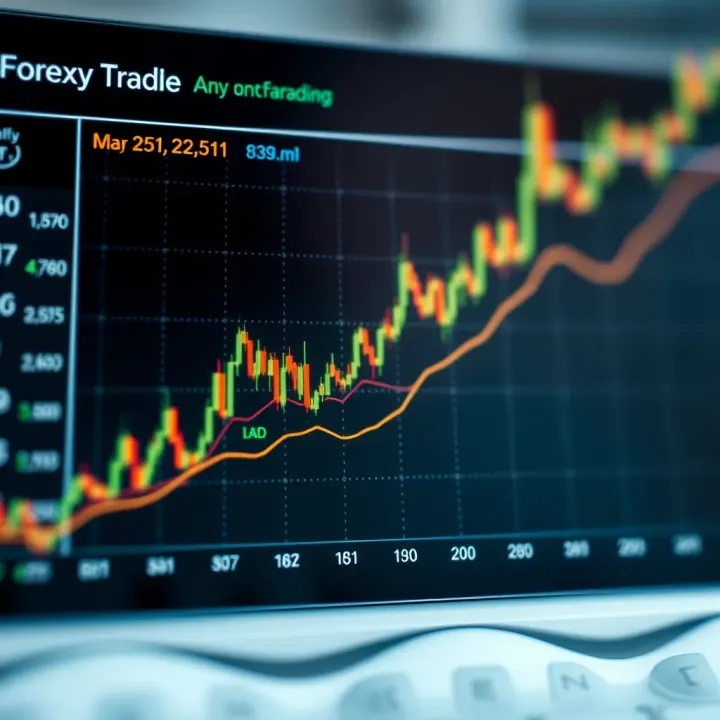
Charting software is like the trader’s compass—it guides you through the complex sea of price movements. Good charting tools allow you to see patterns, spot trends, and determine critical support and resistance levels. In Kenya, platforms like MetaTrader 4 (MT4) and TradingView are popular choices because they offer a user-friendly interface and powerful analysis features.
For example, MT4 allows you to apply multiple indicators like Moving Averages, RSI, and Bollinger Bands all on a single chart. TradingView, on the other hand, has a strong social aspect where you can follow expert analysts and see real-time community insights. Tools like these make it easier to make informed decisions rather than guessing blindly.
When choosing charting software, look for:
Real-time data feed to keep you updated
Customizable indicators tailored to your strategy
Compatibility with your trading platform
Many Kenyan traders start with free versions to get a feel for them before moving to premium versions that offer advanced tools like heat maps or economic calendars.
Automation in forex trading means letting software handle the nitty-gritty of placing trades based on pre-set rules. Automated trading systems and Expert Advisors (EAs) on platforms like MetaTrader 4 can monitor the market 24/7 and execute trades instantly when conditions meet your strategy.
For instance, a Kenyan trader might set an EA to open a buy position on the USD/KES pair whenever the 50-day moving average crosses above the 200-day moving average—a classic crossover strategy. This removes the emotional rollercoaster of sitting in front of a screen all day and helps maintain discipline.
However, relying solely on automation isn’t without risks. Market conditions can change suddenly, and an EA might not adjust unless programmed accordingly. It’s important to regularly review and tweak the settings. Also, some brokers offer proprietary platforms with built-in automation tools, so explore those options to find what suits your trading style.
Effective use of trading platforms and tools is less about having the fanciest system and more about understanding how they fit your approach and local market context.
In summary, Kenyan traders should invest time to master charting software and explore automation, but always keep an eye on the market’s pulse themselves. Combining technology with sound judgment will serve you far better than relying on one without the other.
Creating a solid trading plan is more than just jotting down a set of rules—it's about crafting a blueprint that guides your decisions and keeps emotions in check. For Kenyan traders, who deal with both international and local market quirks, having a well-structured plan is a lifeline. It helps prevent rash moves, especially when the market gets choppy. Beyond just making trades, a good plan outlines your entry and exit points, risk tolerance, and even how you'll adapt to changing market conditions. Testing this plan under realistic conditions before going live can save you from costly mistakes and boost your confidence.
Backtesting lets you run your trading strategy against past market data to see how it might have performed. Think of it as a dress rehearsal before the main event. Kenyan traders can use this to understand how their strategy fared during events like the last general election or currency fluctuations caused by central bank decisions. Platforms like MetaTrader 4 or TradingView offer tools to simulate trades using years of historical candle data. This isn't a crystal ball, but it helps gauge if a strategy holds water.
Here’s a simple way to start backtesting:
Pick a time frame relevant to your trading style (day trading or swing trading).
Apply your strategy’s buy/sell rules to historical charts.
Keep track of wins, losses, and the overall profit or loss.
This approach highlights where your plan succeeds, and more importantly, where it trips up in different situations. It’s like testing your umbrella in various rainstorms before the actual rainy season.
Once you start trading, consistently tracking performance is key. A trading journal—whether a simple spreadsheet or dedicated software—lets you record every trade's details: entry, exit, reasons for the trade, and emotional state. This habit shines a light on patterns you might otherwise miss, like repeatedly risking too much on uncertain trades.
Adjusting your plan based on these insights is crucial. For example, if you notice that trades based on the USD/KES pair during times of Kenyan fiscal announcements tend to be unpredictable, you might decide to tighten stop losses or avoid trading around those periods. Remember, adapting isn’t a sign of failure; it’s about fine-tuning your approach as market conditions change.
A trading plan isn’t written in stone. It’s a living document that evolves with your experience and the markets.
By continuously testing and revising your trading approach, you build a personal strategy that’s reliable and tailored to your style—giving you a firmer grip on the fast-paced forex world.
Trading forex isn't just about charts and numbers; it's a mental game as much as a technical one. The psychological side of trading plays a huge role in whether you make smart decisions or let emotions take the wheel. For traders in Kenya, where market fluctuations can feel unpredictable, mastering trading psychology and maintaining discipline can be the difference between consistent wins or frequent losses.
At its core, psychology in forex trading involves understanding how feelings like fear, greed, and hope impact your moves. Discipline ties into this by helping you stick to your trading plan, control impulses, and follow through on your strategy even when the market tempers your confidence.
Consider a Kenyan trader who jumps into the market after a news headline about the shilling's rise against the dollar. If they let hype rule their decisions without analysis or a clear plan, chances are they'll end up buying at a peak and selling at a low. But a disciplined trader recognizes such emotional traps and waits for confirmation before acting.
Successful forex traders often say mastering your mind beats mastering charts because it stops costly mistakes.
Psychological awareness also helps with managing setbacks. When a trade goes south, rather than spiraling into frustration and doubling down with risky bets, a disciplined trader reviews what went wrong and adjusts calmly. This steady mindset builds over time through habits and self-awareness, grounding trading decisions in logic rather than gut reactions.
Dealing with emotions during forex trading is tricky but unavoidable. Fear and greed tend to be the biggest culprits. Fear might stop you from entering good trades or push you to exit too soon. Greed can lead you to hold a position too long, hoping for more profit and ending in losses.
One simple way to keep emotions in check is setting predefined rules for entries and exits, like placing stop-loss orders or taking profits at certain levels. For instance, if the Kenyan shilling hits a resistance level against the dollar, have a plan ready to exit or hedge without second-guessing.
Another tip is journaling your trades. Write down the reasons for entering or exiting, then note how you felt. Over time, patterns emerge showing how emotions influence your decisions. Maybe you tend to panic-sell when the market dips slightly or get overconfident after a streak of wins.
It's also worth taking breaks when feeling overwhelmed. Stepping away for a few hours or days can clear your head and prevent impulsive decisions driven by stress or excitement.
Discipline shines brightest in your daily trading habits. Without consistency, even the best strategies fall apart. Developing a routine helps keep emotions and mistakes at bay.
Start by creating a trading plan and sticking to it religiously. This includes setting entry and exit points, risk tolerance, and position sizes. For example, Kenyan traders might decide never to risk more than 2% of their capital on a single trade, a rule that prevents big blows.
Consistency also means regularly reviewing your performance. Set aside time weekly to analyze which trades went well and which didn't. This habit turns your trading into a learning process rather than a guessing game.
Finally, keep your environment conducive to focus. Avoid distractions like constant social media browsing during market hours. A quiet space with reliable internet and good charting tools—like MetaTrader 4 or TradingView—can make a big difference.
Maintaining discipline isn't about being perfect, but about building habits that make you less likely to fall prey to emotional pitfalls.
In summary, understanding your psychology and developing disciplined trading habits are vital pieces of the forex puzzle. For Kenyan traders facing unique market challenges, these mental and behavioral skills provide a strong foundation for consistent success.
Trading forex can be a rewarding venture, but it’s also riddled with traps that can wipe out your capital fast if you're not careful. Identifying and avoiding common pitfalls is key, especially for Kenyan traders navigating both local and global market pressures. Steering clear of these mistakes helps you build a solid trading foundation and maintain steady growth. Let's break down two of the most crippling errors: overtrading and chasing losses, plus ignoring fundamental risk management rules.
One of the easiest traps to fall into is overtrading. Imagine you're on a lucky streak or just had one bad trade—you might feel pressured to jump back in immediately to either capitalize on momentum or recover losses. This kind of impulsive trading often leads you to open too many trades or push into the market without proper research. It’s like trying to fix a leaky bucket by throwing more water in; you're just making a mess.
For example, a Kenyan trader might see a sudden spike in USD/KES and rush to trade without waiting for confirmation, fearing they’ll miss out. This haste can result in losses if the market quickly corrects. The better approach is to stick to your trading plan and let the market conditions signal your moves, not emotions.
Chasing losses can quickly turn a small setback into a significant financial hole. It’s tempting to double down after a loss, hoping the next trade will cover everything. But this often leads to reckless risk-taking and bigger losses. Professional traders view each trade as one battle in a much longer campaign—they know getting emotional or impatient usually ends in defeat.
Risk management isn’t just a guideline—it’s the backbone of long-term survival in forex trading. Ignoring it can be like driving blindfolded; sooner or later, you’re going to crash.
A common mistake is not setting stop-loss orders. Without stop-losses, a single bad move can blow up your account before you can react. For instance, if you buy EUR/USD and the market unexpectedly moves against you due to some geopolitical news, a stop-loss cushions the blow by automatically closing the position at a predetermined loss limit.
Another risk management blunder is mismanaging leverage. Kenyan brokers often offer tempting leverage ratios, sometimes up to 1:500, which can be a double-edged sword. While leverage can magnify gains, it can just as easily magnify losses. Using high leverage without proper caution is like playing with fire indoors—you’re risking everything for a potential quick win.
Tip: Always define how much you are willing to lose on a trade beforehand and stick to it. This discipline protects your capital and keeps you in the game longer.
By consciously avoiding overtrading, chasing losses, and ignoring risk controls, you create a much healthier trading environment. Methods aren’t just about making money quickly; they’re about lasting in the market through volatility and unpredictability. Kenyan traders who master these aspects find themselves more confident and better positioned for growth, even when markets get choppy.
Starting off in forex trading can be like stepping into a bustling market with no map. That’s why having practical tips tailored to the Kenyan trading environment is a real game-changer. For new traders, these tips help dodge common pitfalls while building a solid foundation to grow their skills. This section zooms in on two essentials: picking the right broker and committing to continuous learning, both crucial for success.
Finding a trustworthy broker is as important as picking the right tools for any trade. In Kenya, traders should lean towards brokers regulated by reputable bodies like the Capital Markets Authority (CMA) or international ones such as the Financial Conduct Authority (FCA) or Australian Securities and Investments Commission (ASIC). This regulation safeguards traders from scams and ensures fair trading practices.
A reliable broker also offers transparent spreads and fees. For example, a broker charging low spreads but hitting you with hidden commission fees can eat into your profits quickly, especially if you're trading frequently. Also, check if they support local deposit methods like M-Pesa for easy funding and withdrawals. This simplifies the process and avoids unnecessary international transfer delays or fees.
Customer support isn’t just a nice-to-have, it’s vital. Imagine hitting a snag during major market news and not getting help when you need it most. A broker with responsive, knowledgeable support—preferably available in your timezone—makes life so much easier.
Forex markets never sit still. What's working this month could flop next, especially with how fast global events or local Kenyan factors influence currency moves. So, keeping up-to-date is not just smart; it's necessary.
Start with basic educational resources provided by brokers or trusted financial sites. Then, move on to more advanced analyses or strategy tweaks as you gain confidence. For example, learning about how Kenya’s inflation data or the Central Bank’s policy meetings can impact the KES/USD pair offers you a real edge.
Joining local trader groups or online forums can also help. Hearing firsthand experiences or discussing strategies with fellow Kenyans clarifies how the global forex scene plays out on local soil.
Continuous learning keeps you nimble. It prevents the trap of relying on outdated methods and opens doors to spotting new opportunities that others might miss.
In sum, picking a good broker and committing to ongoing education build a solid trade framework. These tips get new Kenyan traders off to the right start, helping them navigate forex with more confidence and fewer surprises.
Explore top forex trading platforms in Kenya 🇰🇪. Learn about fees, regulations, and user experience to pick the right one and trade safely 📈💼.

📚 Discover top forex trading books tailored for Kenyan traders! Boost your skills with beginner to advanced picks and practical tips for success in forex.
📈 Discover the best forex trading times in Kenya! Learn how global market hours, economic events, and volatility affect your trades for smarter decisions.

Explore top forex trading apps for Kenyan traders 📱. Learn to choose safe platforms, spot key features, and boost your trading skills effectively.
Based on 9 reviews