

Top Forex Trading Books for Kenyan Traders
📚 Discover top forex trading books tailored for Kenyan traders! Boost your skills with beginner to advanced picks and practical tips for success in forex.
Edited By
Oliver Brooks
Forex trading can seem like a wild beast at first—sometimes roaring, sometimes silent, but always demanding respect and understanding. For traders in Kenya or anywhere else, the fast-paced nature of the forex market requires more than guesswork or luck. It calls for solid knowledge, practiced skills, and sharp insight.
This article serves as your roadmap to the essential books that break down the complex world of forex trading into manageable, practical knowledge. We will cover a broad spectrum of literature—from beginner-friendly guides that explain the basics to more advanced texts that delve into strategy, market analysis, psychology, and risk management.
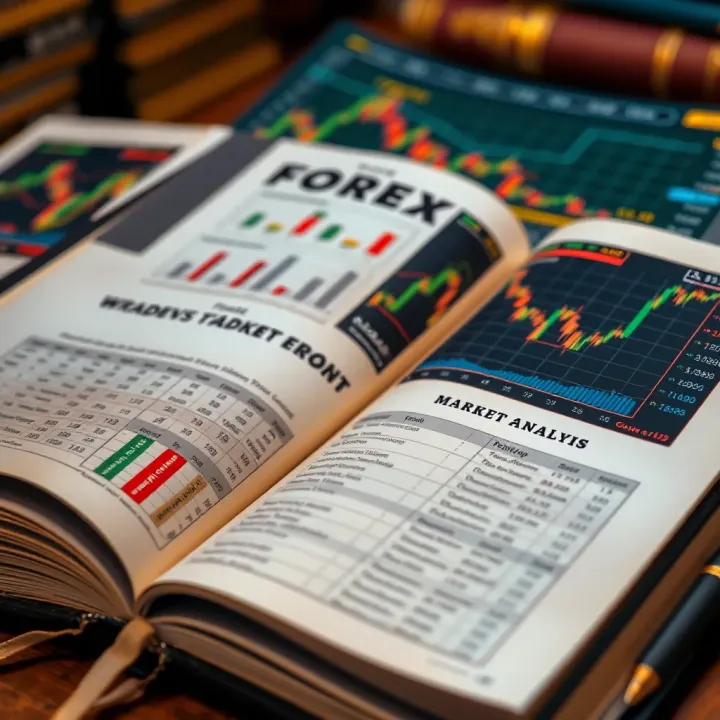
Why focus on books? Because books let you learn at your own pace, revisit ideas, and build a firm foundation. Unlike scattered blogs or flashy videos, they provide in-depth perspectives that stand the test of time. Whether you're just opening your trading account or looking to fine-tune your approach, the right reading list will give you tools to make smarter decisions in the market.
"Trading isn’t about predicting the market; it’s about managing your behavior and risks. The books highlighted here put that principle front and center."
In the sections ahead, we will explore must-read titles that actually help you grasp complicated concepts without drowning you in jargon. Expect clear examples and actionable advice tailored to the kind of challenges traders commonly face—including those specific to Kenyan and East African markets.
Ready to add some muscle to your forex trading toolkit? Let's dive into the best forex books that every trader should have on their shelf.
Forex trading isn’t something you jump into blindfolded. It’s a dynamic market that demands understanding, strategy, and constant learning. Books play a crucial role in laying down a solid foundation for anyone looking to trade currencies—from beginners figuring out the ropes to seasoned traders sharpening their skills. This section spotlights why diving into forex trading books is a practical step and highlights the kinds of knowledge you can pick up along the way.
Grasping the basics is like knowing how to read a map before heading into unknown terrain. Forex markets are influenced by many factors—interest rates, geopolitical shifts, economic data releases, and even government decisions. Without knowing what these elements mean and how they interact, you’re flying blind. For instance, understanding how the Federal Reserve’s interest rate announcement affects the USD can help you anticipate market moves rather than just react to them. Books covering fundamentals break down complex topics into manageable insights, helping you make sense of market behavior.
A solid knowledge base acts as your trading backbone. It’s not just about memorizing terms or formulas but about connecting dots, like understanding why certain currency pairs move together or why volatility spikes at specific times. This foundation makes advanced concepts less intimidating and trading decisions more confident. By working through books methodically, you gain a toolbox of concepts and strategies that support smarter, informed trades over the long haul.
These books are like getting a friendly tour guide when you’re new in town. They introduce essential terminology, explain how currency pairs work, and walk you through basic setups and trade execution. Think of titles like "Currency Trading for Dummies" by Brian Dolan or Kathy Lien’s approachable works—they are designed to simplify and demystify forex concepts so the newbie doesn’t feel lost. They often include exercises and examples, helping you connect theory with real market scenarios.
Technical analysis is like learning to read the market’s body language—charts, patterns, and indicators reveal its mood and signals for potential moves. Books in this category dive into tools such as candlestick charts, support and resistance, and moving averages, providing you with the skills to analyze price action. For example, John J. Murphy’s "Technical Analysis of the Financial Markets" is a classic resource that explains these tools in detail, helping traders predict trends before the crowd catches on.
Trading isn’t just numbers and charts—it’s a mental battle. The right mindset can make the difference between consistent profits and blowing out your account. Books focusing on psychology, like Mark Douglas’s "Trading in the Zone," help you understand how emotions like fear and greed affect your decisions. Learning to stay disciplined, manage stress, and approach the market objectively builds resilience and helps avoid common traps many traders fall into.
No matter how good a strategy looks on paper, managing your risk is what protects your capital in the long run. These books teach you techniques like setting stop-loss orders, understanding position sizing, and assessing risk-reward ratios. One practical example is Van K. Tharp’s "Trade Your Way to Financial Freedom," which emphasizes the importance of preserving capital first and foremost. Reading about risk management equips you to survive the inevitable ups and downs, ensuring you stay in the game longer.
Starting forex trading without reading the right books is like setting off on a safari without binoculars—you miss too much and risk making costly mistakes. Equip yourself with knowledge to trade smarter, not harder.
Each type of forex book unlocks a different skill needed to build a well-rounded trading approach. Getting familiar with these categories sets the stage for deeper exploration into specific strategies and market insights as you grow in your forex journey.
Starting off in forex trading can feel like trying to read a map without knowing the landmarks. The right books help clear that up by breaking down complex ideas into bite-sized chunks beginners can actually use. These books don't just hand you theory; they focus on practical advice to help you avoid common pitfalls early on.
Understanding which books to pick can save a lot of time and headache. Early exposure to foundational knowledge shapes the way you see and react to markets, making the difference between guessing blindly and trading with a clear plan. Think of it like learning to cook: you wouldn’t dive into making a soufflé without mastering the basics first.
Before placing even a single trade, you need to speak the language of forex fluently. Market terminology like "pip," "spread," and "lot size" might sound like jargon at first, but these words are the building blocks of daily trading conversations. Similarly, knowing your currency pairs—the likes of EUR/USD or USD/JPY—and how they relate helps you understand which markets move together and why.
Grasping currency pairs involves more than memorizing names. You should pay attention to how major and minor pairs behave, their volatility, and what drives their price changes. For instance, the USD/ZAR pair reflects not just the US and South African economies but also global commodity trends impacting South Africa. This understanding helps in timing trades and managing expectations.
With the right basics under your belt, it’s time to look at simple trading methods—think of them as your training wheels. Techniques such as trend following, scalping, and breakout trading offer straightforward ways to engage with the market without getting overwhelmed. Each method carries pros and cons, but starting with a few lets you test the waters and find what suits your style.
Practical knowledge is key here. For example, learning how to place stop-loss orders effectively protects your capital against unexpected market swings. Similarly, understanding how to read candlestick patterns enables you to spot potential entry or exit points early. These are the tools that transform theory into action.
Books that walk you through real-world examples and offer exercises keep you actively involved rather than passive. "Currency Trading for Dummies" by Brian Dolan is a good pick here; it explains concepts with simple language and plenty of illustrations. You get to see the "why" behind each move, not just the "what."
These titles often include quizzes or practice scenarios to test your grasp as you progress. For instance, they might ask you to identify the best moment to enter a trade based on a sample chart, helping solidify theory with hands-on practice. This method slows down learning but ultimately makes it stick.
For beginners eager to see how actual trades look from start to finish, books focusing on trade setups deliver. Examples include "Forex Price Action Scalping" by Bob Volman, which details real trading scenarios with explanations of entry and exit points, risk management, and psychological considerations.
Such books don't leave you guessing. They teach you how to recognize patterns, place orders, and adapt when the market doesn’t behave as expected. Having step-by-step guides means you learn strategies you can test in demo accounts before risking real money.
Getting the right beginner book is like having a patient mentor by your side—it turns confusing forex moves into a clear, manageable process.
In summary, beginners benefit most from books that offer clear definitions, relatable examples, and hands-on strategies. Picking titles that balance theory with practical application provides a solid foundation to build confidence and, eventually, consistent results.
Technical analysis is often the bread and butter for forex traders aiming to decode market movements. It involves studying past price data and trading volume to predict future price behavior. Books dedicated to technical analysis are valuable because they break down the often complex visual data, like charts and indicators, into digestible pieces. They equip traders with tools to spot trends, reversals, and key price points.
By understanding technical analysis through well-written books, traders can avoid guesswork and adopt data-driven strategies. For example, the Japanese candlestick charts originated centuries ago but remain a popular tool because they visually convey market sentiment with just a glance—a vital skill captured well in classic texts.
Candlestick charts reveal more than just price movements; they tell a story of buyers vs sellers in a certain timeframe. Each candlestick shows open, high, low, and close prices, capturing market psychology. A trader noticing patterns like a "hammer" or "shooting star" can anticipate potential reversals before they happen. Practical books clearly demonstrate how to recognize these patterns and use them for entry and exit points, rather than guessing based on gut feel.
Moving averages smooth out price data to help identify trend direction. Common types include Simple Moving Average (SMA) and Exponential Moving Average (EMA). For instance, when a short-term average crosses above a longer-term average, it often signals an upward momentum—a signal traders look for to take positions. Key technical analysis books detail ways to customize these averages to fit time frames and trading styles, making them hugely adaptable.
Support and resistance are price levels where the market has historically struggled to move beyond. Think of support like a floor price where demand kicks in, while resistance acts as a ceiling limiting upward movement. Books typically guide traders in spotting these zones on charts and understanding that they don't have to be exact price points but ranges. Recognizing these areas helps in setting stop losses or take-profit targets, offering a more disciplined trading approach.
Books that focus on specific technical tools go beyond just explaining indicators—they dive into how and when to apply them. For example, 'Technical Analysis of the Financial Markets' by John Murphy remains a staple because it explains a broad spectrum of tools from oscillators like the RSI to volume-based indicators. Such titles equip traders with a toolkit rather than a one-size-fits-all method.
More than just tutorials, these books help traders craft and refine their own trading strategies. 'Trading for a Living' by Dr. Alexander Elder shows not only technical tools but how to combine them practically within a trading plan. These texts stress backtesting strategies on historical data and adjusting for changing market conditions, ensuring traders aren't just following blindly but are adaptive and prepared.
Solid technical analysis knowledge transforms trading from a flip of a coin to a skill honed over time. Books that teach this systematically empower Kenyan traders to tackle the forex market with confidence.
In summary, diving into books about technical analysis provides a roadmap to interpreting market data effectively. From candlestick patterns to strategy creation, these resources are indispensable for anyone serious about developing a nuanced understanding of forex trading.
Understanding trading psychology is often the missing link between a trader who breaks even and one who consistently profits. Forex trading is as much about controlling your mindset as it is about technical skills or market knowledge. Without mastering your emotions and mindset, even the best strategies can fail under pressure.
In forex trading, decisions need to be quick yet thoughtful. Imagine you're on a losing streak — fear and anxiety can cloud your judgment, leading to impulsive actions like chasing losses or abandoning your trading plan. Managing emotions means recognizing these feelings early and sticking to your rules despite them.
For example, when the market suddenly moves against your position, it’s natural to panic and close out prematurely or double down recklessly. Instead, seasoned traders use techniques like deep breathing, short breaks away from the screen, or journaling their thoughts to prevent emotional trading. Managing emotions helps keep trades objective and strategies consistent.
Discipline and patience are the bedrock of successful forex trading. Discipline means following your trading plan even when the temptation to deviate is strong. Patience means waiting for the right setups rather than forcing trades just to be active.
Imagine you're tempted to enter a trade because you’re bored or eager to make quick cash. Discipline pushes you back to your checklist: Is this trade setup valid? Do the indicators and fundamentals align? If not, patience keeps you on the sidelines, saving your capital for better opportunities.

Developing these traits requires practice. Start by setting clear rules about when to enter and exit trades and review your adherence regularly. Over time, these mental habits help protect your account from unnecessary losses.
Some of the best insights come from experts who've studied the trader's mind in depth. "Trading in the Zone" by Mark Douglas is a standout, diving into the common mental errors traders make and how to adopt a disciplined mindset. Douglas emphasizes thinking probabilistically — understanding that no single trade is guaranteed, which reduces stress and irrational decisions.
Another influential work is "The Psychology of Trading" by Brett N. Steenbarger. This book offers practical strategies derived from psychological principles that help traders build confidence while managing risk effectively.
Both authors bring scientific understanding combined with trading experience, providing grounded advice any trader can apply.
Beyond theory, practical mindset shifts are key to real improvement. Many books guide readers on adopting a growth mindset — seeing losses as learning opportunities rather than personal failures.
For instance, Steenbarger encourages maintaining a trading journal not just to record trades but also to reflect on emotional states during trading. This practice reveals patterns like overconfidence after wins or hesitation after losses, helping traders adjust behavior accordingly.
Another common tip is visualization: imagining yourself following plans calmly and successfully. Such mental rehearsals build the neural pathways for better execution under stress.
Mindset is the trader’s invisible weapon. No strategy can replace the steadiness of a well-trained mind.
In summary, diving into trading psychology books helps traders transform mental hurdles into strengths. Understanding how to manage emotions and cultivate discipline directly impacts your ability to stick to profitable strategies and survive the inevitable ups and downs of forex trading.
Risk management is often the unsung hero in the world of forex trading. Without it, even the sharpest strategies can fall apart in the face of unexpected market swings. The books that deal with this topic don't just talk about preventing losses—they focus on how to keep your trading journey sustainable over time. It’s about striking a balance: knowing when to hold your ground and when to pull back before out-sized losses hit.
Many traders tend to overlook risk management until they’ve taken a hit. However, the literature reveals that mastering risk control is what separates the casual trader from the consistently successful one. Practical benefits include protecting your trading capital, reducing emotional stress, and building confidence in your trading plan. For example, a good risk management book may explain how allocating just a small fraction of your account to a single trade can safeguard your funds when the market doesn’t move your way.
Position sizing is basically how much of your capital you risk on each trade. It’s a cornerstone of risk management because even the best trade setups can fail. By carefully controlling position size, traders can limit losses without cutting down on their winning chances. For instance, if you have a $5000 account and you risk 2% on a trade, that’s only $100 at stake. That way, a string of losses won’t wipe you out.
Books that handle position sizing well often explore simple formulas and rules, making it easier to apply. They might suggest fixed fractional position sizing, where the risk amount changes as your capital grows or shrinks. Understanding and sticking to this rule can mean the difference between a drawdown that’s manageable and one that digs you into a deep hole.
Stop-loss orders act like automatic brakes—they limit how far a trade can run against you. This is a practical tool that saves traders from the emotional rollercoaster of staring at a screen and hoping things improve. By setting a stop-loss at a logical price level, in line with your strategy’s risk profile, you know upfront what’s the maximum damage you’re willing to take.
For example, if you’re trading EUR/USD and a key support level lies 50 pips below your entry point, placing your stop-loss just below that provides a clear exit point if that level breaks. Books that give detailed examples and guidelines on stop-loss setups equip traders with the discipline to actually follow through, which is often the hardest part.
Risk assessment is about sizing up the potential danger before diving in. Good reading material explains various ways to analyze risk beyond just numbers—such as market volatility, geopolitical factors, and even your own psychological biases. Books like “Trade Your Way to Financial Freedom” by Van K. Tharp offer insight into understanding both qualitative and quantitative risks.
Evaluating risk often involves calculating metrics such as the risk-to-reward ratio and expected value of trades. These concepts help traders decide whether an opportunity is worth pursuing. A trader armed with this knowledge can steer clear of trades where the odds are stacked too heavily against them.
Effective risk management boils down to protecting your bankroll in every market condition. Practical tips found in recommended books include methods like:
Diversification: Don’t put all your eggs in one basket. Spread your trades across different currency pairs or different strategies.
Trailing stops: They let you lock in profits as the trade moves in your favor.
Regularly reviewing risk limits: Adjusting your risk per trade as your account grows or shrinks.
For example, “Forex Trading: The Basics Explained in Simple Terms” by Jim Brown features clear techniques on safeguarding capital through systematic risk controls. One takeaway is treating your trading like a business, where protecting your working capital comes before chasing risky gains.
Remember, risk management isn’t about avoiding risk altogether—it’s about managing it smartly to stay in the game long enough to reap consistent profits.
Reading and applying the lessons from risk management books can prevent you from common pitfalls, like chasing losses or risking too much on a single trade. This knowledge anchors your trading practice firmly, making it sustainable and resilient over time.
Diving into trading strategies is like gearing up for a football match—you need a solid game plan before stepping onto the pitch. Books in this category serve as your playbook, guiding you on building strategies that can stand the test of real-market pressures. Unlike just theory-heavy content, these books blend practical lessons with actionable methods, turning complex ideas into manageable steps you can actually apply. Whether you're dreaming about setting up your first chart-based system or tweaking algo strategies, grasping how to develop and refine your plan is crucial.
Backtesting is basically running your trading strategy on historical data to see how it would have performed. It's like rehearsing a scene before the big show—helps iron out the bugs before you risk actual cash. Without backtesting, a strategy is just an idea; with it, you get valuable insights into how your plan handles different market conditions.
The key here is to work with clean, reliable data and test over a decent time frame. For example, a strategy that shines during a bullish trend might tank in sideways markets, and backtesting catches such quirks. Start with platforms like MetaTrader or TradingView, where you can simulate trades using past price movements.
Backtesting also points out the risk metrics of your approach, such as drawdowns and win/loss ratios, meaning you can tweak your stop-loss or entry rules accordingly. So, before you let loose with real funds, take the time to backtest thoroughly—it’s a trader’s safety net.
Markets don’t sit still; they evolve. A strategy that worked wonders last year might falter today. The ability to adapt your trading plan keeps you ahead of the game. This isn’t about changing your entire playbook every day but making smart adjustments based on ongoing market trends.
Books addressing this often stress having a flexible mindset—doing regular reviews of your trades and market environment. For example, during high volatility like major economic announcements, you might dial back position sizes or switch to shorter timeframes.
Using tools that track volatility and trend strength, like the Average True Range (ATR) or the Relative Strength Index (RSI), can inform your strategy changes. Adapting is less about guesswork and more about having a framework that allows tweaks while preserving the core of your plan.
Reading about proven strategies is like hearing battle stories from seasoned soldiers—it gives you practical ideas that actually work. Books featuring tested strategies often provide step-by-step trade setups, including entry, exit, and risk rules.
For instance, a classic strategy like the Moving Average Crossover, where traders buy when a short-term moving average crosses above a long-term one, gets dissected into its pros and cons. Another example includes breakout strategies that capitalize on price bursts beyond established support or resistance levels.
By studying these, you get a blend of what’s reliable and how you might fine-tune or combine tactics. This kind of material is essential if you’re looking for well-rounded, battle-tested approaches rather than shooting in the dark.
For traders who want to take the guesswork out of decisions, algorithmic trading books provide a solid foundation. These books explain how to turn your strategies into automated systems, allowing trades to be executed based on pre-set rules without emotions getting in the way.
Such texts often cover programming basics, common pitfalls in algo development, and methods to backtest and optimize system parameters. They also dive into systematic trading, which relies on statistical models and patterns rather than gut feelings.
A good example is "Algorithmic Trading" by Ernest Chan, which walks you through creating, testing, and improving quant strategies. For Kenyan traders looking to scale their approach or reduce screen time, mastering algorithmic concepts can be a real booster.
Remember, the best strategy book is one that not only teaches you the mechanics but also encourages adaptation and continual learning—because in forex, the only constant is change.
In summary, books focused on developing trading strategies equip you with the tools to build, test, and refine your trading plans. From backtesting solid ideas to tweaking your approach based on the ever-shifting market landscape, these resources lay down the groundwork for sustainable trading success.
For traders who’ve moved past the basics, diving into more advanced resources isn't just helpful—it's essential. These materials help unpack complex market behaviors and refine strategies that can handle volatile and unpredictable forex landscapes. Advanced resources focus on granular market data, economic signals, and intricate trading models that aren’t usually covered in beginner or intermediate texts. This knowledge arms experienced traders with the insight to anticipate market moves, evaluate risk more accurately, and make smarter decisions under pressure.
A good example is understanding how the market's microstructure works—a level of detail that helps reveal the mechanics behind price moves. Similarly, advanced traders need to interpret economic news beyond the headlines, spotting the subtle effects on currency flows. Without these skills, even tried-and-true strategies can falter when faced with unexpected market shifts.
Order flow analysis dives into the very heartbeat of the forex market—the actual buying and selling activity behind price movements. Instead of just looking at charts, traders watch the flow of orders to understand where big players like banks and hedge funds are putting their money. This insight can reveal when supply outpaces demand or vice versa, providing an edge over relying on technical indicators alone.
For instance, if the order flow shows a sudden surge in buy orders on the USD/KES pair, that could indicate an upcoming price rally before it even appears clearly on the chart. Traders using tools like the Depth of Market (DOM) can watch live bid and ask volumes, giving a real-time view into market sentiment. This method requires a certain level of sophistication but offers precise timing for entries and exits.
News isn't just noise; it’s a major driver of forex volatility. Yet, it's easy to get caught up in the headlines without digging into what the numbers actually mean for currency markets. Advanced traders focus on the context around data releases—like GDP, inflation, or central bank announcements—and how these figures fit into broader economic trends.
Take Kenya’s Central Bank Monetary Policy Statements as an example. A trader who understands not only the rate decision but also the reasoning behind it—such as inflation targets or foreign exchange reserves—can better predict how the shilling might react over the coming sessions. This involves analyzing market expectations and discrepancies between forecasts and outcomes. The ability to spot these nuances helps traders adjust their risk and capitalize on moves driven by economic surprises.
Moving beyond simple moving averages and RSI, advanced traders explore complex trading models that incorporate multiple variables and adaptive logic. These models might combine statistical analysis, machine learning algorithms, or quantitative techniques grounded in mathematics and economics.
Books like "Quantitative Trading" by Ernest Chan delve into ways traders can build algorithmic systems that backtest strategies against historical data, spotting high-probability setups that aren’t obvious to the naked eye. These models are invaluable for managing the volumes and speed at which forex markets operate today.
Having a grasp of these methods allows traders to develop a systematic approach, reducing emotional bias and relying on tested patterns. It’s not just theory; many hedge funds and professional traders base their success on these models.
Relying on a single chart timeframe can paint an incomplete picture. Advanced trading involves looking at multiple time frames to align different perspectives of market action. For example, a trader might check the daily, hourly, and 15-minute charts for the EUR/USD pair before executing a trade.
This approach helps reconcile long-term trends with short-term price swings, spotting entry points that fit within the bigger market direction. Books such as "Forex Price Action Scalping" by Bob Volman highlight how traders can combine these timeframes effectively.
Using this method, a trader might identify that while the daily chart shows a strong uptrend, the 15-minute chart indicates a brief retracement—offering a safer point to enter a buy position. It helps avoid chasing the market and entering at unfavorable times.
Understanding and integrating these advanced concepts into your trading toolbox can significantly improve your odds in the forex market. It transforms trading from guesswork into an informed, strategic endeavor.
By focusing on the nitty-gritty of market microstructure, economic analysis, complex modeling, and multi-timeframe observation, experienced forex traders can sharpen their edge in a crowded market. These resources are not just books; they’re the stepping stones to smarter, more consistent trading outcomes.
Choosing the right forex book isn't just about grabbing the bestseller off the shelf. With so many titles claiming to hold the keys to forex success, picking a book that fits your current skill level and trading goals is essential. The right book can save time, avoid frustration, and help craft a clearer path toward trading proficiency. Whether you're just starting or you've been around the block a few times, aligning your reading materials with your personal needs can turn theory into solid practice.
Before diving into a forex book, it's important to know where you stand. Beginner books often break down complex ideas into digestible bits — think basics of currency pairs, simple trading strategies, or the meaning of pips and spreads. For example, Currency Trading For Dummies by Brian Dolan introduces forex without overwhelming jargon, making it ideal for new traders.
Advanced materials, on the other hand, dive into deeper waters. These might include topics like quantitative analysis, algorithmic trading, or multi-timeframe strategies. A book like Forex Price Action Scalping by Bob Volman requires solid foundational knowledge and can teach techniques for quick trading decisions. Jumping into advanced books too soon can leave you confused or frustrated, so honestly assessing your grasp on forex basics helps you pick suitable reads.
Forex trading styles vary — some are swing traders holding positions for days, while others prefer scalping with rapid entries and exits. A trader interested in long-term trends may want to focus on books covering fundamental analysis, like Day Trading and Swing Trading the Currency Market by Kathy Lien, which blends fundamentals with practical setups.
Alternatively, if your style leans toward technical analysis, books that focus on chart patterns and indicators, such as Japanese Candlestick Charting Techniques by Steve Nison, may serve you better. Understanding your preferred style allows you to pick books that enhance your strengths and fill in gaps.
Authors with real trading experience or a track record of proven strategies bring credibility. Look for writers like Kathy Lien or Steve Nison who are recognized figures in the forex community. These authors usually share personal insights alongside theory, which adds practical value. Checking if the author has a background in trading, finance, or economics also helps ensure the information is reliable.
Today, communities on platforms like Reddit’s r/Forex or trading forums provide honest reviews and discussions about popular forex books. Community feedback can reveal if a book is approachable, practical, or overly complicated. Reading several opinions helps avoid books filled with fluff or outdated strategies. For example, many traders have praised Brett Steenbarger's The Psychology of Trading for its practical approach to mindset, highlighted overwhelmingly in community discussions.
Keep in mind: The best book for one trader might not suit another, depending on trading goals, style, and experience. It’s smart to combine insights from trusted authors with real feedback before investing your time.
Being deliberate in choosing forex books means you’re not just reading more — you’re learning smarter. Matching your skill level and style with trusted resources positions you for better decision-making in the fast-paced forex market.
Books lay a solid foundation for forex trading, but pairing them with alternative learning materials can boost your understanding and adapt your skills faster. These materials provide dynamic content and interactive environments that books can’t always offer, especially in a fast-moving market like forex. This combination helps traders stay sharp by blending theory with real-time insights and hands-on practice.
One of the big advantages of forex blogs and forums is the ability to connect with fellow traders from across the globe. You get to share experiences, ask questions, and learn from others’ wins and losses. It’s like having a trading buddy who’s just a few clicks away. For example, discussing a tricky setup you read about in a book can clarify how it fits actual market scenarios. Communities like BabyPips or ForexFactory offer places where beginners and pros alike hang out, showing the human side of trading and breaking down complex ideas.
Forex markets never sleep, and blogs or forums often buzz with fresh info and immediate reactions to market moves. This real-time flow helps you observe how traders interpret news or technical signals instantly, which is crucial for developing your timing skills. For instance, during a surprising central bank announcement, a live forum thread can reveal market sentiment before you see it reflected in your charts.
Engaging with such platforms keeps you in the loop and enhances your decision-making by exposing you to diverse viewpoints and strategies.
Online courses bring order to the vast world of forex knowledge. Instead of stumbling through random chapters in books, courses outline clear steps tailored to your level—from basics to complex strategies. This structured approach helps avoid overwhelm and builds confidence as you master one concept before moving to the next. Providers like Udemy or Coursera offer beginner-to-advanced forex courses that include quizzes and assignments, so you can track your progress steadily.
Visual learners find video tutorials a godsend for grasping tricky topics like candlestick patterns or technical indicators. Seeing the trades unfold on screen makes those textbook diagrams come alive. Webinars take this further by allowing interaction with instructors in real-time, so you can ask questions and get personalized tips. Participating in live sessions hosted by reputable trainers like Andrew Mitchem or the Forex School Online brings an element of accountability and immediate feedback to your learning, something reading can’t provide.
Combining books with these alternative materials enriches your forex education, making it more practical, engaging, and adaptable to market changes. Don’t rely on just one source; mix and match to find what clicks for you.
By tapping into forex blogs, forums, and online courses, traders in Kenya and beyond can sharpen their skills, keep up with market trends, and expand their understanding beyond what traditional books offer. This blend of resources supports a well-rounded approach to forex trading education.
Keeping up with current forex market trends isn't just a nice-to-have—it's a must for any trader aiming to make smart moves. Forex markets react fast to world events, economic indicators, and policy shifts, so staying in the loop helps you avoid surprises and spot opportunities early. Whether you’re a newbie or a seasoned pro in Nairobi or Mombasa, understanding these shifts can make the difference between making a profit and getting caught off guard.
Politics can rattle forex markets like a strong wind shaking tree branches. Elections, sudden policy changes, or geopolitical tensions—like trade wars between major countries—can send currency values soaring or tumbling overnight. Books focused on political economics—say, "Currency Wars" by James Rickards—explore how these political events influence currency strength. Understanding these dynamics arms you with the knowledge to anticipate market movement, such as how a surprise election win might boost a nation's currency due to expected economic reforms.
Central banks, such as the US Federal Reserve or the European Central Bank, steer forex markets through interest rate decisions, monetary easing, or tightening. Books like "The Secrets of Economic Indicators" by Bernard Baumohl offer insight into interpreting central bank speeches and policy reports. Knowing when a bank plans to raise rates, for example, can suggest a stronger currency as higher yields attract investors. Reading up on this equips traders to predict currency trends aligned with monetary policy shifts, resulting in more informed and strategic trading.
Timing trades using news is more art than science, but it pays off when done well. Breaking news—like sudden economic data releases or emergency policy announcements—creates volatility perfect for scalpers or swing traders. Books such as "Forex News Trading" by Jim Brown provide practical approaches to leverage such events without rushing in blindly. By aligning your trades with reliable economic calendars and understanding expected impacts, you can enter positions right before market moves, squeezing out profit from short-lived price swings.
News can mislead as much as inform if you’re not careful. Overreacting to one report or jumping into rumors can send you down a costly path. Good forex trading books stress developing a critical eye—cross-checking sources, looking at follow-up data, and not letting emotion drive decisions. For instance, Doug Schaffer's "The Forex Edge" explains how to maintain skepticism and avoid knee-jerk reactions that drain your capital. Learning to filter noise from signal keeps your trading steady and less prone to costly blunders.
Staying up-to-date with market trends through books and news isn’t just about collecting information; it’s about sharpening your instincts and boosting your confidence to trade wisely.
Keep an eye on quality forex newsletters and updates from established financial news outlets
Combine your reading with market charts to see how news events have historically impacted prices
Make it a habit to review trusted books periodically as market conditions evolve
Mastering these habits will help you turn information into actionable insights, giving you a better chance at success in Kenya's vibrant forex trading scene.
Wrapping up your collection of forex trading books is more than just gathering titles on a shelf; it’s about crafting a personalized toolkit that grows alongside your skills and market insight. After sifting through the ins and outs of various forex literature—from beginner guides to advanced technical manuals—the key is to blend what you’ve learned into a practical, evolving resource. This library should reflect your trading style, goals, and experience, offering both solid theory and real-world application that helps you navigate Kenya’s forex market with confidence.
Reading about forex is one thing; using that knowledge in live trading is where the rubber meets the road. Books provide frameworks for understanding concepts like risk management or chart analysis, but putting theory to test with actual trades turns abstract ideas concrete. For example, after understanding position sizing from a risk management book, try implementing it with a small portion of your capital on a demo account before going live. This hands-on approach allows you to see how these strategies behave under real market stress, helping reduce mistakes and build instinct.
Forex markets never sleep, and neither should your curiosity. Successful traders often mention that learning doesn't stop after finishing a book or reaching a milestone. Instead, it’s about keeping your mind open to new trends, methods, and market shifts. For instance, after mastering basic technical analysis, a trader can explore more refined approaches like volume spread analysis or machine learning strategies. Maintaining this mindset prevents stagnation and ensures you're ready to adjust as conditions change, which is vital when dealing with volatile forex environments.
Forex markets evolve fast due to changing economic policies, geopolitical events, and technological advances. To stay current, it’s wise to regularly update your collection with new books covering emerging trends or updated editions of classic texts. For example, an updated edition of Kathy Lien’s Day Trading and Swing Trading the Currency Market might feature new sections on cryptocurrencies or how central banks influence FX, keeping your knowledge fresh and applicable.
Even the most seasoned trader can benefit from reading consistently. It’s like tuning an instrument—you need to refine your skills regularly. Re-reading foundational books while supplementing with fresh insights on trading psychology or algorithmic techniques can help refresh your mind and reinforce good habits. Practicing this habit will make you less vulnerable to impulsive decisions and better prepared for shifting market winds, especially in a dynamic trading environment like Nairobi's.
Building a forex trading library is not just about the quantity of books, but about cultivating a resource that offers practical, timely knowledge to support your ongoing development as a trader.
By carefully balancing theory and practice, staying curious, and regularly updating your materials, you ensure that your forex library remains a living, breathing asset—something that grows with your trading journey, always ready to give you that edge when the market throws a curveball.
📚 Discover top forex trading books tailored for Kenyan traders! Boost your skills with beginner to advanced picks and practical tips for success in forex.
📚 Discover key forex books to boost your trading skills! From basics to advanced strategies, these picks suit all levels in Kenya's forex scene.
📚 Discover essential books for learning forex trading in Kenya! From basics to advanced tips, master strategies and risk management confidently.
📚 Boost your forex trading skills with key books covering analysis, psychology, risk, and strategies. Perfect reads for Kenyan traders wanting to succeed!
Based on 8 reviews