
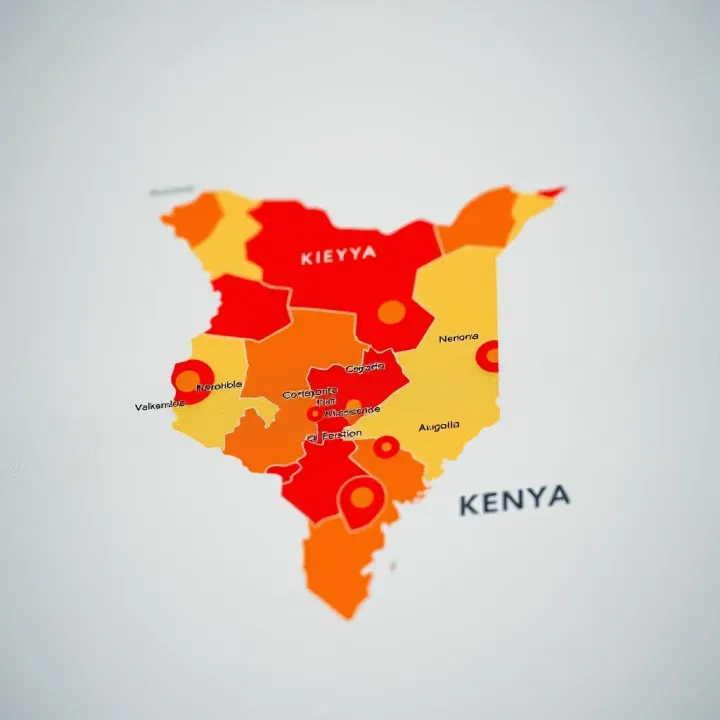
Understanding Disaster Risk Management in Kenya
🌍 Explore disaster risk management in Kenya, key strategies, stakeholder roles, challenges faced, and practical ways to boost community resilience and preparedness.
Edited By
Benjamin Clark
Risk management remains a vital part of any Kenyan organisation’s strategy, whether in trading, investing, or running a business. With the country's dynamic economic environment, local regulations, and specific market challenges, having a tailored risk management framework is no longer an option but a necessity.
The goal is simple: to identify, assess, and control threats that could disrupt business operations or lead to financial losses. This helps businesses protect their assets, make better decisions, and navigate risks related to market volatility, regulatory changes, credit exposure, or operational failures.

An effective risk management framework acts like a safety net—allowing businesses to prepare for uncertainties instead of reacting blindly.
Kenyan organisations face unique challenges, including fluctuating interest rates set by the Central Bank of Kenya (CBK), currency risks affecting importers and exporters, as well as regulatory compliance with bodies like the Capital Markets Authority (CMA) and Kenya Revenue Authority (KRA). Additionally, factors like political events or weather patterns (long and short rains) may suddenly impact supply chains or consumer demand.
Building a framework begins with clear objectives aligned to the organisation’s vision and operational realities. Key steps include:
Risk Identification: Mapping internal and external risks specific to the industry and local context.
Risk Assessment: Evaluating the likelihood and impact of identified risks quantitatively or qualitatively.
Risk Mitigation: Developing controls or strategies such as diversification, insurance, or formal policies.
Monitoring and Reporting: Establishing ongoing oversight mechanisms that feed timely information to decision-makers.
For example, a Kenyan investment fund needs to account for market risks (NSE 20 Index fluctuations), credit risks from debtors, and operational risks such as IT system failures or fraud.
By grounding the framework in locally relevant risks, organisations can better anticipate challenges. Incorporating tools like M-Pesa payment tracking or integrating HELB loan exposure into financial risk models offers concrete ways to manage everyday risks.
Next, we will explore the core components in more detail and how to implement an approach suitable for Kenyan traders, investors, and analysts.
Before putting together a risk management framework, it's important to grasp what it involves and why it matters. A solid understanding helps Kenyan businesses spot threats early and plan how to tackle them, saving time and resources in the long run. Especially in environments where market conditions shift quickly, like Kenya's bustling trade centres or county-level operations, a practical grasp of risk management can keep companies steady when challenges arise.
At its core, a risk management framework is a structured approach that organisations use to identify, assess, and control risks that could harm their operations. It consists of clear processes, tools, and responsibilities laid out to ensure risks are handled systematically. For example, a Kenyan manufacturing firm might set up a framework that looks specifically at supply chain risks during the short rains season when transport disruptions are common.
The framework is not just about rules—it's about creating an ongoing practice. It ensures that risk management isn’t a once-in-a-while activity but part of everyday decision-making. Businesses that embed this approach tend to avoid costly surprises and can respond faster to shocks, whether due to economic changes, technology failures, or even local disruptions like strikes.
The main purpose of a risk management framework is to protect a company’s assets and reputation while supporting its goals. By clearly understanding what can go wrong, organisations can plan better, avoid losses, and comply with local laws — a vital point considering Kenya’s regulatory requirements from bodies like the Capital Markets Authority or the Central Bank of Kenya.
Besides protection, an effective framework helps organisations make informed decisions. For instance, a Nairobi-based exporter might evaluate currency fluctuation risks before entering contracts, reducing financial surprises. This proactive stance often leads to improved trust with investors and clients as well.
Financial and operational risks relate to uncertainties that might affect cash flow or day-to-day processes. Financial risks include credit defaults or exchange rate shifts, while operational risks cover things like machine breakdowns or supply delays. In Kenya, operational hiccups may stem from transport strikes or power outages, which organisations should plan for.
Compliance and regulatory risks involve failing to meet legal requirements such as tax filing with the Kenya Revenue Authority (KRA), adhering to health and safety standards, or following sector-specific regulations. Non-compliance can lead to fines or licence revocation, so it’s crucial that businesses monitor changing policies and adjust quickly.
Strategic and reputational risks emerge from poor business decisions or negative public perception. For example, a bank involved in microfinance might face reputation risks if clients accuse it of unfair lending practices. Handling these risks proactively helps maintain customer confidence and market standing.
A good risk management framework balances all these types — financial, regulatory, and reputational — to keep the business resilient and trustworthy in Kenya’s competitive market.
By understanding these basics well, organisations create a foundation to build practical and localised risk management frameworks that truly add value and resilience.
A practical risk management framework is essential for Kenyan organisations seeking to protect their operations and make informed decisions. Understanding its key elements helps businesses spot potential threats early, assess their seriousness, and put in place measures to control them. For traders, investors, and analysts, these elements ensure resources are focused on risks that matter most while maintaining regulatory compliance and safeguarding reputation.
Methods for spotting potential risks involve gathering information from various sources such as financial reports, customer feedback, and market trends. Conducting regular risk workshops with department heads or using tools like SWOT analysis can reveal weaknesses and threats. For example, a manufacturing business in Nairobi might identify risks like supply chain interruptions or currency fluctuations impacting import costs.
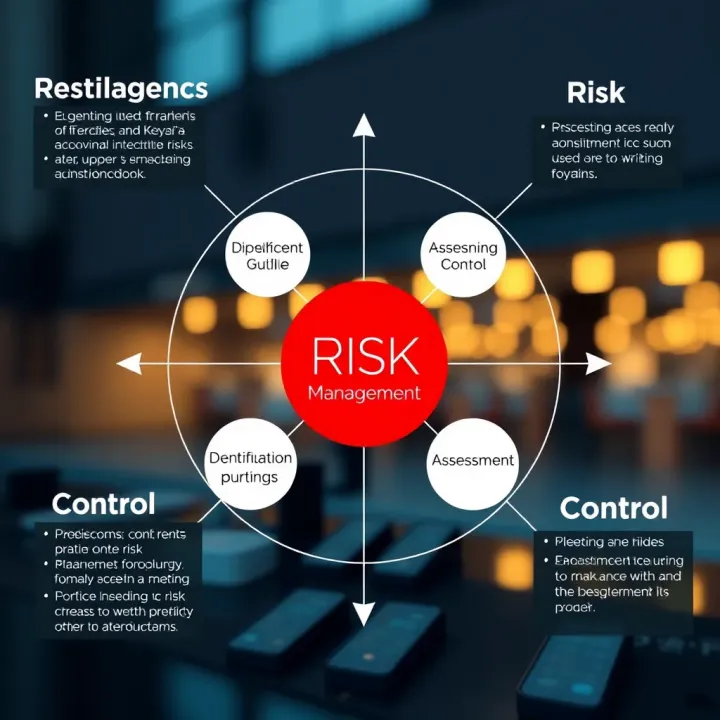
Categorising risks effectively means grouping risks into clear categories such as operational, financial, compliance, or reputational risks. This simplifies handling and ensures each risk gets the right attention. For instance, risks arising from delayed payments would fall under financial risks, while failure to comply with the Kenya Revenue Authority (KRA) tax requirements would be a compliance risk.
Evaluating risk impact and likelihood involves analysing how serious a risk could be and the chance it will happen. For Kenyan organisations, this evaluation might consider the cost of downtime due to power outages or the probability of market regulations changing mid-year. Assigning scores or ratings helps compare risks to decide where to focus effort.
Tools for prioritising risks include risk matrices and heat maps that visually represent risk severity versus likelihood. These tools help boards and management quickly see which risks require urgent action, like cyber threats to banking systems, versus lower priority ones such as minor supplier delays.
Preventive and detective controls are measures to either stop risks from occurring or catch them early when they do. Preventive controls might include staff training on compliance requirements or installing firewalls, while detective controls could involve regular internal audits or transaction monitoring.
Designing risk reduction measures means creating tailored actions that minimise risk impact. For example, a trading company could diversify suppliers to reduce reliance on one source, or an investor might use hedging strategies to protect against currency fluctuations. The goal is to reduce losses or disruptions without overspending on controls.
Setting up risk indicators involves selecting measurable signs that alert an organisation to changing risk levels. In Kenya, this could be tracking delayed supplier deliveries, customer complaints, or regulatory notices from bodies like the Capital Markets Authority (CMA). These indicators allow timely detection and response.
Communicating risk status within the organisation ensures everyone is aware of current risks and mitigation actions. Reporting tools such as dashboards or regular risk meetings keep management and staff informed, promoting a risk-aware culture. Clear communication also helps workers understand their roles in managing risks effectively.
An effective risk management framework is not a one-time exercise but a continuous cycle of identification, assessment, control, and monitoring. Kenyan organisations that grasp and implement these key elements are better placed to protect themselves and grow sustainably.
Implementing a risk management framework in Kenyan organisations is not just about ticking boxes; it involves practical steps that ground risk practices in local realities and regulatory demands. When properly executed, these steps ensure risks are identified early, handled appropriately, and align with both internal goals and external requirements. This approach ultimately shields the organisation’s resources and reputation while helping leaders make better decisions.
Leadership involvement is the backbone of any risk management effort. Without management and board support, risk initiatives risk being sidelined as extra paperwork. In Kenyan companies, especially SMEs and family-owned businesses, securing top-level buy-in means showing how risk management protects their investments and supports continuity. For example, a manufacturing firm operating in Nairobi might demonstrate how risks from supply chain delays or power outages can cost more than the resources invested in mitigating them.
Clear roles help avoid confusion over who handles what when risk arises. Assigning responsibilities across departments ensures no risks slip through the cracks. In practice, this could mean having the finance team monitor financial risks, compliance officers oversee regulatory adherence to KRA or CMA rules, and operations staff identify daily process risks. This division also empowers staff and builds accountability, which is crucial in organisations where roles may overlap.
Risk policies must reflect Kenya’s regulatory landscape to avoid clashes that could lead to sanctions. For instance, firms listed on the Nairobi Securities Exchange need to consider CMA regulations on disclosures within their risk policies. Drafting policies with clear references to standards like the Companies Act or tax obligations via KRA ensures the organisation remains compliant while embedding risk practices.
A paper risk policy means little unless integrated into routine activities. In Kenyan workplaces, this might involve daily checklists referencing health and safety risks or automated controls in financial software to flag unusual transactions. Embedding risk management into existing workflows, such as procurement approval or customer onboarding procedures, helps make risk awareness part of everyone’s job.
Staff training sharpens the organisation’s ability to spot risks early. Practical workshops targeting common risks—as seen in jua kali workshops or banking frontline staff—equip employees with skills to observe and report effectively. This is especially necessary in Kenya where informal business sectors may not have formal risk reporting channels.
For risk efforts to thrive, risk awareness must be part of the organisational culture. Encouraging open communication, rewarding risk reporting, and sharing lessons from incidents build trust. For example, Kenyan companies that openly discuss risks related to political changes or currency fluctuations in staff meetings show their commitment to transparency and preparedness.
Digital tools simplify tracking and analysing risks across departments. Kenyan financial institutions often use software that integrates with their core banking systems to monitor transactional risks and flag suspicious activities. Even SMEs can benefit from affordable cloud-based tools that consolidate risk data and generate alerts when thresholds are breached.
Timely, accurate risk reporting supports faster decisions. Mobile-based platforms enable automated reports sent to management or regulators, important for firms operating in multiple counties with varying risk exposures. The flexibility of digital reporting reduces reliance on manual processes, which are prone to delays and errors, improving overall responsiveness.
Establishing a risk management framework based on these steps equips Kenyan organisations to navigate a complex business environment confidently. From leadership to frontline staff, and paper policies to digital tools, each element contributes to resilient, well-managed operations.
Risk management frameworks in Kenyan organisations must take local rules and business culture seriously to work effectively. Not all global risk practices apply directly here without adjusting for Kenya’s unique regulatory landscape and economic setup. Paying attention to these factors not only keeps companies compliant but also boosts their resilience and reputation.
Understanding the requirements from key regulatory bodies like the Kenya Revenue Authority (KRA), Capital Markets Authority (CMA), and Central Bank of Kenya (CBK) is essential. KRA ensures organisations comply with tax laws, which means risk frameworks need to include monitoring financial reporting and tax obligations closely. For example, failure to submit accurate VAT returns on time can attract penalties that disrupt cash flow.
CMA governs capital markets and investment firms, requiring strict adherence to transparency and investor protection rules. A risk management framework must therefore cover market risks, fraud prevention, and insider trading controls. CBK focuses on banking and financial stability, meaning banks and financial institutions must monitor credit and liquidity risks under CBK directives. Incorporating these regulatory needs protects organisations from hefty fines and legal issues.
Implications for risk policies go beyond ticking boxes; they shape the company’s entire approach to managing uncertainty. Risk policies need to align with Kenyan laws and set clear guidelines on regulatory compliance, reporting timelines, and accountability. This framework helps organisations quickly identify regulatory changes, such as new tax amendments or updated CBK prudential guidelines, and adjust their risk controls accordingly.
A solid understanding of local regulations builds trust with stakeholders and avoids costly disruptions caused by non-compliance.
Adapting frameworks to the Kenyan business environment means recognising local customs, decision-making styles, and economic conditions. Many businesses here operate in close-knit communities where personal relationships often influence commercial dealings. Risk frameworks should incorporate communication channels that respect these cultural dynamics, promoting transparency without alienating traditional practices.
Furthermore, Kenya’s economy has a large informal sector that standard risk models often overlook. Considering informal sector risks involves acknowledging factors like cash-based transactions, limited record-keeping, and variable market access. These risks might affect supply chain reliability or payment collections, especially for SMEs relying on informal suppliers or customers.
Including informal sector considerations helps organisations develop realistic risk controls. For instance, a small retailer in Nakuru using informal suppliers can introduce risk limits on credit terms or diversify suppliers to reduce disruption risks. This approach keeps protective measures grounded in the daily realities of Kenyan trade and business.
In summary, effective risk management in Kenya requires a practical blend of regulatory compliance and appreciation for local economic and cultural realities. This balance helps organisations stay agile and prepared, safeguarding their operations in a constantly changing environment.
An effective risk management framework is not a one-time project but a living system. Kenyan organisations that keep updating and refining their frameworks stay ahead of risks and avoid costly surprises. Continuous maintenance ensures that risk controls remain relevant amid shifting business conditions and regulatory demands.
Scheduling reviews to adjust risk levels is crucial because risk environments evolve. For example, a small SACCO in Kisumu might face different financial risks after expanding its loan portfolio. Periodic assessments—quarterly or bi-annual—help organisations revisit their risk levels based on current data and market conditions. This practice allows timely adjustments to strategies and policies, avoiding outdated assumptions.
Learning from audit findings goes beyond compliance checks. Audits uncover weaknesses or gaps in risk controls that the day-to-day team might miss. In a Nairobi-based manufacturing firm, an internal audit once revealed poor segregation of duties in procurement, exposing the company to fraud risks. Acting on such findings and plugging the gaps strengthens the whole risk framework. This process also boosts confidence for regulators like the Capital Markets Authority (CMA) and builds better trust with investors.
Updating procedures with market shifts keeps organisations agile. Take the surge in mobile money fraud cases; many Kenyan businesses had to tighten their digital payment controls quickly. Those that adapted their risk management to include such emerging threats protected their assets better. Monitoring sector trends and macroeconomic changes allows companies to revise procedures promptly, such as revising credit risk policies during economic downturns.
Addressing unforeseen challenges means having some flexibility built into the framework. For instance, the Covid-19 pandemic brought unique operational risks no one had planned for. Organisations with adaptable risk frameworks could pivot faster – arranging remote working procedures or adjusting supply chains. This kind of proactive stance minimises disruptions. Businesses should establish clear protocols for quick decision-making when new risks arise, ensuring they don’t get caught flat-footed.
Regular updating and improvement of risk management frameworks help Kenyan organisations stay resilient and competitive. It’s about turning risk from an obstacle into a managed factor in growth and sustainability.
By committing to ongoing reviews, learning from audits, and adapting to new realities, organisations build risk frameworks that evolve with Kenya’s dynamic business environment. This approach pays off in stronger controls, better compliance, and greater stakeholder confidence.
🌍 Explore disaster risk management in Kenya, key strategies, stakeholder roles, challenges faced, and practical ways to boost community resilience and preparedness.
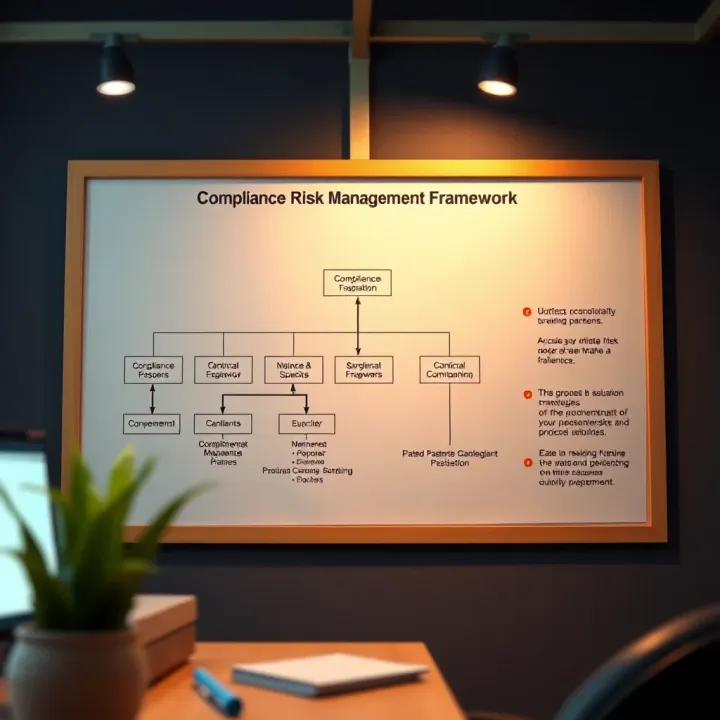
🔍 Learn proven strategies for effective compliance risk management in Kenya to avoid penalties, ensure operational integrity, and tackle local challenges head-on.
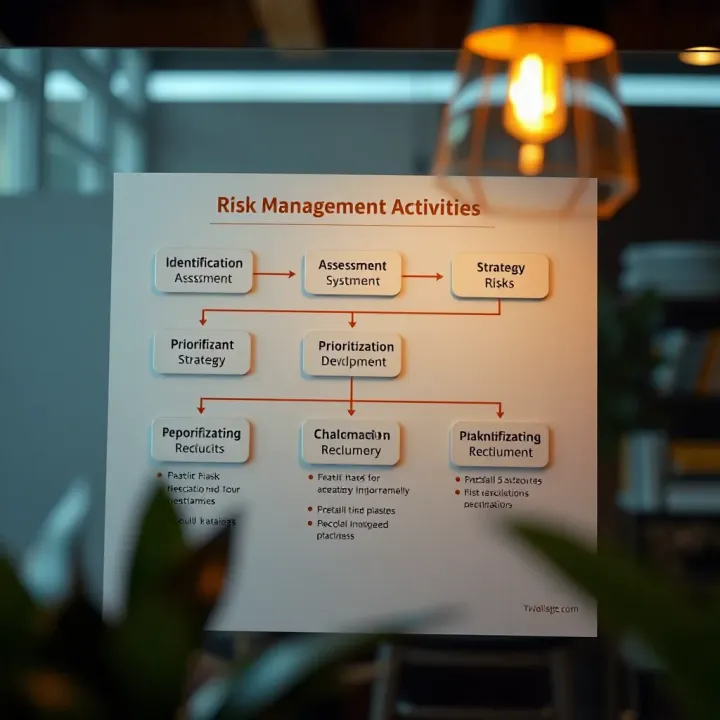
🌍 Learn how to spot, assess, and rank risks then create plans that protect your business or project from losses. Stay ready with practical risk steps fit for Kenya.
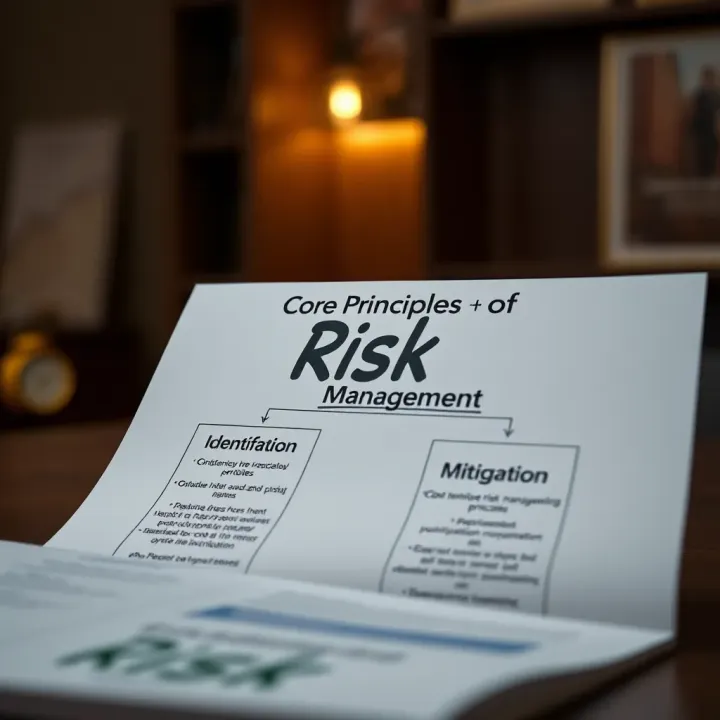
📊 Learn how Kenyan businesses and individuals spot, assess, and manage risks using proven principles. Practical tips for safer decisions and stronger growth locally.
Based on 14 reviews