

Understanding Disaster Risk Management in Kenya
🌍 Explore disaster risk management in Kenya, key strategies, stakeholder roles, challenges faced, and practical ways to boost community resilience and preparedness.
Edited By
Charlotte Bennett
Managing risks effectively is key to protecting your investments, business, or projects from unexpected losses. Risk management isn’t about avoiding risks altogether; rather, it’s about spotting potential problems early and handling them before they escalate. Whether you're trading at the Nairobi Securities Exchange (NSE), running a jua kali business, or dealing with client credit risks, a clear process helps you respond smarter and faster.
Good risk management reduces surprises and safeguards your resources. It’s a tool to keep you ahead of uncertainties, not a guarantee of no loss.
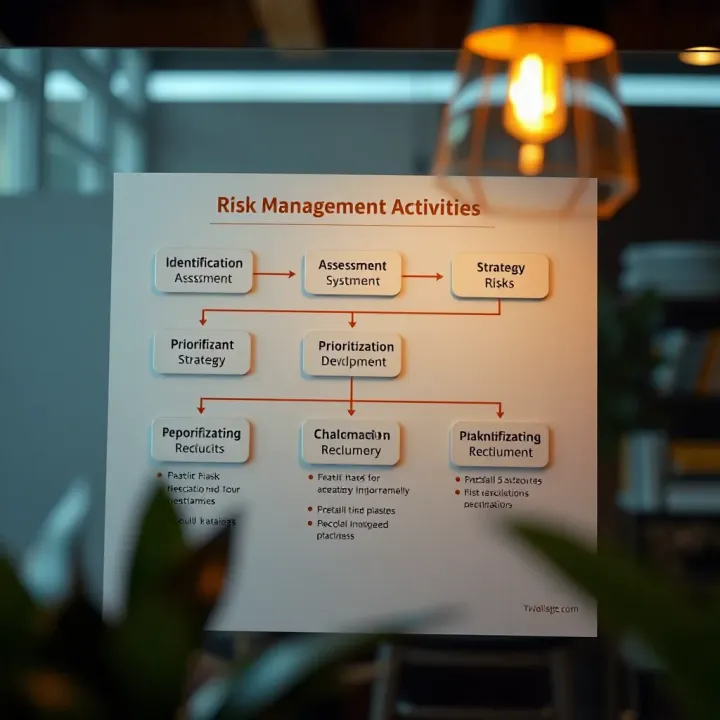
Understanding the steps involved in risk management gives you a practical edge. The process typically involves several key steps:
Identify Risks – Spot the things that could go wrong. For an investor, this might be political instability affecting markets; for a trader, it might be exchange rate fluctuations; for a business owner, supply chain delays or theft.
Assess Risks – Measure how likely the risk is to happen and what the impact will be. This assessment helps you categorise risks by their seriousness, so you focus on those that can cause real damage.
Prioritise Risks – Decide which risks need urgent action and which can be monitored over time. Prioritisation is vital because resources are limited, and not all risks demand the same attention.
Develop Strategies – Create plans to manage, reduce, or transfer the risk. This could mean buying insurance, diversifying investments, tightening security, or setting aside emergency funds.
Monitor and Review – Keep an eye on risk factors and the effectiveness of your strategies. Markets change, government policies shift, and new risks emerge, so regular updates are necessary.
Using this framework, firms and individuals can systematically cut losses and stay prepared. For example, a small business in Nairobi might identify risks such as matatu strike affecting worker attendance or delays in stock deliveries caused by poor road conditions. By prioritising and planning alternatives, like adjusting work hours or finding local suppliers, they reduce the chance of operational disruption.
In Kenya’s context, risk management also ties closely to factors like KRA tax compliance, NHIF contributions, and adapting to seasonal market shifts during long and short rains. The process becomes a practical tool that adapts to the local environment rather than an abstract theoretical exercise.
In the sections to follow, we will break down each step, showing specific ways you can apply them to your trading, investing, or business activities. Understanding these steps will give you a clear, no-nonsense approach to handle risks and guard your interests effectively.
Spotting risks early is critical to managing them effectively. When you catch threats before they grow, you save time, money, and often your reputation. For traders and investors especially, early identification means you can adjust strategies before market shocks take a toll. Think of it like fixing a small leak in a roof before the entire ceiling collapses.
Internal risks arising from operations come from within an organisation or project. These include issues like production faults, staff strikes, or IT system failures. For example, a factory in Nairobi experiencing frequent power outages may face delays in manufacturing. This kind of operational risk can disrupt supply chains and hurt profitability if not managed early.
External risks linked to market conditions originate outside the organisation but impact its performance. Fluctuating foreign exchange rates, inflation, or political instability are common external risks in Kenya. For instance, a maize trader might suffer losses if drought leads to reduced harvests, pushing prices up suddenly. Staying aware of such market indicators can help in adjusting buying or selling decisions promptly.
Environmental and social factors include natural disasters like floods or social unrest such as protests, which can halt business activities. A hotel in Mombasa, for example, may see fewer guests during rainy seasons or after reports of unrest. Awareness of these elements helps businesses plan backup options, such as alternative suppliers or contingency funds.
Brainstorming and team discussions allow organisations to collect diverse views on potential risks. When a stock brokerage gathers its analysts and traders for open talks, they might uncover hidden vulnerabilities in investment portfolios. This method encourages collaboration and uncovers risks that might escape solo review.
Reviewing past incidents involves studying previous mishaps or near misses to avoid repeating the same mistakes. For example, a bank that experienced a cyberattack can analyse how it happened to improve its cybersecurity measures. Learning from history often highlights gaps in current controls and prepares teams to handle future risks better.
Consulting experts and stakeholders brings in specialised knowledge and fresh perspectives. An agribusiness might seek advice from weather experts about upcoming climate trends or engage local farmers to understand ground realities. This approach grounds risk identification in real-world insights rather than assumptions.
Identifying risks early is not just a box to tick. It’s a continuous process that safeguards your investments and business operations by giving you the chance to act before small issues turn costly.
By combining these approaches, traders, investors, and analysts can build a solid foundation to manage risks prudently, suited to Kenya's unique economic and environmental landscape.

Measuring and evaluating risks is a key step in managing uncertainties effectively. It helps you understand which risks are more likely to occur and which ones could have serious consequences. By doing this, you avoid spreading your resources thinly and focus on risks that really matter to your business or investments.
When assessing risks, two main perspectives come into play: qualitative and quantitative. Qualitative assessment is about describing risks using categories such as high, medium, or low likelihood and impact. For example, a trader might judge the possibility of political unrest affecting stock prices as 'high' based on recent news without needing exact numbers. This approach is useful when data is scarce or difficult to measure.
On the other hand, quantitative assessment involves numerical values and statistics. An investor might look at the historical frequency of floods in Kisumu affecting warehouses and calculate a 20% chance of risk every year. Quantitative methods provide clearer metrics for budgeting and making decisions but often require detailed data.
In the Kenyan context, estimating likelihood can be very practical. Consider risks like delayed shipments due to roadblocks in Nairobi or unreliable electricity supply in rural areas affecting production. These risks have different probabilities depending on location and season. Banks, for example, might rate the risk of loan default in informal settlements as higher than in urban centres with stable incomes.
Not all risks deserve the same attention. Risk matrices are common tools to help prioritise. These grids plot the likelihood of a risk against its potential impact. For instance, if a harvest delays due to drought (high impact) is fairly likely, it will appear in the top-right of the matrix, signalling urgent action. Risks plotted in low-likelihood and low-impact zones might be monitored but not actively managed.
Risk scoring methods assign numerical values to both likelihood and impact. Adding these scores gives a combined risk level, which helps decision-makers focus on the riskiest threats. An agribusiness might score theft risks lower than drought risks and allocate resources accordingly.
Balancing the cost of action against the severity of a risk is a practical challenge. Sometimes, the expense of addressing a risk could be higher than the potential loss it might cause. For example, installing backup generators across all branches might be costly for a small company compared to occasional power outages that cause short delays. In such cases, businesses often accept some risks while preparing contingency plans, like arranging flexible working hours around load shedding.
Prioritising risks ensures that your effort matches the threat, preventing waste of valuable resources on unlikely or minor issues.
Ultimately, measuring and evaluating risks prevents guesswork. It offers a clearer picture of what threats could affect your operations or investments and helps you make choices that protect your work and finances smartly.
Planning responses to manage risks is a critical step in the risk management process. It moves organisations from merely identifying and evaluating risks to taking deliberate actions that reduce potential harm. This phase ensures that companies or investors don’t just wait for problems but prepare practical ways to handle them, protecting assets, reputation, and operations. In Kenyan contexts, where uncertainties like market fluctuations, political shifts, or climatic changes are common, a clear plan helps mitigate surprises.
Avoidance by eliminating risk sources involves fully steering clear of activities that generate risk. For example, a trader avoiding investment in highly volatile stocks that have recently shown sharp declines is practising avoidance. This option is effective when the risk is too dangerous or costly to manage. In Kenyan agriculture, avoiding planting crops susceptible to drought during expected dry seasons is an example of risk avoidance because it prevents potential total loss.
Reduction through controls and safeguards means putting measures in place to lower the chances or impact of risks. A Jua Kali workshop installing fire extinguishers and regular electrical inspections reduces fire risk, protecting investments and staff safety. In finance, investors diversify portfolios to reduce exposure to any single market shock, effectively managing risk without giving up on rewards.
Sharing risks with partners or insurance spreads the burden so no single entity faces the full impact. Kenyan businesses often buy insurance covers, like business interruption insurance, to handle losses from unforeseen events. Similarly, joint ventures allow partners to share market or operational risks, enhancing resource pooling while limiting individual exposure.
Acceptance for low-level risks comes when the cost of controlling a risk exceeds its potential impact. Small losses like occasional stock price dips or minor operational delays may be accepted and monitored instead of aggressively managed. This pragmatism allows companies to focus resources on more significant threats without overlooking minor ones.
Setting responsibilities and deadlines is vital to ensure risk treatment measures do not stall. Defining who does what and by when prevents confusion and delays. For instance, a financial analyst may be assigned to monitor exchange rate risks weekly, while a risk manager is charged with updating the mitigation strategy quarterly. Deadlines keep the team accountable and progress visible.
Involving relevant teams and resources boosts the chances of successful implementation. Risk management is not a solo task but requires coordination between departments. For example, the procurement team needs to work closely with legal and finance to manage supplier risks effectively. Allocating resources such as budget for insurance or training makes the plan realistic and executable.
Clear response plans help Kenyan traders, investors, and analysts turn uncertainty into manageable tasks, allowing them to protect their investments and confidently navigate changing environments.
By choosing appropriate response options and translating them into actionable steps, businesses and individuals can face risks head-on rather than reacting after losses occur. This stage sets the tone for practical risk management that safeguards long-term success.
Putting risk controls into practice is where plans turn into real actions that protect a business or project. Without this step, all the effort spent identifying and measuring risks won't prevent losses or failures. This phase involves applying policies and procedures actively so risks are managed daily rather thn just noted on paper.
Training staff on risk awareness is a vital part of controlling risk. Employees who understand potential risks can spot warning signs early, follow safety rules, and avoid mistakes. For example, a supermarket chain in Nairobi trains its workers on handling cash securely and recognising fraudulent transactions, cutting down theft cases significantly. Training also builds a culture where everyone feels responsible for managing risks, not just the management team.
Installing physical and technical controls means putting in place tools and systems to reduce risks practically. Physical controls might include security cameras, fire extinguishers or safes, while technical controls could be software for monitoring network security or automated stock management to avoid shortages. A common case is banks using biometric access and transaction alerts to manage risks linked to fraud and data breaches. Both types of controls complement staff awareness and limit damage when incidents occur.
Safaricom’s approach to operational risks relies heavily on technology and staff training. Given its large customer base and diverse services like M-Pesa and mobile internet, Safaricom faces risks like fraud, system outages, and cyberattacks. The company invests in real-time monitoring systems that flag unusual activity, alongside ongoing staff workshops on security protocols. This combined approach lowers service disruptions and maintains customer trust.
SMEs managing cashflow uncertainties often have less margin for error, so they put controls that suit their scale. Many small businesses in towns like Eldoret use simple budgeting tools and frequent cash count checks to avoid surprises. Some partner with mobile money platforms for transparent record-keeping and quicker reconciliations. These practical steps ensure they stay afloat through seasonal ups and downs or delayed payments from customers.
Without putting risk controls into practice, risk management stays theoretical. Real protection depends on everyday actions, good training, and suitable systems.
Monitoring and reviewing risk management is vital to keep strategies effective and responsive. Businesses and investors in Kenya, especially those operating in dynamic markets like Nairobi’s NSE, need to track risks continuously because what looked like a minor threat yesterday could evolve into a major disruption today. By consistently reviewing risk controls and outcomes, decision-makers can catch warning signs early and avoid costly surprises.
This step also ensures that risk management remains aligned with changing business goals and external conditions. Without regular oversight, organisations risk having outdated strategies that expose them to losses they thought were under control.
Key performance and warning signs to watch: Monitoring key risk indicators (KRIs) helps you spot trouble before it turns into a real problem. For example, a sudden drop in cashflow might signal liquidity risks for a small business, while tighter credit terms from suppliers could foreshadow operational hiccups. Traders and investors might track market volatility indices or credit spreads as early signals of shifting risk levels. Keeping an eye on these signs lets teams respond faster and avoid exacerbating issues.
Using technology for continuous oversight: Modern tools can put monitoring on autopilot. Financial firms in Nairobi use software platforms that alert managers when risk thresholds are breached or unusual transactions occur. Cloud-based dashboards aggregate data from various sources like M-Pesa transactions, stock prices, and supply chain updates, offering a real-time risk snapshot. These technologies reduce manual errors and enable quicker, more accurate decisions, crucial in fast-moving markets.
Learning from incidents and near misses: Not every risk event causes full damage, but even near misses offer valuable lessons. For example, if a Jua Kali workshop narrowly avoids a fire, reviewing what almost went wrong can strengthen safety measures before disaster strikes. Traders who analyse failed deals or unexpected losses gain insights to refine their risk appetite and hedging strategies. Constant learning turns experience into better preparedness.
Adjusting to changes in the business environment: Kenya’s business climate is influenced by factors like regulatory shifts, weather patterns during the long and short rains, and global market trends. Successful risk management means revising plans as these conditions change. For instance, a farming cooperative might re-evaluate drought risk annually based on recent weather data. Similarly, importers respond to changes in currency exchange rates by adjusting payment terms or sourcing locally. Flexibility in strategies keeps risk controls relevant and effective.
Monitoring and reviewing risk management acts like a guard on patrol—it watches over the system continuously and fine-tunes defences, ensuring that risks don't catch you off guard.
Keeping these practices in place helps Kenyan businesses and investors stay resilient amid uncertainty, safeguarding investments and enhancing decision-making quality.
🌍 Explore disaster risk management in Kenya, key strategies, stakeholder roles, challenges faced, and practical ways to boost community resilience and preparedness.
🔍 Learn proven strategies for effective compliance risk management in Kenya to avoid penalties, ensure operational integrity, and tackle local challenges head-on.
🔍 Explore how Kenyan businesses manage risks with clear definitions, key strategies, and real-life examples to safeguard goals and improve operations.
📊 Understand financial risk management for individuals & businesses in Kenya. Learn key risk types, assessment tools, and practical strategies to safeguard assets.
Based on 12 reviews