

Forex Trading Guide for Kenyan Investors
📊 Learn how Kenyan investors can start forex trading wisely. Explore strategies, risks, and tips to trade confidently in the forex market today.
Edited By
Benjamin Clark
Forex trading involves buying and selling currencies to make a profit from their changing values. For many Kenyans, this provides a chance to earn additional income beyond traditional jobs or business ventures. However, it’s not a free-for-all; understanding how the market works and the risks involved is essential before jumping in.
The foreign exchange (forex) market is the largest financial market globally, with daily trades worth over US$6 trillion. Unlike stock markets, forex trading happens 24 hours a day, Monday through Friday, allowing flexibility for those with busy schedules. In Kenya, traders typically use platforms accessible on computers or mobiles, with M-Pesa often used for funding trading accounts.
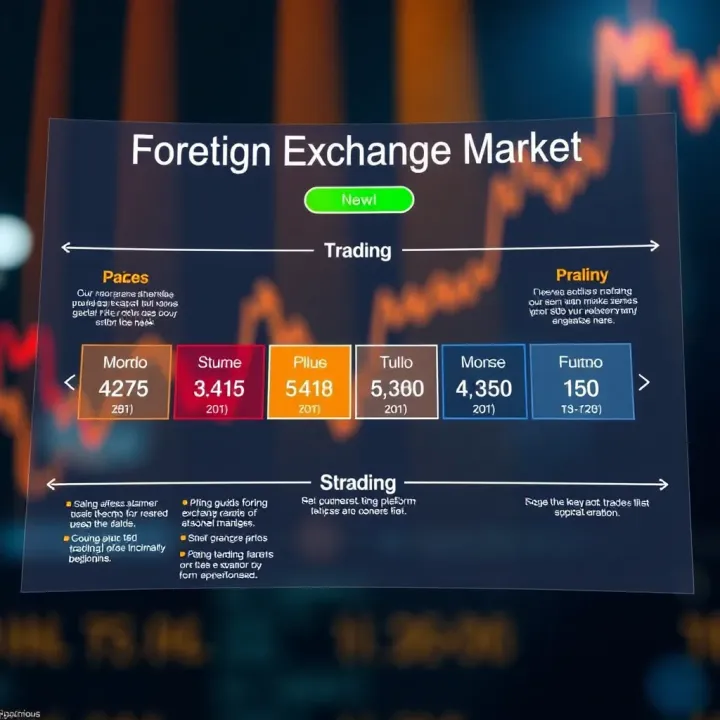
Here are some key basics every Kenyan beginner should know:
Currency pairs: Forex trades always involve two currencies, for example, USD/KES (US Dollar/Kenyan Shilling). Buying means you expect the first currency to strengthen against the second.
Pips and lots: Price changes are measured in pips, the smallest unit of change. A lot is the standard amount of currency you trade, but many brokers offer smaller mini or micro lots for starters.
Leverage: This lets you control a large position with a smaller amount of money. While it can boost profits, leverage also increases losses, so it should be used with caution.
Getting started requires choosing a reliable forex broker registered with the Capital Markets Authority (CMA) Kenya. Some local banks also offer forex trading services, providing familiar channels for deposits and withdrawals. Always verify a broker’s credibility and read reviews to avoid scams prevalent in the market.
Remember, forex trading is not a lottery. It demands discipline, continuous learning, and sound risk management.
In the next sections, we will explore practical steps to open your first trading account, introduce essential tools and strategies, and guide you on how to manage money safely while trading forex in Kenya.
Before you start dipping your toes into forex trading, it’s vital to grasp the basics well. The foreign exchange market isn’t your typical investment place; it works round the clock and involves currencies from all over the globe. For Kenyan traders, understanding how this market functions helps in making better decisions and avoiding common pitfalls.
Forex trading means buying one currency while selling another at the same time. Unlike trading shares or commodities, you’re dealing with currencies as pairs – for example, the US dollar against the euro (USD/EUR) or the Kenyan shilling against the US dollar (KES/USD). Traders try to profit from changes in exchange rates, which can rise or fall depending on various economic and political factors.
The forex market is a decentralized network of banks, brokers, institutions and individual traders. It runs 24 hours a day from Monday to Friday, starting in Asia, moving to Europe, and then the US. This continuous cycle means currency prices can change at any time, reflecting real-time economic news, geopolitical events and market sentiment. Unlike the Nairobi Securities Exchange that has fixed trading hours, forex offers flexibility but demands constant attention.
At the core of forex trading are currency pairs. They represent the value of one currency relative to another. For Kenyan traders, the KES/USD pair might be of particular interest because it reflects the shilling’s strength against the US dollar. Each pair has a base currency (first listed) and a quote currency (second listed). If the pair KES/USD moves from 0.0090 to 0.0095, it means the Kenyan shilling has strengthened against the dollar.
A pip is the smallest price movement in a currency pair, often the fourth decimal place. For example, if EUR/USD moves from 1.2345 to 1.2346, that’s one pip. Understanding pips is crucial for measuring gains or losses in trading. Lots are the trading lot sizes, typically standard (100,000 units), mini (10,000), or micro (1,000). If you buy one standard lot of USD/KES, you’re trading 100,000 US dollars against Kenyan shillings. Smaller lots mean less exposure and risk, making them good for beginners.
Leverage allows traders to control large positions with a small amount of money – your margin. For example, with 1:50 leverage, trading KSh 200,000 requires only KSh 4,000 of your own funds. Leverage can magnify profits but also losses, so it needs careful use. Kenyan brokers provide various leverage options, but it’s wise to start small and increase only when you gain more experience.
When trading, two prices appear: the bid (price to sell) and the ask (price to buy). The difference between them is called the spread, which serves as the broker’s fee. For instance, if the USD/KES bid is 110.10 and ask is 110.15, the spread is 0.05. Lower spreads are better since they reduce trading costs. Spreads can be fixed or variable depending on market conditions. For Kenyan traders, choosing brokers with competitive spreads helps keep trading affordable.
Mastering these basics will help you navigate forex trading more confidently, avoid surprises, and gradually improve your trading performance.
Starting forex trading in Kenya calls for careful planning and understanding of how the local environment shapes your trading experience. This section highlights key steps, like choosing the right broker and properly funding your account, which can make the difference between smooth trading and avoidable troubles.
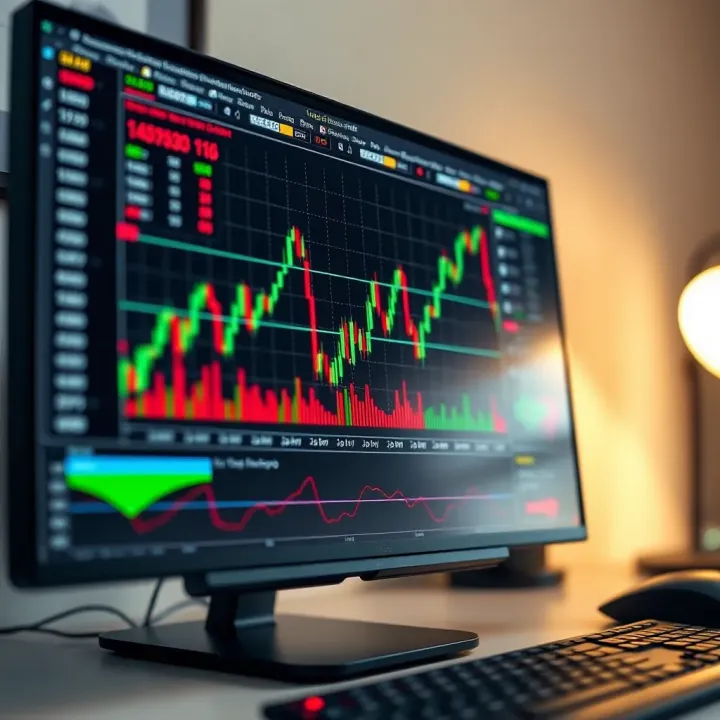
Kenya has its own financial watchdogs, including the Capital Markets Authority (CMA), which ensure brokers operate legally and transparently. Choosing a broker licensed by CMA or other reputable regulators reduces the risk of fraud and gives you some legal protection. For example, brokers regulated in Kenya must follow rules on client fund segregation and transparent pricing, so your money isn’t mixed with the broker’s operating costs.
The platform you use shapes how well you can analyse markets and execute trades. Popular platforms like MetaTrader 4 or 5 are widely supported and come with charting tools, indicators, and automated trading options. Moreover, brokers offering mobile-friendly platforms are important for Kenyan traders who often rely on smartphones with limited data. Look for brokers that offer live market news and responsive customer support to stay ahead.
Easy access to your funds is fundamental. Many Kenyan traders prefer brokers that accept M-Pesa, a mobile payment service, alongside bank transfers. This setup allows instant deposits and quicker withdrawals without hefty fees. For instance, some brokers have integrated M-Pesa paybill numbers directly, so you can fund your account using the mobile money technology you already trust.
Funding your trading account should be straightforward. M-Pesa's widespread use in Kenya means deposits can be made without visiting a bank, often available 24/7. It suits new traders who might not have bank accounts or prefer quicker transactions. Bank transfers remain a reliable option especially for larger amounts. Always confirm any transaction fees or processing times to avoid unexpected delays.
Different brokers ask for different minimum deposits, ranging from as low as KSh 1,000 to more substantial amounts. Starting with a broker that requires a low minimum deposit lets you practise and learn without risking too much. Yet, be wary that very low deposits might limit your trading options or leverage. Assess your budget and trading goals carefully to pick what suits your financial comfort.
Remember, selecting the right broker and funding method can save you from future headaches and keep your trading journey smooth from the start.
By taking these steps seriously, you build a strong foundation for forex trading, tailored for Kenyan market realities and your personal preferences.
Forex trading relies heavily on two main methods: fundamental and technical analysis. Understanding these helps traders in Kenya make better decisions instead of relying on guesswork. While fundamental analysis looks at the economic and political factors affecting currency values, technical analysis focuses on price movements and market patterns. Both approaches can complement each other, offering a fuller picture of the forex market.
Economic indicators like inflation rates, employment figures, and GDP growth directly influence currency strength. For example, Kenya’s inflation rate affects the Kenyan shilling’s value; if inflation rises unexpectedly, the shilling may weaken as purchasing power drops. Traders watch releases of such indicators carefully, as they often cause sharp moves in currency pairs. Understanding these reports helps foresee market trends and adjust trading strategies accordingly.
Central banks, such as the Central Bank of Kenya (CBK), use tools like interest rate changes to control currency value and inflation. When CBK raises rates, it tends to strengthen the shilling because higher yields attract investors looking for returns. Conversely, rate cuts can weaken the currency. Traders must monitor central bank statements and meetings since policy shifts often lead to volatility. Knowing how these policies affect forex markets can guide traders on when to enter or exit trades.
Technical analysis involves studying price charts to spot trends and signals. Charts display the movement of currency pairs over time, showing highs, lows, and closing prices. For instance, a trader might notice that the EUR/USD forex pair has been consistently rising over several days, indicating a bullish trend. Recognising these trends helps traders time their buy or sell orders better.
Indicators, like moving averages or the Relative Strength Index (RSI), provide clues about market momentum or potential reversals. Patterns such as head and shoulders or double tops show likely turning points. For example, if a trader spots a double bottom pattern on the USD/KES chart, it may suggest the shilling is about to strengthen. Using indicators alongside price patterns improves decision-making and reduces reliance on luck.
Support is the price level where buying interest prevents further decline, while resistance is where selling stops prices from rising higher. Traders identify these levels by looking at past price behaviour. In the case of the GBP/USD pair, a resistance level at 1.39 means the price has struggled to break above that point. Recognising support and resistance helps set stop-loss and take-profit orders, preserving capital and locking in gains.
Combining fundamental and technical approaches provides a clearer view of forex market dynamics. While fundamentals explain why prices move, technical analysis shows how prices move, making both essential tools for Kenyan forex traders.
Managing risks is the backbone of successful forex trading, especially for Kenyan beginners who may still be finding their footing in a volatile market. Without proper risk management, traders can quickly lose their capital, sometimes in just a few trades. Protecting your capital means using strategies to limit losses and secure profits, allowing you to stay longer in the game and learn from experience without blowing your account.
The foreign exchange market can be wildly unpredictable. Market volatility refers to how sharply currency prices change over short periods. For instance, unexpected news about Kenya’s inflation or an announcement by the Central Bank of Kenya (CBK) can cause the Kenyan shilling (KES) to move suddenly. Such swings offer opportunities for profit but also pose big risks. If a trader does not anticipate volatility, a sudden price drop can wipe out gains quickly.
Leverage allows traders to control larger positions with a small amount of capital, meaning you can open trades worth much more than your deposit. While leverage can multiply profits, it also magnifies losses. For example, using 100:1 leverage means a 1% price move against you can wipe out your entire deposit. Many beginners fall into the trap of over-leveraging, resulting in margin calls or forced liquidation. It’s critical to use leverage carefully and understand the exposure it creates.
Trading is not only about numbers; your mind plays a huge role. Fear and greed often lead traders to make poor decisions, such as holding onto losing positions too long hoping the market will turn or jumping into trades without a plan. Emotional trading can quickly drain your capital. Staying disciplined, sticking to your strategy, and controlling your emotions are as important as understanding charts and fundamentals.
A stop-loss order automatically closes a trade when the price reaches a level you cannot afford to lose beyond. For example, if you buy USD/KES at 110 and set a stop-loss at 108, the trade closes automatically if the price drops to limit losses. Similarly, take-profit orders secure your gains by closing trades once a target price is hit. These orders help take emotions out of the equation and manage risk actively.
Position sizing means deciding how much of your capital to risk on each trade. Many Kenyan traders choose to risk no more than 1-2% of their total account on a single position to avoid big losses. Alongside this, diversification involves spreading trades across different currency pairs or strategies to avoid heavy exposure to one market movement. For instance, instead of putting all your funds in USD/EUR, you can also trade USD/JPY or even commodity-linked currencies like AUD or CAD to balance risk.
Keeping a detailed trading journal helps you track what works and what doesn’t. Write down the reasons for entering and exiting trades, your emotions, and the outcomes. Reviewing your journal regularly can highlight patterns of mistakes or successful moves. For Kenyan beginners, this habit can quickly improve discipline and strategy refinement, allowing you to protect your capital better as you grow in experience.
Wise money management and risk control can mean the difference between losing your hard-earned savings and building steady growth in forex trading. Always plan your trades thoughtfully and stay in control of your decisions.
Creating your own forex trading strategy is essential for consistent success and managing risks in the volatile currency market. A well-thought-out strategy helps you avoid impulsive decisions driven by emotion or market hype. Instead, it anchors your trading activity to clear rules tailored to your personal goals, risk appetite, and available time.
Before starting to trade, it's important to set achievable goals based on your experience and resources. For example, aiming to earn a steady KSh 10,000 per month from a small account is more reasonable than expecting to double your capital overnight. Define what you want to achieve—whether building a side income or saving for school fees—and align your risk and trade sizes accordingly.
Develop a trading plan that specifies your entry and exit criteria, acceptable risks per trade, and how many trades you'll take daily or weekly. This keeps you disciplined and helps evaluate performance objectively. Keep your plan flexible enough to adjust as you learn more about market behaviours and your own strengths.
Day Trading involves opening and closing trades within the same day to profit from small price movements. This style suits traders who can monitor the markets for several hours, often during overlaps between London and New York sessions when volatility is highest. For example, a day trader in Nairobi might focus on the EUR/USD pair during peak hours, aiming for quick gains without holding trades overnight.
Swing Trading holds positions for a few days up to a couple of weeks, benefiting from medium-term price trends. Swing traders typically use technical indicators like moving averages or trendlines to spot entry points. This style suits those with limited time to watch the market daily but who can check charts every evening. For instance, a swing trader might buy USD/JPY after spotting a chart pattern signalling an upward trend.
Position Trading takes a longer-term view, holding trades for weeks or even months based on fundamental analysis or major market trends. Position traders in Kenya might follow global economic news like US interest rate changes or oil prices, making fewer trades but aiming for larger profits over time. This style requires patience and a solid understanding of macroeconomic factors affecting currencies.
Before risking real money, it's wise to backtest your strategy using historical data or practice on demo accounts offered by most brokers. Backtesting lets you see how your strategy would have performed in past market conditions without financial risk. For example, testing a trend-following method on the EUR/USD pair over the last year can reveal its strengths and weaknesses.
Demo trading simulates real market conditions with virtual funds, allowing you to practise order execution, money management, and responding to market moves. Kenyan traders can use brokers that accept M-Pesa deposits for easy transition from demo to live accounts. This hands-on practice builds confidence and iron out errors in your approach.
Developing and sticking to your own trading strategy is the backbone of sustainable forex trading. It gives you control, helps manage risk, and boosts your chances of success in the busy world of currency markets.
📊 Learn how Kenyan investors can start forex trading wisely. Explore strategies, risks, and tips to trade confidently in the forex market today.
🤖 Explore how forex trading bots work, their benefits, risks, and tips for Kenyan traders. Learn strategies, types, and legal points to trade smartly.

🌍 Start your forex trading journey with clear insights and smart tips! Learn strategies, risk management, and market analysis tailored for beginners in Kenya.
📈 Discover how forex binary trading works in Kenya! Learn key strategies, legal tips, and risks to trade smart and stay informed in this volatile market.
Based on 12 reviews