

Top Books to Learn Forex Trading in Kenya
📚 Discover essential books for learning forex trading in Kenya! From basics to advanced tips, master strategies and risk management confidently.
Edited By
Benjamin Clark
Forex trading has become a popular avenue for Kenyans looking to earn extra income or build wealth. With M-Pesa and mobile internet making market access easier, many traders want to deepen their understanding through reliable resources. Books remain one of the best ways to learn solid trading concepts, strategies, and risk management in a clear, structured way. For busy Kenyan traders, PDF formats offer convenient access anytime, anywhere—whether during a break at a duka or while travelling in a matatu.
This article focuses on some of the top forex trading books available in PDF form, tailored to Kenyan traders who want actionable insights without wasting time. These books cover essential topics like reading charts, spotting trends, understanding leverage, and protecting against volatile currency swings common in emerging markets. Importantly, they also explain how to navigate risks while applying strategies suited to the Kenyan financial ecosystem.

Not all PDFs online are legal or safe to download. It’s critical to access content through authorised channels, such as official websites or trusted educational platforms. This protects you from malware and supports the authors who really put work into sharing their knowledge. Many publishers now offer affordable, downloadable versions suitable for mobile or PC reading.
Keeping your knowledge up-to-date by reading well-recommended trading books in PDF form can boost your confidence and sharpen your trading decisions.
Here’s what to expect from the books covered:
Clear explanations of forex fundamentals and key terms
Practical strategies adaptable to both beginners and seasoned traders
Risk management tips relevant to Kenyan economic conditions
Local market examples or insights that connect global forex to Kenyan shilling dynamics
Whether you’re a new trader trying to grasp the basics or an investor aiming to refine your strategy, having selected PDF books at your fingertips can make learning flexible and efficient. This guide will also give practical advice on how to use these resources optimally, including note-taking and applying concepts directly on platforms like Safaricom’s M-Pesa or local forex brokers.
Next, we will explore some of the standout books that have proven useful to Kenyan traders seeking to build solid forex skills.
Getting a firm grasp of forex trading fundamentals is what sets the foundation for any trader, especially in Kenya where the market dynamics can be quite unique. Before investing hard-earned KSh or even time, understanding the nuts and bolts of the forex market helps avoid guesswork and costly errors. For example, knowing how currencies move against each other means you won’t misinterpret price charts or the impact of news events.
Forex trading always involves two currencies paired together, such as USD/KES (US Dollar to Kenyan Shilling). The first currency is the base, and the second is the quote. The price tells you how much of the quote currency you need to buy one unit of the base currency. For instance, if USD/KES is at 120, it means 120 Kenyan Shillings buy one US Dollar. This directly influences trading decisions – if you expect the shilling to weaken, you might buy USD/KES, hoping to sell later for profit.
Understanding currency pairs also helps in risk management. Some pairs are more volatile than others, meaning their prices swing more wildly. Being aware of this allows you to adjust your investment size accordingly.
Major pairs include the most traded currencies globally, like EUR/USD or USD/JPY. These have high liquidity and tighter spreads, which means lower trading costs. Kenyan traders often prefer pairs involving the US Dollar, Euro, or British Pound because they offer more reliable price movements and plenty of market information.
Minor pairs exclude the US Dollar but involve other strong currencies, such as EUR/GBP. Exotic pairs combine a major currency with one from an emerging market, for example USD/ZAR (South African Rand). While exotic pairs can offer good opportunities, they tend to be less liquid and have wider spreads – making it pricier and riskier for day traders or beginners without substantial capital.
Leverage allows traders to control a larger position with a smaller amount of money, called margin. For example, a 1:100 leverage ratio means you can trade KSh 100,000 in forex by putting down only KSh 1,000. While this magnifies profits, it also amplifies losses, sometimes wiping out the margin rapidly if the market moves against you.
Kenyan traders must understand leverage carefully, especially with many brokers offering high ratios. Using a demo account to practice helps before committing real funds. It’s wise to use leverage conservatively to protect your capital from sudden market swings.
A forex broker acts as your intermediary, providing access to the market through a trading platform. This platform is where you execute trades, analyse charts, and manage your account. Popular platforms include MetaTrader 4 (MT4) and MetaTrader 5 (MT5), both user-friendly and widely supported by brokers in Kenya.
Choosing a trustworthy broker is crucial. They must be regulated by recognised bodies like the Capital Markets Authority (CMA) in Kenya, ensuring your funds are safe. A good platform offers features like real-time price updates, technical indicators, and easy deposit/withdrawal methods, including M-Pesa integration.
Understanding these forex fundamentals equips Kenyan traders to approach the market with confidence, manage risk wisely, and choose the right tools for trading success.

Choosing the right forex trading books can greatly influence your learning curve, especially if you trade in Kenya’s unique financial environment. It’s not just about the book's popularity but how well it suits your specific needs as a trader here. Key factors such as author credibility, content relevance to the Kenyan market, and how accessible the reading materials are, make a big difference.
The trustworthiness of a forex book often hinges on the author’s background. Experienced traders or market analysts who have navigated both global and local forex landscapes bring valuable insights that go beyond basic theory. For instance, a book by a seasoned trader familiar with East African currencies offers knowledge tailored to regional volatility and market behaviour. It's wise to look out for authors with verifiable track records, published research, or recognised contributions in forex education. Sidestepping books by unknown writers reduces the risk of misleading or outdated information.
Forex markets worldwide share fundamentals, but local factors can greatly affect trading outcomes. A quality book should address how Kenya’s economic indicators, such as Central Bank of Kenya policies, inflation rates, or even political shifts, influence currency movements. For example, the Kenyan shilling’s response to election periods or trade balance changes can be quite specific and crucial for local traders. By focusing on these aspects, books help you strategise based on real, tangible risks and opportunities rather than generic advice.
Complex jargon or overly technical concepts often scare beginners or intermediate traders. Quality resources explain strategies in straightforward terms, using relatable examples. For Kenyan traders, practical approaches might include managing trades with limited capital or exploiting common trends in the NSE or forex pairs like USD/KES. Strategies that integrate mobile trading tools and M-Pesa payment methods also add value by linking theory to everyday practice.
Downloading forex books as PDFs might seem convenient but ensuring these are legal is vital. Some free PDFs you find online may violate copyright laws or even contain inaccurate content. Using legitimate sources, such as official author websites or trusted educational platforms, protects you from potential malware and legal troubles. Plus, legal PDFs typically have recent editions reflecting the latest market developments, which is crucial to staying ahead.
Since many Kenyan traders rely on smartphones for learning on the go, PDFs should be easy to view and navigate on smaller screens. Books formatted with clear headings, searchable text, and adaptable layout improve the experience. For example, a PDF designed for mobile displays helps avoid endless zooming or scrolling, which can break concentration and slow your study. Choosing readable PDFs ensures you keep learning anytime—between matatu rides or during breaks.
Selecting forex books carefully shapes your ability to trade confidently, especially in Kenya’s dynamic market. Prioritise credible authors, relevant content, and accessible formats to get the best from your reading time.
Choosing recommended forex trading books in PDF form is a practical way for Kenyan traders to deepen their understanding without spending heavily on physical copies. These books offer extensive knowledge on technical analysis, fundamental factors, and trading psychology—three pillars that can shape your trading success. PDFs are especially handy for studying on the go, whether you're on a matatu or at a coffeeshop. Access to quality books also helps to avoid unreliable information from scattered internet sources.
Technical analysis books focus on chart patterns, indicators, and price actions that allow traders to interpret market movements. For Kenyan traders who often rely on quick decision-making due to fluctuating currency volatility, mastering this approach can help identify entry and exit points effectively. Practical applications include using moving averages or RSI (Relative Strength Index) to spot trends or reversals, which are crucial in markets that respond quickly to geopolitical or economic news.
Popular titles include "Technical Analysis of the Financial Markets" by John Murphy, which breaks down concepts in an easy-to-understand way, and "Japanese Candlestick Charting Techniques" by Steve Nison, offering insights into candlestick formations that help predict potential price shifts. Both books provide charts and examples you can refer to while practising on your preferred trading platforms like MetaTrader or Thinkorswim.
Fundamental analysis books explain how global events, economic data releases, and central bank policies affect currency values. For instance, understanding how CBK (Central Bank of Kenya) interest rate decisions or US non-farm payroll figures impact forex pairs offers a critical edge. These books teach traders to interpret indicators such as GDP growth, inflation rates, and balance of payments.
Authors like Paul Robinson and James Chen are well-regarded for their clear explanations of complex economic principles in the forex context. Their works help Kenyan traders appreciate how local and international economies intertwine and influence price action beyond what charts can show. This understanding leads to better long-term strategy planning and currency pair selection.
Maintaining the right mindset is vital. Books focusing on trading psychology explain how emotions like fear and greed can cloud judgement, leading to costly mistakes. They stress discipline, patience, and self-awareness – traits often tested during Kenya’s sometimes volatile market hours when economic news hits or geopolitical tensions flare.
Risk management guides go hand-in-hand by teaching methods to protect your capital. This includes setting stop-loss orders, calculating risk per trade (usually no more than 1-2% of your account), and diversification. Practical techniques found in books such as "Trading in the Zone" by Mark Douglas and "The New Trading for a Living" by Alexander Elder provide frameworks to manage both emotional and financial risks. For Kenyan traders, combining these methods with real-time monitoring tools ensures you stay in control even during sudden market swings.
A solid foundation in technical, fundamental, and psychological trading knowledge improves your chances of success, especially when combined with consistent practice and discipline.
Selecting the right PDF books tailored to these three areas equips you with comprehensive skills to trade forex more confidently and profitably from Nairobi, Mombasa, or Kisumu.
Accessing forex trading books in PDF form safely and legally is a key step for Kenyan traders looking to build solid knowledge without risking malware or legal trouble. These resources offer valuable insights, but illegally downloaded or unsafe files can compromise your computer or lead to copyright infringement issues. Therefore, knowing where and how to get your learning materials is just as important as the content itself.
Many respected forex authors or publishers offer PDFs directly on their official websites. This ensures you receive authentic, updated versions of the books. For example, well-known traders like Alexander Elder or Kathy Lien sometimes share sample chapters or full guides legally through their sites or linked educational portals. Kenyan traders benefit by getting reliable content with no hidden risks. Besides, purchasing or downloading from these legitimate sources supports the authors who put effort into crafting useful materials.
Kenya’s universities and technical colleges occasionally provide access to forex and financial trading resources through their digital libraries. Institutions such as the University of Nairobi or Strathmore University maintain collections that include economic and trading materials relevant to students and researchers. Registered users can access PDFs legally, often integrating this learning with their course work, which is a practical advantage for anyone serious about trading informed by academic standards.
Several online libraries and educational platforms cater to different budgets. Free platforms like Project Gutenberg or Open Library may have older trading books available legally, providing a solid base for beginners. Paid services or membership-based sites, on the other hand, offer updated and specialised content, often with extra features such as interactive charts or expert commentary. Kenyan traders should weigh their learning goals before choosing, ensuring investments in legal materials enhance practical skills effectively.
Downloading PDFs from unverified sources can expose your device to malware such as viruses or ransomware, putting personal data at risk. Besides technical threats, pirated copies violate intellectual property rights, potentially leading to legal consequences that could extend even internationally. For Kenyan traders, this represents not only financial loss but damage to reputation and trustworthiness in online trading circles.
To avoid these risks, always verify the source before downloading forex PDFs. Check for websites with secure connections (https), look for clear author or publisher credentials, and read user reviews or forum comments for feedback. When possible, access materials via recognised platforms like Amazon Kindle or authorised educational portals. Kenyan traders can also ask in local trading communities about trusted sources, ensuring shared recommendations come from verified experience.
Accessing forex trading PDFs safely and legally protects your learning journey and digital security. Treat your resources like you would your capital in trading — with care and due diligence.
Using PDFs to learn forex trading offers great flexibility, especially for Kenyan traders balancing busy schedules. However, reading alone won’t make you a better trader. You need to combine theory with practice and supplement your learning with other resources to see real progress in your trading journey.
Practising alongside reading helps turn knowledge into skills. Many forex brokers offer free demo accounts where you can trade virtual money in real market conditions. Using a demo account as you study PDFs allows you to test strategies and experiment without risking your own cash. For instance, after reading about managing leverage in a PDF, try applying the exact concepts on your demo account. This hands-on approach helps you understand how leverage magnifies both profits and losses in real time.
Tracking your progress is equally important. Keep a trading journal where you record the strategies you tested, outcomes, mistakes, and lessons learned. When a PDF emphasises risk management, note how you applied stop-loss orders or position sizing in your demo trades. Over time, you’ll spot patterns in your trading behaviour and refine your approach based on actual results rather than theory alone.
PDFs provide a solid foundation, but live guidance can accelerate understanding. Online courses and webinars by experienced forex educators often include video demonstrations and Q&A sessions, offering clarity on complex topics found in books. Many Kenyan platforms and brokers host regular webinars tailored for local traders, incorporating East African market nuances and currency pairs relevant to the region.
Joining Kenyan forex communities and trader groups adds another layer of learning. Platforms like WhatsApp groups or Facebook communities allow you to share insights, ask questions, and hear real experiences from traders facing similar challenges. Peer support can keep you motivated and provide fresh ideas to apply alongside your PDF learning. Whether it’s tips for timing the forex market or managing emotions during volatile sessions, local groups bring context and camaraderie you won’t find in books alone.
Practical experience and continuous learning together build the confidence and skillset needed for success in forex trading. PDFs are a great starting point, but their value multiplies when combined with demo account practice, supplementary courses, and community interactions.
By integrating these methods, Kenyan traders can make the most of available PDF resources and steadily grow their mastery of forex markets.
📚 Discover essential books for learning forex trading in Kenya! From basics to advanced tips, master strategies and risk management confidently.

Explore top forex trading apps for Kenyan traders 📱. Learn to choose safe platforms, spot key features, and boost your trading skills effectively.

Explore top forex trading companies in Kenya 🇰🇪, learn about regulators, pick trusted brokers, and get practical tips to start smart and safe 📈💡.
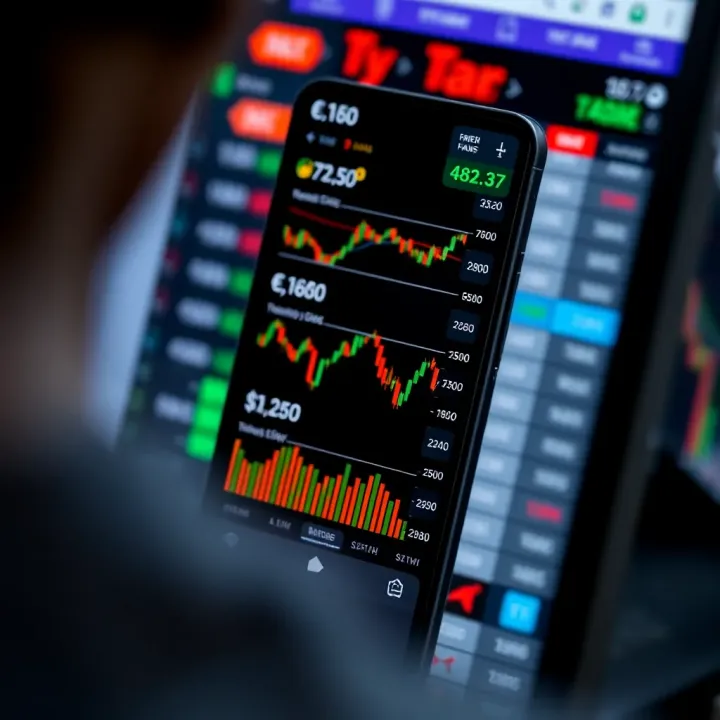
Explore top forex trading apps tailored for Kenyan traders 📱. Learn to choose wisely, ensure security 🔒, and trade confidently in Kenya’s forex market!
Based on 15 reviews