

Top Forex Trading Apps for Kenyan Traders
Explore top forex trading apps for Kenyan traders 📱. Learn to choose safe platforms, spot key features, and boost your trading skills effectively.
Edited By
Benjamin Foster
Forex trading is gaining momentum in Kenya, with more people looking beyond traditional strategies to improve their results. One key development is the rise of trading robots, automated programs that handle buying and selling directly on the forex market. These forex robots, also called Expert Advisors or EAs, use pre-set rules and algorithms to scan market data, spot opportunities, and execute trades instantly.
Many Kenyan traders are adopting robots because emotions like fear or greed often cloud human judgment, leading to inconsistent decisions. Robots stick to the plan, operating with speed and discipline even when the market swings wildly. For example, a trader struggling with quick decisions during volatile hours can rely on a robot that executes trades based on technical indicators without second-guessing.

As Kenyan forex markets become more accessible and competitive, robots help level the playing field by automating tasks that would otherwise demand constant monitoring. They can work 24/7 across different currency pairs, freeing traders from sitting in front of screens all day. This suits busy professionals or even youths starting forex trades with limited time.
That said, robots are not magic wands. Their effectiveness depends on the quality of the programming and the market conditions. Poorly designed robots may lead to losses just as fast as gains. That’s why it’s crucial for traders to understand how these systems work. Most successful forex robots follow clear rules, such as moving average crossovers or relative strength index levels, and risk management parameters like stop-loss limits.
Automated trading offers consistency and efficiency, but Kenyan traders must balance its promise with practical risks and careful selection.
In the following sections, we will explore the workings of forex robots in Kenya, their tangible benefits and common risks, and share tips for selecting and using them wisely. This insight will help traders make informed choices and potentially improve their trading performance in an increasingly automated environment.
Knowing how forex trading robots work is key for anyone serious about trading in Kenya’s fast-growing forex market. These tools offer a way to trade more efficiently by handling market analysis and executing trades automatically, cutting down on errors from emotions or fatigue. Getting familiar with their functions helps traders decide if and how to use them for better consistency and risk management.
Forex trading robots are computer programmes designed to automate trading decisions. They follow specific algorithms based on technical indicators, price patterns, or other trading signals to decide when to enter or exit trades. Instead of manually analysing charts and placing orders, the robot handles these tasks, aiming for faster and more disciplined trading.
For example, a robot may scan the EUR/USD currency pair, looking for moving average crossovers or RSI (Relative Strength Index) values to signal a buy or sell. Once it spots the right conditions, it places orders immediately, reducing the time lag a human trader might have.
These robots connect to forex trading platforms such as MetaTrader 4 or 5, executing trades directly via the trader’s account. They constantly monitor live market data and apply their programmed strategies to open, manage, and close positions without human input. This automated approach allows trading around the clock, reacting instantly to market moves.
In practice, a Kenyan trader can set up a forex robot on their laptop or VPS (Virtual Private Server) to ensure smooth operation even when the trader is offline. This is especially handy given Kenya’s occasional power and internet challenges, ensuring the robot keeps running without interruption.
Forex robots generally fall into two main types: fully automated and semi-automated systems. Fully automated robots manage everything—from analysing data to executing trades—without any human intervention. Semi-automated systems, however, require the trader to authorise trades or adjust settings manually, offering more control but less convenience.
For instance, a fully automated robot might trade based on a scalping strategy, making quick trades to exploit tiny price movements. A semi-automated one might alert the trader when signals appear, waiting for approval before placing orders. Kenyans new to forex prefer semi-automated systems initially to understand the market, then move to full automation as they gain confidence.
MetaTrader remains the most popular platform hosting forex robots for Kenyan traders because of its reliable interface and wide support for expert advisors (EAs). Many Kenyan brokers provide MT4 and MT5 accounts, allowing easy robot integration.
Besides MetaTrader, platforms like cTrader and NinjaTrader have growing interest among Kenyans wanting robust charting and advanced robot options. Some local forex communities and forums also recommend Kenyan-specific robots or those optimised for African markets, considering local currency pairs and market hours.
Remember: While robots can improve trading efficiency, choosing a well-tested and reputable system is vital to avoid scams or poor performance, especially in Kenya’s dynamic forex environment.

Understanding these robots lays a foundation for using them smartly in Kenya’s forex scene, making trading less stressful and more systematic.
Forex robots have become popular among Kenyan traders for the promise of consistent trading and reduced emotional bias. However, understanding both their advantages and potential pitfalls is essential before relying heavily on these automated tools. This section highlights the key benefits and risks to keep in mind when using forex robots in the Kenyan market.
Removing emotional decision-making
One clear advantage of forex robots is their ability to remove human emotion from trading decisions. Emotional reactions often lead traders to make impulsive moves, like holding onto losing trades too long or exiting winners early. Robots follow predetermined rules without getting shaken by market fluctuations. For example, a trader in Nairobi using a robot can avoid panic selling during volatile sessions, maintaining discipline which is often hard to achieve manually.
Ability to trade 24/7
Forex markets operate around the clock, but human traders cannot watch their screens nonstop. Robots can trade continuously without breaks, catching opportunities anytime they arise—even while the trader is sleeping or busy. For Kenyan traders navigating work and family demands, this means not missing out on trades during off-hours like the Asia or US sessions. However, continuous trading also necessitates some monitoring to catch unusual behaviour or internet disruptions.
Backtesting strategies for consistency
Robots can run backtests by applying their algorithms to historical market data to check how trading strategies would have performed in the past. This allows traders in Kenya to gauge the potential profitability and risk before committing real funds. For instance, a forex robot that shows steady gains over five years of data gives a better confidence level than random guessing. Still, past performance does not guarantee future results and conditions can change.
Over-reliance on automated systems
Relying entirely on robots can be risky since no system is foolproof against sudden market changes or unexpected global events. Kenyan traders might miss the chance to intervene or adapt if they assume the robot will handle everything perfectly. Forex trading still requires some oversight and understanding of market fundamentals.
Market risks and technical failures
Forex robots depend on stable internet connections and smooth software operation. In Kenya, frequent power outages or slow networks can hinder robot performance, causing missed trades or delayed order execution. Technical glitches within the robot’s code may also lead to losses, underscoring the need for reliable platforms and regular updates.
Potential for scams and unreliable bots
The growing interest in forex robots has attracted dishonest providers selling ineffective or fraudulent programs. Some robots promise unrealistic returns or lack transparent strategy details. Kenyan traders need to research thoroughly, seek peer reviews, and avoid deals that sound too good to be true. The risk of losing hard-earned money to scams remains a significant concern.
While forex robots offer promising advantages like emotion-free trading and round-the-clock market access, a cautious approach that recognises their limits helps Kenyan traders avoid costly mistakes. Combining automated tools with personal insight and careful monitoring creates the best chance for success in the fast-moving forex world.
Selecting the right forex trading robot is a key step for Kenyan traders aiming to improve their market edge. The choice affects not only potential profits but also how well the robot fits local trading conditions, such as internet reliability and regulatory requirements. Making a poor buy can cost more than money—it wastes time and effort, sometimes leading to losses that shake a trader’s confidence.
Not all forex robots operate the same way. Some are designed for scalping, while others work better with trend following or range trading. Before purchasing, you need to ensure the robot’s trading style matches your own strategy or risk appetite. For example, if you prefer longer-term trades, a robot focused on quick, intraday moves might not serve you well.
Compatibility also matters because Kenyan traders often use platforms like MetaTrader 4 or MetaTrader 5. The robot must support your preferred platform seamlessly. Moreover, local market peculiarities, such as volatility around Kenya shilling pairs or reaction to local economic data, require robots that have been tested or customised for these factors.
A reliable forex robot will offer clear backtesting data — records showing how it performed over past market conditions. These results help gauge if the robot consistently yields profits or just had a lucky streak. But results can be misleading; look for realistic testing periods, preferably covering various market phases, including highs and lows.
Transparency also means the provider should clearly explain the assumptions behind their tests and make the raw data available for verification. For instance, a bot claiming 90% success but without details on drawdowns or trade frequency might be hiding risks. Always treat backtesting reports as one piece of your decision, not the whole story.
Forex market dynamics keep changing, which means robots need regular updates to maintain effectiveness. Buyer support is crucial too. If your robot stops working or the software encounters bugs, timely help makes all the difference.
Look for vendors who offer live chat or email support during Kenyan market hours and provide regular software maintenance. Community forums or local user groups add extra value, letting you share experiences and learn from fellow traders. Consider a robot subscription model that includes upgrades instead of one-off purchases without ongoing care.
Kenyan forex groups on social media and trading forums provide firsthand information about which robots deliver and which fall short. These communities help expose scams as well since word spreads quickly when a robot fails or behaves suspiciously.
Reading genuine user reviews is valuable but be wary of overly positive or poorly detailed comments. Participate actively if possible, asking about real money results, ease of use, and platform compatibility. Community feedback often points you to robots tailored for Kenya’s market realities, like those handling local trading hours or KRA tax reporting.
Popular international platforms like the MQL5 Market or independent websites offer a wide variety of forex robots, often at competitive prices. However, buying from these sources means less local support and sometimes incompatibility with Kenyan broker setups.
In contrast, Kenyan forex brokers sometimes package their own or partner with vetted robot providers aware of the East African market conditions. While these options might be pricier or less varied, they come with the advantage of direct customer support, smoother integration, and compliance assurance with regulations from bodies like the Capital Markets Authority (CMA).
Hence, Kenyan traders must weigh the benefits of broader choice against the assurance of local support and regulatory compliance when deciding where to source their forex robot.
Choosing a forex robot wisely requires careful research and understanding of how the tool fits your strategy and Kenya’s trading environment. Take time to evaluate, and your trading journey will be more likely to succeed.
In Kenya’s fast-growing forex trading scene, using robots effectively can give traders a serious edge. Automated trading tools help manage trades with speed and consistency, but their success depends on how well they fit individual trading styles and real market conditions. Understanding how to integrate robots wisely into your trading plan and navigating local operational challenges is key to gaining the most from this technology.
Setting realistic expectations is vital when using forex robots. These tools don’t guarantee profits every time; instead, they follow algorithms that perform based on historical data and certain market conditions. In Kenya, where market volatility can spike during events like elections or major economic releases, expecting a robot to work flawlessly at all times is setting yourself up for frustration. Consider a robot as a helper that reduces human emotion but still requires your oversight and strategy alignment.
For example, if your trading plan targets medium risk with moderate returns, picking a robot designed for aggressive high-frequency trades may cause conflicts. Balance the robot’s settings with your risk appetite and remember that losses happen, just like any other method.
Monitoring performance and tweaking settings is a continuous process. Forex robots aren’t set-and-forget tools; they need regular checks to confirm they are responding well to current market behaviour. Kenyan forex traders might find it beneficial to adjust parameters during peak market times, such as the London or New York sessions, when volatility is higher.
Keep track of key indicators like drawdown, win ratios, and trade frequency. Many platforms used locally, such as MetaTrader, provide detailed reports and allow you to adjust stop-loss or take-profit levels. Regular reviews help you spot if the robot drifts from your expectations or if market patterns have shifted, ensuring better control over your trades.
Understanding Kenya Revenue Authority (KRA) and Capital Markets Authority (CMA) regulations on forex is crucial before relying on any robot. Forex trading profits are taxable under KRA, and traders must declare earnings properly via the iTax platform. The CMA regulates trading platforms and brokers offering forex services locally to protect investors against fraud.
Using robots doesn't exempt you from these rules. Ensure your broker is registered with CMA and that your trading activities, including those executed by robots, follow legal guidelines. Some traders neglect this step and later face issues with the taxman or regulatory bodies, impacting long-term sustainability.
Considering internet reliability and power issues in Kenya is practical but often overlooked. Unlike markets in developed countries with near-perfect uptime, Kenya still experiences frequent power outages and unstable internet, especially outside major cities. Forex robots need uninterrupted connections to execute trades efficiently; any disruption can lead to missed opportunities or unexpected losses.
Many traders rely on mobile data as a backup if home internet drops. Others invest in uninterruptible power supplies (UPS) to keep their computers running during blackouts. Being prepared with such solutions keeps your robot operating smoothly and prevents technical setbacks that may hurt your profits.
Effective use of forex robots in Kenya means blending technology with local realities—from market behaviour to infrastructure challenges. Staying informed and hands-on ensures these tools truly support your trading goals.
Explore top forex trading apps for Kenyan traders 📱. Learn to choose safe platforms, spot key features, and boost your trading skills effectively.

Explore top forex trading companies in Kenya 🇰🇪, learn about regulators, pick trusted brokers, and get practical tips to start smart and safe 📈💡.
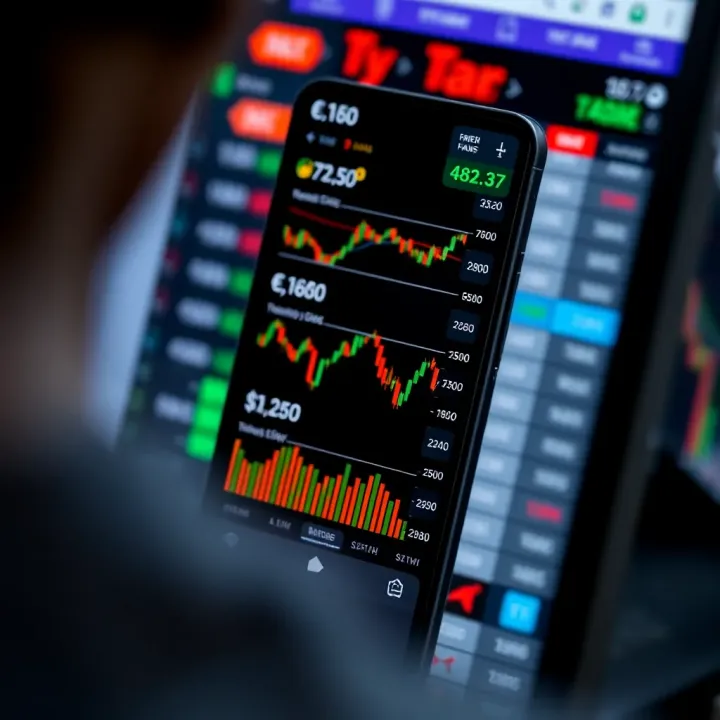
Explore top forex trading apps tailored for Kenyan traders 📱. Learn to choose wisely, ensure security 🔒, and trade confidently in Kenya’s forex market!

📚 Discover essential books for learning forex trading in Kenya! From basics to advanced tips, master strategies and risk management confidently.
Based on 12 reviews