
Forex Trading Basics Explained
📈 Discover the basics of forex trading: learn key concepts, market structure, trading strategies, and risk management to trade confidently in Kenya and beyond.
Edited By
Charlotte Hughes
Forex trading never really sleeps; it operates twenty-four hours a day, five days a week. However, the activity is not evenly spread throughout the day. It shifts depending on which trading session is active, influenced by the main financial centres across the globe. For Kenyan traders, grasping these sessions is key to timing trades wisely and spotting the best opportunities.
The forex market divides primarily into four sessions: Asian, European, London, and New York. Each session corresponds to the working hours of major financial hubs like Tokyo, London, and New York City. Knowing when these sessions open and close helps you anticipate market volatility, liquidity, and price movements.
Market activity tends to peak when two sessions overlap, creating a fertile ground for traders to capitalise on greater price swings and tighter spreads. For example, the hours when London and New York markets intersect often see the highest volumes and volatility.
Asian Session (Tokyo): Runs roughly from 12 am to 9 am EAT. This session is known for steady movements in currency pairs involving the Japanese yen (JPY) and Australian dollar (AUD). Market tends to be quieter than others but provides good entry points for longer-term positions.
European Session (London): Opens around 9 am and closes at 6 pm EAT. This session drives the largest share of forex trading activity, especially in pairs involving the euro (EUR), British pound (GBP), and Swiss franc (CHF). The London session sets the tone for the rest of the day.
New York Session: From 2 pm to 11 pm EAT, the New York session overlaps partly with London. It often heightens volatility, especially around major economic releases like US Fed announcements or employment data.
Time Your Trades: Focus your trading during overlapping sessions, primarily London-New York, for more liquidity and better price action.
Know Your Pairs: Stick with currency pairs active in the current session for smoother trading.
Plan Around News: Keep an eye on economic calendars aligned with session timings to anticipate volatility shifts.
Understanding forex trading sessions offers Kenyan traders a clearer picture of market rhythms, helping to mitigate risks and improve decision-making. In the next sections, we will explore each session in detail, with strategies tailored for kenyans navigating these global markets.
Forex trading is open twenty-four hours a day during weekdays, but it doesn't mean the market behaves the same all day long. Different trading sessions, influenced by the opening and closing hours of financial hubs worldwide, shape market behaviour noticeably. This overview explains what those sessions are and why knowing them matters for your trading results.
Trading hours and time zones define forex trading sessions. Each session revolves around major financial centres like Tokyo, London, and New York, with their local business hours setting the market's pulse. For example, the Tokyo (Asian) session runs roughly from 12 am to 9 am East Africa Time (EAT), London's session from 10 am to 7 pm EAT, and New York's session from 3 pm to midnight EAT. Because forex operates globally, these time differences affect when traders around the world are most active.
This time-based segmentation helps traders anticipate market activity. Contrary to a 24/7 market myth, liquidity and trading volume vary greatly across sessions. Knowing specific session times helps plan when to trade certain currency pairs more profitably.
Sessions also influence market liquidity and volatility. Liquidity, the ease of buying or selling without causing big price swings, peaks when multiple sessions overlap. For instance, the overlap between London's and New York's sessions sees heavy trading volumes, leading to tighter spreads and faster order execution. Conversely, outside overlaps, conditions may be quieter but with wider price movements—potentially riskier for quick trades.
Kenyan traders must align these global sessions with their local time (EAT, UTC+3) to act promptly on market moves. For example, the European session starts mid-morning in Nairobi, offering a chance for traders to react to news from London without interrupting their daytime routines. Recognising this alignment prevents missed opportunities caused by trading during low-activity periods.
Grasping session timings also impacts decision timing and strategy. Day traders who seek quick profits often prefer the high liquidity of overlapping sessions for tighter spreads and fewer slippages. Alternatively, swing traders might favour quieter sessions to ride medium-term trends without sideway noise. For instance, a Kenyan swing trader focusing on the Tokyo session may plan trades overnight to catch Asian market trends at lower risk.
Knowing the rhythm of forex trading sessions helps you choose the best times tailored to your personal schedule and strategy, especially when trading from Kenya's time zone.
In summary, understanding forex sessions isn’t just background knowledge. It’s a practical tool that guides when to enter or exit trades, manage risk, and improve overall profitability. Kenyan traders especially benefit by syncing their activities with global market hours, turning time differences into trading advantages.
Forex trading around the world operates through several main sessions defined by the key financial centres open during specific hours. Understanding these sessions helps traders pick the best time to enter or exit trades, depending on when certain currencies show the most movement. For Kenyan traders, tuned to East Africa Time (EAT), knowing these sessions means aligning trading plans with periods of higher liquidity and volatility for better execution and profit potential.
The Asian session opens the trading day and mainly covers Japan, China, Singapore and Australia’s financial hubs. Tokyo is the primary driver here, but markets in Hong Kong and Sydney also play critical roles. This session runs roughly from 12 am to 9 am EAT. For Kenyan traders, this is the overnight and early morning period, when activities in Asian currencies like the Japanese yen (JPY), Australian dollar (AUD), and Chinese yuan (CNY) pick up.
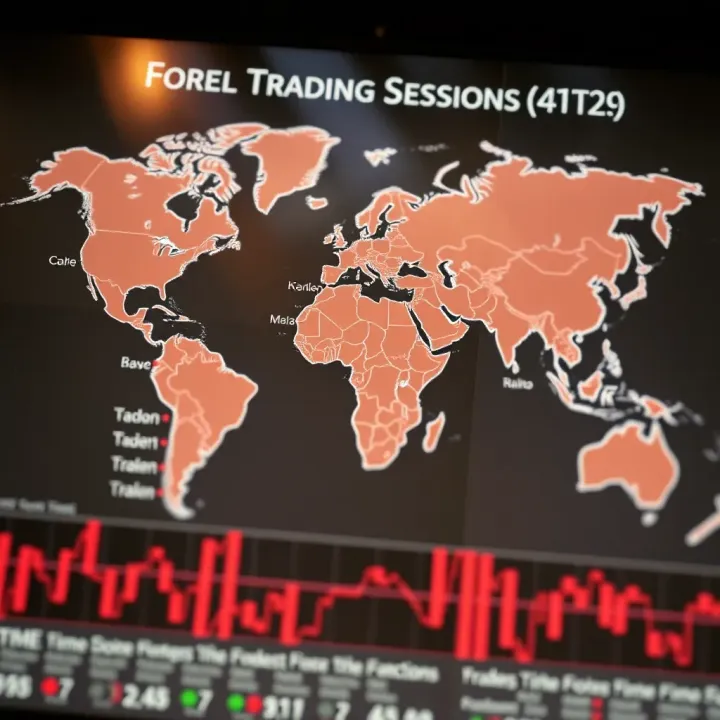
Market movements tend to be calmer compared to the later European or American sessions. Trading volumes are lower, so price swings often stay moderate. This makes it suitable for traders who prefer steadier conditions or want to avoid the sudden spikes seen later. However, important events such as Bank of Japan announcements or Chinese economic data releases can significantly increase volatility in the early hours.
The European session, centred on London, kicks off around 10 am EAT and runs till about 7 pm EAT. London’s market is the largest in the world, influencing a huge chunk of daily forex trading. The city is home to banks, hedge funds, and multinational traders who drive high volumes.
You will notice a surge in trading activity as London opens. The British pound (GBP), euro (EUR), and Swiss franc (CHF) often experience stronger trends during this session. Kenyan shilling (KES) traders may also see ripple effects as global liquidity improves, providing more attractive prices and tighter spreads. The session is known for sharp market moves especially during overlaps with the Asian closing and American opening times, offering plenty of setups for momentum traders.
The American session, running from approximately 3 pm to midnight EAT, depends heavily on New York’s financial markets. Being the second largest forex centre, New York influences activity particularly in the US dollar (USD) pairs. American banks, institutional investors, and commodity traders play active roles here.
Volatility tends to climb during this session, peaking especially when combined with the European session overlap in the late afternoon Nairobi time. This period often sees strong price action in USD, Canadian dollar (CAD), and commodities-linked currencies like AUD and NZD. Traders should be ready for quick market moves triggered by releases such as US non-farm payroll data or Federal Reserve announcements.
Knowing each session’s timings, main players, and typical behaviour enables Kenyan traders to target the most active hours for their preferred currency pairs, improving chances for profitable trades.
In summary, actively monitoring the Asian, European, and American sessions helps you understand forex rhythms worldwide. This knowledge is key to adjusting trading strategies, managing risk, and capitalising on market trends that reflect global economic undercurrents.
Overlapping trading sessions represent the periods when two major forex markets operate simultaneously. These overlaps are significant because they bring together traders from different regions, which increases trading volumes, liquidity, and market activity. For Kenyan traders, understanding these overlaps is vital for timing trades to maximise profit potential and manage risks effectively.
The overlap between the European and American trading sessions, typically from 3 pm to 5 pm East Africa Time (EAT), is the most active period in forex markets. Here, London and New York markets trade together, causing a surge in transaction volumes. This period often sees significant price movements, especially in major currency pairs like EUR/USD, GBP/USD, and USD/CHF.
For instance, a Kenyan trader focusing on EUR/USD would find this overlap the prime time for executing trades, given the increased liquidity which usually means tighter spreads. However, this also means price swings can be sudden, driven by large institutional orders coming from both centres.
The overlap between the Asian and European sessions is shorter and less intense, usually occurring between 11 am and 12 pm EAT. This period links Tokyo with London’s early trading hours and sees moderate liquidity. It impacts currencies like the USD/JPY, GBP/JPY, and EUR/JPY more noticeably.
For Kenyan traders, this is a good window to spot early trends as European traders react to overnight Asian developments. Trading volumes may not be as high as the later overlap, but opportunities arise due to fresh market information and position adjustments from the Asian close.
While overlaps typically bring higher liquidity, there are moments, especially when unexpected news breaks, where the bid-ask spreads widen. This happens because market makers adjust prices rapidly to manage risk during volatile moments. Kenyan traders should watch out for such spikes as they can increase trading costs, especially for those using smaller accounts or scalping strategies.
Volatility often hits its peak during overlaps, creating both promising opportunities and risks. Sudden price jumps can lead to quick profits, but also significant losses if positions are not carefully managed. For Kenyan traders, it's critical to use tight stop-loss orders during these times to protect capital.
Understanding the rhythm of these overlaps helps in choosing appropriate position sizes and entry points. For example, a trader using a news trading strategy might prefer to operate during these overlaps but with strict risk controls to avoid being caught on the wrong side of unpredictable moves.
Overlap periods mark the busiest and most liquid times in the forex market, offering both heightened opportunities and increased risks. Informed traders who navigate these carefully often gain the edge needed in competitive forex trading.
By syncing trading plans with these overlapping sessions, Kenyan traders can better align their strategies to global market flows, thus enhancing their chances of consistent profitability.
Choosing the right forex trading session is a key factor in matching market conditions with your trading style. Each session offers different liquidity levels, volatility, and currency focus, so knowing when to trade can save you from unnecessary risks and improve your chances of profit. For a trader in Kenya, understanding these sessions lets you align trading activities with your daily schedule and market behaviours.
Day traders typically thrive in sessions with high liquidity and volatility, where price movements are swift and plentiful. The European and American sessions, especially when they overlap, offer these conditions. For instance, during the London-New York overlap (around 4 pm to 6 pm EAT), many major currency pairs like EUR/USD and GBP/USD experience sharp price swings. This fast-paced environment suits quick trades that last minutes to hours, allowing day traders to capitalise on intraday fluctuations instead of holding positions overnight.
Swing traders, however, prefer sessions with steadier trends and less frantic price action, favouring the Asian session or early European hours for entering or holding positions over a few days. The Asian session often sees lower volatility but provides clearer price support and resistance zones. This calm setting makes it easier to set stop losses and target points for longer-term moves, reducing stress from constant market noise while waiting for the next market catalyst.
Nairobi operates on East Africa Time (EAT), which places the European session during late afternoon to late evening, and the American session during late evening to early morning. Traders working typical office hours in Nairobi may find it challenging to actively trade during the European session's peak. Instead, many prefer trading the Asian session, which runs through Nairobi's morning and early afternoon, offering decent activity in currency pairs involving JPY, AUD, and NZD.
Balancing trading with other commitments is vital for sustainable forex activity. Kenyan traders who cannot monitor the screens continuously during busy days might use automated alerts or focus on swing trading strategies that don’t require constant attention. Such approaches provide flexibility to manage forex trading alongside family, work, or small businesses. Leveraging M-Pesa-accessible platforms also helps traders quickly fund accounts and manage trades even on the go.
Aligning your trading session with both market behaviour and personal routine boosts your efficiency and helps manage risks effectively. Choose a session that fits your strategy and lifestyle rather than chasing trades at inconvenient hours.
By considering these factors, Kenyan traders can select forex sessions that not only offer suitable market dynamics but also mesh well with their daily lives, driving more consistent performance in the long run.
Timing is a key factor in successful forex trading. For Kenyan traders, understanding how to navigate the different forex trading sessions and aligning trades with these periods can significantly improve outcomes. This section offers practical advice focused specifically on how Kenyan traders can use timing to their advantage, especially when considering local time and daily routines.
Economic calendars are essential tools that list scheduled financial announcements, such as interest rate decisions, inflation data, and GDP reports. These events often cause sharp price movements, particularly when they fall within active trading sessions.
Because Kenya operates on East Africa Time (EAT), it’s useful for traders to convert event times into local time before the session begins. For example, a major US Federal Reserve announcement happening at 2 pm New York time will occur at 10 pm EAT. Knowing this helps traders prepare in advance rather than react hastily.
During such announcements, markets can experience spikes in volatility. Managing trades carefully at these times often means tightening stop-loss orders or deciding to stay out of the market altogether to avoid unexpected price swings. Kenyan traders might find their regular trading hours extend to late evening when important news coincides with the American session.
Modern trading platforms often come with built-in time zone conversion tools. These features save Kenyans from manual calculations and let them track open sessions easily. For example, if a trader uses MetaTrader or TradingView, they can set their workspace to EAT, and the platform will display session times accordingly.
Alerts and session timers add another layer of convenience. Setting alerts for session start or end times means you don’t have to monitor the clock constantly, freeing up time for analysis and decision-making. Such notifications are especially handy for day traders who rely on precise market entry and exit points.
Using tools tailored to your time zone can keep you ahead of the market and reduce missed opportunities.
In the Kenyan context, where many traders balance forex with regular jobs or studies, leveraging these technologies helps maintain focus during critical market periods and avoid burnout.
These practical tips reflect how timing and disciplined use of resources can give Kenyan forex traders an edge, especially when considering the unique rhythms of the worldwide forex sessions alongside their local schedule.
📈 Discover the basics of forex trading: learn key concepts, market structure, trading strategies, and risk management to trade confidently in Kenya and beyond.

Explore top forex trading apps for Kenyan traders 📱. Learn to choose safe platforms, spot key features, and boost your trading skills effectively.

Explore top forex trading companies in Kenya 🇰🇪, learn about regulators, pick trusted brokers, and get practical tips to start smart and safe 📈💡.

🌍 Start your forex trading journey with clear insights and smart tips! Learn strategies, risk management, and market analysis tailored for beginners in Kenya.
Based on 13 reviews