

Compliance and Risk Management for Kenyan Businesses
🔍 Learn key compliance and risk management strategies for Kenyan businesses. Understand local laws, identify risks, and use tech tools for safer operations.
Edited By
Sophie Reynolds
Risk management is about identifying, assessing, and controlling potential problems that could harm an organisation's operations or assets. In Kenya’s dynamic business environment, this practice is a must for traders, investors, analysts, and brokers who want to protect their investments and stay ahead of unforeseen challenges.
At its core, risk management involves spotting risks before they cause damage. These risks can range from market fluctuations, political changes, or even operational failings. For example, a trader dealing in agricultural commodities must consider weather variability affecting harvests, while an investor should watch out for global economic shifts impacting the Nairobi Securities Exchange.
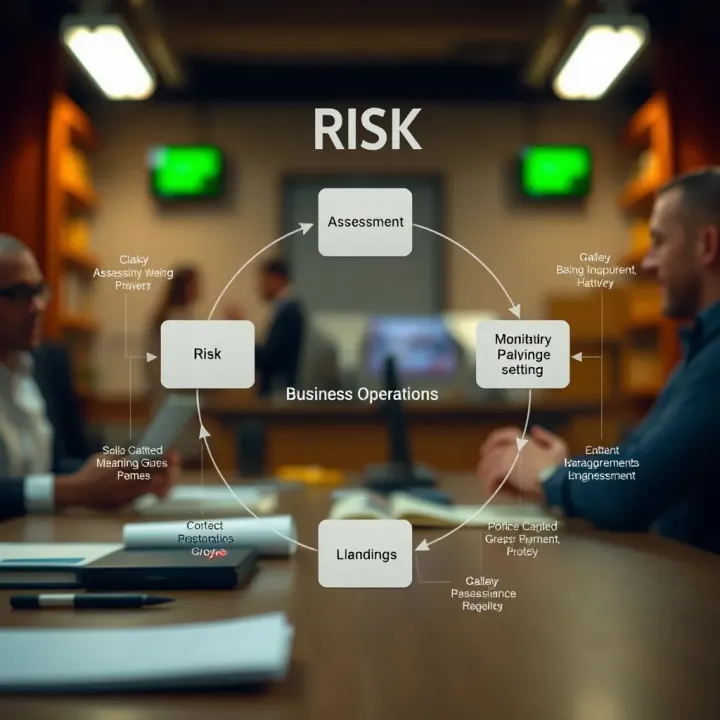
The process typically starts with risk assessment. This means analysing both the likelihood and impact of different risks. After identifying risks, businesses pick suitable strategies to mitigate or avoid them. Such strategies might include diversification of investments, using insurance policies, or employing hedging instruments like futures contracts.
Effective risk management helps businesses avoid costly surprises and keeps day-to-day operations running smoothly. This is especially relevant when Kenyan firms navigate regulatory changes or currency fluctuations.
Common types of risks include:
Financial risk: Related to losses from market changes or credit defaults.
Operational risk: Comes from inadequate processes or system failures.
Compliance risk: Failing to follow local laws or regulations.
Strategic risk: Poor business decisions or unexpected competition.
Organisations in Kenya often combine practical tools like risk registers and scenario planning to track and prepare for these risks. They also leverage local knowledge, such as understanding county-level regulations or political landscapes, to strengthen their approach.
In short, risk management isn’t about avoiding risk completely but making informed decisions to reduce its impact. Kenyan businesses that embrace these principles tend to stay resilient, adapt quickly, and achieve better long-term success.
Risk management involves identifying, assessing, and controlling potential threats that could disrupt an organisation’s operations or affect its assets. In Kenya's fast-changing business scene, a clear grasp of risk management helps businesses avoid surprises that could cost them heavily. For example, a Nairobi-based exporter might face currency fluctuation risks, supply chain delays, or changing trade policies within the East African Community. Understanding risk management enables the business to plan for these issues and keep operations steady.
Risk is anything that might cause harm or losses to a business or investment. It could be financial, operational, legal, or even reputational. To put it simply, risk represents uncertainty about outcomes, where negative effects can impact profitability or stability. For instance, a trader in the NSE may face risk from market volatility or insider information leaks. Recognising these risks early on helps in planning how to handle them.
The main goal of risk management is to minimise the impact of threats and maximise opportunities. This means reducing chances of losses while ensuring the organisation can continue functioning smoothly during disruptions. Kenyan companies want to protect their investments, keep customers’ trust, stay compliant with regulations, and avoid costly downtime. Effective risk management also supports better decision-making by providing a clear picture of potential hazards and rewards.
Organisations work hard to build their assets – whether physical like equipment and stock or intangible like brand reputation. Risk management helps safeguard these assets against theft, damage, or negative publicity. For example, a company dealing in mobile money services must guard sensitive customer data from cyber-attacks. If the data leaks, the company risks losing clients and facing penalties. Hence, managing risk means protecting what matters most and maintaining public confidence.
Unexpected events, from power outages in Nairobi to transport strikes affecting supply routes, can halt business activities. Risk management plans help organisations prepare for such scenarios by setting up backup systems or alternative suppliers. This means operations can continue despite setbacks. In Kenya’s dynamic market environment, where disruptions are common, having a continuity plan separates businesses that survive from those that fail.
Local laws and regulations, such as those from the Capital Markets Authority (CMA), Kenya Revenue Authority (KRA), and Energy and Petroleum Regulatory Authority (EPRA), mandate certain risk management practices. Organisations must comply to avoid fines or legal action. Proper risk management ensures adherence to these rules, reducing legal exposure. For instance, financial institutions routinely employ risk teams to keep their lending and investment operations lawful and transparent.
In essence, defining risk management and its importance lays the foundation for all further steps in handling threats. It equips traders, investors, and analysts with the knowledge to protect investments and navigate Kenya's unique business challenges efficiently.
Every organisation faces unique risks that can disrupt operations or even threaten survival. Recognising these risks helps businesses prepare practical responses. This section breaks down the most common types of risks to give traders, investors, analysts, and brokers a clearer picture of what to expect and manage.
Operational risks arise from the daily running of a business. For example, equipment failure in a factory can halt production, causing delays and increased costs. In the services sector, human error, like incorrect data entry or mishandling customer requests, can lead to loss of clients or regulatory fines.

These risks often come from factors within the organisation’s control, but they can be hard to predict exactly when or where they will occur. Having systems for maintenance, staff training, and quality checks reduces exposure. In Kenya, a matatu operator regularly servicing vehicles and training drivers lowers risks of accidents or breakdowns that could disrupt the business.
Market fluctuations and credit risks directly affect an organisation’s bottom line. For instance, exchange rate swings can increase the cost of imported raw materials. Similarly, if a buyer defaults on payments, the company faces cash flow problems.
Financial institutions and investors especially monitor these risks closely. For example, a Kenyan bank assessing credit risk carefully will avoid lending to unreliable clients, reducing chances of bad debts. Likewise, traders must keep an eye on NSE trends to adjust their portfolios quickly when the market changes.
These risks come from changes in the external environment affecting an organisation’s long-term goals. Industry shifts, new competitors, or disruptive technology can force companies to rethink their strategies.
Take a Nairobi-based retailer facing competition from e-commerce platforms like Jumia or Carrefour’s online store. Without adapting to this change, the retailer could lose market share. Strategic risk management involves scenario planning and continuous market research to stay ahead.
Following Kenya’s regulatory standards is non-negotiable. Businesses risk fines, licence cancellations, or legal action if they fail to comply.
For instance, a manufacturing company ignoring environmental regulations may face shutdowns or expensive penalties. Also, new laws like data protection require firms to safeguard customer information properly to avoid lawsuits. Regular audits and keeping up to date with regulatory changes help minimise these risks.
Organisations that understand and actively manage these different risks stand a better chance of thriving even when challenges come their way. Practical risk management isn’t just about avoiding losses but also creating opportunities for growth and stability.
Risk management isn't just about spotting problems ahead of time — it’s a disciplined approach that involves several key steps. Each step helps organisations manage uncertainty and protect their investments, be it in business, farming, or finance. For traders and investors, understanding these steps helps in making informed decisions, reducing potential losses, and taking calculated risks.
Identifying risks means recognising anything that could disrupt business operations or financial goals. This involves looking carefully at internal and external factors that may pose threats. For example, a company might identify supply delays from suppliers in Nairobi as a potential risk. Without spotting this early, the business could face stockouts, affecting sales.
Several tools aid in risk identification. Brainstorming sessions with key staff, checklists based on past experiences, and SWOT analysis (Strengths, Weaknesses, Opportunities, Threats) are common methods. Some firms also use software that tracks market trends or monitors changes in regulatory environments specific to Kenya, such as tax rules announced by the Kenya Revenue Authority (KRA). Employing these tools ensures a thorough scan of possible threats.
Once risks are spotted, measuring their likelihood and impact helps prioritise what needs urgent attention. For instance, a forex trader may assess the chance of Kenyan shilling depreciation and estimate potential losses if it happens. Assigning simple scales — like high, medium, or low — can clarify which risks could hit hardest.
Risk prioritisation organises these threats so resources focus on controlling the most serious. A Nairobi-based SME facing frequent power outages might rank electricity disruptions higher than office theft, guiding it to invest in a reliable generator before improving security systems.
After assessing risks, businesses choose how to handle them. The four basic approaches are:
Avoidance: Steering clear of activities that bring risks, like an investor avoiding volatile stocks.
Reduction: Taking steps to lessen risk impact, such as installing fire alarms in a warehouse.
Transfer: Shifting risk to another party, commonly through insurance or outsourcing.
Acceptance: Deciding to bear the risk when the cost to mitigate is too high relative to potential loss.
In Nairobi’s ever-changing market, a trader might buy insurance to transfer risk of theft, while accepting minor price fluctuations in stocks.
Risk management is not a one-time event; it’s about continuous oversight. Regularly reviewing risks helps spot new threats and track the effectiveness of strategies already in place. For example, a farming cooperative in Rift Valley may monitor weather patterns yearly to adjust its risk plans accordingly.
Adapting to new risks means businesses stay agile. If a new regulation affects import taxes, an importer in Mombasa must change shipping plans and costs promptly. This flexibility safeguards a company against surprises and keeps operations smooth.
Consistent risk monitoring and quick adaptation prevent small issues from turning into big problems, particularly in dynamic markets like Kenya’s.
By mastering these core steps, Kenyan businesses and investors strengthen their ability to face uncertainties with confidence and clarity.
Risk management plays a key role in Kenya's diverse business environment. Whether it's a bustling SME in Nairobi or a large financial institution in Mombasa, understanding how to apply risk management protects operations and supports growth. Practical risk management helps businesses anticipate challenges, reduce losses, and meet regulatory standards, which are especially important in the Kenyan context where factors like economic fluctuations, climate change, and evolving regulations heavily impact organisations.
Kenyan SMEs face several common risks that can affect their survival. These include cash flow problems caused by delayed payments, theft, poor market demand, and fraud. For example, a duka in Kisumu may lose money if its supplier fails to deliver stock on time or if customers delay payments. SMEs also contend with risks from an unstable electricity supply, which can disrupt daily business activities.
Simple risk controls can make a big difference for SMEs. Keeping clear financial records and regularly reviewing cash flow helps spot problems early. Many rely on tools such as M-Pesa for transparent payments, reducing the risk of cash mishandling. Securing premises with locks and installing basic alarms can deter theft. Additionally, diversifying suppliers and maintaining some stock buffers protect against disruptions. These measures are practical and affordable for many SMEs looking to strengthen their resilience.
Financial institutions in Kenya face strict regulatory requirements from bodies such as the Central Bank of Kenya (CBK). Compliance is non-negotiable to avoid penalties, protect customers, and maintain trust. Credit risk—where borrowers fail to repay loans—is a major concern. Banks like Equity or KCB carry out detailed credit assessments and use credit reference bureaus to reduce defaults.
These institutions also implement risk management frameworks that ensure they hold enough capital buffers against potential loan losses. Automated systems monitor transactions to flag suspicious activity, helping meet anti-money laundering regulations. Effective risk management helps Kenyan financial institutions remain stable despite market uncertainties.
Climate change poses significant risks to Kenyan farmers, such as unpredictable rainfall and prolonged droughts. These affect crop yields and threaten food security. On top of that, supply chain challenges—like poor road networks and delays in transporting produce—can cause losses before products reach markets.
Farmers and agribusinesses employing risk management strategies diversify crops, use drought-resistant seeds, and adopt water conservation techniques. Supply chain risks are mitigated by better planning and investing in transport infrastructure. For example, some cooperatives in Rift Valley work to coordinate logistics and reduce post-harvest losses. These efforts help stabilise incomes in a sensitive sector.
Efficient risk management tailored to Kenya’s specific challenges helps organisations protect their assets, navigate uncertainties, and comply with regulations. Practical strategies enhance resilience across business sectors, which is vital for sustained economic progress.
Risk management helps Kenyan businesses make better decisions by giving them a clearer picture of potential threats and opportunities. For example, a trader at the Nairobi Securities Exchange (NSE) who analyses market risks can adjust their portfolio to avoid heavy losses during volatile periods. This proactive approach allows businesses to allocate resources wisely and respond to challenges before they escalate.
Beyond the financial sector, small and medium enterprises (SMEs) in Kenya benefit from risk-informed decisions that prevent wastage of capital. Consider a jua kali artisan who builds a risk plan for supply interruptions; they are less likely to suffer business stoppages when raw materials are delayed. Ultimately, better decisions reduce guesswork and prepare businesses to face uncertainties confidently.
Managing risks effectively saves money over the long term. Businesses that identify potential risks early can avoid costly disruptions. For instance, a company that spots compliance risks related to the Kenya Revenue Authority (KRA) and adjusts its tax filings on time avoids fines and penalties, saving thousands of shillings.
Resilience is another key benefit. Firms in Kenya’s agricultural sector face frequent climate risks like drought or floods. Those with risk strategies such as crop diversification or irrigation investments tend to recover faster after adverse events. This resilience reduces downtime and revenue loss, supporting continuity amid unpredictable conditions.
Many Kenyan businesses, especially SMEs, struggle to fully implement risk management because of limited resources. Money, time, and skilled personnel are often in short supply. A local duka owner may understand the importance of insuring stock against theft but cannot afford the premiums, exposing their business to avoidable losses.
Similarly, SMEs may lack technology tools for proper risk assessments, relying instead on informal or manual methods that miss significant dangers. This gap slows down risk management adoption and leaves businesses exposed.
Another challenge is the low awareness and appreciation of risk management across Kenyan organisations. Without a sharp focus on risk culture, staff may ignore procedures or see risk controls as burdensome rather than necessary safeguards.
For example, in some firms, employees do not report minor incidents or near-misses due to fear or neglect. This behaviour prevents early detection of issues that could escalate. Changing this mindset needs ongoing training and leadership commitment to embed risk awareness as part of everyday business practices.
Building a strong risk culture helps organisations spot hazards sooner and respond more effectively, which is vital for sustaining growth and trust in the Kenyan business environment.
By recognising these benefits and addressing the challenges, Kenyan businesses can gradually strengthen their approach to managing risks, improving their chances of thriving even when faced with uncertainty.
🔍 Learn key compliance and risk management strategies for Kenyan businesses. Understand local laws, identify risks, and use tech tools for safer operations.

Discover how risk management safeguards assets, streamlines operations, and boosts trust in Kenyan businesses. Enhance your strategy today! 🔒📊🇰🇪

📊 Dive into financial risk management to grasp key concepts, types of risks, and practical tools that help businesses in Kenya manage and reduce losses.
Learn how risk management helps Kenyan businesses handle uncertainties and protect their interests with practical tips and strategies. 📊🔒
Based on 7 reviews