

Binary Number Addition Explained Simply
Learn how to add binary numbers step-by-step 🧮, understand key rules, avoid common mistakes, and see real-world examples in digital computing 💻⚡.
Edited By
Oliver Bennett
In Kenya, conversations about non-binary sexuality are gradually gaining ground, but many still find the topic confusing or unfamiliar. Non-binary sexuality refers to the experience of attraction that doesn't fit neatly into traditional male/female or gay/straight categories. It challenges the idea that everyone’s sexual orientation must align with fixed gender roles.
Understanding this begins with grasping what "non-binary" means. Non-binary people do not identify strictly as male or female. This extends to their sexuality — their attraction might be fluid, complex, or outside common labels like heterosexual, homosexual, or bisexual.

Non-binary sexuality recognises that both gender and attraction exist beyond simple boxes, reflecting a broader spectrum of human experience.
For example, a non-binary individual in Nairobi might be attracted to people of various genders, or feel that traditional terms like "man" or "woman" don’t capture who they are drawn to. This can differ widely; some might see themselves as pansexual (attracted regardless of gender), others as queer, or even as a sexuality unique to them.
Such self-awareness matters in Kenya, where society often expects clear gender roles and sexual identities. Misunderstandings lead to stereotypes or exclusion. Traders, investors, and analysts in Kenya should appreciate that acknowledging diverse sexualities supports better community relations and can influence workplace inclusiveness and marketing strategies.
Key points to consider:
Non-binary sexuality is about attraction beyond the male-female binary.
Terms like pansexual, queer, or asexual may relate but aren’t one-size-fits-all.
This understanding disrupts the simple classification of gender and sexual orientation.
Practical benefits include improved respect for individual experiences and avoiding assumptions in social or business settings. For instance, investors working with diverse teams can foster environments where everyone feels valued.
Later sections will explore common myths and the social context within Kenya, offering clearer perspectives for those keen to understand non-binary sexuality better.
Understanding what non-binary means in terms of gender identity is essential, especially for grasping how it shapes personal identity and social interactions. This knowledge helps break down traditional gender expectations and supports a more inclusive environment where individuals can express themselves fully. For investors and traders interested in social trends or workplace dynamics, recognising these concepts can provide insight into inclusive policies and consumer behaviour.
Non-binary refers to gender identities that don’t fit neatly into the categories of male or female. Instead of seeing gender as a fixed point, non-binary considers it a spectrum. This means someone might feel both male and female, neither, or fluctuate between identities. For example, a person might identify as genderfluid, where their sense of gender changes over time, or agender, where they feel no particular gender at all. Understanding this challenges binary norms and promotes respect for diverse gender experiences.
There are several non-binary identities, each with its unique meaning and social relevance. Some well-known examples include:
Genderqueer: Rejects traditional gender distinctions and embraces a mix or absence of gender.
Bigender: Identifying as two genders either simultaneously or at different times.
Agender: Feeling no connection to any gender.
Demigender: A partial connection to a gender.
Knowing these helps businesses and communities adopt respectful language and inclusive services, crucial for diversity and customer engagement in today’s market.
Biological sex refers to physical characteristics such as chromosomes, hormone levels, and reproductive anatomy. These traits typically lead to classification as male or female at birth. Gender, on the other hand, relates to roles, behaviours, and identities shaped by society. For example, while biology might assign a baby as male, the cultural expectations of a boy or man can vary widely between communities and time periods. Recognising this difference is vital for avoiding assumptions based purely on appearance.
Gender identity is a person’s deeply felt internal sense of their gender, which may or may not align with the sex assigned at birth. It influences how individuals see themselves and want to be recognised in society. When society respects gender identity, it leads to better mental health, stronger community connections, and more equitable workplaces. For investors and analysts, this means paying attention to inclusive practices is not just ethical but can improve team morale and brand reputation.
Recognising and respecting non-binary gender identities promotes an environment where everyone can participate fully without being boxed into outdated definitions.
This clarity on non-binary gender lays the foundation for understanding related matters like sexuality and social acceptance in Kenya and beyond.
Understanding the connection between non-binary identities and sexuality is key to appreciating the diversity of human experiences. Non-binary gender identities challenge the traditional male-female framework, and this naturally influences how attraction and sexuality are experienced. By recognising this link, traders and analysts in sectors like media, education, and healthcare can better serve and engage with diverse communities.
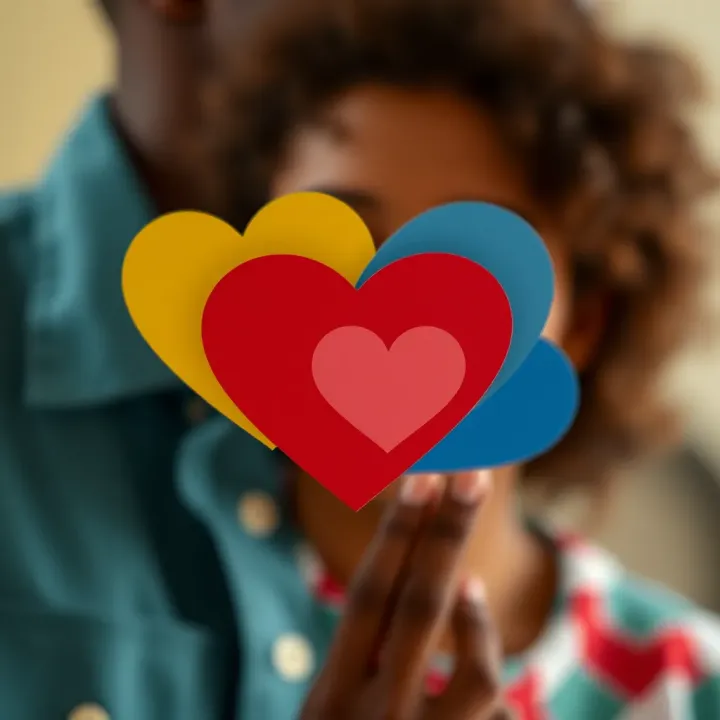
Sexual attraction for non-binary people does not necessarily fit into the usual boxes of heterosexual, homosexual, or bisexual. Instead, their attraction often transcends gender binaries entirely. For example, a non-binary person may be attracted to men, women, other non-binary individuals, or anyone regardless of gender. This flexibility shows that sexual orientation is a separate spectrum from gender identity.
Recognising attraction beyond gender binaries is practical for marketers, event organisers, and product developers who aim to be inclusive. If a brand assumes customers fit into set categories, it risks alienating non-binary individuals whose attractions are more fluid or expansive.
Non-binary individuals may identify with a range of sexual orientations, just like anyone else. Some common terms include pansexuality (attraction regardless of gender), queer (a broad term for non-normative attraction), and asexuality (little or no sexual attraction). For instance, a non-binary person may identify as pansexual, meaning their attraction focuses more on personality or connection than gender.
Understanding these orientations helps in providing accurate data for analysts studying consumer behaviour or social trends. It also informs workplace policies to accommodate diverse relationship types sensitively and respectfully.
Sexual fluidity refers to the possibility of one's sexual preferences changing over time, depending on circumstances, feelings, or relationships. For many non-binary people, sexual fluidity is part of their experience due to the flexible nature of their gender identity.
This means a non-binary person might find themselves attracted to different genders throughout their life or even simultaneously. Being aware of this fluidity is relevant for health providers and counsellors who support clients navigating their sexuality without pressuring them to fit predefined labels.
Personal accounts of non-binary individuals often highlight diverse and unique sexual journeys. One person might be pansexual and experience love without concern for gender, while another might shift between identifying as queer and asexual.
For analysts and businesses, acknowledging these variations means avoiding assumptions about customer preferences or behaviours. It also encourages creating spaces and services that respect and accommodate a wide range of sexual identities and experiences.
Being open to the complexities within non-binary sexuality allows communities and businesses to be more inclusive and understanding, improving interactions and support mechanisms.
By separating gender identity from sexual orientation and recognising fluid experiences, anyone engaging with non-binary individuals gains a clearer, more respectful perspective. This is not just theoretical but has practical benefits in social, professional, and economic spaces.
Understanding common misunderstandings about non-binary sexuality is key to breaking down the barriers that still exist around this topic. Many people confuse gender identity with sexual orientation, which leads to assumptions that non-binary individuals are automatically gay, lesbian, or confused about their identity. Clearing these up helps create an environment of respect and informed conversations, especially for Kenyan readers navigating these concepts amid traditional gender roles.
One common misconception is that identifying as non-binary means a person must be gay or lesbian. This is not true because non-binary relates to gender identity, not sexual orientation. For example, a non-binary person may be attracted to men, women, both, or neither; their identity is about how they see their own gender, not who they are attracted to. This distinction matters because lumping all non-binary people under a single sexual orientation erases the diversity within the community and can lead to wrong assumptions in social and professional settings.
Another widespread myth is that non-binary people are confused or unsure about their gender. In reality, they have a clear understanding of their identity that doesn't fit within the traditional male-female framework. Think of it like someone who prefers a different language or culture; they’re not confused but expressing their true self. Respecting this helps reduce stigma and affirms that gender can be fluid and expansive, something many Kenyans are beginning to appreciate as youth in urban areas converse more openly about identity.
In Kenya, social stigma around gender diversity remains a significant challenge. Many non-binary individuals face misunderstandings that lead to exclusion or discrimination, sometimes even within their families. For instance, they might be labelled as attention seekers or warned against following a lifestyle deemed "foreign." These misconceptions fuel fear and resistance within communities. Recognising that such stigma is based on ignorance rather than truth is the first step towards fostering empathy and support.
The social challenges extend into relationships where non-binary individuals might struggle to have their identity recognised by partners, friends, or workplaces. A non-binary person dating someone may face questions or pressure to conform to binary expectations of gender roles. Similarly, workplaces lacking inclusive policies may fail to accommodate preferred pronouns or dress codes. This impacts community cohesion and personal wellbeing by creating unnecessary barriers that hinder participation and acceptance.
Understanding these common misunderstandings helps you appreciate the realities non-binary people live with daily. It also guides how we can better support inclusive environments in Kenya's diverse social settings.
Understanding the cultural and social context of non-binary identities in Kenya is key to appreciating the challenges and progress around gender diversity. Kenyan traditions, laws, and community attitudes shape how non-binary people are perceived and accepted. This context influences everything from personal relationships to access to services and legal protections.
In many Kenyan communities, traditional gender roles are deeply rooted. Men and women are expected to follow distinct societal paths, often linked to family roles, work, and authority. For example, in rural settings, men typically hold leadership positions on the shamba while women manage the homestead and children. These fixed roles leave little room for those who identify outside the male-female binary.
This traditional outlook can shape attitudes towards non-binary people, often leading to misunderstanding or rejection. It’s common for older generations and rural communities to see non-binary identities as unusual or even threatening to social order. This is partly due to limited exposure and strong adherence to customary norms.
Urban areas, especially Nairobi and Mombasa, are witnessing a gradual shift. Young people and educated professionals increasingly recognise non-binary identities as valid. Exposure through social media, education, and global conversations on gender diversity has influenced this change.
Among university students and young workers, there is more openness to using preferred pronouns and recognising various gender identities. This shift improves social inclusion and reduces stigma in these circles. For instance, some universities and workplaces have started conversations about gender neutrality, which helps non-binary individuals feel safer and valued.
Kenyan law currently recognises only male and female genders, which makes legal recognition of non-binary people challenging. Official documents like national IDs, birth certificates, and passports require choosing one binary gender, forcing non-binary individuals to misrepresent themselves.
This lack of legal recognition has practical impacts, such as difficulties accessing certain healthcare services or enrolling in gender-specific programmes. Activism and legal challenges for expanded recognition continue, but progress remains slow due to cultural and political resistance.
Despite legal hurdles, several organisations and community groups support non-binary and gender-diverse people in Kenya. Groups like the Gay and Lesbian Coalition of Kenya (GALCK) and others working on sexual rights help provide safe spaces, counselling, and advocacy.
These organisations organise events, workshops, and sensitisation campaigns to educate the public and reduce stigma. They also offer critical networks for non-binary persons seeking peer support. For example, younger people in Nairobi's jua kali sector may find community through these groups, helping them navigate social pressures and discrimination.
Understanding how Kenyan culture and law intersect with non-binary identities helps us focus efforts on practical support and legal reforms to improve lives on the ground.
In summary, awareness of non-binary identities in Kenya is growing, particularly in urban, educated circles. However, traditional gender views remain strong, and laws have yet to catch up. Community organisations play a vital role in bridging gaps and promoting acceptance.
Supporting non-binary individuals is about respect and recognising their identity as valid. It matters not only for their well-being but also for creating communities where everyone can thrive without fear or misunderstanding. When you support non-binary people, you contribute to a more inclusive society that values diversity and dignity.
Pronouns are a simple yet powerful way to acknowledge someone's identity. For non-binary people, who may use pronouns such as they/them, ze/hir, or others, being addressed correctly affirms who they are. When someone’s pronouns are ignored or dismissed, it can feel invalidating and isolating. Imagine working with colleagues who refuse to get your name right; pronouns work on a similar level of respect.
Asking for pronouns is straightforward and shows you care about addressing people properly. A good approach is to share your own pronouns first, like “Hi, I’m James, and I use he/him pronouns. What about you?” This sets a respectful tone and makes it easier for others to share. Once you know, use the pronouns consistently and gently correct others if they make mistakes. Everyone slips up sometimes, but being patient helps build understanding.
Inclusive spaces make non-binary individuals feel safe and welcome. Schools can include gender-neutral toilets and dress codes, while workplaces should train staff on gender diversity and confidentiality policies. For example, a company that updates its HR forms to include non-binary gender options shows commitment to inclusivity. Community centres can host events that celebrate gender diversity, helping break stigma.
Solidarity means standing with non-binary people even if you don’t identify as such. This can be through raising awareness among friends and family or supporting organisations working for gender rights. When you speak up against discrimination or share correct information about non-binary identities, you help reduce ignorance and fear. Small acts, like calling out harmful jokes or sharing resources on social media, build a community where differences are respected.
Supporting non-binary people is not just about avoiding harm—it’s about actively creating respect and belonging for all.
By using respectful language, creating safe environments, and promoting understanding, you play a key role in uplifting non-binary individuals in Kenya and beyond. These actions help dismantle barriers and open the way for a society that embraces everyone’s true self.
Learn how to add binary numbers step-by-step 🧮, understand key rules, avoid common mistakes, and see real-world examples in digital computing 💻⚡.

🔢 Explore the world of binary—the essential language behind all digital devices. Learn how computers use 0s and 1s to process data, with real-life examples!

Explore how binary systems power computing and learn about different bots, their roles, and effects across industries in this clear tech guide 🤖💻.

🔢 Explore binary variables: their key traits, use in data analysis & machine learning, plus tips to overcome challenges when working with binary data.
Based on 15 reviews