

Understanding Binary Trees in Computer Science
Explore binary trees 🌳 in computer science with clear explanations on structure, traversal, types, and practical uses—perfect for Kenya's programmers.
Edited By
Ethan Collins
Non-binary identity refers to people who do not exclusively identify as male or female. This means their gender may fall outside traditional categories, or it might shift over time. In Kenya, where gender conversations often stick to binary roles, understanding non-binary identity expands awareness about how people experience their own sense of self.
Non-binary is an umbrella term covering various gender experiences. Some identify as genderqueer, meaning they reject fixed gender labels altogether, while others feel they are both male and female or somewhere in between. Others might describe as agender, meaning they feel little or no connection to any gender.
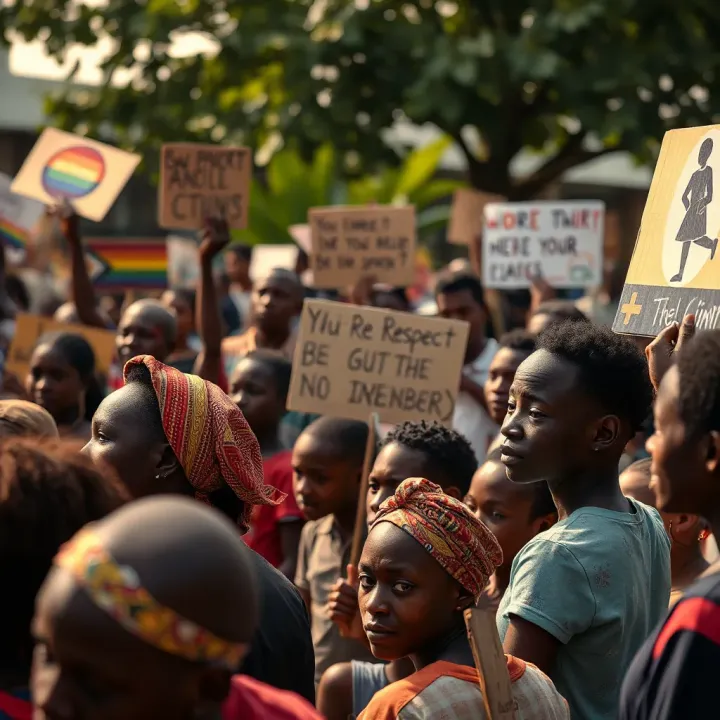
Recognising non-binary identities means accepting that gender is not just a matter of biology but a personal experience affected by culture, society, and self-expression.
This matters for traders, investors, and professionals dealing with people from diverse backgrounds because gender identity influences how individuals engage socially and professionally. For example, a non-binary entrepreneur may prefer non-gendered pronouns such as they/them instead of he/him or she/her in business communications.
Here are key points about non-binary identities:
Definitions vary: There’s no one-size-fits-all; non-binary includes several identities.
Pronouns matter: Many non-binary people ask to be addressed with pronouns like they/them, zie/zir, or others.
Challenges are real: Non-binary individuals often face misunderstandings, lack of legal recognition, and social exclusion.
Support is crucial: Simple acts like respecting chosen names and pronouns can make a big difference.
In Kenyan communities, respecting non-binary people also means challenging certain cultural norms and stereotypes. For businesses and investors, inclusivity can mean tapping into a broader talent pool and fostering environments where everyone feels valued.
Understanding the basics of non-binary identity creates room for respectful conversations, stronger relationships, and better support systems. As communities grow more diverse, this knowledge becomes essential for meaningful engagement across all sectors.
Understanding what non-binary identity means is key to recognising the diversity within gender. This section unpacks the basics, focusing on breaking away from the simple male-female divide and addressing common confusions around gender and biological sex. This clarity helps readers, especially those navigating social, legal, or workplace situations, to engage respectfully with individuals who identify outside traditional gender categories.
Gender is often thought of as a strict division between male and female, linked directly to biological traits. However, non-binary challenges this idea by explaining that gender isn't limited to these two categories. Instead, it is seen as a spectrum or even an experience independent of biological markers. For example, someone may feel they don’t fit comfortably in either 'male' or 'female' labels, instead identifying with something in between or beyond.
This recognition allows for identities like genderqueer, agender, or genderfluid, among others. It’s practical because it helps people find terms that explain their experience better than “man” or “woman” might. Within Kenyan communities, such understanding can foster greater acceptance and reduce the sense of isolation non-binary individuals might otherwise face.
Biological sex refers to the physical attributes assigned at birth, like chromosomes, hormones, and reproductive organs. These are usually categorised as male or female, but even biological sex can be more complex — some people are intersex, meaning they’re born with variations that don’t fit typical male or female categories.
Gender identity, on the other hand, is about how one personally experiences and perceives their gender. This is an internal sense and can differ from assigned biological sex. For example, a person assigned male at birth could identify as female, non-binary, or any number of other gender experiences.
Non-binary fits in as one of these gender identities. It signals that a person’s gender is not exclusively male or female, or it fluctuates over time. Recognising this distinction is practical for policy makers, healthcare providers, employers, and educators—it underlines why legal documents, forms, and systems benefit from becoming more inclusive. This understanding also aids in improving mental health support for non-binary people, who often face confusion or invalidation regarding their identity.
Clear definitions help create environments where non-binary individuals feel seen and respected, reducing discrimination and promoting equality.
By demystifying non-binary in this way, Kenyan society can better appreciate the rich variety of gender identities beyond the binary framework, paving the way for respect and understanding in various facets of life.
Understanding the common terms and labels within non-binary communities helps clarify the diverse ways people experience and express their genders. These terms are more than mere words; they reflect personal identities and are key to respectful communication, especially in workplaces and social settings where inclusivity matters. Knowing these labels allows traders, investors, and analysts to better engage with Kenyan colleagues or clients who identify outside the traditional gender binary.
Genderqueer refers to individuals who reject the conventional categories of male or female, sometimes blending elements of both or neither. For example, a genderqueer person might feel their gender identity shifts or exists beyond these traditional boxes. This term is practical for expressing fluid or unconventional gender experiences and challenges assumptions in predominantly binary environments.
Genderfluid describes someone whose gender identity changes over time, sometimes feeling more masculine, other times more feminine, or neither. This shifting nature is important to recognise, as a genderfluid person may prefer different pronouns or expressions on different days. Understanding this helps avoid misgendering, which is particularly relevant when engaging across diverse teams or client groups.
Agender means not identifying with any gender at all. Some agender individuals see themselves as having a neutral or absent gender identity. This term draws attention to the fact that not everyone’s experience fits into categories based on maleness or femaleness. For instance, agender people may prefer neutral pronouns and expect others to respect this in communication or documentation.
Bigender applies to people who experience two gender identities either at the same time or alternating between them. This could include identifying as both male and female or male and non-binary. Recognising bigender identities in the workplace supports flexible roles and reduces pressure to conform to a single identity, which can boost mental wellbeing and productivity.
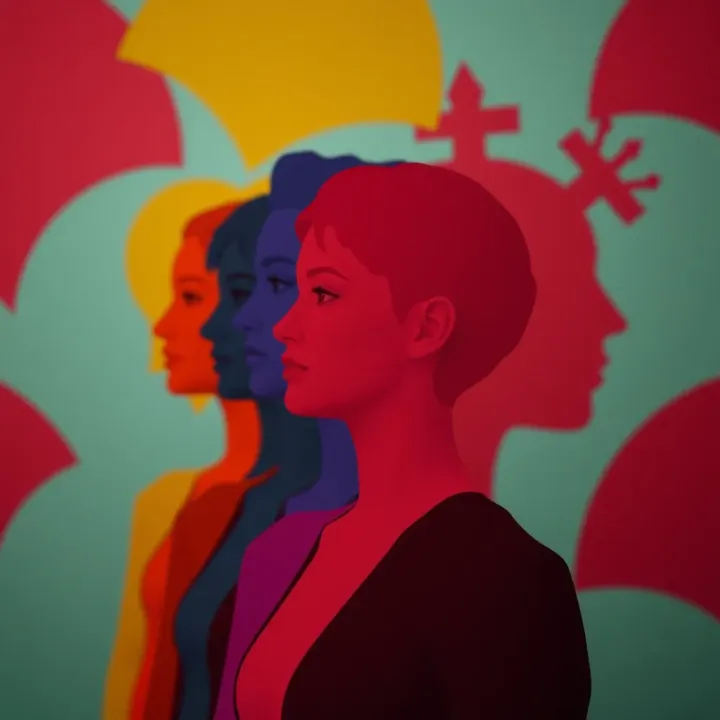
They/them pronouns serve as singular, gender-neutral pronouns widely used by non-binary people who don’t feel comfortable with exclusively male or female pronouns. For instance, saying “They are coming to the meeting” instead of “He is coming” respects the person’s identity. This usage is increasingly common and promotes inclusivity in professional settings.
Other pronouns used by non-binary people include variations like ze/hir, xe/xem, or even newly created ones. Some non-binary individuals may prefer a mix of pronouns or switch depending on context. Knowing these helps when addressing people correctly, avoiding assumptions, and making daily interactions smoother, especially in culturally diverse environments such as Kenya’s urban centres.
Respectful communication goes beyond pronouns. It involves actively listening, asking politely about preferences, and correcting oneself when mistakes happen. For example, if a colleague shares their pronouns, consistently using them builds trust and signals respect. In Kenyan businesses or social spaces, this open attitude fosters greater acceptance and reduces exclusion, making it clear that everyone’s identity matters.
Using correct terms and pronouns is a small effort that creates a big difference in making non-binary people feel recognised and valued.
Non-binary individuals face unique experiences and challenges that shape how they interact with society. Understanding these aspects is vital for traders, investors, analysts, and others who seek to appreciate the complexities of gender diversity in Kenya. Awareness helps in creating environments—whether workplaces or social settings—that are respectful and accommodating.
Levels of acceptance in society vary widely across Kenya. While metropolitan areas like Nairobi exhibit growing awareness and some level of openness, more rural regions often hold tightly to traditional gender roles. This affects how non-binary people are treated and whether their identities are acknowledged publicly. For example, a non-binary person may feel comfortable using their chosen name at a local centre in Nairobi but face rejection or misunderstanding in smaller towns.
Public visibility also depends on cultural factors and education. Many Kenyans may not be familiar with the idea of non-binary identities, which sometimes leads to invisibility or erasure. Without visible role models or media representation, it’s hard for non-binary individuals to feel accepted or to advocate for their needs effectively.
Legal recognition challenges remain a significant barrier. Currently, Kenya’s legal framework primarily recognises only male and female gender categories, which complicates official documentation like national ID cards, passports, and birth certificates. This lack means non-binary people often have to choose a gender marker that does not reflect their identity, leading to discomfort and, in some cases, discrimination.
Legal ambiguity also impacts access to services that require proper identification. For instance, a non-binary person might struggle with authorities or institutions when identity documents do not match their appearance or chosen name. This can create risks such as denial of services or legal complications.
Access to services for non-binary individuals can be uneven. Government offices, banks, and other service providers may not have policies sensitive to gender diversity. For example, registration forms often limit options to 'male' or 'female' only. When a non-binary person chooses not to select either, they risk being denied access or facing awkward interactions. This challenges everyday activities like opening a bank account or registering a business.
Workplace challenges are common for non-binary workers. Colleagues or employers may lack understanding or hold biases, potentially leading to exclusion or harassment. Some workplaces might not support the use of preferred pronouns or names, which can harm an employee’s sense of belonging and performance. In Nairobi’s expanding tech and financial sectors, companies that provide diversity training and inclusive policies tend to attract a wider talent pool and foster better teamwork.
Healthcare barriers are especially pressing. Medical forms and health workers often operate within a male–female framework, ignoring the needs of non-binary patients. This can lead to inappropriate care or avoidance of medical services altogether. For instance, a non-binary person may hesitate to seek sexual health services or mental health support if they expect discrimination. Clinics that train staff on inclusive language and practices help improve healthcare access and quality for all genders.
Understanding these experiences enables better support for non-binary individuals in society and across professional spaces. Respecting identities and challenging existing biases makes workplaces and communities stronger and more welcoming for everyone.
Supporting non-binary individuals involves recognising and respecting their identities in day-to-day interactions. This support directly impacts their sense of belonging, mental health, and ability to participate fully in society. When people feel acknowledged, whether at work or in community settings, they tend to perform better, engage more openly, and build stronger relationships.
Respecting a non-binary person's chosen name and pronouns is a basic but vital way to affirm their identity. Using the correct pronouns such as "they/them" or other preferred options like "ze/hir" helps avoid misgendering, which can cause stress or feelings of exclusion. For instance, if a colleague named Alex asks to be called "they" instead of "he" or "she," honouring this request shows respect and fosters a positive workplace atmosphere.
Language carries power—it shapes how we see others and ourselves. Therefore, when you consistently use someone’s correct name and pronouns, you’re validating their experience and identity, making everyday spaces more welcoming.
If you are unsure of someone's pronouns, it’s perfectly fine to politely ask. For example, at the start of a meeting or social gathering, you might say, "Hi, I’m [Your Name], and I use he/him pronouns. How about you?" This approach normalises sharing and respects everyone’s preference.
When addressing non-binary individuals, avoid assumptions based on appearance, and listen actively if they share their pronouns. In casual chats, using neutral terms such as "friend" or "colleague" instead of gendered words like "sir" or "madam" can make a difference. Plus, correcting others kindly who misgender shows you care about inclusion.
Schools and workplaces play a big role in supporting non-binary people. Inclusive policies that allow flexible dress codes, accessible gender-neutral restrooms, and options for self-identification in records show commitment to equality. For example, a school permitting students to select their name and pronouns on class lists reduces anxiety and boosts confidence.
Workplaces that provide diversity training and encourage respectful dialogue on gender diversity often see a more engaged and productive team. Such environments allow non-binary employees to focus on their work instead of worrying about discrimination or misunderstanding.
Community spaces can become much more welcoming by hosting awareness sessions about gender diversity and creating opportunities for non-binary voices to be heard. When clubs, churches, or social groups openly accept and celebrate different gender identities, members feel safer and more connected.
Organising events for gender-diverse people or supporting them in storytelling, arts, or leadership roles helps break down stereotypes locally. Even small gestures like including pronouns on name tags or announcements contribute to a culture of respect and belonging.
Supporting non-binary people isn't just about avoiding mistakes; it’s about building a community where everyone can be authentic and thrive.
Supporting non-binary individuals daily makes our Kenyan communities stronger, with freer, more understanding relationships. Simple acts like using correct pronouns and creating inclusive environments show that respect and acceptance are alive in everyday life.
Understanding non-binary identity within Kenya involves recognising the significant cultural and legal factors that shape how gender diversity is viewed and lived here. This knowledge helps investors, traders, and analysts in sectors like human resources, healthcare, and community development to navigate shifts in social expectations and legal frameworks effectively. Recognising non-binary identities aids companies in creating inclusive workplaces and services that cater to a growing and diverse population.
Kenyan society generally holds traditional views on gender, often shaped by cultural, ethnic, and religious beliefs. Most communities expect men and women to follow distinct roles—men as providers and women as caretakers. For example, many rural areas still observe strict expectations for behaviour and dress according to gender, with little recognition of identities outside this binary framework. This influences social interactions and workplace norms, sometimes limiting the acceptance of those who identify as non-binary.
Despite this, these views remain deeply ingrained, influencing family roles, inheritance rights, and social status. For traders and businesses, this can mean that gender assumptions affect client interactions and marketing approaches. Awareness of these cultural expectations is vital to avoid alienation and to engage communities respectfully.
Kenya has begun to see growing awareness and dialogue about gender diversity, particularly in urban areas like Nairobi and Mombasa, where exposure to global discourses and human rights conversations is more common. Young people and university students are increasingly open to discussing identities beyond male and female.
Social media platforms, activist groups, and university clubs have played a big role in spreading information on non-binary and transgender identities. This shift is visible in settings like workplaces implementing diversity training and schools introducing gender-inclusive programmes. For investors and HR managers, this emerging awareness signals the beginning of a needed shift in policies and practices that acknowledge gender diversity and foster inclusion.
Kenya’s current legal framework offers limited recognition for non-binary and gender-diverse individuals. The Constitution broadly protects rights related to equality and freedom from discrimination but does not explicitly cover gender identity beyond male and female categories. This gap impacts legal documentation, where citizens must typically choose between "male" or "female" on official forms.
Moreover, laws criminalising same-sex relations often contribute indirectly to the marginalisation of non-binary people. For business owners and healthcare providers, this legal environment presents challenges when offering equal services or benefits to gender-diverse clients or employees, encouraging a cautious approach to gender issues.
Several Kenyan organisations work towards advocating for gender diversity rights and greater social acceptance. Groups such as the National Gay and Lesbian Human Rights Commission (NGLHRC) and Health Options for Young Men on HIV/AIDS/STI (HOYMAS) actively engage with policymakers and the public to promote human rights related to gender and sexuality.
These organisations provide training, support networks, and awareness campaigns that help employers and communities better understand and respect non-binary identities. In the business sector, partnering with these advocates can improve corporate social responsibility profiles and foster inclusive work environments. For analysts tracking social trends, these groups provide valuable insights into evolving norms around gender.
While non-binary identity is still gaining recognition in Kenya, cultural shifts and advocacy efforts suggest growing openness. Those involved in business and social services should stay informed and adapt to these changes to support inclusion effectively.
Explore binary trees 🌳 in computer science with clear explanations on structure, traversal, types, and practical uses—perfect for Kenya's programmers.

Explore binary trading basics, risks, and strategies tailored for Kenyan investors 🇰🇪. Learn to trade wisely and understand Kenya's regulations 📈💡.

Discover how binary trading view helps Kenyan traders read market signals 📈, manage risks ⚖️, and make smarter decisions on TradingView & beyond.

Learn how to add binary numbers step-by-step 🧮, understand key rules, avoid common mistakes, and see real-world examples in digital computing 💻⚡.
Based on 15 reviews