

Understanding Binary Trees in Computer Science
Explore binary trees 🌳 in computer science with clear explanations on structure, traversal, types, and practical uses—perfect for Kenya's programmers.
Edited By
Sophie Reynolds
Non-binary gender refers to identities that sit outside the traditional categories of male and female. People who identify as non-binary may feel they don't fully fit into either gender, or they might see their gender as fluid, a mixture, or something entirely different. This concept challenges the idea that gender is strictly male or female, opening up space for greater diversity.
In Kenya, where cultural norms often focus on binary gender roles, understanding non-binary identities can be complex. Still, awareness is growing, especially among younger generations and in urban areas. It's useful for traders, investors, and analysts to recognise that gender diversity influences consumer behaviour, workplace inclusion, and social dynamics.
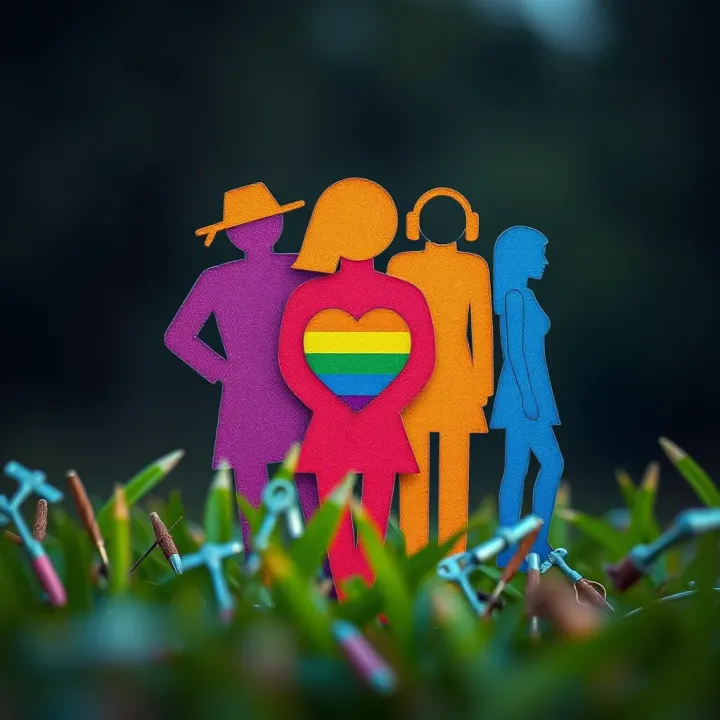
Non-binary is not about confusion or being indecisive; it's a valid and authentic experience of gender.
Transgender vs Non-binary: Transgender people identify with a gender different from their sex assigned at birth, usually male or female. Non-binary people, on the other hand, don’t identify strictly as male or female.
Intersex: This relates to biological variations in sex characteristics; non-binary relates to gender identity, which is about personal sense of self.
Some individuals may prefer gender-neutral pronouns or titles, or reject traditional ones altogether. In workplaces, this could mean adapting HR policies to include options beyond 'Mr' or 'Ms'. For example, some Kenyan organisations are beginning to offer gender-neutral restrooms.
Non-binary identities can have cultural parallels too. Certain Kenyan communities historically had roles or recognitions for individuals who did not fit traditional gender norms, though these were often distinct from modern non-binary concepts.
Understanding non-binary gender equips you to engage respectfully and effectively across Kenya's evolving social landscape. This knowledge also helps businesses design inclusive products, marketing, and services that reach a broader audience.
Next, we will look into the challenges non-binary people face in Kenya and practical steps to support gender diversity locally and regionally.
Understanding what non-binary gender means is key to recognising the diversity of human experiences beyond the traditional male and female categories. This section explains how non-binary identities challenge common assumptions about gender, offering a broader view that helps investors, traders, and analysts appreciate social dynamics influencing markets, workplaces, and consumer behaviour.
Non-binary gender refers to identities that don't fit neatly into the male or female boxes. Think of it like a spectrum rather than just two points. For example, some people feel their gender shifts over time or exists somewhere between or outside these categories. In practical terms, this means policies, marketing, and social interactions must adapt to recognise these possibilities instead of relying on outdated gender binaries.
Understanding this helps companies tailor products and services more accurately and creates workplaces where all employees feel included. Say a firm only uses "he" or "she" in their forms—it might accidentally exclude non-binary customers or workers who don’t identify with those pronouns.
There are several terms people use to describe their non-binary gender. For example, genderfluid refers to someone whose gender identity changes over time. Agender means having no particular gender identity. Other terms like bigender describe people who identitfy as two genders, either simultaneously or at different times.
Such vocabulary is practical in conversations and policy, allowing for precise recognition of individuals’ lived realities. Using these terms properly helps avoid misunderstandings and fosters respect — essential for smooth business relations and social cohesion.
While all non-binary people fall under the broader transgender umbrella (which includes anyone whose gender identity differs from the sex assigned at birth), not all transgender people identify as non-binary. Many transgender individuals fully identify as male or female.
Recognising this distinction matters for accurate data collection, targeted services, and respectful communication. For example, healthcare providers or HR departments should know that non-binary people might need different support than binary transgender individuals.
A genderfluid person may feel more masculine one day and more feminine another. This fluctuating identity means rigid norms or schedules for gender-based activities become problematic. For instance, uniform policies at work might need flexibility, or social settings should respect pronouns that can change.
On the other hand, agender individuals experience their gender as neutral or non-existent. In practical terms, they might prefer gender-neutral restrooms or forms that allow them to opt out of gender selection.
Bigender people identify with two genders, either simultaneously or changing between them. That could mean someone is both male and female or male and non-binary. Other expressions include demiboy or demigirl, indicating a partial connection to a gender.
These varied expressions show the importance of inclusivity beyond the binary even within non-binary identities themselves. Organisations must acknowledge this complexity to ensure everyone is recognised and respected, avoiding one-size-fits-all approaches.
Recognising these diverse non-binary identities not only promotes social justice but can improve engagement with customers, employees, and communities by respecting how people live and express themselves.
This understanding of non-binary gender helps those in business and social sectors make informed decisions fostering inclusivity and boosting performance.
Understanding non-binary gender requires looking closely at cultural and social backgrounds where these identities take shape. How communities acknowledge or reject non-binary identities affects individuals’ daily experiences and their broader inclusion in society. Recognising this context helps traders, investors, and analysts spot social trends that can influence market demands, regulatory changes, or community dynamics.
Several cultures across history and geographies have recognised more than just male and female genders. For instance, the Bugis people of Sulawesi in Indonesia identify five genders, including two that don’t fit male or female categories. Similarly, South Asia has long recognised hijras—a community that embraces identities outside the binary concept. These cases show that non-binary gender is not a modern invention but has historical roots worldwide.
Exploring such perspectives reveals that gender diversity has always existed, though colonial and Western influences suppressed many traditional views. For anyone analysing social behaviour or market cultures, knowing these historical contexts helps understand the resilience and resurgence of non-binary identities.
Global attitudes towards non-binary people vary greatly. In countries like Canada and New Zealand, legal systems now recognise non-binary genders on official documents such as passports and driver’s licences. Conversely, some regions still criminalise or heavily stigmatise gender diversity, significantly impacting individuals’ freedom and safety.
This patchwork of acceptance affects international business environments and cross-border relations. Investors and analysts paying attention to these shifts can better assess social risk factors and emerging markets focused on diversity and inclusion policies.
Kenya’s recognition of non-binary gender remains limited amid strong cultural traditions emphasising male-female roles. However, urban areas like Nairobi have growing communities advocating for gender diversity and inclusion. Social media has played a key role in connecting non-binary voices across Kenya, increasing visibility and awareness.
Despite this progress, many non-binary Kenyans face misunderstandings or social exclusion, especially in rural counties. Acknowledging this local context is vital for NGOs, policymakers, and businesses aiming to promote inclusive workplaces and consumer relations across diverse Kenyan settings.
Non-binary individuals in many places face rejection from family, friends, or communities. This social stigma can lead to isolation, mental health struggles, or discrimination in schools and workplaces. For example, a non-binary employee in a Nairobi firm might be misgendered or denied facilities aligned with their identity, affecting productivity and wellbeing.
Greater public education and visibility can improve acceptance and foster environments where non-binary people thrive. Investors and firms supporting diversity initiatives may find this approach enhances their reputation and workforce morale.
Legal systems often lag in recognising non-binary gender, denying important rights such as the ability to change official gender markers or protection against discrimination. In Kenya, the law currently recognises only male and female genders, which complicates access to essential services or legal protections for non-binary people.
This legal gap means risk for non-binary individuals, such as issues acquiring identification documents, voting, or accessing gender-specific healthcare. For policymakers or businesses, understanding these gaps is key when planning inclusive policies or advocacy campaigns.
Healthcare services rarely cater specifically to non-binary needs, which complicates matters like hormone therapy, mental health support, and general medical care. In Kenya, non-binary patients may face misdiagnosis or discrimination due to lack of provider training on gender diversity.
Improved healthcare access through sensitisation and policy adjustments benefits not just non-binary people but the wider population by fostering inclusivity and reducing health disparities.
Addressing cultural and social contexts enables communities and institutions to create fairer, more respectful environments for non-binary people — a step that also unlocks broader social and economic potential.
Understanding and using correct gender pronouns is key when engaging with non-binary individuals. Pronouns are the words people use when referring to others in the third person, like "he," "she," or "they." For many non-binary people, traditional pronouns tied to male or female gender don’t fit how they identify. This makes pronouns much more than just grammar rules—they communicate respect and recognition. In practical terms, using the right pronouns can greatly improve social interactions and reduce feelings of exclusion.
The pronouns "they/them" are the most widely recognised gender-neutral options. For example, instead of saying "He is coming," one would say "They are coming," when referring to a non-binary person. While some find this initially unusual, it has become quite common in everyday language. Other less common pronouns include "ze/zir" or "xe/xem," but these are less familiar and might need explanation.
Using they/them pronouns avoids the mistake of misgendering someone, which can feel disrespectful or hurtful. Importantly, many non-binary people introduce themselves with their pronouns, and mirroring that fosters inclusive conversations. For instance, in workplace settings, sharing pronouns in email signatures or introductions can normalise this respectful practice.
Building respectful language around pronouns requires conscious effort. It starts with asking for and correctly using a person’s preferred pronouns instead of assuming. If you forget or make a mistake, a quick correction and moving on shows sincerity without making things awkward.
Respectful language also means shifting beyond pronouns to include terms like "partner" instead of "husband" or "wife," which suit various gender identities. This normalises inclusivity in daily talk, ensuring everyone feels acknowledged. Organisations can help by providing clear guidelines on pronoun use and encouraging open dialogue.
Kenyan languages, including Kiswahili and many indigenous tongues, often use gendered terms deeply rooted in culture. For example, Kiswahili uses prefixes like "m-" for men and "m-/wa-" for women, making it hard to avoid gendered speech. This limits non-binary expression in everyday conversation and institutional communication.
Even English, widely spoken in Kenya, carries gendered expressions that can feel exclusionary. Phrases such as "Sir/Madam" or "ladies and gentlemen" exclude those who don’t identify with traditional categories. This challenge calls for creative, sensitive adaptations of language, especially in official settings.
Workplaces and schools in Kenya can lead in adapting more inclusive language. This could include training on gender diversity and pronoun use, encouraging all to share their pronouns during introductions, and revising forms and documents to allow options beyond "male" and "female." For example, offices might add fields like "Non-binary" or "Prefer to self-describe" to registration forms.
Teachers and employers can promote respect by intervening when incorrect pronouns are used and modelling inclusive language during meetings or classes. This helps create safer environments where everyone, including non-binary people, can participate fully without fear of misunderstanding or exclusion.
Using the right gender pronouns is a simple but powerful way to show respect. It signals acceptance and opens the door for more inclusive conversations in Kenyan communities and institutions.
These efforts in language consideration connect directly to broader goals of recognising and supporting non-binary individuals across Kenyan society.
Supporting non-binary individuals goes beyond simple acceptance—it fosters a climate where they can thrive socially and economically. In Kenyan workplaces and communities, recognising and affirming non-binary identities helps reduce discrimination and promotes mental well-being. For investors and analysts, embracing diverse gender identities can even enhance organisational reputation and inclusivity, which is increasingly valued in global markets.
Using the correct name and pronouns is a basic yet powerful way to respect non-binary people. This means addressing individuals with the name they choose and pronouns like 'they/them' or others that reflect their identity. In practical terms, simple actions such as updating employee records, name tags, or email signatures to reflect these choices show respect and acknowledge their identity. For example, a company may offer staff the option to state pronouns during meetings or on internal communication platforms. This not only promotes inclusivity but also signals support for gender diversity. Misgendering, on the other hand, can create discomfort and exclusion, that may impact both morale and productivity.
Establishing safe spaces means environments where non-binary individuals feel welcomed and secure to express themselves without fear of judgement or harassment. In offices, this could involve clear anti-discrimination policies addressing gender identity and training for all employees on respectful behaviour. Community centres and social groups can also promote events that celebrate gender diversity, helping to normalise non-binary experiences. For example, a Nairobi-based NGO might organise monthly gatherings focused on gender inclusivity, offering a platform for dialogue and support. When people feel safe, they tend to be more engaged and motivated, which is good for any organisation’s culture and performance.
Several Kenyan civil society organisations actively support non-binary rights through awareness campaigns, capacity building, and community outreach. Groups like the National Gay and Lesbian Human Rights Commission (NGLHRC) work to ensure non-binary individuals get visibility and legal support. Their efforts help shift public opinion and encourage private and public institutions to adopt inclusive practices. Through workshops and training, NGOs also equip workplaces with tools to accommodate gender diversity — a valuable resource for businesses aiming to improve their inclusivity.
Kenya’s laws are gradually adapting to address gender diversity issues, although significant gaps remain. Recent court rulings and discussions in policy circles have opened the door to recognizing non-binary identities legally, which would bring protections around discrimination and access to services. For traders and investors, staying informed about these developments is important, especially in sectors like insurance or healthcare where gender classification affects coverage. Legal recognition can also create clearer frameworks for offering workplace benefits without discrimination.
Education and media play a key role in shaping perceptions of non-binary identities in Kenya. Incorporating gender diversity topics in school curricula and teacher training helps young people understand and respect different gender experiences early on. Media coverage and representation matter too—positive stories about non-binary Kenyans in newspapers, radio, and TV promote understanding and challenge stereotypes. For example, feature articles in major dailies or documentary segments on local TV desks expose wide audiences to these lived realities, contributing towards a more inclusive society overall.
Respecting and supporting non-binary individuals not only benefits those directly affected but strengthens communities and workplaces, making them more resilient and connected. Simple acts like using correct pronouns and building safe spaces are steps everyone can take to contribute positively.
Explore binary trees 🌳 in computer science with clear explanations on structure, traversal, types, and practical uses—perfect for Kenya's programmers.

Explore binary trading basics, risks, and strategies tailored for Kenyan investors 🇰🇪. Learn to trade wisely and understand Kenya's regulations 📈💡.

Discover how binary trading view helps Kenyan traders read market signals 📈, manage risks ⚖️, and make smarter decisions on TradingView & beyond.
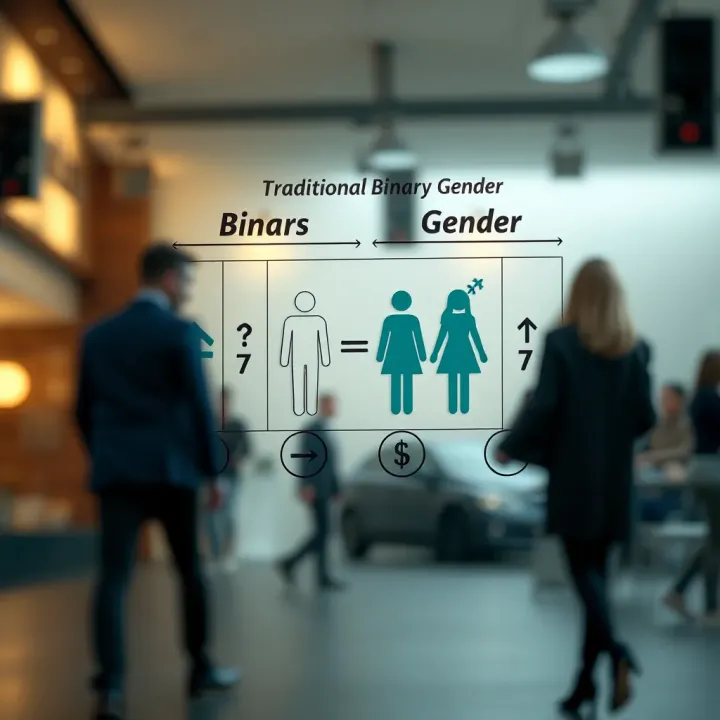
Explore binary gender's origins, social roles, and critiques 🌍, plus insights on non-binary identities and Kenyan cultural perspectives 🇰🇪.
Based on 13 reviews