
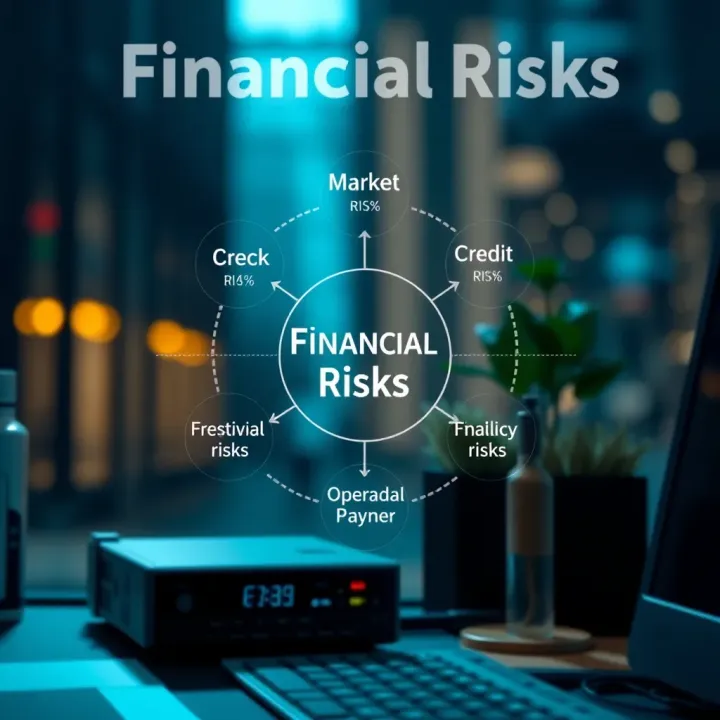
Financial Risk Management: Strategies for Stability
📊 Understand financial risk management for individuals & businesses in Kenya. Learn key risk types, assessment tools, and practical strategies to safeguard assets.
Edited By
Henry Johnson
Risk management lies at the heart of successful forex trading, especially in a market as fast-paced and unpredictable as foreign exchange. Without clear strategies to control losses and safeguard capital, even well-researched trades can lead to significant setbacks.
In Kenya, where forex trading is growing rapidly thanks to platforms like MetaTrader, local traders need practical ways to balance potential profits with possible risks. This means not just chasing gains but understanding how much of your capital to risk on each trade, using stop-loss orders, and considering market volatility.
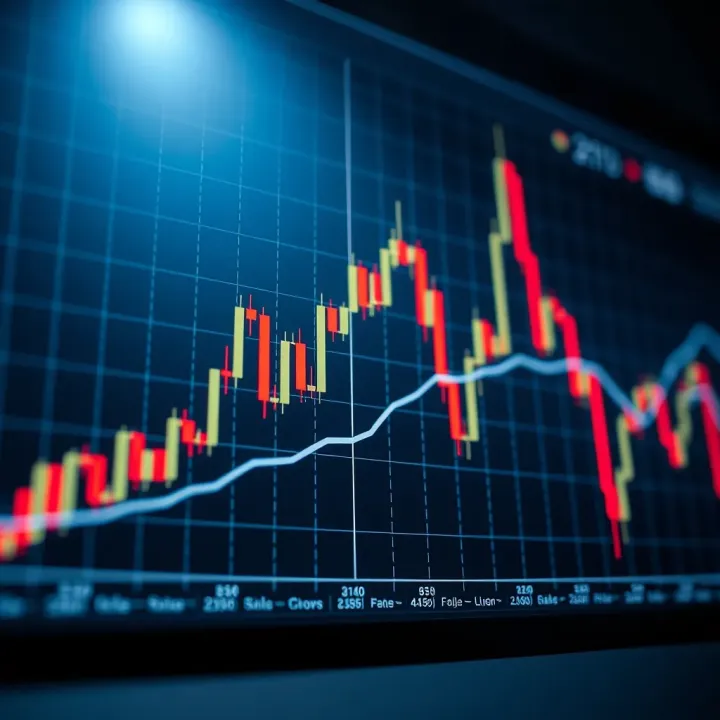
A disciplined approach to risk is what separates consistent traders from those who burn through their accounts quickly.
Key aspects include:
Position Sizing: Deciding the right trade size relative to your total capital helps limit losses. For instance, many experts recommend risking no more than 1-2% of your account balance per trade. So, if your trading account holds KS00,000, risking more than KS,000 per position is generally unsafe.
Stop-Loss Orders: Setting stop-loss orders automatically closes a trade once losses reach a predetermined level. This prevents emotions from forcing you to hold losing positions longer, which is common among beginners.
Understanding Volatility: Forex markets can be highly volatile, especially during economic news releases or geopolitical events. Being aware of Kenyan shillings’ volatility against major currencies like the US dollar or euro allows you to adjust your risk tolerance accordingly.
Psychological Factors: Fear and greed often disrupt good decision-making. Sticking to a pre-defined risk management plan helps avoid impulsive trades, a trap that many local traders fall into due to market hype or peer pressure.
This article will explore these and other practical techniques so you can trade forex confidently and protect your capital even when the market swings wildly.
Getting a grip on forex risk basics is the starting point for anyone serious about trading. Forex markets can shift suddenly, with currency values swinging widely within minutes. If you don’t understand what causes these moves and the risks involved, you could lose capital quickly. For example, imagine trading USD/KES during a surprising policy announcement from the Central Bank of Kenya—you’d want to predict the potential impact to avoid unwanted losses.
Forex markets are notorious for rapid price changes caused by economic reports, geopolitical events, or sudden shifts in investor sentiment. These fluctuations can work in your favour but also wreck your trades if you aren’t careful. One week, the Kenyan shilling might gain strength due to better-than-expected agricultural exports; the next week, political unrest could send it tumbling. Traders need to prepare for such unpredictability by setting reasonable limits on how much they risk per trade.
Leverage allows you to control a larger position with a smaller amount of capital, but it can be a double-edged sword. While it amplifies gains, it also magnifies losses. For example, with 50:1 leverage, a 2% adverse move wipes out your entire invested margin. Many Kenyan traders fall into the trap of over-leveraging, hoping for quick profits, only to face margin calls that drain their accounts. Managing leverage wisely means using it sparingly and never risking more than you can afford to lose.
Your broker or counterparty is the other side of every trade. Not all brokers operate transparently or maintain the required regulatory standards. In Kenya, it’s crucial to use brokers regulated by the Capital Markets Authority (CMA) to reduce the risk of fraud or unfair practices. Some unregulated brokers manipulate spreads or delay withdrawals, putting your capital at risk. Always investigate the broker’s track record, licence status, and reviews before committing funds.
At the heart of forex trading is protecting your starting capital. Without it, you cannot stay in the game long enough to see profits. Even professional traders accept losses but make sure these are controlled and do not wipe out their entire accounts. For instance, a trader might decide only to risk 1-2% of capital on any single trade, limiting damage from a bad call while keeping enough for future opportunities.
Consistent profits don’t come from winning every trade—they come from managing risk well. By keeping loss sizes small and letting winners run, you can steadily grow your trading account. This discipline separates successful forex traders in Nairobi or Mombasa from those who blow their accounts in a few weeks chasing quick wins.
The forex market reacts to many external factors—from political events in East Africa to global economic shifts. Learning risk management helps you adjust when these unpredictable circumstances arise. For example, during times of high volatility, reducing position sizes or staying out of the market temporarily can save your capital from sudden shocks.
Understanding these basics helps traders build sensible strategies that protect their hard-earned money and prepare them for the ups and downs of forex trading.
By being aware of these risks and why managing them matters, you lay the foundation for smarter trades and a more sustainable forex career in Kenya's active trading scene.
Managing risk effectively in forex trading starts with understanding and applying specific techniques that help protect your capital and control losses. The key idea here is not to avoid risk altogether—that's impossible when trading currencies—but to manage it smartly. Kenyan traders, especially those working with tight budgets or juggling multiple market positions, will find these methods particularly practical to safeguard their investments while aiming for sustainable profits.
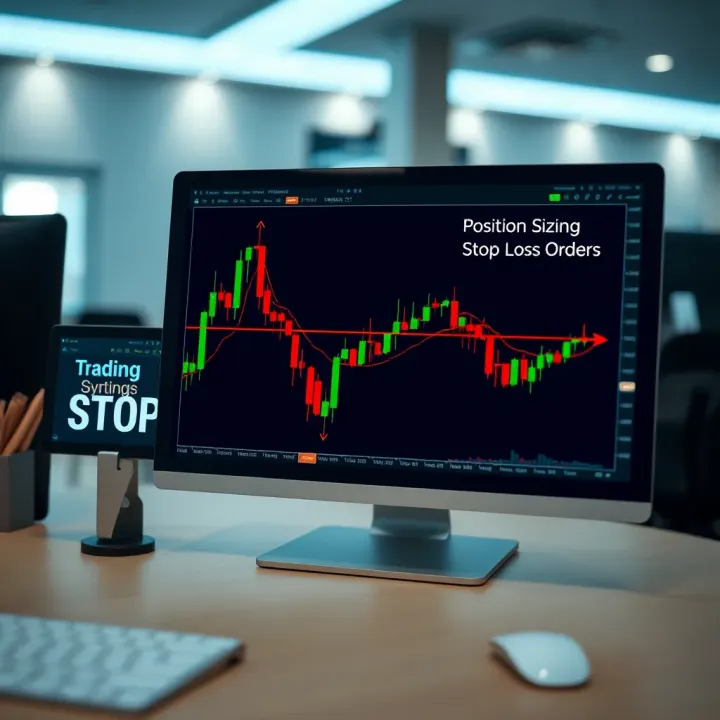
Determining appropriate trade size is the cornerstone of good risk management. It means deciding how much of your capital to put on a single trade based on factors like your total account size, the currency pair’s volatility, and your risk tolerance. For instance, if you have KSh 100,000 in your trading account, a common approach is to risk just 1-2% of that on any one trade—equating to KSh 1,000 to KSh 2,000. This way, even if the trade turns against you, the loss is manageable without wiping out your entire capital.
Using risk percentage per trade complements trade sizing by providing a clear rule to stick to. Many experienced traders never risk more than a fixed percentage per trade, often between 1-3%. Imagine you decide on 2%. Before entering a trade, you calculate the difference between your entry price and your stop-loss level in pips. Then, you adjust your trade size so the potential loss does not exceed that 2%. This discipline stops emotional decisions and prevents reckless exposure.
Balancing multiple positions is just as important, especially if you like diversifying across currency pairs or timeframes. When you hold several open trades, you need to ensure that the combined risk from all does not exceed your overall acceptable loss limit. For example, if your total risk tolerance is 5% of your capital for a given day, you might allocate 1% risk per trade across five different positions. This prevents overexposure, which can quickly drain your account if markets move unfavourably in several directions simultaneously.
Setting stop-loss levels effectively is vital to limit losses. A stop-loss is simply a predefined price at which you exit a losing trade to prevent bigger damage. Setting it requires understanding market volatility—for example, a Nairobi trader dealing with the USD/KES pair might consider recent price swings when positioning their stop-loss. Placing stop-losses too tight may cause premature exits on normal fluctuations, while setting them too wide risks bigger losses.
Defining take-profit targets ensures you lock in gains before the market reverses. Setting realistic targets based on technical analysis, like key resistance levels or recent highs, can maximise profits. For example, if you enter a buy position on EUR/USD after a breakout above a support zone, identify a take-profit price near the next resistance point. This practice automates exits at predefined success points rather than relying on emotions to decide when to cash out.
Trailing stops for dynamic risk control let you protect profits as the market moves in your favour. Unlike fixed stop-losses, trailing stops move with the price, maintaining a set distance behind the latest favourable price. For instance, if you place a trailing stop 20 pips behind the market price, it will adjust as the price climbs, locking in gains while still giving room for normal price swings. This technique is especially useful in volatile markets to balance risk with profit potential.
Properly managing your position size alongside smart use of stop-loss and take-profit orders can make a significant difference between surviving bad trades and eroding your capital rapidly. These techniques form the bedrock of disciplined forex trading.
By applying these techniques consistently, Kenyan traders can protect their capital from big shocks and improve their chances of long-term success. The essence is clear: trade what you can afford to lose, keep losses small, and let profits run strategically—all sitting on solid risk management foundations.
Market volatility and external factors can quickly upend even the most carefully planned forex trades. Keeping a close eye on these elements helps traders protect their capital and seize opportunities while avoiding unexpected losses. Understanding how economic data, geopolitical moves, and currency relationships affect the market is crucial for making sound decisions.
Interpreting central bank announcements is key for any forex trader. For example, the Central Bank of Kenya (CBK) regularly adjusts interest rates to influence inflation and economic growth. When the CBK raises rates, it often strengthens the Kenyan shilling because higher interest tends to attract investors seeking better returns. Traders who monitor these announcements can anticipate shifts and adjust their positions accordingly. Ignoring such news can result in being caught off-guard by volatile price moves.
Impact of geopolitical events on currency markets is undeniable. Political unrest, elections, or regional conflicts can trigger sharp swings. Consider how instability in neighbouring countries, or trade disputes between major economies like the US and China, can ripple through forex pairs involving the shilling. For example, tensions affecting oil supply might influence currencies of oil-importing countries, Kenya included, leading to volatility that traders must factor into risk management strategies.
Currency correlation awareness helps traders understand how pairs move in relation to each other. For instance, the Kenyan shilling often shows some correlation with the US dollar due to trade and aid ties. Knowing that if the dollar strengthens against the Euro, it might simultaneously push the shilling weaker against the dollar can prevent overexposure. By tracking correlations, traders can diversify or hedge positions better, reducing overall risk.
Identifying key support and resistance levels reveals where price movements might pause or reverse. For example, if the USD/KES pair consistently struggles to rise above a certain level, that point acts as a resistance. Placing exit points or stop-loss orders near these levels helps limit losses. Similarly, recognising support levels, where prices tend to bounce back, offers good entry points. This level-based insight prevents reckless trades driven by guesswork.
Assessing economic indicators such as inflation rates, GDP growth, and employment figures provides deeper insight into a country’s economic health. For Kenyan traders, keeping tabs on Kenya National Bureau of Statistics (KNBS) releases can signal currency strength or weakness. Robust economic performance typically boosts confidence in the shilling, affecting forex pairs. Integrating these fundamentals into trading plans improves timing and risk assessment.
Combining analyses for better decisions leads to more informed trading outcomes. Technical charts might indicate a bullish trend, but if upcoming economic data or political news suggests uncertainty, it may be prudent to trade cautiously or hold back. Conversely, strong fundamentals combined with positive technical signals increase the chances of profitable trades. This dual approach balances quick market reactions with long-term trends, helping traders stay ahead in unpredictable markets.
Managing market volatility is about recognising the signals from both charts and news. By blending technical and fundamental analysis with an understanding of external factors, traders in Kenya can navigate forex markets with greater confidence and control over risk.
Psychological discipline plays a key role in managing risk effectively in forex trading. Without control over your emotions and mental state, even the best risk management plans can falter. In forex markets, where prices swing quickly and unpredictably, staying calm and focused helps you stick to your strategy and avoid costly mistakes.
Avoiding overtrading and revenge trading is critical to preserving capital and maintaining clear thinking. Overtrading often happens when traders chase losses or try to compensate for earlier mistakes. This can lead to risking too much of your account on low-quality trades. For example, after a losing trade on USD/KES, some traders might impulsively enter several more positions without proper analysis. Such behaviour drains your funds faster than market fluctuations.
Revenge trading is similar but driven by frustration. It tempts you to jump back into the market immediately after a loss to ‘get even’. The problem is, decisions made in anger are rarely sound. Kenyan traders should pause, step away, and review their strategy before resuming. This calmer approach prevents emotional impulses from overriding the established risk rules.
Handling fear and greed is a continual challenge. Fear can make you miss good opportunities or exit trades prematurely, especially when markets fluctuate wildly during times like central bank rate announcements. Conversely, greed may lead you to hold positions too long hoping for extra profit or to increase trade size recklessly. For instance, a trader might stick to a losing trade on EUR/USD, expecting a turnaround, but ends up deepening the loss.
Balancing these emotions requires recognising them when they surface. Some traders use breathing exercises or short breaks to regain clarity. It helps to remind yourself that losses are part of trading and to stay focused on the plan rather than emotions.
Staying patient with trading plans allows you to follow strategies methodically without second-guessing every move. Consistency pays off more than impulsive trades. Say you planned to risk only 2% of your capital per trade and set clear stop-loss levels—sticking to this even during tempting market runs safeguards your funds. Patience also means waiting for the right setups rather than forcing trades. Kenyan traders often mention how pressure from daily costs or hustles tempts rash decisions, but disciplined patience is a shield against this.
Maintaining a trading journal is a practical way to build discipline and track what works or doesn't. Write down the reasons for each trade, emotions felt, and outcomes. This record helps uncover patterns like emotional trading or chasing losses. For example, a trader might notice repeated losses following late-night trades when tired. The journal becomes a mirror, keeping you honest and focused on improvement.
Regularly reviewing risk strategies ensures your methods stay relevant. Markets evolve and what worked six months ago might not suit current trends. Kenyan traders doing regular reviews can adjust position sizes or stop-loss techniques in phases of higher or lower volatility. It also reinforces discipline by keeping risk management fresh in your mind, preventing complacency.
Adjusting to changing market conditions means being flexible but controlled. For instance, during political elections or major economic data releases affecting the shilling, you might reduce trade sizes or widen stop-loss limits to avoid sudden swings. Ignoring such changes often leads to unexpected losses. Effective traders watch the environment closely and tweak their risk settings rather than blindly sticking to one approach.
Staying disciplined psychologically in forex isn’t just about mental strength; it’s about building habits that consistently protect your capital and enhance your trading performance over time.
This mix of emotional awareness and routine review forms the backbone of solid risk control in forex trading. Kenyan traders familiar with the hustle know that consistent discipline often outperforms reckless optimism or fear-driven actions in the long run.
Using the right tools and resources can make a big difference in managing risk effectively when trading forex. These tools help traders keep a close eye on trades, minimise losses, and make faster decisions without second-guessing. Kenyan traders who blend these features with good habits tend to handle market swings better and protect their capital for the long haul.
Automated stop-loss and take-profit orders allow traders to set limits on their potential loss and profits before entering a trade. This means the platform will close a position automatically once the price hits the predetermined level, helping avoid emotional decisions during fast market movements. For example, a trader using Safaricom’s M-Pesa mobile app linked to a forex platform can rest assured their losses won’t grow beyond their set limit even if they’re offline.
Traders need to know their current exposure to risk continuously. Good trading platforms offer real-time dashboards showing how much of your capital is at risk at any point. This feature is vital when juggling multiple trades or using leverage, as it prevents overexposure. For example, a Nairobi-based trader can use this to check if their combined positions in USD/KES and EUR/USD are within their risk limit, helping prevent unexpected heavy losses.
Getting timely alerts is key to staying ahead. Alerts notify you when prices approach stop-loss or take-profit targets, or when market conditions change significantly. These notifications can come via email, SMS, or mobile app, allowing immediate action even if you are away from the computer. For instance, a trader in Kisumu might receive an alert about a sudden spike in volatility before placing a new trade, enabling quick reassessment.
Local training centres provide practical learning tailored to Kenyan market realities and regulations. Centres in Nairobi or Mombasa offer courses on forex basics, advanced risk management, and platform usage. For example, a new trader enrolling at a centre may learn how to set stop-loss orders effectively on MetaTrader 4 or understand how CBK policies affect currency pairs.
Joining online communities or local groups fosters knowledge sharing and peer support. Platforms like Telegram groups for Kenyan traders or forums offer tips, alerts, and shared experiences. This community helps traders stay informed on market trends and learn from others’ mistakes, reducing risk of going it alone.
Keeping up with announcements and rules from the Capital Markets Authority (CMA) Kenya protects traders from scams and ensures they comply with laws. CMA updates offer warnings on unlicensed brokers, changes in margin requirements, or new guidelines on forex trading. Staying current helps Kenyan traders avoid risky dealings and choose reputable platforms.
Using available tools and educational resources doesn't just reduce losses; it builds traders’ confidence and sharpens decision-making in a market that never sleeps.
In summary, the combination of platform risk controls, community learning, and regulatory awareness creates a strong safety net for Kenyan forex traders navigating the market’s uncertainties.
📊 Understand financial risk management for individuals & businesses in Kenya. Learn key risk types, assessment tools, and practical strategies to safeguard assets.

Explore top forex trading apps for Kenyan traders 📱. Learn to choose safe platforms, spot key features, and boost your trading skills effectively.
Explore top forex trading companies in Kenya 🇰🇪, learn about regulators, pick trusted brokers, and get practical tips to start smart and safe 📈💡.
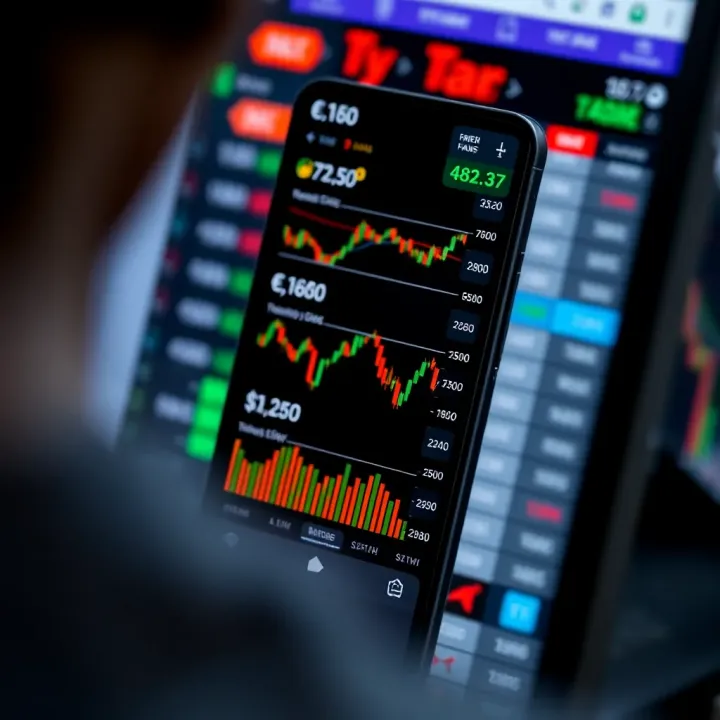
Explore top forex trading apps tailored for Kenyan traders 📱. Learn to choose wisely, ensure security 🔒, and trade confidently in Kenya’s forex market!
Based on 15 reviews