
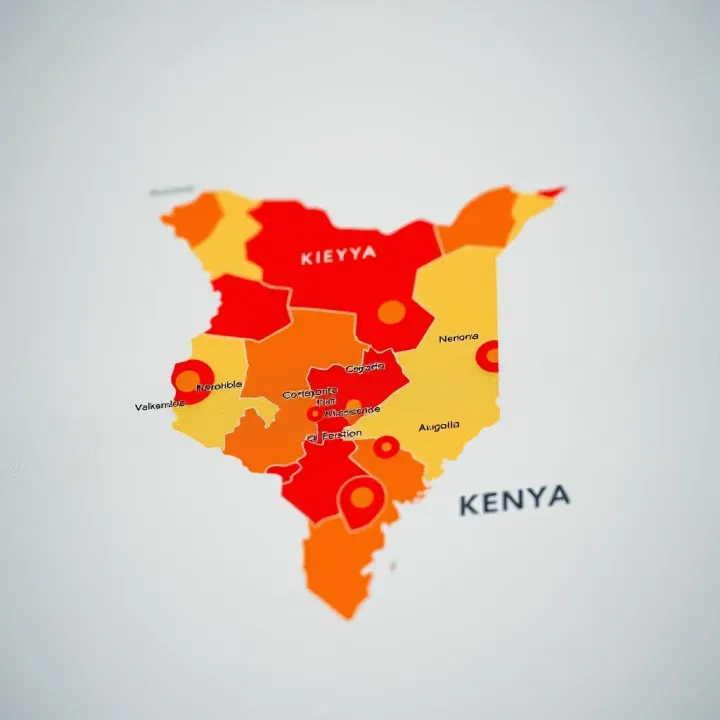
Understanding Disaster Risk Management in Kenya
🌍 Explore disaster risk management in Kenya, key strategies, stakeholder roles, challenges faced, and practical ways to boost community resilience and preparedness.
Edited By
Sophie Grant
Risk management plays a significant role in Kenya’s business and financial sectors, given the increasing complexity of markets and regulatory demands. Whether you’re a trader, analyst, broker, or enthusiast, understanding the risks involved in investments and operations can protect your capital and improve decision-making.
In Kenya, various institutions offer risk management courses designed to equip you with practical skills. These courses commonly cover topics like risk assessment, mitigation strategies, compliance requirements, and financial risk modelling. For instance, programmes often include modules on credit risk, operational risk, market risk, and the use of software tools for risk analytics.

Gaining formal risk management training helps professionals stay ahead in dynamic fields such as banking, insurance, investment, and corporate governance.
Many courses range from short certificates to diploma and degree levels, catering to different experience levels and career goals. Some are available through universities like Strathmore or United States International University (USIU), while others are provided by forex training centres and professional bodies like the Institute of Risk Management Kenya (IRMK).
When choosing a course, consider:
Accreditation: Ensure the institution and its course are recognised by Kenya’s higher education or professional authorities.
Curriculum relevance: Look for up-to-date content reflecting current market practices in Kenya and beyond.
Flexibility: Options such as evening classes or online delivery can suit working professionals.
Industry connections: Courses linked to local financial institutions or regulatory bodies often offer practical exposure.
Developing expertise in risk management boosts your ability to analyse volatile markets, manage portfolios prudently, and comply with regulatory frameworks like those set by the Capital Markets Authority (CMA) or Central Bank of Kenya (CBK).
This guide will help you navigate the available risk management course options and select one that fits your ambitions while enhancing your professional value in Kenya’s competitive financial environment.
Risk management is about identifying, assessing, and controlling threats that could harm a business or institution. It’s not just a theoretical idea — it’s a practical approach for organisations to protect their assets, staff, and operations. In Kenya, with the fast-changing economic and regulatory environment, understanding risk management helps businesses stay afloat and even grow amidst challenges.
At its core, risk management means spotting potential problems before they become disasters. These risks could be financial, like currency fluctuations affecting importers; operational, such as delays in supply chains; or even reputational, like negative publicity affecting customer trust. The process involves analysing these risks, deciding which ones need urgent attention, and putting plans in place to reduce their impact. A local example is how some Kenyan agribusinesses manage the risk of drought by investing in irrigation systems and crop insurance.
Kenya’s business landscape is marked by uncertainties — from fluctuating commodity prices on the NSE to changing government policies. Effective risk management gives companies tools to navigate these uncertainties. For instance, banks like Equity and KCB closely monitor credit risk to avoid high default rates, while transport companies assess safety risks to protect passengers and comply with county regulations.
Without proper risk management, businesses are vulnerable to losses that could have been prevented. This could mean losing KSh millions due to fraud or facing hefty fines from non-compliance with CMA (Capital Markets Authority) or CBK (Central Bank of Kenya) guidelines. Additionally, investors often look for firms with solid risk controls — it improves confidence and supports access to capital.
Good risk management is not an add-on but a core part of doing business successfully in Kenya. It helps organisations anticipate trouble and respond quickly, avoiding costly surprises.
In sum, understanding risk management in Kenya is about recognising the real challenges local businesses face daily. Grasping these fundamentals prepares you to choose the right training courses and apply skills effectively, whether you are a trader, analyst, or investor seeking to protect and grow your capital.
Kenya's growing economy and complex business environment have made risk management education more relevant than ever. Different programmes target varying professional needs, from quick upskilling to comprehensive academic training. Understanding these options helps you pick the course matching your career goals and time availability.
Short certificate courses offer practical, focused knowledge for professionals who want to sharpen specific skills without committing to lengthy studies. Typically lasting a few weeks to a couple of months, these programmes cover essentials like risk identification, assessment, and mitigation techniques. For example, Strathmore Business School offers certificate courses tailored for risk analysts and internal auditors aiming to enhance compliance and control skills rapidly. These courses tend to be affordable and often suit busy traders or investment brokers who need to keep pace with regulatory changes and market risks efficiently.

For those seeking in-depth understanding and formal qualifications, diploma and degree programmes provide comprehensive training in risk management and related fields. Universities such as Jomo Kenyatta University of Agriculture and Technology (JKUAT) and University of Nairobi offer diplomas and bachelor’s degrees that combine theoretical frameworks with practical case studies from Kenyan industries. These courses prepare students for advanced roles in financial institutions, insurance, and manufacturing sectors where risk is a daily factor. Plus, degrees tend to open doors for higher managerial positions and specialised roles such as risk compliance officer or enterprise risk manager.
The rise of digital learning platforms in Kenya has broadened access to risk management education. Institutions like Kenya Management Institute (KMI) provide online and blended learning courses, allowing learners from any location to study flexibly. These courses blend virtual lectures and occasional in-person sessions, making them ideal for working professionals in Nairobi’s fast-paced markets or traders operating across regions. Online learning tools also incorporate simulations and real-life scenarios, which help learners apply concepts in risk financing, assessment, or crisis management effectively.
If you work in dynamic sectors like banking or investment, choosing the right format—whether short certificates for quick updates or degrees for foundational knowledge—is key to staying relevant in Kenya’s shifting business terrain.
Each of these course types comes with distinct advantages tied to time, cost, and career outcomes. By evaluating your current role, future goals, and learning preferences, you can find a risk management course in Kenya that genuinely fits your needs.
Risk management training equips learners with practical skills essential for identifying, analysing, and handling risks in complex business environments, particularly in Kenya’s dynamic market. These skills help organisations foresee potential threats and craft strategies to minimise losses or seize emerging opportunities.
Risk identification is about spotting possible threats before they cause damage. Kenyan businesses, whether jua kali workshops or large banks in Nairobi, need to recognise risks like fluctuating exchange rates, security breaches, or supply chain interruptions. Courses teach students to use tools such as SWOT analysis (Strengths, Weaknesses, Opportunities, Threats) and risk checklists to map out risks clearly. Assessment then follows, where risks are evaluated for likelihood and impact, often using a risk matrix. For example, a tea exporter might assess the risk of drought affecting supply and assign priority based on local rainfall data.
Once risks are identified, mitigation involves planning how to reduce their impact. Kenyan firms learn to develop controls such as diversifying suppliers, enhancing cybersecurity, or buying insurance. Practical sessions may include designing contingency plans or implementing health and safety protocols, which are vital for factories or construction sites. Mitigation is not just about avoiding risks but managing them smartly to stay resilient during shocks.
Understanding the Kenyan regulatory framework is crucial in risk management. Courses cover laws like the Companies Act, the Data Protection Act, and Occupational Safety and Health Act, which govern business operations. For instance, complying with KRA (Kenya Revenue Authority) tax rules avoids costly penalties. Knowing how sectors like banking or manufacturing must meet specific standards helps learners guide organisations through compliance puzzles effectively.
Modern risk management increasingly relies on technology. Kenyan courses introduce software such as Enterprise Risk Management (ERM) systems, data analytics tools, and risk reporting platforms. These technologies enable real-time risk monitoring and faster decision-making. For example, banks might use risk dashboards to track credit exposure daily. Familiarity with tools like Microsoft Excel for risk modelling or cloud-based platforms enhances learners’ ability to contribute meaningfully to businesses adapting to digital transformation.
Mastering these core skills boosts your capacity to safeguard organisations and even spot new business windows, making you a valuable asset in Kenya’s competitive industries.
Selecting the right risk management course is a key step for anyone wanting to build a solid foundation in managing risks effectively within Kenyan businesses or institutions. The choice affects not only knowledge but also career prospects and how well you can apply the skills to real-world challenges. A course aligned with your professional goals and current market needs will equip you better to handle risks that are common in Kenya’s dynamic economic environment.
When choosing a course, accreditation is non-negotiable. Accredited programmes ensure the content is up to standard and recognised by employers and professional bodies such as the Institute of Risk Management (IRM) Kenya. For example, a diploma from a Nairobi-based university accredited by the Commission for University Education (CUE) carries more weight than one from an unregistered training provider.
Course content should cover core risk management areas like risk assessment, mitigation, compliance with Kenyan laws (e.g., the Occupational Safety and Health Act), and use of modern tools like risk management software. Also, check if the course addresses sector-specific risks such as those in banking, insurance, or agriculture, giving you practical insight tailored to your career.
Delivery mode affects how well you can balance studies with work. Many institutions now offer hybrid learning - part online, part face-to-face - which suits those juggling jobs or family. For example, the University of Nairobi’s part-time risk management course allows flexibility without compromising interaction.
Kenya has several reputable centres offering risk management programmes. Kenyatta University and Strathmore Business School are often cited for their well-structured diploma and certificate courses, combining academic rigour with practical case studies. The Chartered Institute of Risk Management (CIRM) Kenya provides specialised professional development recognised within the industry.
Industry partnerships also enhance learning quality. Some courses collaborate with companies in the finance or manufacturing sectors, offering internships or project work. This experience is invaluable in understanding Kenya’s business environment beyond theory.
Costs vary widely depending on the institution, course level, and delivery method. Expect to pay anywhere from KS0,000 for a short certificate course to over KS00,000 for degree programmes. It’s wise to budget not just for tuition but also for materials and examination fees.
To ease the financial load, check for scholarships offered by universities, professional bodies like CIRM Kenya, or government initiatives aimed at supporting continuing education. Some banks also offer education loans tailored for diploma or degree students. For instance, NHIF/SHA (National Hospital Insurance Fund/Social Health Assurance) members may access certain funds linked to education, depending on programme type.
Choose a course that fits your budget and learning style, but don’t compromise on quality; a recognised qualification opens doors in Kenya’s competitive job market.
Making an informed choice involves comparing course details, recognising institutional reputation, and planning finances carefully. This way, you'll ensure the risk management education you get in Kenya matches your career ambitions and local industry requirements.
Risk management skills open considerable doors in Kenya's diverse business landscape. Professionals trained in this field help organisations anticipate challenges and reduce losses, which is vital as companies face economic uncertainty, regulatory changes, and evolving market risks. By completing risk management studies, individuals sharpen their ability to safeguard assets, enhance decision-making, and improve compliance, making them invaluable across many sectors.
Banks and financial institutions often top the list due to the critical need to assess credit risk, market fluctuations, and fraud prevention. For example, Equity Bank and KCB require risk officers who can analyse loan portfolios and monitor regulatory compliance. The insurance sector also recruits graduates to evaluate underwriting risks and claims management. Moreover, telecom companies like Safaricom depend on risk analysts to manage operational and cybersecurity threats.
Manufacturing firms in industrial hubs such as Athi River and Eldoret increasingly seek risk management professionals to oversee safety protocols, supply chain risks, and environmental compliance. Public sector organisations and NGOs, especially those handling funds or involved in development projects, depend on risk experts to maintain transparency and control project risks effectively.
Completing risk management courses can lead to roles such as Risk Analyst, Compliance Officer, Internal Auditor, or Credit Risk Manager. For instance, a Risk Analyst in a Nairobi-based investment firm may assess portfolio risks and suggest mitigation strategies against market swings. Compliance Officers ensure firms meet KRA and CMA regulations to avoid penalties. Senior roles like Chief Risk Officer (CRO) emerge after years of experience, overseeing entire risk management frameworks.
Other practical roles include Business Continuity Planner, who ensures operations can recover quickly after disruptions, and Loss Control Specialists in insurance, tasked with reducing claims costs through preventive measures.
To advance in risk management, continuous learning is key. Professionals should pursue certifications like the Certified Risk Manager (CRM) or the Chartered Enterprise Risk Analyst (CERA). Gaining practical experience through internships or projects within Kenyan companies adds real-world credibility.
Networking with industry groups, such as the Risk Management Society of Kenya, can open up job opportunities and mentorships. Staying updated on Kenyan regulatory changes, such as CBK guidelines or insurance actuarial reforms, also keeps skills relevant. Besides, developing strong IT skills, particularly in risk analytics software, enhances a candidate’s appeal.
Developing a robust understanding of Kenya’s unique risk landscape combined with relevant qualifications and practical experience can significantly boost your career prospects.
Ultimately, risk management is a career with growing prospects, especially in Kenya’s booming sectors where protecting assets and ensuring compliance are more than just necessities—they are survival essentials.
🌍 Explore disaster risk management in Kenya, key strategies, stakeholder roles, challenges faced, and practical ways to boost community resilience and preparedness.
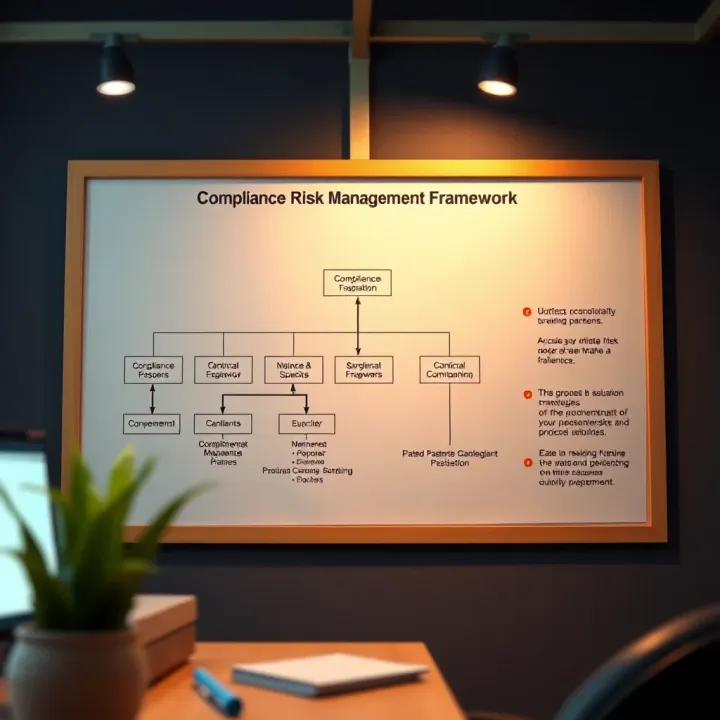
🔍 Learn proven strategies for effective compliance risk management in Kenya to avoid penalties, ensure operational integrity, and tackle local challenges head-on.
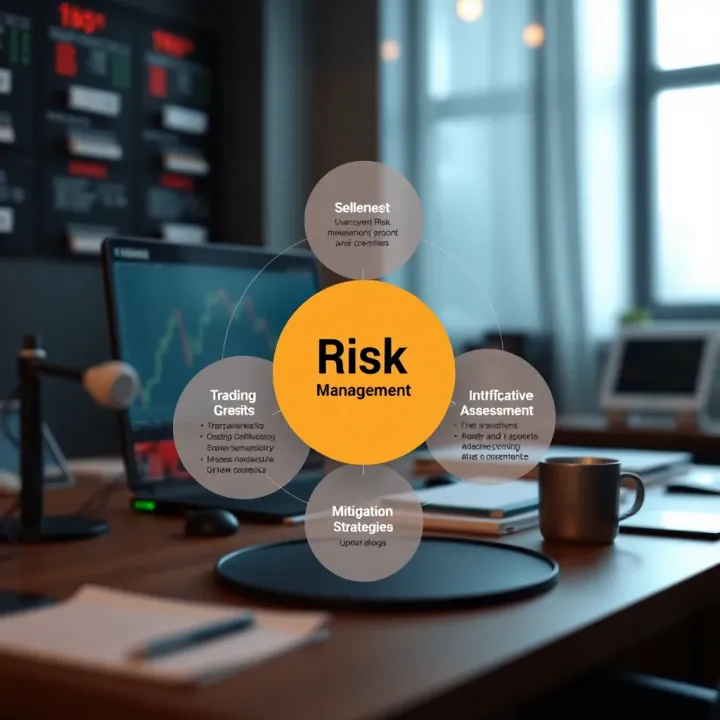
🔍 Explore how Kenyan businesses manage risks with clear definitions, key strategies, and real-life examples to safeguard goals and improve operations.
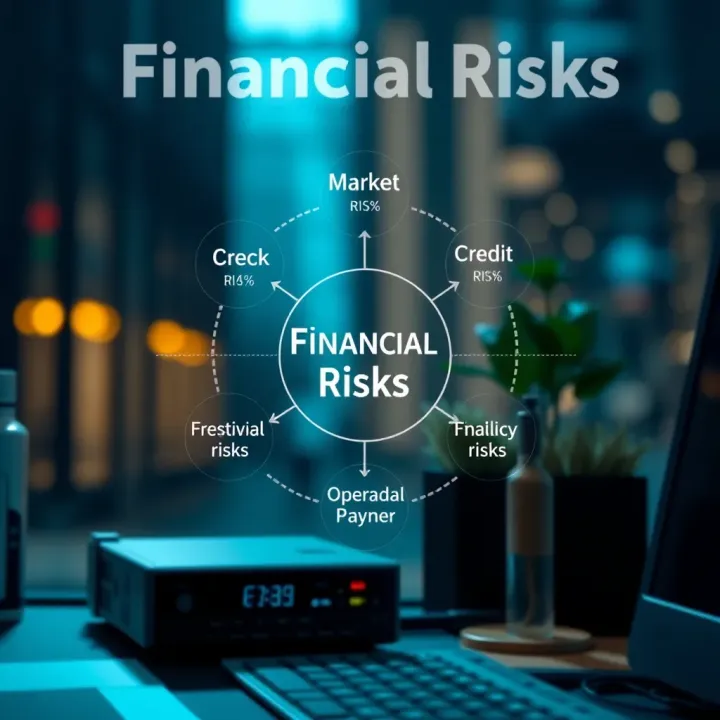
📊 Understand financial risk management for individuals & businesses in Kenya. Learn key risk types, assessment tools, and practical strategies to safeguard assets.
Based on 8 reviews