
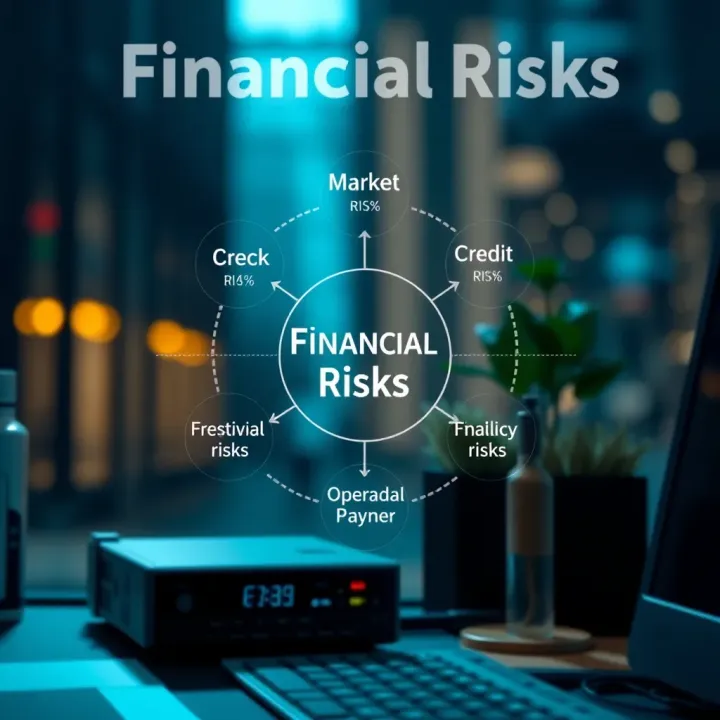
Financial Risk Management: Strategies for Stability
📊 Understand financial risk management for individuals & businesses in Kenya. Learn key risk types, assessment tools, and practical strategies to safeguard assets.
Edited By
Isabella Turner
Effective risk management means spotting threats before they hit and taking steps to soften the blow. For traders, investors, analysts, and brokers in Kenya, understanding how to handle risks isn’t just good practice; it's a necessity. Whether you’re dealing with market volatility, regulatory changes, or day-to-day operational hiccups, practical approaches make all the difference.
Begin by scanning your environment for potential risks. For example, a trader might monitor currency fluctuations between the Kenyan shilling and the US dollar, while a small business owner could be concerned about supply chain disruptions caused by seasonal rains or strikes.
Practical tools like SWOT analysis (Strengths, Weaknesses, Opportunities, Threats) help break down risks systematically. This method makes it easier to spot weak spots, such as overreliance on a single client or supplier.
Once identified, it’s crucial to evaluate both the likelihood and impact of each risk. One way is to classify risks by priority. For instance:
High impact, high probability: Exchange rate shocks affecting import costs.
High impact, low probability: Political unrest causing market instability.
Low impact, high probability: Delays in matatu transport affecting deliveries.
Such classification lets you focus resources where they matter most.
There are several strategies worth considering:
Avoidance: Skipping risky investments or relocating business operations away from volatile areas.
Mitigation: Using hedging techniques like futures contracts, or diversifying your investment portfolio.
Transfer: Taking out insurance policies or outsourcing certain business functions.
Acceptance: Recognising minor risks that do not justify costly interventions.
In Kenya, use of mobile payment platforms like M-Pesa also helps manage cash flow risks by providing quick and secure transactions.
Remember: risk management is not about eliminating risk completely but about reducing its effect so it doesn’t derail your plans.
Consider an investor who frequently trades stocks on the Nairobi Securities Exchange (NSE). By regularly reviewing economic news and CME Group future contracts, they stay ahead of potential risks tied to global oil prices, which influence local transportation costs and, in turn, company earnings. This approach combines risk identification, assessment, and handling in a real-world context.
Adopting these practical steps strengthens your capacity to withstand shocks and make informed decisions. Kenyan traders and investors who apply these techniques often enjoy steadier growth and less anxiety when markets turn unpredictable.
Risk is part and parcel of everyday life and business. Understanding what it is and how it can impact you helps in making informed decisions that minimise losses and maximise opportunities. For traders and investors, knowing the nature of risk affects the choices they make — from entering a new market to deciding whether to hold or sell a share.
Risk refers to the chance that something unexpected or unfavourable might happen. In business, it often means the possibility of losing money, damaging a brand, or failing to meet goals. In daily life, risk could be as simple as uncertainties about health, job security, or personal finances. It isn’t always negative; some risks offer chances for growth but come with potential downsides that need careful weighing.
Financial risks involve the possibility of losing money or not getting the expected financial returns. For instance, a small business owner relying heavily on loans might face cash flow problems if sales drop during the long rainy season when customers stay indoor. Similarly, investors in shares listed on the Nairobi Securities Exchange (NSE) face price volatility that could reduce their portfolio value unexpectedly.
These relate to failures or shortcomings in day-to-day business activities. A farmer relying only on manual labour risks poor harvest if key workers fall sick. Similarly, a retailer with unreliable suppliers may run out of stock during peak season, disappointing customers and losing sales. Operational risks highlight the need for backups and efficient processes to keep the business running smoothly.
Market risks arise from changes in the business environment that affect demand and pricing. For example, a matatu operator might see fewer passengers if fuel prices rise sharply, raising operating costs. Or a manufacturer may find that imported cheaper goods from neighbouring countries eat into local market share. Market risks require constant awareness of trends and competitor moves to stay competitive.

These occur when businesses or individuals do not adhere to laws, regulations, or standards. A trader failing to register their business with KRA (Kenya Revenue Authority) risks penalties. Similarly, a company ignoring environmental guidelines may face fines or closure. Compliance risks stress the importance of understanding and following relevant regulations to avoid costly legal issues.
These involve factors from the natural and social environment that impact operations. Floods during heavy rains can disrupt farming or business activities, while political unrest in some counties may affect security and trade. Also, businesses ignoring their social responsibility, such as fair treatment of workers or waste disposal, risk reputational damage that hurts customer loyalty.
Understanding these risks helps businesses and individuals prepare better and protect their interests in an ever-changing Kenyan context. Awareness leads to practical steps such as taking insurance, diversifying income sources, or adopting safer practices.
Each type demands specific attention, and no risk should be overlooked when planning for the future.
Spotting risks early and assessing their potential impact is a practical step that can save businesses and individuals significant trouble. When you identify risks well in advance, you can prepare or avoid losses rather than scrambling when things go wrong. In Kenya, whether you run a small shop in Nakuru or trade shares on the Nairobi Securities Exchange (NSE), knowing where risks lie helps in making smart decisions.
Risk Checklists are simple yet powerful tools to ensure common risks aren’t overlooked. They usually list typical dangers relevant to your sector — such as delays in supply chains, market price dips, or regulatory changes. For example, a farmer growing tea in Kericho might use a checklist to regularly review weather patterns, pest infestations, and market demand. This focused approach avoids surprises and keeps you alert to warning signs.
Historical Data Analysis involves looking at past events and outcomes to spot trends or recurring problems. Traders who analyse price patterns or previous crashes can better predict when similar risks might arise. For instance, if a stock market analyst observes that sectors like banking tend to slow down after certain policy shifts, they can advise clients accordingly. This method relies heavily on good record-keeping and data interpretation.
Consulting those involved is also vital. Stakeholder Consultations bring fresh perspectives from employees, suppliers, customers, and community members who experience risks firsthand. A local manufacturer, for example, may find that transporters report specific roads becoming impassable during rainy seasons. Regular meetings or surveys can uncover these insights early, allowing adjustments before disruptions escalate.
Balancing the chance of a risk happening against how badly it can hit you determines your focus. This is where Qualitative vs Quantitative Assessment comes in. Qualitative methods rely on expert opinions and descriptions, great when numbers are tough to get. For instance, a business owner might judge reputational risk through customer feedback rather than data. Quantitative assessment uses numbers — such as financial loss estimates or probability percentages — which suits investment decisions requiring precise calculations.
Tools like a Risk Matrix help combine these views for clearer insights. A risk matrix places risks on a grid showing likelihood on one axis and impact on the other. This quick visual guides which risks deserve immediate action — say, a likely and costly currency fluctuation — versus those that require monitoring because they are rare or low impact.
Finally, Prioritising Risks for Action means focusing your time and resources where they matter most. No one can address all risks fully, so distinguishing critical threats from minor ones is practical. A trader might prioritise currency depreciation risks over minor supplier delays, especially if they deal in imports and exports. This way, risk mitigation aligns with business goals rather than spreading efforts thin.
Identifying and assessing risks isn’t about avoiding every hazard, but about understanding them smartly so you can respond effectively. Taking these steps helps Kenyan traders, investors, and brokers act with confidence amid uncertainty.
Understanding core strategies for managing risks is vital for both businesses and individuals in Kenya. These strategies offer practical ways to deal with potential threats before they cause harm. They provide a structured approach, giving you choices to avoid, reduce, transfer, or accept risks depending on what fits your context best. This helps in protecting assets, saving costs, and ensuring smoother operations.
Avoiding risk means steering clear of activities that could lead to serious problems. For example, a small trader in Nairobi might decide not to stock highly perishable goods if their storage facilities are limited, thereby avoiding losses caused by spoilage. Similarly, an investor may steer clear of volatile stocks during uncertain political times to reduce financial exposure.
Before launching a project, carrying out an assessment can reveal hidden risks. This might involve checking the supply chain reliability for a new product or evaluating market demand. For instance, a farmer thinking of switching crops should assess weather patterns and market prices to avoid planting a crop unlikely to succeed or fetch a good price. This upfront evaluation helps prevent costly mistakes and guides better decision-making.
Improving processes cuts down risk by making operations more efficient and less prone to error. A company might revise its inventory management system to avoid overstocking, reducing storage costs and waste. In the jua kali sector, a craftsman might adopt better quality materials or tools to lower the chance of product defects.
Training staff ensures everyone understands how to identify and handle risks. For example, a retail chain in Mombasa might train employees on cybersecurity practices to reduce fraud risks. Well-informed staff act as the first line of defence, spotting trouble early and responding appropriately.
Technology also plays a big role in managing risk. Using software that tracks sales trends and customer behaviour can alert traders to unusual patterns, helping them act before losses pile up. Mobile apps tailored for farmers can predict pest outbreaks based on weather data, allowing timely interventions to protect crops.
Insurance is a key tool for transferring risk. Businesses and individuals in Kenya can purchase policies covering property damage, health, or business interruptions. For instance, a boda boda operator may take out motor vehicle insurance to cover accident costs, shifting financial risk to the insurer.
Sometimes outsourcing reduces risk by passing responsibilities to experts. A small business might contract a security firm to manage its premises rather than handling it internally. This ensures professional oversight and reduces liability.
Not all risks can or should be avoided. Accepting manageable risks can save time and resources. A market vendor may accept occasional spoilage as part of business costs but keep an eye on ways to reduce it gradually.
Having contingency plans prepares you for when risks become reality. For example, a Nairobi-based event planner should have backup venues or suppliers to avoid disruptions due to sudden cancellations. Contingency plans allow quicker recovery and minimise impact.
Effective risk management balances avoiding, reducing, transferring, and accepting risks. Picking the right mix depends on your specific situation and resources.
This practical approach helps Kenyan traders, investors, and analysts to minimise losses and make confident decisions in an unpredictable environment.
Kenyan businesses and individuals stand to benefit greatly from available tools and resources that support effective risk management. Using these resources helps you identify, monitor, and minimise risks more efficiently, which is essential in a dynamic market where unexpected challenges can crop up anytime. Having the right tools reduces guesswork and creates a more informed approach to handling uncertainty.
Key Providers
Kenya has a well-established insurance sector with players like Jubilee Insurance, Britam, and APA Insurance offering products tailored to local needs. These companies provide policies that cover a wide range of risks including health, property, business interruption, and liability. Choosing the right provider depends on your specific risk exposure and the financial strength of the insurer, which affects claim reliability.
Types of Insurance Relevant for SMEs and Individuals
SMEs should consider business insurance that covers property damage, theft, and public liability to shield against frequent local risks such as fire outbreaks or burglary. For individuals, health insurance and life policies are vital given the unpredictable nature of medical expenses in Kenya. Additionally, agricultural insurance is gaining traction to cover farmers against droughts or floods, which are common climate challenges.
Risk Management Software
Specialised risk management software helps firms organise risk data, assess potential impacts, and track mitigation efforts in one place. For Kenyan SMEs, solutions like RiskWatch or international platforms with local customisation can streamline risk registers and automate alerts. This reduces human error and speeds up decision-making by providing real-time updates on emerging threats.
Mobile Applications
Mobile apps are increasingly important in Kenya due to widespread smartphone use, offering convenience in risk monitoring. For instance, apps linked to weather forecasts can help farmers anticipate adverse conditions early. Similarly, mobile banking and payment apps like M-Pesa include fraud alerts that protect users from financial risks. Such tools put powerful risk-awareness capabilities right in your pocket.
Data Analytics
Data analytics enables businesses to spot patterns and trends in risk factors by analysing historical and current data. Kenyan companies using analytics can better predict market shifts, customer behaviour, or supply chain disruptions. For example, retailers can use sales data to adjust inventory ahead of seasonal fluctuations, limiting losses. Leveraging local and sector-specific data makes risk management more precise and effective.
Kenya’s evolving risk management landscape combines traditional methods with modern tools, proving that affordable, relevant resources can support resilient businesses and individuals.
By integrating insurance coverage with technology-based tools, you create a balanced strategy that addresses risks proactively. This practical combination helps safeguard assets and maintain business continuity in Kenya’s fast-changing environment.
Creating a risk-aware culture is about more than just policies; it means embedding a shared understanding of risks across an organisation. In Kenya’s fast-changing business environment, where market shifts, regulatory updates, and climatic events occur frequently, this culture helps teams respond quickly and wisely. Continuous improvement keeps risk management fresh and effective, adjusting approaches as conditions shift.
Holding frequent workshops and seminars keeps teams alert to new and existing risks. These sessions provide practical skills, such as spotting early warning signs or understanding risk matrix tools. For example, a Nairobi-based SME might run quarterly workshops where staff discuss recent operational challenges and brainstorm ways to reduce risks. This ensures everyone on the ground is involved, turning risk from an abstract concept to a daily priority.
Leadership plays a key role in shaping attitudes toward risk. When managers actively participate in risk training and openly discuss risk incidents, it sets a tone that risk management is everyone's responsibility. For instance, a Kenyan investment firm’s directors sharing real-life cases of market risks they've handled can motivate teams to remain vigilant. Their engagement also ensures risk management is properly resourced and supported, avoiding sidelining.
Setting clear performance indicators lets organisations measure how well they manage risk. These could include the number of identified risks addressed within a set period or the reduction in financial losses after implementing controls. In Kenya’s jua kali sector, a risk-aware artisan association might track incidence of equipment failure or accident rates to monitor safety improvements. Such indicators help decision-makers focus on what’s working and what needs fixing.
Keeping communication channels open encourages feedback on risk controls and policies. Those closer to daily operations often spot gaps earlier. For example, a bank’s customer service team might report emerging fraud patterns to the risk department. Regular feedback ensures risk measures stay practical and relevant, while also building trust with staff who see their input valued.
Kenya’s business context shifts with new regulations, economic cycles, or weather patterns. Monitoring changes and revisiting risk strategies allows swift adaptation. For example, during the long rains season, a logistics company might adjust routes and schedules to avoid flood-prone areas. Adapting ensures that risk management stays ahead of threats instead of reacting too late.
Building a risk-aware culture and constantly reviewing risk management isn’t a one-time project. It’s a continuous practice that strengthens resilience and supports smarter, safer business decisions for Kenyan enterprises.
📊 Understand financial risk management for individuals & businesses in Kenya. Learn key risk types, assessment tools, and practical strategies to safeguard assets.
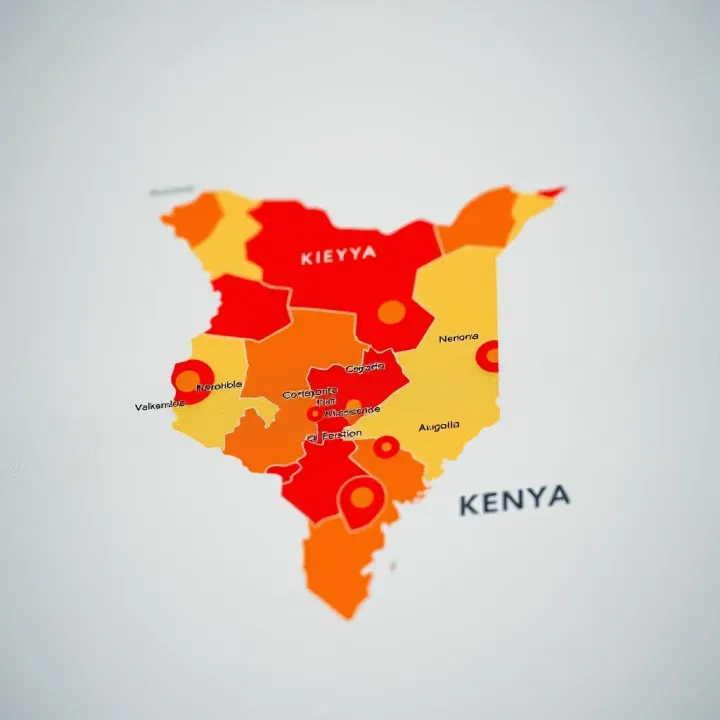
🌍 Explore disaster risk management in Kenya, key strategies, stakeholder roles, challenges faced, and practical ways to boost community resilience and preparedness.
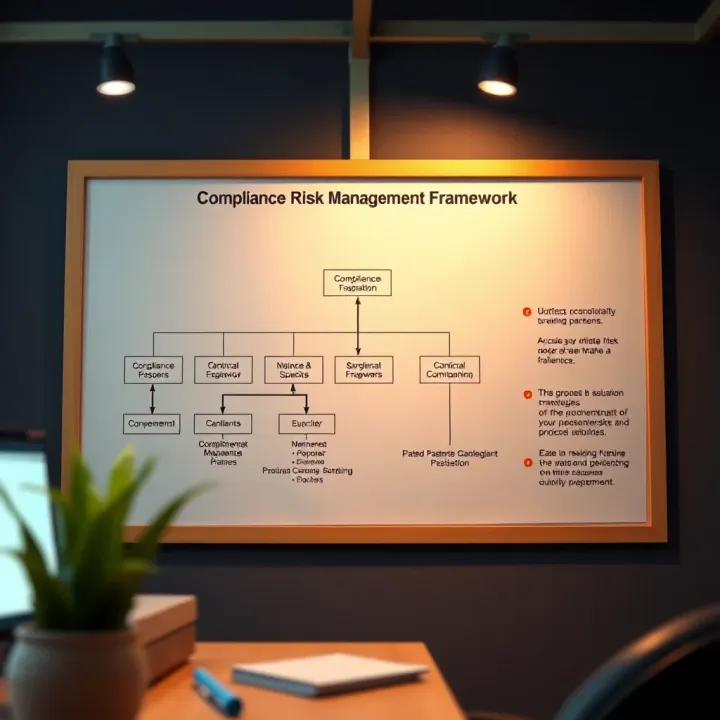
🔍 Learn proven strategies for effective compliance risk management in Kenya to avoid penalties, ensure operational integrity, and tackle local challenges head-on.
🔍 Explore how Kenyan businesses manage risks with clear definitions, key strategies, and real-life examples to safeguard goals and improve operations.
Based on 7 reviews