

Binary Trading Guide for Kenyan Investors
📊 Discover how to trade binary options safely in Kenya. Learn key strategies, risks, and regulations to grow your trading portfolio effectively. 🇰🇪
Edited By
Charlotte Hughes
Understanding gender as just male or female oversimplifies a complex reality many people experience today. Non-binary identities refer to those who do not strictly identify as exclusively male or female. In Kenya, where cultural and social norms strongly emphasise traditional gender roles, recognising non-binary identities can be challenging but necessary.
Non-binary people may identify as both male and female, somewhere in between, or entirely outside these categories. For instance, a Kenyan youth from Nairobi might prefer they/them pronouns, reflecting fluidity in their gender identity. This defies common expectations within typical family or community settings.
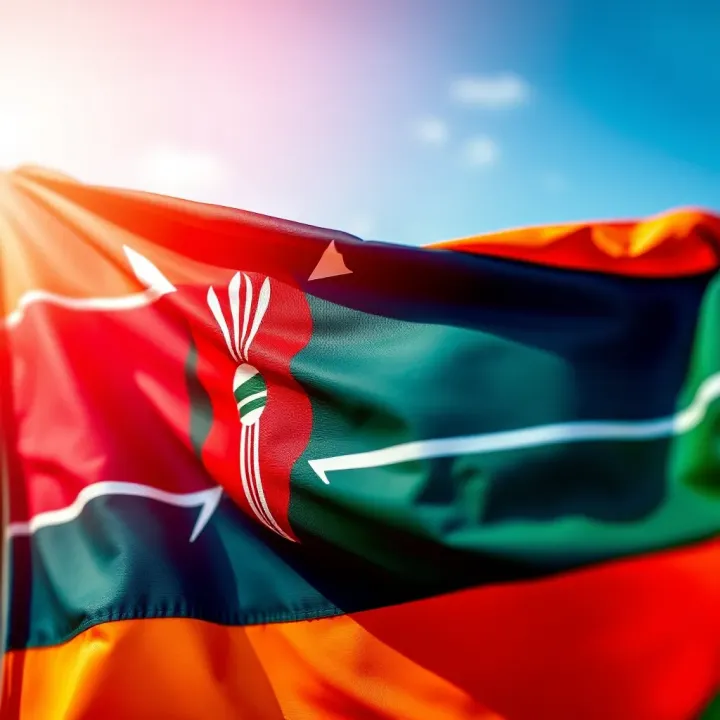
Non-binary identities remind us that gender is a spectrum rather than a fixed two-point line.
Kenya's cultural landscape varies across ethnic groups, some with historical recognition of gender diversity beyond man and woman, such as the Luhya’s socially accepted roles for people who do not fit conventional gender stereotypes. However, such acceptance is often overshadowed by modern legal frameworks and societal attitudes that favour binary classifications.
Economically and socially, non-binary individuals face obstacles in Kenya. Employment discrimination, lack of official recognition on documents, and limited access to healthcare considerate of non-binary needs are common issues. For example, an investor or business owner who is non-binary might encounter difficulties when registering personal details or accessing health insurance schemes like NHIF, which traditionally operate within a binary gender system.
This discussion also matters for brokers and market analysts keeping an eye on social trends influencing business and consumer behaviour. Inclusive policies and products attract a wider clientele, especially young Kenyans in urban areas who increasingly embrace flexible notions of identity.
To foster inclusion, workplaces could implement gender-neutral dress codes and use inclusive language. On legal fronts, NGOs and advocacy groups continue pushing for recognition of non-binary gender in official identification cards and in the country's constitution. These steps offer practical ways to support non-binary Kenyans while contributing to a more inclusive economy and society.
In short, understanding non-binary identities means moving beyond assumptions to embrace diversity in gender expression and experience. This shift can benefit trading, investment, and social sectors as Kenya progresses towards greater acceptance and inclusion.
Understanding what non-binary means helps clarify how gender exists beyond the usual categories of male and female. This concept matters in Kenya where traditional views deeply influence social roles and expectations. Recognising non-binary identities opens practical doors for respect and inclusion, especially in workplaces, schools, and healthcare.
Gender is often seen as simply male or female, but non-binary challenges this view by recognising that not everyone fits neatly into these two boxes. In Kenya, many grow up expecting roles and identities tied strictly to gender, but non-binary people experience gender on a spectrum. This means some might feel partly male and partly female, neither, or fluctuate between them. Appreciating this helps communities respect individual identities without forcing people into strict categories.
Non-binary is an umbrella term that includes identities like genderqueer, genderfluid, agender, and bigender. For example, a person identifying as genderfluid might feel male some days and female others, while an agender person may not associate strongly with any gender at all. These variations show how non-binary identities are diverse and personal. Understanding these terms helps workplaces, schools, and families create environments where everyone can feel seen and respected.
Biological sex relates to physical attributes such as chromosomes, hormones, and reproductive organs common at birth. Gender identity, however, is about one’s internal sense of self and how they relate to gender roles. For instance, a person assigned male at birth may identify as non-binary or female. This distinction is important for employers and service providers to avoid assuming gender based solely on appearance or document details.
Gender identity is shaped by personal feelings and experiences rather than fixed biology. A Kenyan youth growing up in Nairobi might struggle with gender norms that don't fit their experience and choose a non-binary identity to express themselves authentically. This personal journey affects mental health and social interactions, highlighting the need for empathy and support networks. Respecting someone's lived experience promotes dignity and better mental well-being.
Recognising non-binary gender means accepting that identity is complex and personal — a step Kenyan society is slowly adapting to through awareness and inclusion.
By understanding these aspects, businesses, educators, and policymakers in Kenya can better support diversity and foster environments where everyone’s identity is respected equally.
The experiences of non-binary individuals in Kenya are shaped heavily by cultural norms, social expectations, and legal realities. Understanding these experiences is crucial for investors, analysts, and business leaders who want to foster more inclusive workplaces and communities. Recognising the unique challenges and perspectives of non-binary people can lead to practical benefits such as improved employee wellbeing, broader market reach, and stronger community relationships.

Traditional views on gender roles in Kenya have long followed clear-cut categories of male and female, each with expected behaviours and responsibilities. For example, men traditionally are seen as providers and heads of households, while women are expected to manage domestic duties and child-rearing. These rigid roles can make it difficult for those whose gender identity falls outside this binary to express themselves freely. In many rural and urban communities, such expectations persist strongly, affecting social acceptance and daily interactions.
Impact of community and family expectations extends beyond cultural norms into the personal lives of non-binary individuals. Families often exert pressure to conform, fearing social stigma or loss of status. For instance, a non-binary person might be urged to dress or behave in ways that align with their assigned sex at birth rather than their true gender identity. This pressure can lead to feelings of isolation or mental health struggles. Community events, religious gatherings, and family systems often reinforce these expectations, making acceptance harder to achieve.
Discrimination in workplaces and schools remains a significant hurdle. Non-binary employees and students may face misunderstanding, misgendering, or outright exclusion. For instance, schools might enforce uniform policies strictly divided by male and female categories, leaving non-binary students with no suitable options. At work, the absence of inclusive policies can mean lack of recognition or support, affecting performance and job satisfaction. This discrimination reduces opportunities for career growth and can discourage open dialogue about gender diversity.
Access to healthcare and legal recognition is limited for non-binary Kenyans. Medical forms and identity documents often require choosing between male or female options, erasing non-binary identities. This lack of legal recognition complicates travel, banking, and even hospital admissions. Health providers typically lack training on gender diversity, leading to inadequate or inappropriate care. For example, a non-binary person seeking mental health support might encounter practitioners unaware of their unique needs, impacting the quality of treatment.
Addressing these challenges requires focused efforts by institutions to create policies and support systems that recognise and respect non-binary identities. This benefits not just individuals but the broader Kenyan society by promoting respect and inclusion.
By understanding these cultural and structural factors, investors and businesses can make informed decisions that support non-binary inclusion, creating environments where everyone can thrive.
Language shapes how we express identity and understand ourselves. For non-binary individuals in Kenya, terminology is more than just words—it’s a way to claim recognition in a society where binary gender norms dominate. Using correct terms and pronouns helps create respect and inclusion, especially in workplaces, schools, and public spaces where people may be less familiar with non-binary experiences.
Pronouns like "he" and "she" have traditionally marked gender, but non-binary Kenyans may prefer gender-neutral pronouns such as "they/them" or others that suit their identity. Using the pronouns someone chooses isn’t just polite—it affirms their identity and reduces the risk of alienation. In practical terms, workplaces and institutions can include pronoun options on forms or during introductions, signalling a welcoming atmosphere.
Gender-neutral language extends beyond pronouns. Terms like "partner" instead of "husband" or "wife", or avoiding words such as "manpower" in favour of "workforce", help prevent reinforcing gender binaries. Simple shifts like these make communication more inclusive without complicating conversation.
Kenyan society is gradually adapting to global conversations on gender, but local terminology is still emerging. Some non-binary individuals blend English with Kiswahili or local languages to describe their experience, such as using "mtu asiye kichwa cha jinsia" (person without a head of gender) to convey non-binary identity.
Online communities and advocacy groups have been crucial in spreading awareness and encouraging the use of terms that resonate locally. Language evolves as people share their stories, creating words that reflect Kenyan realities, rather than adopting foreign concepts wholesale. This process helps make gender diversity more understandable and accepted in everyday Kenyan life.
Always ask for preferred pronouns and names before assuming. If uncertain, it’s okay to politely enquire or use gender-neutral pronouns until told otherwise. For example, instead of "Mr." or "Ms.", using a person’s full name or "Mx." (pronounced mix) can be more respectful.
In professional settings, organisations should train staff on inclusive language and establish policies that respect all gender identities. This could mean updating attendance registers, identity documentation, and communication materials to accommodate non-binary designations.
Assuming a person's gender based on appearance or name risks misgendering and can cause discomfort. Similarly, stereotypes such as non-binary people being confused or seeking attention reinforce harmful misconceptions. Instead, treat gender identity as personal and self-defined.
Rejecting stereotypes promotes a safer environment, especially in Kenyan communities where strong traditional gender roles exist. Respecting language and identity helps non-binary people participate fully in society without facing needless barriers or discrimination.
Language is not just words; it builds the bridge for recognition, dignity, and equality for non-binary Kenyans in classrooms, offices, and homes.
By paying attention to terms around non-binary identities, you contribute to a more understanding and inclusive Kenya.
Legal and social recognition plays a big role in the lives of non-binary Kenyans. Without formal acknowledgement, individuals often face barriers accessing basic services, securing jobs, or even using public facilities comfortably and safely. Recognition helps create a more inclusive society where non-binary people are respected and protected under the law.
Kenya’s legal system currently lacks provisions for non-binary gender markers on identification documents such as national ID cards and passports. This means non-binary individuals are forced to choose between male or female options, which do not reflect their true identities. For example, a non-binary person may face confusion or discrimination when their official gender does not match how they present themselves in daily life.
This absence affects many practical matters, like enrolling in schools, registering businesses, or applying for jobs where official documents are mandatory. The rigid binary system thus restricts freedom and can expose non-binary people to discrimination or harassment.
Kenya’s constitution guarantees equal rights and protection against discrimination, but there is no specific legislation that explicitly covers gender identity or expression beyond the male-female binary. This gap leaves non-binary individuals vulnerable, especially in workplaces and public services where misunderstanding or bias is common.
Cases of verbal abuse, denial of services, or exclusion often go unreported because there are limited clear legal avenues for redress. Closing these legal gaps is critical to ensuring non-binary people can live without fear and with equal access to rights like any other Kenyan citizen.
Several NGOs in Kenya work to advance gender diversity and protect LGBTQ+ rights, including those specifically supporting non-binary individuals. Groups like ISHTAR-MSM and GALCK provide advocacy, legal aid, and health services tailored to gender-diverse people.
By raising awareness, lobbying for policy changes, and hosting workshops, these organisations strive to create safer spaces and promote understanding within broader Kenyan society. Their work often intersects with tackling HIV/AIDS stigma, mental health, and youth empowerment.
Beyond formal NGOs, grassroots community groups offer peer support crucial for non-binary Kenyans, especially in towns where formal services are scarce. These networks provide emotional support, share information on navigating legal systems, and organise social events to reduce isolation.
For instance, online communities and informal gatherings help members exchange advice on issues like coming out, accessing health care, or dealing with family challenges. Such support systems build resilience and visibility for non-binary people, providing a sense of belonging often missing in mainstream society.
Recognition under the law and society not only affirms the existence of non-binary people in Kenya but also opens doors to dignity, safety, and equal participation. It is a step towards acknowledging everyone’s right to define who they are.
Building inclusion for non-binary people in Kenya means creating an environment where gender diversity is recognised and respected, both in daily life and in institutions. This is especially relevant given the lack of widespread awareness and acceptance of non-binary identities locally. Taking concrete steps towards inclusion can improve mental health, increase participation, and reduce discrimination faced by non-binary individuals.
Incorporating gender diversity in schools and workplaces is a practical way to foster acceptance early on. Schools can introduce lessons that explain gender as a spectrum, moving beyond just boys and girls. This helps learners understand their peers better and reduces bullying. For example, including stories or history of people with diverse gender identities familiarises students with real-life experiences. Workplaces, too, can benefit by sensitising staff through training sessions that explain non-binary identities and how to respect them. This can be as simple as staff using correct pronouns or revising dress codes to be gender-neutral. Such efforts improve workplace morale and create inclusive atmospheres that benefit all employees, not just non-binary people.
Public campaigns and media representation also play big roles in shaping attitudes. Local radio stations and TV programmes showcasing stories of non-binary Kenyans help break stereotypes and show others that gender diversity exists here. For instance, featuring interviews with activists or personal stories on national media alerts a wide audience. Social media campaigns using hashtags can also create spaces where non-binary voices are heard and supported. The presence of relatable role models within popular media encourages more acceptance and lowers stigma.
Creating inclusive policies and spaces begins with recognising non-binary identities officially. Institutions can revise forms and systems to include options beyond male and female. This includes schools, companies, hospitals, and government agencies. Having gender-neutral bathrooms and changing room options, for example, makes spaces safer and more welcoming. Policies should also protect against harassment and discrimination based on gender identity, enforced through clear reporting mechanisms. This encourages non-binary individuals to engage fully without fear.
Supporting non-binary individuals in daily life involves small but meaningful actions from friends, family, and colleagues. Using a person’s correct name and pronouns shows respect and affirms their identity. It's also about listening and learning without making assumptions or rushing to label someone's experience. Allies can stand up against name-calling or jokes in social spaces, correcting misconceptions informally. For instance, a non-binary employee might face questions about their gender; colleagues who respond calmly or redirect conversations help normalise diversity. These ongoing everyday supports accumulate to build a more inclusive society.
Inclusion is not a one-time act but a continuous journey supported by education, policies, and everyday respect. Embracing gender diversity strengthens community bonds and unlocks the potential of every Kenyan regardless of identity.
📊 Discover how to trade binary options safely in Kenya. Learn key strategies, risks, and regulations to grow your trading portfolio effectively. 🇰🇪

📈 Explore binary trading basics, risks, and strategies tailored for Kenyan traders. Learn legal tips and how to manage assets confidently in Kenya.

Discover how binary trading bots work, their benefits, risks, and legal tips tailored for Kenyan traders looking to enhance automated strategies 🤖🇰🇪.

🔐 Discover how Kenyan traders can securely log in to binary options platforms with easy steps, key security tips, and solutions to common login issues.
Based on 14 reviews